
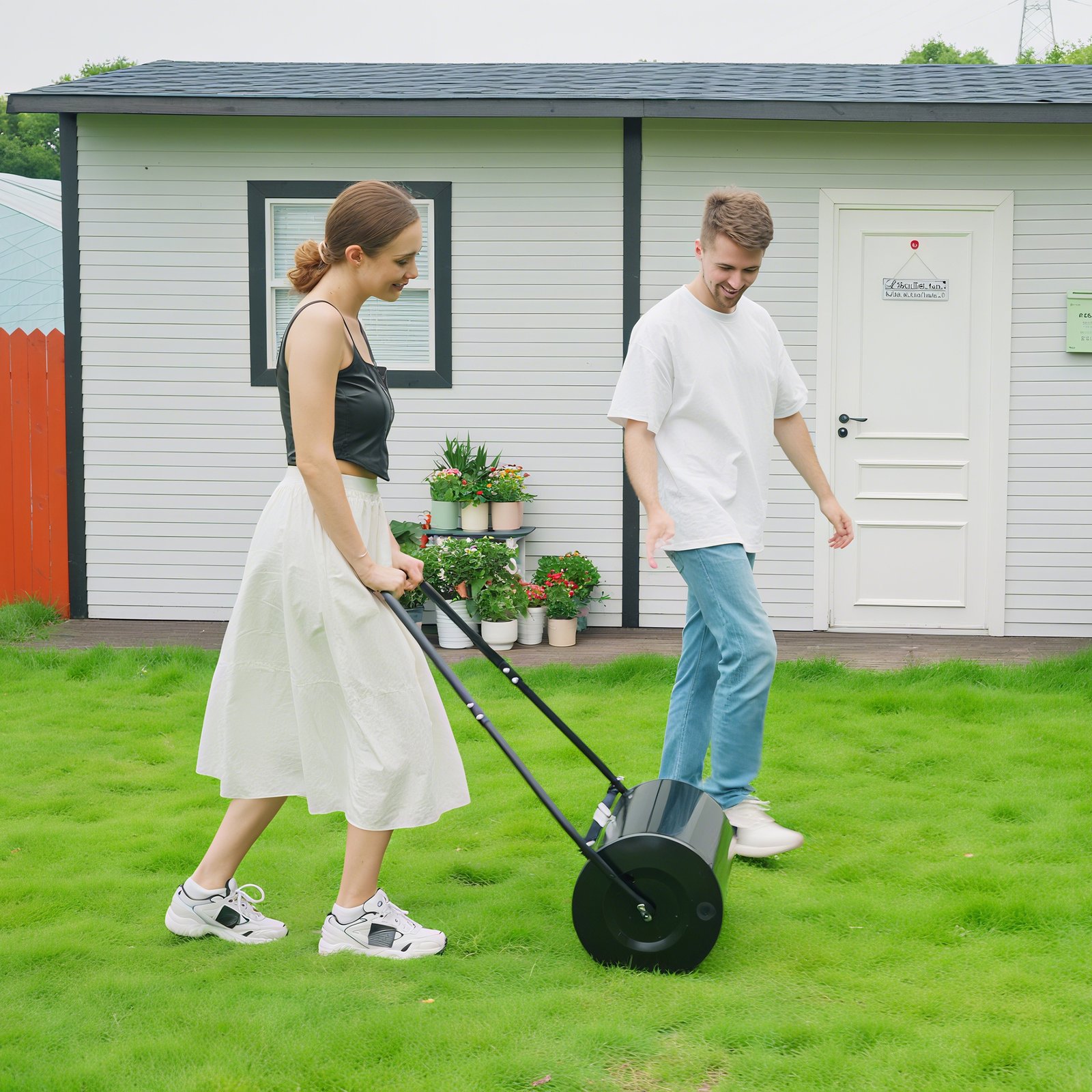
Imagine the satisfaction of a perfectly smooth, manicured lawn. It’s the pride of your home, a lush carpet of green that invites admiration and envy.
But, achieving this level of perfection often requires a little extra help, like using a lawn roller. While these tools are incredibly effective, they can also pose risks if not handled with care. Are you ready to transform your lawn safely and efficiently?
You’ll want to make sure you’re not just rolling your lawn, but also rolling out the safety measures. Dive into this article to discover essential safety tips that will keep both you and your lawn in top shape. Your peace of mind and a stunning lawn are just a read away!

Credit: brinly.com
Choosing The Right Lawn Roller
Selecting the right lawn roller helps you keep your grass smooth. It also makes your lawn look healthy and even.
Consider the type, weight, and material of the roller. These factors affect how well it works on your lawn.
Types Of Lawn Rollers
There are different types of lawn rollers to choose from. Each type suits a different lawn task.
- Water-filled rollers are light when empty and heavy when filled.
- Steel rollers are heavy and good for leveling hard soil.
- Plastic rollers are lightweight and easy to handle.
Weight Considerations
The weight of the roller affects how deep it presses the soil. Heavy rollers press deeply but can damage soft lawns.
Light rollers are safer for new grass but may not smooth uneven ground well. Choose weight based on your lawn’s needs.
Material Options
Lawn rollers come in various materials. Each material offers different strength and durability.
- Steel rollers last long and work well on tough soil.
- Plastic rollers are easy to move and do not rust.
- Rubber rollers are gentle and good for delicate lawns.
Preparing Your Lawn
Using a lawn roller helps make your lawn flat and smooth. You need to prepare your lawn first. This makes rolling safer and more effective.
Preparing the lawn means clearing debris, checking moisture, and marking obstacles. These steps protect your lawn and roller.
Clearing Debris
Remove sticks, stones, and leaves before rolling. These objects can cause damage or get stuck under the roller.
- Pick up large sticks and branches
- Rake small stones and leaves
- Check the entire lawn area carefully
Moisture Levels
Check if the lawn is too dry or too wet. Rolling on very dry soil may crack the ground. Wet soil can get compacted too much.
| Soil Condition | Rolling Advice |
| Dry | Water lawn lightly a day before rolling |
| Moist | Ideal for rolling |
| Wet | Wait for soil to dry before rolling |
Marking Obstacles
Mark any hidden objects like sprinkler heads or tree roots. This helps avoid damage to your roller and lawn.
Use bright flags or stakes to mark obstacles. Walk the lawn slowly to spot all potential hazards.
Proper Handling Techniques
Using a lawn roller safely helps prevent injuries and equipment damage. Follow simple methods to handle your roller carefully.
Proper handling includes starting and stopping the roller safely, keeping control, and avoiding risky areas. These tips keep your lawn and you safe.
Starting And Stopping Safely
Always start the lawn roller on flat ground. Make sure it is stable before you begin moving it. Stop the roller slowly to avoid sudden jerks.
- Check the roller is secure before starting.
- Push the roller gently to begin moving.
- Stop by slowing your push gradually.
- Do not let the roller roll by itself.
Maintaining Control
Keep a firm grip on the handle when using the roller. Move at a steady pace and watch your path to avoid obstacles. Stay alert to keep control at all times.
| Tip | Reason |
| Hold handle with both hands | Prevents slipping and loss of control |
| Walk slowly and steadily | Ensures even rolling and safety |
| Watch for obstacles | Avoids sudden stops or tipping |
Avoiding Slopes And Uneven Ground
Do not use the lawn roller on steep slopes or uneven ground. These areas increase the chance of tipping or losing control.
- Check the area before rolling to find flat spots.
- Avoid hills or sharp inclines.
- Do not roll over holes or bumps.
- If needed, use smaller passes on gentle slopes.
Personal Safety Measures
Using a lawn roller can be dangerous if you do not take safety steps. It is important to protect yourself while working.
Following simple safety rules helps avoid injuries and keeps your work smooth. Always prepare before using the lawn roller.
Protective Gear
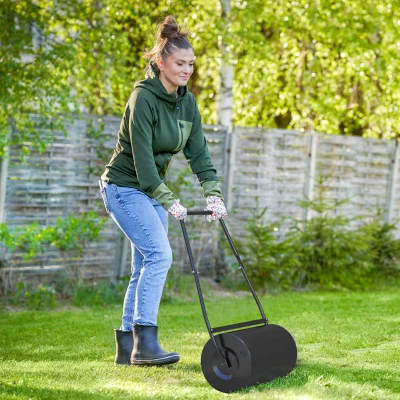
Wearing the right protective gear reduces the risk of injury. Always use gear that fits well and is in good condition.
Essential gear includes gloves, eye protection, and sturdy boots. Gloves protect your hands from blisters and cuts.
- Wear gloves to protect hands
- Use safety glasses to guard eyes
- Choose boots with good grip
- Consider ear protection if noise is loud
Safe Clothing Choices
Wear clothes that protect your skin and allow easy movement. Avoid loose clothing that can get caught in the roller.
Long sleeves and long pants protect against scratches and sunburn. Choose breathable fabrics to stay cool.
- Wear long sleeves and pants
- Pick close-fitting clothes
- Use breathable materials for comfort
- Avoid jewelry or loose items
Working In Suitable Weather
Check the weather before starting work. Avoid using a lawn roller in rain or wet grass to prevent slipping.
Work during daylight hours for good visibility. Hot weather needs extra water breaks to stay safe.
- Do not work on wet or slippery ground
- Choose dry, calm weather days
- Work when there is enough daylight
- Take breaks in hot weather
Maintenance And Storage
Proper care helps your lawn roller last longer. Maintenance and storage keep it safe and working well.
Follow simple steps after each use to protect the roller from damage and rust.
Regular Inspection
Check your lawn roller before and after use. Look for cracks, dents, or loose parts.
Fix small problems early to avoid bigger repairs later. Make sure all bolts are tight.
- Look for rust or worn areas on the drum
- Check handles and frames for damage
- Test wheels and axles for smooth movement
- Tighten any loose screws or bolts
Cleaning After Use
Clean the lawn roller after each use to stop dirt build-up. Dirt can cause rust and wear.
Use water and a brush to remove mud and grass. Dry the roller well before storing it.
- Rinse off soil and debris
- Scrub off stuck grass and mud
- Wipe dry to prevent rust
- Use a cloth to clean handles and moving parts
Safe Storage Practices
Store your lawn roller in a dry, covered place. Avoid wet or damp spots that cause rust.
Keep it off the ground using blocks or shelves. This protects the roller from moisture and damage.
- Store indoors or under a waterproof cover
- Place on wooden blocks or pallets
- Avoid stacking heavy items on top
- Keep away from chemicals or fuel
Credit: www.aosom.ca
Common Hazards And How To Avoid Them
Lawn rollers help flatten soil and improve lawn appearance. Using them safely is very important. Many accidents happen because people do not follow simple safety tips.
This guide covers common dangers of lawn rollers. It also shows how to avoid injuries and damage. Read these tips before you start using your lawn roller.
Risk Of Injury
Lawn rollers are heavy and can cause injuries if not handled well. Operators can get hurt by falling or being crushed under the roller.
- Always wear sturdy shoes and gloves for protection.
- Do not allow children or pets near the roller while in use.
- Use the roller only on flat ground to avoid tipping.
- Do not push or pull the roller too fast.
- Keep hands and feet away from moving parts.
Equipment Malfunctions
Broken or faulty lawn rollers can cause accidents. Regular checks help find problems before they get worse.
| Common Issue | Cause | How to Avoid |
| Leaking water or sand | Damaged seals or holes | Check seals before use and repair leaks |
| Uneven rolling | Worn or bent parts | Inspect roller surface and fix bends |
| Handle loosening | Loose bolts or screws | Tighten all fasteners before use |
Environmental Concerns
Using a lawn roller can affect the soil and plants. It is important to protect the environment during and after use.
Follow these tips to reduce environmental damage:
- Roll only when soil is moist, not wet or dry.
- Avoid rolling on slopes to prevent soil erosion.
- Do not over-compact the soil; this stops air and water flow.
- Keep the roller clean to avoid spreading weeds or diseases.
Credit: reelrollers.com
Frequently Asked Questions
How Do I Safely Operate A Lawn Roller?
Always read the manual before use. Wear protective gear and check for obstacles. Push slowly and avoid steep slopes. Never overload the roller with water or weight beyond recommendations.
What Safety Gear Is Essential When Using A Lawn Roller?
Wear sturdy gloves, closed-toe shoes, and eye protection. A hat and sunscreen protect against sun exposure. Use ear protection if the roller is noisy.
Can Lawn Rollers Damage My Lawn?
Overuse or heavy rolling can compact soil and damage grass roots. Use light pressure and roll only when the soil is moist but not wet.
How Do I Maintain A Lawn Roller For Safety?
Regularly check for leaks, cracks, or rust. Keep the roller clean and dry after use. Store it in a safe, dry place to prevent damage.
Conclusion
Using lawn rollers safely protects you and your lawn. Always follow the instructions carefully. Wear proper gear to avoid injuries. Check the roller for damage before use. Keep children and pets away while working. Take breaks to stay alert and steady.
Store the roller in a safe place after use. These simple tips help you work smart and keep your yard beautiful. Safety first makes every task easier and more enjoyable.
