
Are you looking to give your lawn a fresh breath of life? Lawn aeration might just be the secret weapon you need.
Imagine your grass thriving, lush, and vibrant. By aerating your lawn, you’re essentially opening up channels for air, water, and nutrients to penetrate down to the roots. This simple yet powerful DIY task can transform your outdoor space into a green paradise.
But how do you do it effectively without breaking the bank? Stick around, because we’re about to dive into some game-changing DIY lawn aeration tips that will make your neighbors green with envy and ensure your lawn looks its absolute best.
Benefits Of Lawn Aeration
Lawn aeration helps grass grow strong and healthy. It creates small holes in the soil.
These holes allow air, water, and nutrients to reach the roots easier. This improves the lawn’s condition.
Improved Soil Health
Aeration loosens compacted soil. This gives roots more space to grow and breathe.
It also reduces soil hardness and helps beneficial microbes live better in the soil.
Enhanced Nutrient Absorption
Holes made by aeration allow nutrients to reach grass roots faster. This makes grass healthier.
Better nutrient absorption helps grass resist diseases and recover from damage quicker.
Better Water Penetration
Aeration helps water soak into the soil instead of running off. This saves water and feeds roots.
Good water penetration reduces dry spots and keeps the lawn green during hot weather.
Credit: landzie.com
When To Aerate Your Lawn
Aerating your lawn helps grass grow strong and healthy. It lets air, water, and nutrients reach the roots. Knowing the best time to aerate is key for good results.
Choosing the right season and watching for signs can keep your lawn green and thick. Here are tips on when to aerate your lawn.
Ideal Seasons For Aeration
The best time to aerate depends on your grass type. Aerate during active growing seasons for faster recovery. This helps your lawn heal and grow well.
- Cool-season grasses: aerate in early spring or fall
- Warm-season grasses: aerate in late spring through summer
- Avoid aerating during dry or dormant periods
- Wet soil can make aeration hard and damage grass
Signs Your Lawn Needs Aeration
Watch your lawn for these signs to know when to aerate. Acting early helps fix problems and improves lawn health.
| Sign | What It Means |
| Water pools on surface | Soil is compacted and won’t absorb water well |
| Grass roots are shallow | Roots cannot grow deep due to hard soil |
| Thin or patchy grass | Grass struggles to get nutrients |
| Heavy foot traffic areas | Soil becomes compacted from pressure |
| Thick layer of thatch | Dead grass blocks water and nutrients |
Choosing The Right Aeration Tools
Lawn aeration helps your grass grow healthy and strong. Picking the right tools makes the job easier and better.
This guide will explain two key choices: spike versus core aerators, and manual versus powered options.
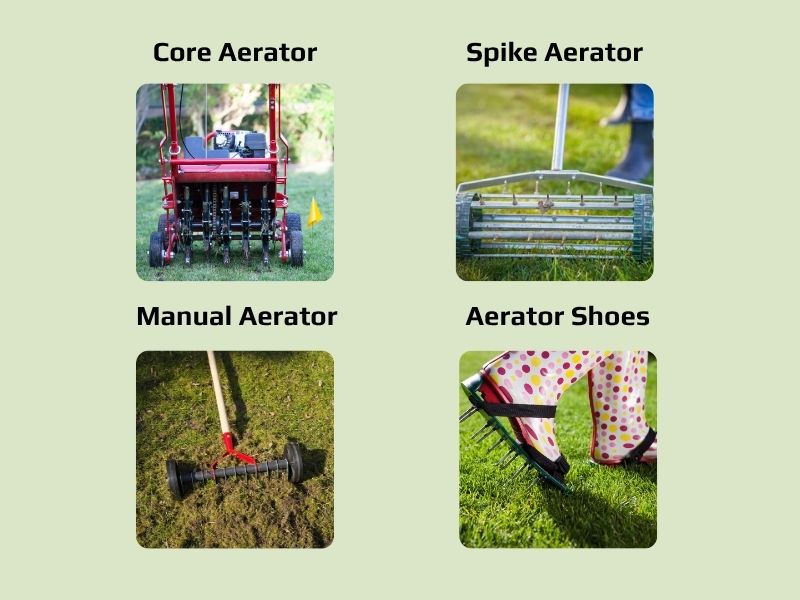
Spike Vs. Core Aerators
Spike aerators use solid tines to poke holes in the soil. Core aerators pull out small plugs of soil, letting air and water reach the roots better.
- Spike aerators are simple and good for light aeration.
- Core aerators improve soil drainage and reduce compaction more effectively.
- Core aeration is best for lawns with heavy clay soil or thick thatch.
- Spike aerators might compact soil more if used too often.
Manual Vs. Powered Options
Manual aerators require physical effort but cost less. Powered aerators cover large areas quickly but are more expensive.
| Type | Pros | Cons |
| Manual Spike Aerator | Low cost, easy to use | Takes more time and effort |
| Manual Core Aerator | Effective aeration, affordable | Labor intensive |
| Powered Spike Aerator | Fast, covers large lawns | Higher cost, needs fuel or electricity |
| Powered Core Aerator | Best for heavy soil, quick work | Expensive and bulky |
Step-by-step Aeration Process
Lawn aeration helps soil breathe and promotes healthy grass growth. It creates small holes that allow air, water, and nutrients to reach the roots.
Following a clear process ensures your lawn gets the best care during aeration. This guide covers preparing the lawn, aerating, and aftercare.
Preparing The Lawn
Start by mowing your lawn short. Remove any debris like leaves, sticks, or stones. Water the lawn lightly a day before aeration to soften the soil.
- Mow the grass to about two inches
- Clear the surface of debris
- Water the lawn lightly 24 hours before aeration
Aerating Techniques
There are different tools and methods to aerate your lawn. You can use a spike aerator or a core aerator for better results.
| Tool | Description | Best For |
| Spike Aerator | Uses solid spikes to poke holes in the soil | Light compaction and small lawns |
| Core Aerator | Removes small plugs of soil to reduce compaction | Heavy compaction and large lawns |
Post-aeration Care
After aeration, keep your lawn moist to help recovery. Avoid heavy foot traffic and add fertilizer or grass seed if needed.
- Water the lawn regularly but do not flood
- Limit walking on the lawn for a few days
- Apply fertilizer or grass seed for best growth
Expert Tips For Best Results
Lawn aeration helps your grass grow strong and healthy. It improves air, water, and nutrient flow to the roots. Doing it yourself saves money and gives you control over the process.
Use these expert tips to get the best results from your DIY lawn aeration. Follow the right timing and care steps for a greener lawn.
Timing Your Fertilization
Fertilize your lawn soon after aeration. The holes let nutrients reach the roots faster. This helps the grass absorb fertilizer better.
Apply fertilizer within a day or two after aerating. Use a fertilizer suited for your grass type and season.
Watering After Aeration
Water your lawn lightly right after aeration. This helps the soil settle around the holes. It also starts the healing process.
Keep the soil moist for the next week. Avoid overwatering, which can cause problems like mold or root rot.
- Water early in the morning
- Use about half an inch of water per session
- Water every other day for one week
Dealing With Compacted Areas
Focus aeration on areas where soil is hard and compacted. These spots stop roots from growing well. Use a core aerator to remove soil plugs.
After aerating compacted areas, add a thin layer of topsoil or compost. This fills holes and improves soil quality.
- Mark compacted spots before aeration
- Use a core or spike aerator on tough soil
- Add organic matter after aeration
- Water to help soil settle
Credit: www.lawnstarter.com
Common Mistakes To Avoid
Lawn aeration improves grass health by letting air, water, and nutrients reach roots. Many people try DIY aeration but make mistakes that harm their lawn.
Knowing what to avoid helps you get better results and a greener lawn. Here are common mistakes to watch out for when aerating your lawn.
Over-aerating
Aerating too often or too much can damage your lawn. It may cause stress to the grass and reduce growth.
- Do not aerate more than twice a year.
- Avoid aerating when the grass is dry or stressed.
- Use the right tool for your lawn size and type.
- Do not leave large holes open for too long.
Ignoring Soil Type
Different soil types need different aeration methods. Ignoring soil type can make aeration less effective or harm your lawn.
| Soil Type | Recommended Aeration Method |
| Clay | Core aeration to remove plugs |
| Sandy | Spike aeration to create small holes |
| Loam | Core or spike aeration works well |
Skipping Lawn Maintenance
Aeration alone is not enough. Skipping other lawn care steps can reduce aeration benefits.
- Water your lawn deeply after aeration
- Fertilize to feed the grass roots
- Mow regularly but not too short
- Remove weeds to reduce competition
Additional Lawn Care Practices
Taking care of your lawn means more than just aeration. You can improve your lawn by adding other care steps.
Good lawn care helps grass grow healthy and strong. This keeps weeds and pests away too.
Seeding And Overseeding
Seeding adds new grass to bare spots. Overseeding spreads seed over the whole lawn to make it thicker.
Do this after aeration to help seeds reach the soil. Use grass seed that matches your current lawn type.
- Choose seed suited for your climate
- Spread seed evenly over the lawn
- Water seeds lightly every day
- Keep foot traffic low during germination
Regular Mowing Tips
Cut your grass regularly to keep it healthy. Do not cut more than one-third of the grass height at once.
Keep mower blades sharp to avoid tearing grass. Change mowing patterns to help grass grow straight.
- Mow when grass is dry for a clean cut
- Adjust mower height depending on grass type
- Bag or mulch grass clippings properly
- Do not mow too short in hot weather
Pest And Weed Control
Watch for pests and weeds that harm your lawn. Early control prevents bigger problems later.
Use safe methods like hand-pulling weeds or natural pest control. Avoid using too many chemicals.
- Inspect lawn weekly for pests or weeds
- Remove weeds by hand before they spread
- Use natural pest control options when possible
- Apply treatments only as needed

Credit: landzie.com
Frequently Asked Questions
What Is Diy Lawn Aeration And Why Is It Important?
DIY lawn aeration involves manually perforating soil to improve air, water, and nutrient flow. It enhances grass growth, reduces soil compaction, and promotes a healthier lawn naturally without costly professional help.
When Is The Best Time For Lawn Aeration?
The ideal time for lawn aeration is during the growing season. For cool-season grasses, early spring or fall works best. Warm-season grasses benefit from late spring to early summer aeration, ensuring optimal root growth and recovery.
What Tools Do I Need For Diy Lawn Aeration?
Common tools include a manual core aerator, spike aerator, or garden fork. Core aerators remove plugs of soil, while spike aerators create holes by pushing into the ground. Choose based on lawn size and soil condition for best results.
How Often Should I Aerate My Lawn At Home?
Aerate your lawn once a year for healthy soil, ideally during peak growing seasons. Lawns with heavy foot traffic or clay soil may benefit from twice-yearly aeration to reduce compaction effectively.
Conclusion
Aerating your lawn helps grass grow strong and healthy. It lets air, water, and nutrients reach the roots easily. Doing it yourself saves money and gives control over timing. Use simple tools and follow easy steps for best results. Regular aeration keeps soil loose and prevents thatch build-up.
A well-aerated lawn feels soft and looks green. Take care of your lawn now for a beautiful yard later. Small efforts bring big changes. Start aerating and enjoy a lush, healthy lawn all year.
