
Ever wonder why your plants aren’t thriving as they should? The secret might be in your soil’s pH level.
Understanding and testing your backyard soil pH can be the game-changer your garden needs. You don’t have to be a gardening expert to do it; with a few simple steps, you can uncover vital information about your soil. Imagine having the confidence to choose the right plants and fertilizers that suit your soil perfectly.
This guide will show you how easy it is to test your backyard soil pH, empowering you to cultivate a garden that flourishes. Ready to transform your gardening experience and give your plants the best chance to thrive? Let’s dig in!
Credit: www.walmart.com
Why Soil Ph Matters
Soil pH is a measure of how acidic or alkaline your backyard soil is. It affects many things in your garden.
Testing soil pH helps you understand the best plants to grow and how to care for them properly.
Impact On Plant Growth
Plants grow best in soil with the right pH level. If the soil is too acidic or too alkaline, plants may struggle.
Soil pH affects root health and how well plants absorb water and nutrients, which are important for growth.
Effect On Nutrient Availability
Soil pH changes how nutrients are available to plants. Some nutrients become harder to absorb if pH is too low or high.
For example, iron and manganese are more available in acidic soils, while phosphorus is easier to get in neutral soils.
- Acidic soil (pH below 6) limits calcium and magnesium
- Alkaline soil (pH above 7.5) reduces iron and zinc availability
- Neutral soil (pH 6.5 to 7.5) offers balanced nutrients
Common Ph Ranges In Backyards
Backyard soils usually have pH values between 5.5 and 7.5. This range suits many garden plants.
Knowing your soil’s pH helps you choose plants that will grow well or improve soil conditions.
| Soil pH Range | Description | Examples of Plants |
|---|---|---|
| 5.5 – 6.5 | Moderately acidic | Blueberries, azaleas, rhododendrons |
| 6.5 – 7.5 | Neutral to slightly alkaline | Vegetables, roses, lawn grass |
| Above 7.5 | Alkaline | Lavender, clematis, lilacs |
Gathering Soil Samples
Testing your backyard soil pH helps you know its acidity or alkalinity. This affects plant growth and health. The first step is gathering soil samples correctly.
Good samples show the true condition of your soil. You must collect samples from different spots and mix them well.
Choosing Sampling Spots
Pick several places in your backyard to collect soil samples. Avoid unusual spots like compost piles or areas with recent fertilizer.
Choose spots that represent the area where you will grow plants. This gives a clear picture of your soil’s pH.
- Pick 5 to 10 spots across the garden
- Skip very wet or dry areas
- Avoid places with visible dirt changes
- Include shaded and sunny areas
Tools Needed
Gather simple tools to collect soil samples. These tools help you dig and store soil properly.
- Garden trowel or small shovel
- Clean bucket or container
- Plastic bags or soil sample containers
- Permanent marker for labeling
Make sure tools are clean to avoid soil contamination. Label samples with the spot location for easy tracking.
Collecting And Mixing Samples
Dig 4 to 6 inches deep to get soil samples. Remove grass and roots before collecting soil. Take about one cup of soil from each spot.
Put all samples in the bucket. Mix them well to create one combined sample. This mix shows the average soil pH of your backyard.
- Dig 4–6 inches deep at each spot
- Remove surface debris like grass
- Collect about one cup of soil per spot
- Mix all samples in a clean bucket
- Place mixed soil in a container for testing
Testing Methods
Testing the pH of your backyard soil helps you understand its acidity or alkalinity. Knowing the pH guides you to grow healthy plants.
You can test soil pH using simple kits, digital meters, or by sending samples to a lab. Each method has its own steps and benefits.
Using Ph Test Kits
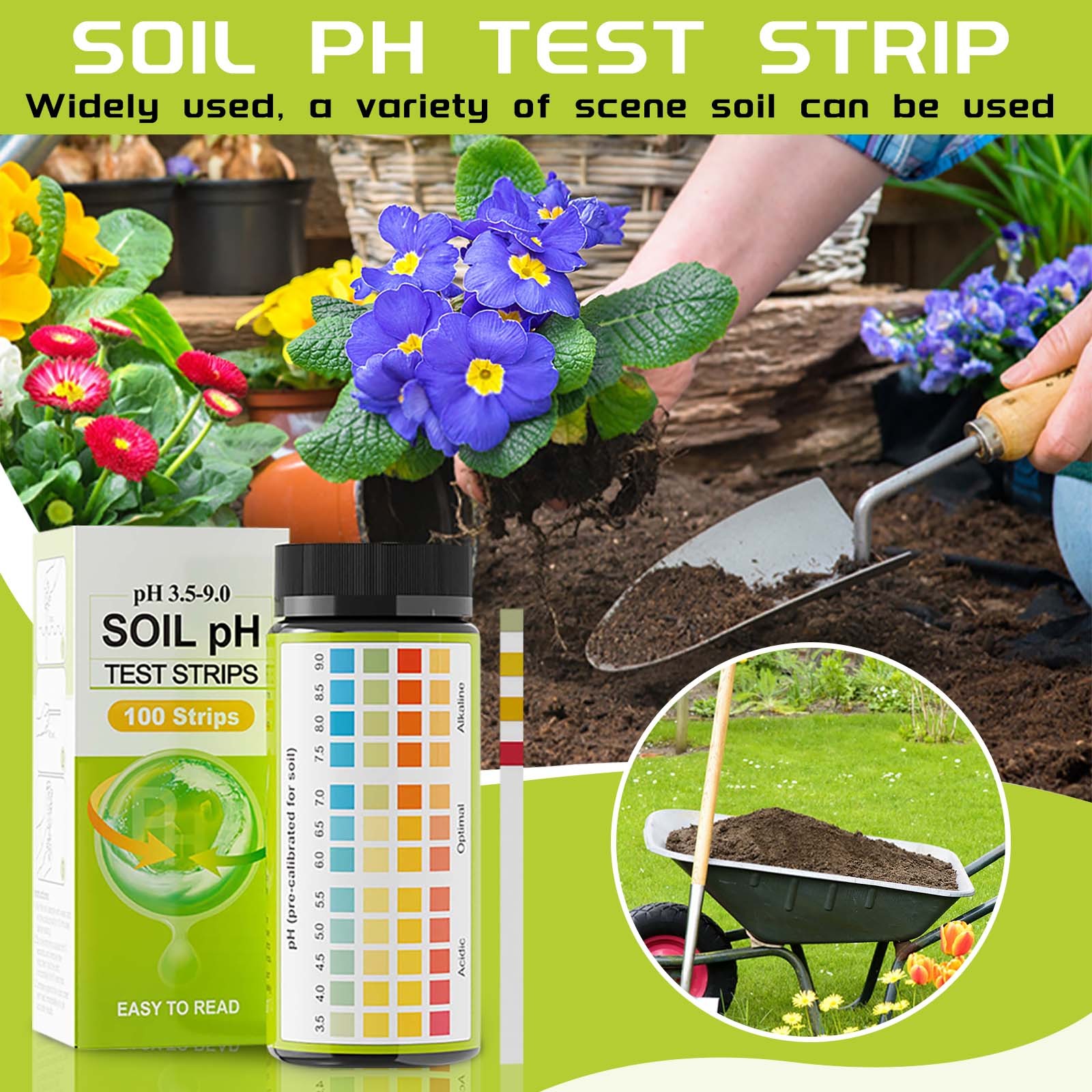
pH test kits are easy to use and affordable. They usually come with test strips or liquid solutions that change color based on the soil pH.
To test, you mix soil with water, add the testing solution or dip the strip, and compare the color to a chart. This shows the soil’s pH level.
- Collect a small soil sample from your yard
- Mix soil with clean water in a container
- Add test strip or solution
- Wait for color change
- Match color to chart for pH value
Digital Ph Meters
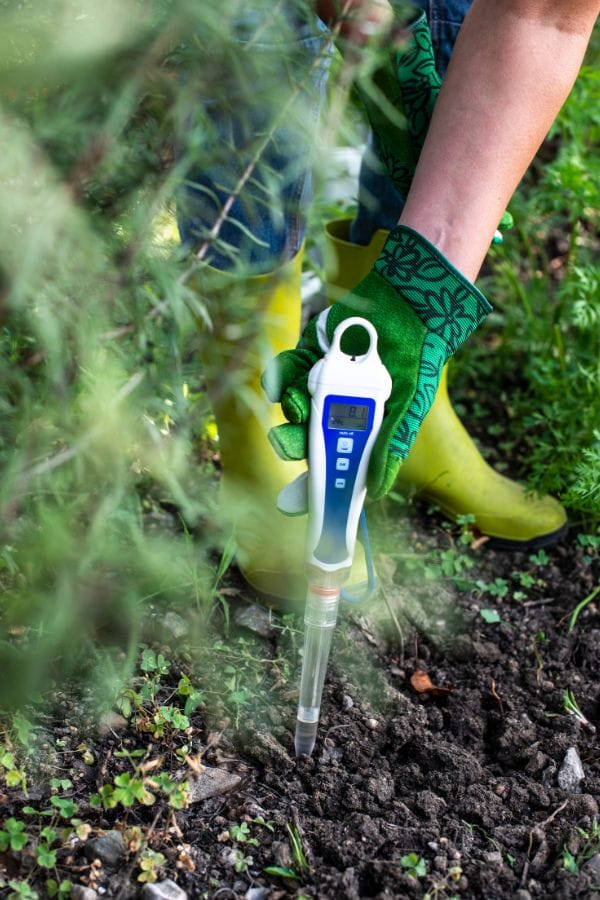
Digital pH meters give quick and accurate readings. They have a probe that you insert into moist soil to measure pH electronically.
Before testing, clean the probe and calibrate the meter using a standard solution. Then insert it into the soil and read the digital display.
- Calibrate the meter with a buffer solution
- Remove debris from soil surface
- Insert probe about 2-3 inches deep
- Wait for stable reading
- Record the pH level shown
Sending Samples To A Lab
For detailed results, you can send soil samples to a lab. Labs test soil pH along with other nutrients and give a full report.
Collect samples from different spots in your yard and follow lab instructions for packaging and mailing. Results often come back within days.
- Gather soil from several areas
- Mix the samples in a clean container
- Fill the lab sample bag or container
- Label the sample with location info
- Send to the lab as directed

Credit: www.amazon.com
Interpreting Test Results
Testing your backyard soil pH gives you a number that shows how acidic or alkaline the soil is. Understanding this number helps you decide how to care for your plants.
Reading the results correctly lets you pick the right plants and add the right materials to keep your soil healthy.
Identifying Soil Acidity Or Alkalinity
The soil pH scale goes from 0 to 14. A pH below 7 means the soil is acidic. A pH above 7 means the soil is alkaline. A pH of 7 is neutral.
- Acidic soil has a pH of less than 7.
- Neutral soil has a pH of exactly 7.
- Alkaline soil has a pH higher than 7.
Knowing if your soil is acidic or alkaline helps you fix problems like poor plant growth or nutrient shortages.
Recognizing Ideal Ph For Different Plants
Different plants grow best in different pH levels. Some like acidic soil. Others need neutral or alkaline soil.
| Plant Type | Ideal Soil pH |
| Azaleas | 4.5 – 6.0 (Acidic) |
| Carrots | 6.0 – 6.8 (Slightly Acidic) |
| Lavender | 6.5 – 7.5 (Neutral to Slightly Alkaline) |
| Cabbage | 6.0 – 7.5 (Neutral to Slightly Alkaline) |
| Blueberries | 4.0 – 5.5 (Very Acidic) |
Match your soil pH to the needs of your plants. This helps them grow strong and healthy.
Adjusting Soil Ph
Soil pH affects plant growth and nutrient availability. Testing soil pH helps you know if it is too acidic or alkaline.
Adjusting soil pH creates better conditions for your backyard plants. You can raise or lower pH depending on your soil test results.
Raising Soil Ph
To raise soil pH, add lime materials that reduce acidity. Common options include agricultural lime and dolomite lime.
- Agricultural lime (calcium carbonate) neutralizes acidity quickly.
- Dolomite lime adds magnesium along with calcium.
- Apply lime evenly and mix it well into the soil.
- Test soil again after a few weeks to check pH changes.
Lowering Soil Ph
To lower soil pH, use sulfur or organic materials that increase acidity. Elemental sulfur is a popular choice.
| Material | Effect | Application Tip |
| Elemental sulfur | Lowers pH slowly over time | Mix well with soil for best results |
| Peat moss | Increases acidity naturally | Use as mulch or soil amendment |
| Aluminum sulfate | Lowers pH quickly | Use carefully to avoid plant damage |
Timing And Application Tips
Choose the right time and method to apply soil amendments. Proper timing improves effectiveness and plant health.
- Test soil pH before planting season starts.
- Apply lime or sulfur several months before planting.
- Water soil after application to help amendments work.
- Wear gloves and follow safety instructions when handling chemicals.
- Retest soil pH after 2 to 3 months to track changes.
Credit: littlesproutslearning.co
Maintaining Optimal Soil Ph
Testing your backyard soil’s pH helps keep plants healthy. Soil pH affects nutrient availability and plant growth.
Maintaining the right pH balance improves soil quality and garden success.
Regular Testing Schedule
Check soil pH at least twice a year. Testing in spring and fall gives good results. Use a soil test kit or send samples to a lab. Keep records of each test to track changes.
- Collect soil samples from different garden spots.
- Mix samples for an average pH reading.
- Follow test kit instructions carefully.
- Record the pH values and date.
- Adjust soil treatment based on results.
Organic Amendments
Adding organic matter helps keep soil pH stable. Compost, peat moss, and manure improve soil structure and acidity.
| Amendment | Effect on pH | Use Tips |
| Compost | Neutral to slight increase | Apply 2-3 inches yearly |
| Peat Moss | Increases acidity | Mix with soil before planting |
| Manure | Varies, usually neutral | Use well-aged manure only |
Preventing Ph Fluctuations
Avoid sudden changes in soil pH by using natural treatments. Limit chemical fertilizers and pesticides. Water your garden properly to prevent salt build-up. Mulching helps retain moisture and stabilize pH.
- Test soil before adding any amendments.
- Use lime to raise pH slowly if soil is too acidic.
- Add sulfur or aluminum sulfate to lower high pH.
- Water regularly but avoid overwatering.
- Rotate crops to maintain soil health.
Frequently Asked Questions
How Do I Test Backyard Soil Ph At Home?
To test soil pH at home, use a soil pH test kit or digital pH meter. Collect soil samples, mix with water, and follow the kit instructions for accurate results. Testing helps optimize plant growth by adjusting soil conditions.
What Tools Are Needed For Backyard Soil Ph Testing?
You need a soil pH test kit, digital pH meter, or pH test strips. Also, use a clean container to mix soil with distilled water. These tools provide quick and reliable soil acidity or alkalinity measurements.
How Often Should I Test My Backyard Soil Ph?
Test your soil pH at least once a year, preferably in early spring. Regular testing helps monitor soil health and guides necessary amendments for optimal plant growth and nutrient availability.
What Soil Ph Level Is Best For Backyard Plants?
Most backyard plants thrive in soil with a pH between 6. 0 and 7. 0. This range ensures nutrient availability and healthy root development. However, some plants prefer more acidic or alkaline soil.
Conclusion
Testing your backyard soil pH helps your plants grow healthy. You can use simple kits or digital meters for quick results. Knowing soil pH guides you in adding the right nutrients. Testing regularly keeps your garden soil balanced and fertile.
Healthy soil means better flowers, vegetables, and grass. Take a small soil sample, follow easy steps, and see the difference. Start testing today to enjoy a thriving backyard garden. Simple, clear, and effective soil pH testing makes gardening easier.
