
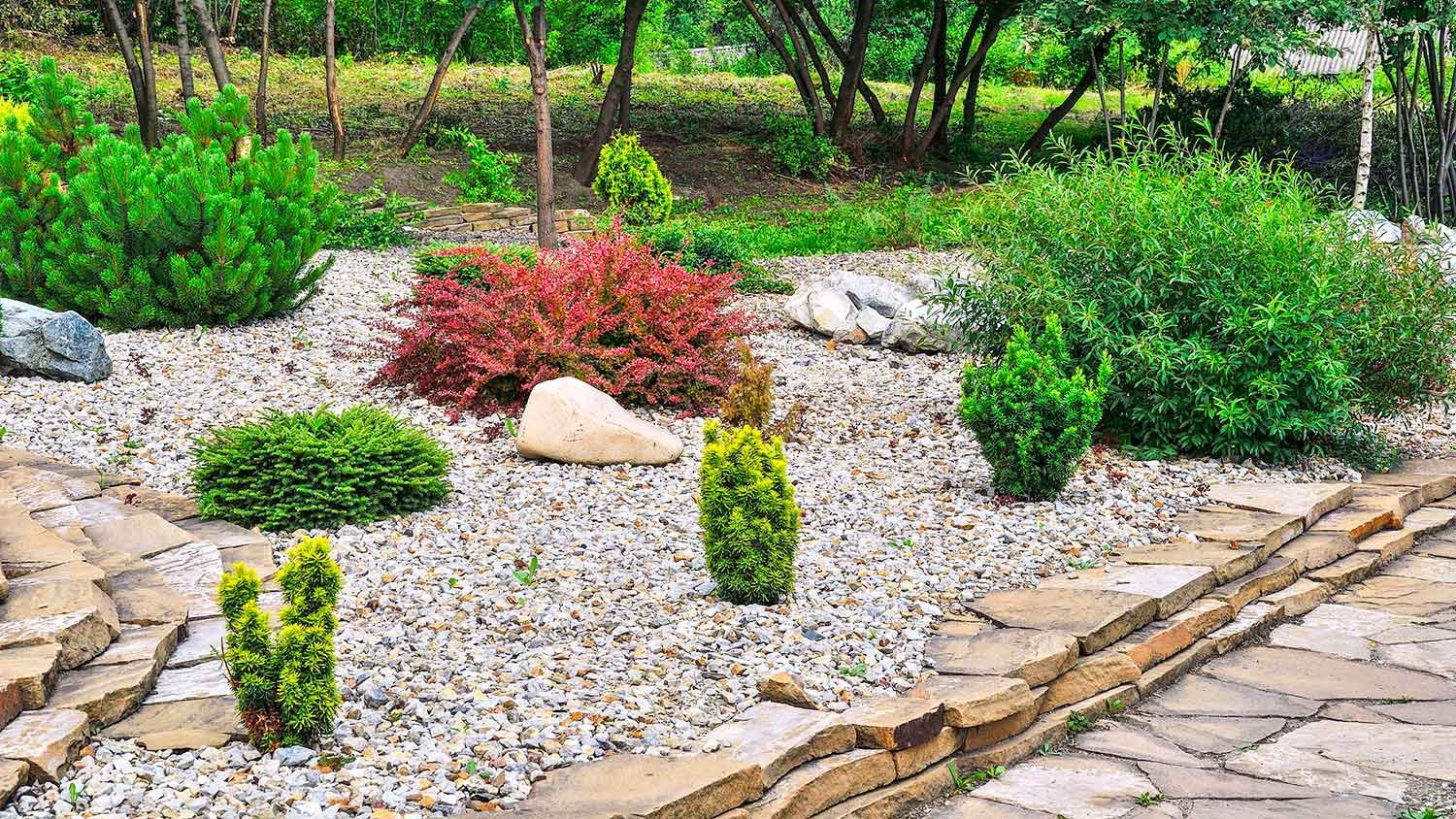
Are you looking to give your outdoor space a fresh, natural look that lasts? Using granite rocks in landscaping could be the simple change that transforms your yard into a stunning retreat.
Granite is strong, beautiful, and versatile—perfect for adding texture and style to your garden or walkway. You’ll discover easy ways to use granite rocks that make your landscape stand out, while saving you time and effort. Ready to unlock the secret to a breathtaking outdoor space?
Keep reading to learn how!
Choosing Granite Rocks
Choosing the right granite rocks is key to enhancing your landscape design. The right choice improves both beauty and durability. Consider the rock’s type, size, shape, and color before buying. These factors affect how well the rocks fit your garden style.
Types Of Granite Rocks
Granite rocks vary in texture and grain size. Coarse-grained granite shows large crystals and a rugged look. Fine-grained granite has smaller crystals and smoother surfaces. Some granites have a speckled pattern, while others appear more uniform.
Common types include:
- Flamed granite – rough surface, good for slip resistance.
- Polished granite – shiny and smooth, ideal for accents.
- Split-face granite – natural broken look for rustic styles.
Selecting The Right Size And Shape
Size matters for balance and function in landscaping. Large boulders create strong focal points. Small pebbles work well for pathways or borders. Medium rocks fit well in mixed designs.
Shapes influence the rock’s placement and style:
- Rounded rocks offer a soft, natural feel.
- Angular rocks give a rugged, structured look.
- Flat stones are great for stepping stones or seating.
Color Variations And Their Impact
Granite colors range from light gray to deep red and black. Light colors brighten spaces and reflect sunlight. Dark colors add depth and contrast. Blended colors create visual interest and texture.
Choose colors that match or complement your plants and hardscape. Consistent tones create harmony. Mixed colors add excitement to plain areas.
Designing With Granite Rocks
Designing with granite rocks offers a unique way to add texture and natural beauty to your outdoor space. Granite’s durability and variety of colors make it a versatile choice for different landscaping projects. Whether you want to create a focal point or add subtle accents, granite rocks can transform your yard into a stunning environment.
Creating Rock Gardens
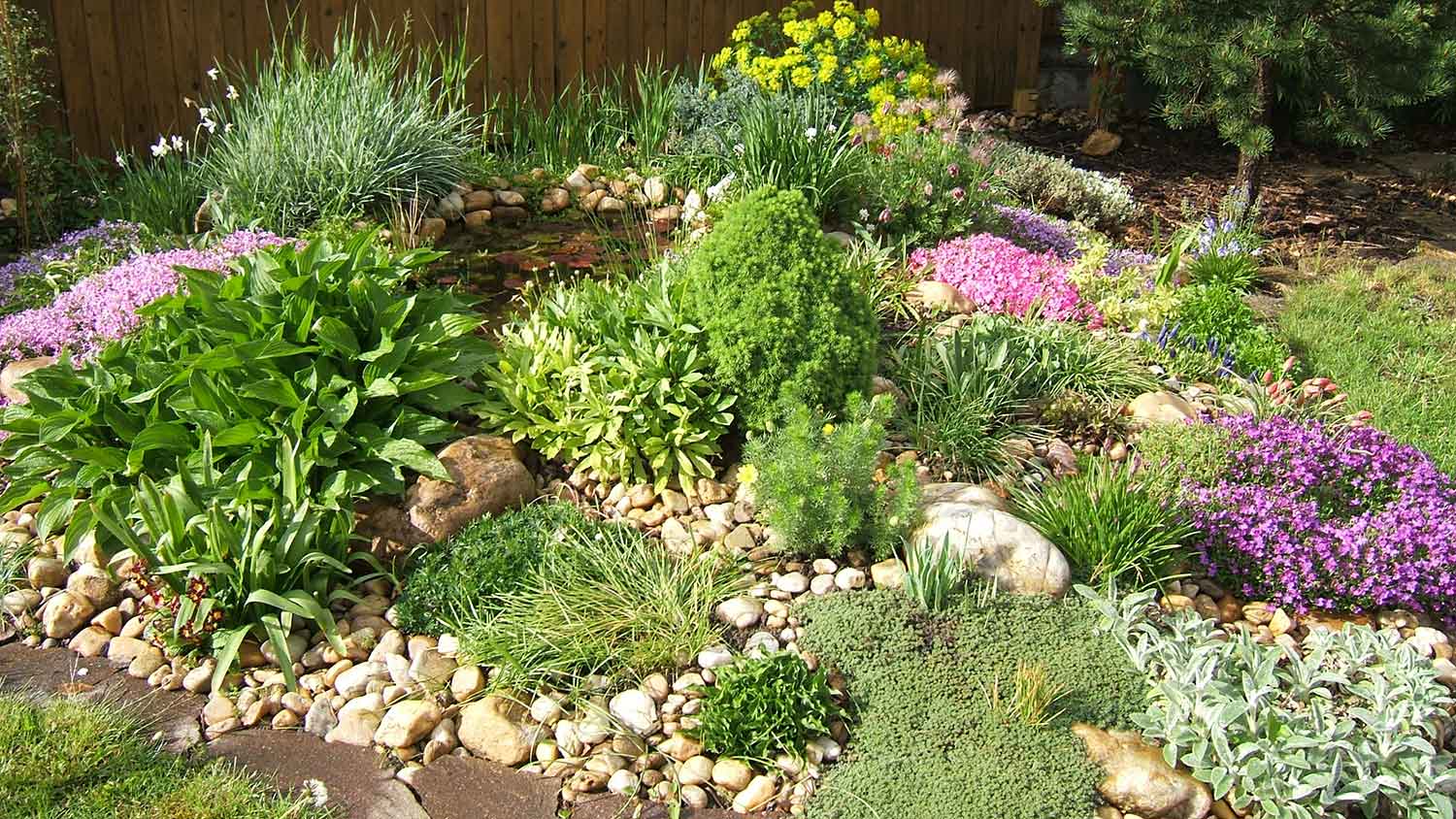
Rock gardens made with granite can bring a rugged charm to your garden that plants alone can’t achieve. Use different sizes and shapes of granite rocks to build layers and depth. Mix in drought-resistant plants like succulents or ornamental grasses for a low-maintenance, eye-catching display.
Think about how you want visitors to move through your garden. Placing granite clusters strategically can guide their path and create natural sitting spots. Have you tried combining smooth and rough granite textures? It adds an interesting contrast that keeps the garden visually engaging.
Building Retaining Walls
Granite rocks are perfect for building retaining walls that hold soil and prevent erosion. Their strength lets you stack them without worrying about wear over time. You can create straight lines for a clean, modern look or use irregular shapes for a more rustic feel.
Adding plants between the stones softens the wall’s hard edges and makes it blend into the landscape. Before you start, consider the wall’s height and drainage needs to ensure it stays stable and functional. Have you noticed how a well-built granite retaining wall can also become a striking garden feature?
Using Granite As Pathway Edging
Granite rocks make excellent edging for garden paths, helping to define walkways and keep soil or mulch in place. Choose rounded granite for a natural look or cut pieces for a sleek, uniform edge. The contrast between granite edges and greenery enhances your garden’s structure.
Using granite as edging also reduces maintenance by preventing grass from creeping onto paths. Think about the shape and size of your pathway when selecting granite pieces to create a cohesive design. How would a granite-edged path change the way you experience your garden daily?
Incorporating Granite Features
Granite rocks create strong, natural focal points in any garden space. Using them as borders, pathways, or accents adds texture and durability to landscaping. Their timeless look blends well with plants and other outdoor features.
Incorporating granite features into your landscaping can transform your outdoor space into a stunning and functional area. Granite is not only durable but also offers a timeless aesthetic that blends beautifully with nature. From creating soothing water features to designing cozy fire pits, granite adds a touch of elegance and longevity to your landscape. Let’s explore how you can enhance your garden with this remarkable material.Water Features With Granite
Granite water features can bring a sense of tranquility to your garden. Picture a cascading waterfall made of smooth granite rocks, providing a soothing soundtrack to your outdoor gatherings. Consider a granite birdbath or a small fountain to attract wildlife and add movement to your landscape. Granite’s natural texture and colors can mimic the look of a riverbed, creating a seamless integration with your garden’s natural elements. Imagine sitting by a granite pond, watching the reflections dance on the water’s surface, a perfect way to unwind after a long day.Granite Fire Pits And Seating
A granite fire pit can become the centerpiece of your outdoor entertaining area. Its heat-resistant properties make it perfect for containing a warm, inviting fire. Surround your fire pit with granite seating to create a cozy gathering spot for friends and family. Granite benches offer a sturdy and stylish seating solution that can weather the elements year-round. Think about the memories you can make roasting marshmallows or sharing stories around a granite fire pit. It’s an investment in both functionality and enjoyment.Decorative Granite Sculptures
Granite sculptures can add an artistic flair to your garden. Whether it’s a sleek modern piece or a traditional sculpture, granite offers a versatile medium for artistic expression. These sculptures can serve as focal points, drawing the eye and sparking conversation. Consider installing a custom granite sculpture that reflects your personal style or interests. Whether it’s abstract art or a representation of nature, a granite sculpture can elevate the aesthetic of your landscape. What story will your garden tell with a unique granite piece?
Credit: diylandscape.supply
Practical Tips For Installation
Installing granite rocks in your landscape can transform an ordinary yard into a stunning outdoor space. However, the success of this project depends on how well you prepare, arrange, and maintain the stones. Practical steps during installation make a big difference in the durability and appearance of your granite features.
Preparing The Landscape Area
Start by clearing the area of any debris, weeds, or loose soil. You want a solid, level base to prevent rocks from shifting over time. Compact the soil using a tamper or roller to create a firm foundation.
Consider adding a layer of landscape fabric to stop weeds from growing between the rocks. This step saves you from frequent maintenance later and keeps the area looking neat.
Arranging Rocks For Stability
Think about the size and shape of each rock when placing them. Position the largest stones at the bottom to anchor the arrangement securely.
Fit rocks closely together to minimize gaps. This not only improves stability but also reduces the risk of tripping hazards. If you want a retaining wall or stepped feature, use gravel or sand between the rocks to lock them in place.
Have you tried moving a heavy granite rock alone? It’s tough! Get help or use tools like a dolly or lever to avoid injury and keep the rocks intact.
Maintaining Granite Surfaces
Granite is durable but still benefits from regular care. Rinse the rocks with water to remove dirt and prevent moss buildup, which can make surfaces slippery.
Use a mild detergent and a soft brush for stubborn stains. Avoid harsh chemicals that can damage the stone’s natural finish.
Inspect your granite features periodically for signs of shifting or settling. Early detection means you can fix issues before they become costly repairs.
Combining Granite With Plants
Combining granite rocks with plants creates a stunning natural landscape. Granite’s solid, rough texture balances soft, lush greenery beautifully. This mix adds depth and interest to any garden or outdoor space.
Plants soften granite’s hard edges. They bring color and life to stone features. Thoughtful plant choices highlight granite’s unique patterns and colors.
Choosing Complementary Plants
Select plants that match granite’s color and texture. Succulents and cacti work well with granite’s rough surface. They need little water and thrive in rocky soil.
Ornamental grasses add lightness and movement near heavy granite boulders. Small shrubs with bright flowers create focal points against granite walls. Choose plants that grow well in your climate for best results.
Creating Contrast And Texture
Contrast enhances the beauty of granite and plants. Use smooth-leaved plants to contrast granite’s rough texture. Ferns or hostas offer soft, broad leaves that stand out.
Combine tall, thin plants with low, spreading ground cover. This mix adds layers and texture. Color contrast also works well. Dark green leaves pop next to light granite.
Seasonal Planting Ideas
- Spring: Plant tulips or daffodils near granite edges for bright bursts of color.
- Summer: Use flowering shrubs like lavender or rosemary for scent and beauty.
- Fall: Add ornamental kale or chrysanthemums to brighten granite areas.
- Winter: Evergreen plants keep the garden lively around granite rocks.
Seasonal plants keep your granite landscape fresh year-round. Change plants based on the season for ongoing interest.

Credit: www.hgtv.com
Credit: www.angi.com
Frequently Asked Questions
What Are The Benefits Of Using Granite Rocks In Landscaping?
Granite rocks add natural beauty, durability, and low maintenance to landscapes. They prevent soil erosion and improve drainage. Their unique colors and textures enhance garden aesthetics and create visual interest.
How Do You Choose Granite Rocks For Your Garden?
Select granite rocks based on size, shape, and color matching your landscape design. Consider the rock’s texture and durability for long-lasting appeal. Choose stones that complement surrounding plants and structures.
Can Granite Rocks Be Used For Garden Pathways?
Yes, granite rocks are ideal for garden pathways. They provide a stable, slip-resistant surface and withstand heavy foot traffic. Their natural look blends well with outdoor environments and requires minimal upkeep.
How To Maintain Granite Rocks In Landscaping?
Clean granite rocks periodically with water and mild soap to remove dirt. Avoid harsh chemicals that can damage the stone. Inspect for cracks or displacement and reposition rocks as needed to maintain structure.
Conclusion
Granite rocks add beauty and strength to any garden space. They fit well with plants, paths, and water features. Using granite helps control soil erosion and saves water. You can create a natural look that lasts many years. This stone blends easily with different styles and colors.
Small or large pieces both work great outdoors. Choose granite to make your landscaping simple and strong. It brings a fresh, clean feel to your yard. Try granite rocks and enjoy a charming, low-maintenance garden.
