

Are you wondering how to safely use an extension cord with surge protection? You might think it’s just about plugging in your devices, but there’s more to it.
Using the right extension cord can protect your valuable electronics from sudden power spikes that could cause damage or data loss. You’ll discover simple steps to choose and use surge-protected extension cords correctly. By the end, you’ll feel confident keeping your devices safe and your home organized.
Keep reading to learn how to protect what matters most with ease.

Credit: www.amazon.ca
Choosing The Right Extension Cord
Choose an extension cord with the correct lengthto reach your device safely. Avoid cords that are too short or too long. The gaugenumber tells how thick the wire is. Lower gauge means thicker wire, which can carry more power safely.
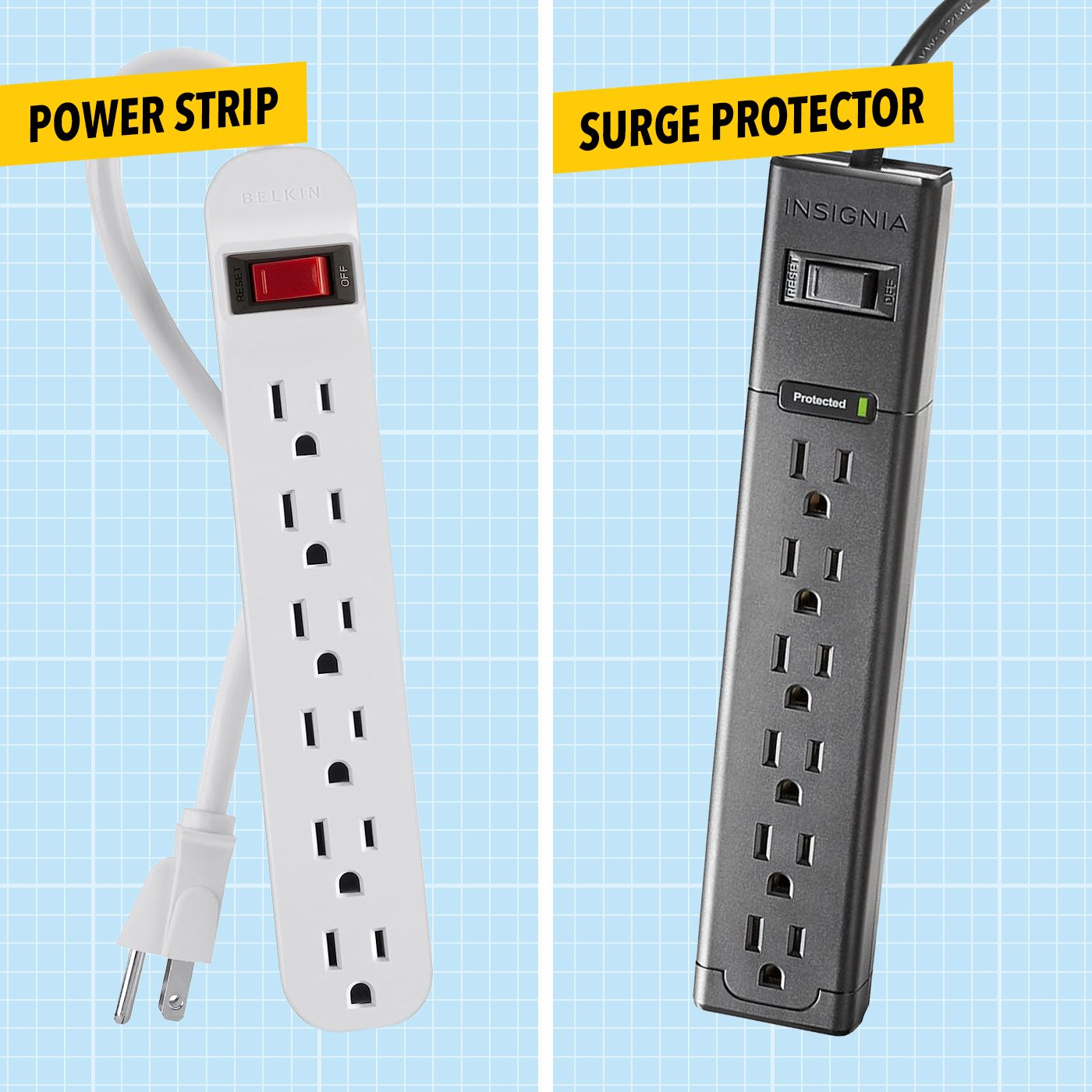
Look for cords with built-in surge protection. These cords help stop power spikes that can damage electronics. Check for labels or descriptions saying surge protectionor surge suppressor.
Match the cord’s power rating with your device’s needs. The cord should support the device’s voltageand current. Using a cord that is too weak can cause overheating or failure.
Setting Up For Safe Use
Do not plug too many devicesinto one outlet or extension cord. This can cause overloads and fires. Check the power ratings of your devices and keep the total below the cord’s limit.
Keep cords dry and away from water. Wet cords can cause electric shocksand damage the surge protector. Use cords in dry places only. If a cord gets wet, unplug it immediately and let it dry before use.
Make sure cords have good airflow. Avoid placing them under rugs or heavy furniture. This helps prevent overheating.
- Run cords along walls to avoid tripping.
- Use cord covers to protect and hide cords.
- Keep cords tight and organized to prevent tangling.
Using Surge Protection Effectively
Surge protectors have limits. They can’t stop all power surges. Large storms or electrical faults can be too strong. Always check the joule ratingon your surge protector. This tells you how much energy it can handle. A higher joule rating means better protection.
Most surge protectors have lights. These lights show if they’re working. A green light often means safe. A red or no light can mean danger. If the light is off, your surge protector might not work. Always check the lights before plugging in devices.
Surge protectors wear out over time. They can only handle so many surges. Replace them every few years or after a big surge. Check the expiry dateif it has one. Don’t wait for it to fail before getting a new one.

Credit: www.popularmechanics.com
Common Mistakes To Avoid
Daisy chaining extension cordscan cause serious electrical issues. It raises the risk of overheatingand fire hazards. Always use a single, long extension cord that matches your power needs.
Using damaged cordsis dangerous. Check for cuts, frays, or exposed wiresbefore use. Replace any cord that looks worn out or broken to keep safety intact.
Excessive heat buildup can happen if cords are coiled or covered. Make sure cords are laid out straightand in a cool, ventilated area. Avoid placing them under rugs or furniture.
Maintenance And Inspection Tips
Regular checks help keep extension cords safe. Look for cracks, cuts, or frayed wires. If any damage is found, do not use the cord. This helps avoid electrical shocks or fires.
Testing the surge protection is important. Use a surge protector tester or plug in a device. If the device works well, the protection is still active. Replace the cord if protection fails.
Store cords in a dry, cool place. Avoid bending or twisting them. Use a hook or coil the cord loosely to stop damage. This keeps the cord in good shapefor longer use.
Credit: www.familyhandyman.com
Frequently Asked Questions
What Is An Extension Cord With Surge Protection?
An extension cord with surge protection prevents voltage spikes from damaging connected devices. It combines power extension and surge suppression in one unit. This ensures safer use of electronics during electrical surges or lightning strikes.
How Do I Safely Use A Surge-protected Extension Cord?
Plug the extension cord into a properly grounded outlet. Avoid daisy-chaining multiple cords to prevent overheating. Use only for low to medium power devices as per the cord’s rating.
Can I Use Extension Cords With Surge Protection Outdoors?
Only use surge-protected extension cords rated for outdoor use. They must have weather-resistant insulation and plugs. Using indoor-only cords outdoors risks electric shock and damage.
How Do Surge-protected Extension Cords Differ From Regular Ones?
Surge-protected cords include built-in components to block voltage spikes. Regular cords only extend power without protection. This feature safeguards electronics from sudden electrical surges.
Conclusion
Using an extension cord with surge protection keeps your devices safe. Always check the cord’s rating and avoid overloading it. Place the cord where it won’t get wet or damaged. Keep cords untangled to prevent accidents. Surge protection helps stop damage from power spikes.
Choose a quality cord for better safety. Taking simple steps protects your electronics and home. Stay careful and use your extension cord wisely. Safety matters most with electrical tools.
