
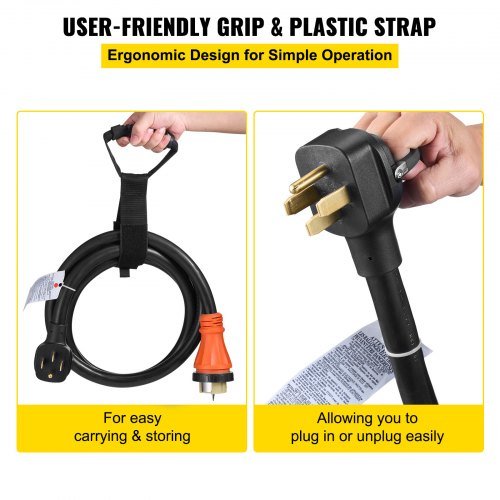
Are you planning to power your home or tools with a generator? Knowing how to use an extension cord for your generator can make all the difference in keeping things running smoothly and safely.
Using the wrong cord or plugging it in incorrectly can cause serious problems, from power loss to dangerous electrical hazards. You’ll discover simple steps and expert tips to choose and use the right extension cord with your generator. Keep reading to protect your equipment and ensure your power setup works exactly when you need it.
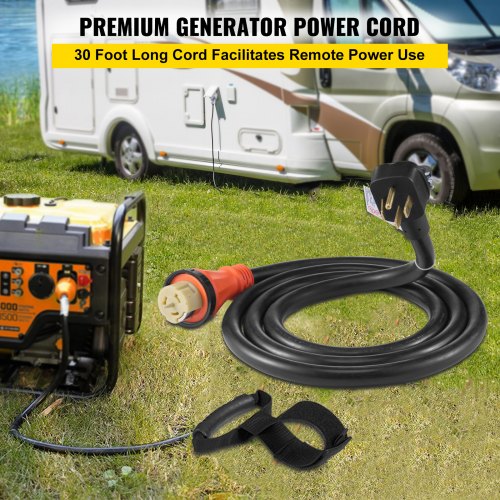
Credit: www.vevor.com
Choosing The Right Extension Cord
Check the cord gauge and lengthto ensure safe power delivery. A lower gauge number means a thicker cord, which can handle more electricity. Longer cords need thicker wires to avoid power loss. Using a cord that is too thin or too long can cause overheating or damage.
Select outdoor-rated cordswith durable insulation. Outdoor cords resist water, sunlight, and rough use. This keeps the cord safe and working well in all weather conditions.
Match the cord capacity to the generator output. The cord must handle the generator’s power without overheating. Check the generator’s wattage and choose a cord with equal or higher capacity.
| Generator Output (Watts) | Recommended Cord Gauge | Maximum Length |
|---|---|---|
| Up to 1500W | 16 gauge | 50 feet |
| 1501W to 3000W | 14 gauge | 50 feet |
| 3001W to 5000W | 12 gauge | 100 feet |
| Over 5000W | 10 gauge | 100 feet |
Preparing The Generator Setup
Place the generatoron a flat, dry surface. Keep it away from doorsand windows to avoid fumes inside your home.
Never use the generatorin wet or damp places. Water can cause electric shocksor damage the generator.
Make sure the generator is properly grounded. This prevents electric shocksand protects your devices.
Connecting Extension Cords Correctly
Ensure extension cords are rated for the generator’s power output to avoid overload. Connect cords securely, avoiding loose plugs and damaged wires for safe operation. Use outdoor-rated cords and keep connections dry to prevent electrical hazards.
Turn Off Generator Before Connecting
Ensure the generator is turned off before connecting any extension cords. This ensures safety and prevents electrical shocks. Children should stay away during this process. Always use cords that are in good condition. Damaged cords can be dangerous.Secure Cord Connections
Securely plug the extension cord into the generator. Check that the connection is tight and not loose. Loose connections can cause sparks. Keep the cords away from water and wet areas. Water and electricity don’t mix well.Avoid Overloading Circuits
Be cautious not to overload circuits. Only plug in devices that the generator can handle. Check the generator’s power rating. Overloading can cause fires or damage devices. Always use a surge protector for extra safety. `
Credit: drlawrencescott.com
Operating Tips For Safety And Efficiency
Always inspect extension cordsfor cuts, cracks, or damage before use. Damaged cords can cause electric shocks or fires. Replace any cord that looks worn out. Keep cords untangledto avoid tripping hazards and damage. Elevate cords off the ground to protect them from water and dirt. This helps keep the cords dry and safe.
Use surge protectorsto protect your devices from power spikes. Surge protectors help prevent damageto sensitive electronics connected to the generator. Do not overload cords or outlets. Always check the cord’s power rating to match your generator’s output.
Common Mistakes To Avoid
Using indoor extension cordsoutside can be dangerous. These cords are not made to handle weather conditionslike rain or sun. They can short circuitor cause electric shocks. Always choose cords labeled for outdoor useto stay safe.
Exceeding the cord capacityis a common mistake. Each cord has a maximum wattageit can carry. Using too many devices or a high-power tool can overheatthe cord. This can lead to firesor damage to the generator.
Ignoring the manufacturer’s guidelinescauses many problems. Each generator and cord come with instructionson how to use them properly. Not following these rules can void warranties and risk your safety.

Credit: www.youtube.com
Frequently Asked Questions
What Gauge Extension Cord Is Best For A Generator?
Use a heavy-duty extension cord with 12 or 10 gauge wire. Thicker wires carry more power safely. Choose the length wisely to avoid voltage drop and overheating.
How Do I Safely Connect An Extension Cord To A Generator?
Turn off the generator before connecting cords. Use cords rated for outdoor use with proper grounding. Avoid overloading the cord and keep connections dry and secure.
Can I Use Any Extension Cord With My Generator?
No, only use cords rated for the generator’s power output. Avoid thin or damaged cords. Using the wrong cord risks fire and equipment damage.
How Long Can An Extension Cord Be For Generator Use?
Keep cords as short as possible, ideally under 50 feet. Longer cords cause voltage drops, reducing efficiency and risking damage to appliances.
Conclusion
Using an extension cord with a generator can keep your power safe and steady. Choose the right cord with enough length and thickness. Always check the cord for damage before use. Keep cords away from water and sharp edges. Plug devices directly into the cord, not the generator.
This helps avoid overload and fire risk. Follow these simple steps for safe and effective power use. Stay prepared and keep your home powered when needed. Safety first, always.
