
Are you tired of struggling with your farm tools because they can’t reach the power source? Using an extension cord might seem simple, but if you don’t use it the right way, it can cause frustration, damage your tools, or even create safety hazards.
You’ll learn exactly how to choose and use extension cords to keep your farm tools running smoothly and safely. Stick with me, and you’ll save time, protect your equipment, and work more efficiently on your farm. Let’s get started!
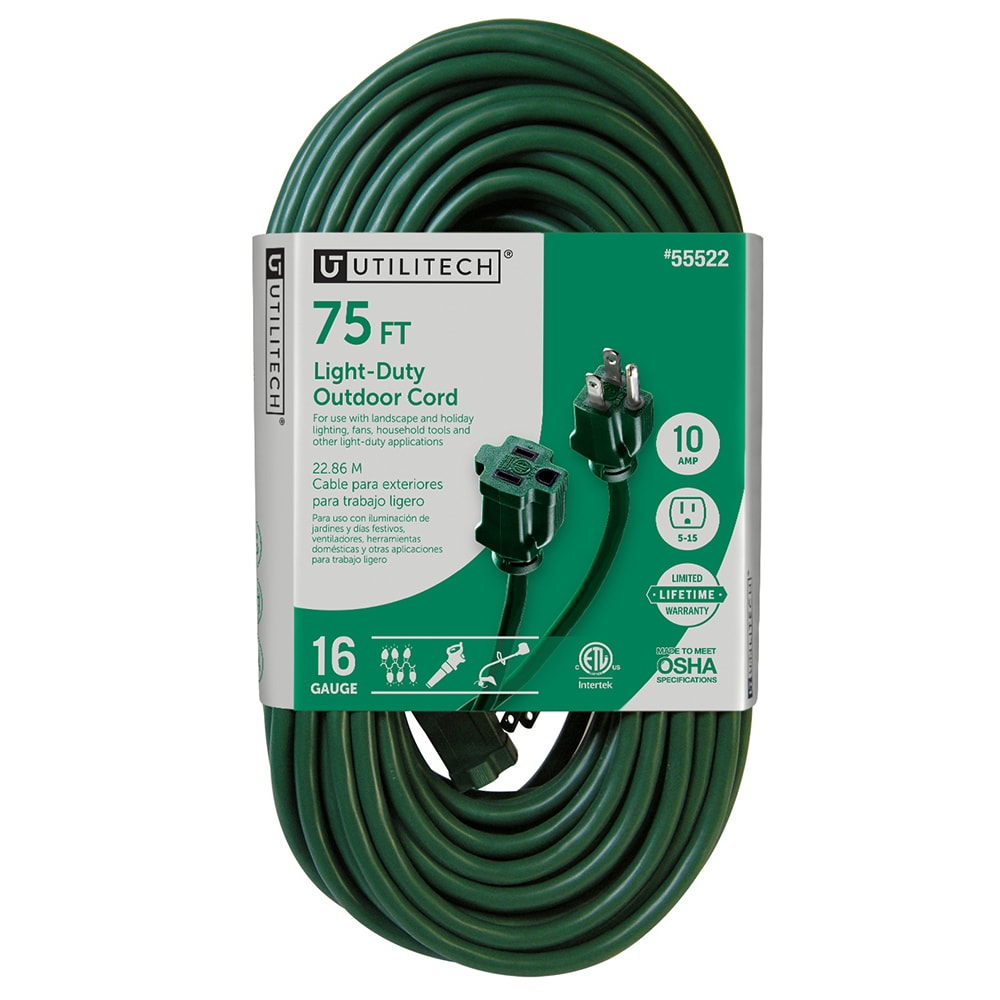
Credit: www.lowes.com
Choosing The Right Extension Cord
Choosing the right extension cordhelps farm tools work safely and well. The gaugeof the cord shows its thickness. A lower gauge means a thicker wire that carries more power. The lengthmatters too; longer cords need thicker wires to avoid power loss.
Use cords labeled outdoor-rated. They resist water, dirt, and sun. This makes them safe for farm use. Indoor cords can break or cause shocks outside.
Match the cord to the tool’s power needs. Check the tool’s watt or amp rating. Choose a cord that can handle that power. This stops overheating and sparks.
| Tool Power (Amps) | Recommended Cord Gauge | Maximum Length |
|---|---|---|
| 0 – 6 | 16 | 50 feet |
| 6 – 10 | 14 | 50 feet |
| 10 – 12 | 12 | 50 feet |
| 12 – 16 | 10 | 50 feet |
Preparing Extension Cords For Farm Use
Check extension cords carefully before use. Look for cuts, frays, or exposed wires. Replace cords that show any damage. Using damaged cords can cause electric shocksor fires.
Store cords in a dry, cool place. Avoid tight coils to stop kinksand breaks. Use hooks or reels to keep them neat and untangled.
Keep cords away from water and moisture. Wet cords can lead to short circuitsand electrical hazards. Use covers or raise cords off the ground during wet weather.
Safe Connection Practices
Always plug extension cords firmlyinto outlets. Loose connections can cause sparks and fires. Make sure plugs fit tightly and do not wobble.
Use Ground Fault Circuit Interrupters (GFCIs)to protect against electric shocks. GFCIs cut power quickly if there is a fault. They are essential near wet farm areas.
Avoid overloading circuitsby checking the power rating of your tools and cords. Too many devices on one cord can cause overheating and damage.
- Check the amp rating on each tool and extension cord.
- Do not exceed the lowest amp rating on the circuit.
- Use separate cords for high-power tools.
- Inspect cords for damage before use.

Credit: www.youtube.com
Managing Extension Cords On The Farm
Keep extension cords dry and away from sharp objects to prevent damage. Use cords rated for outdoor use and avoid overloading them. Secure cords to avoid tripping and ensure tools receive steady power.
Preventing Tripping Hazards
Keep cords tidy to avoid tripping. Use cable ties for neatness. Place cords along walls. This helps keep paths clear. Make sure cords are visible. Bright colors work best. Check cords for damage regularly. Replace worn cords to stay safe.
Keeping Cords Away From Machinery
Keep cords away from moving machines. Machines can cut cords easily. Use hooks to hang cords up high. This keeps them safe. Always unplug cords when not in use. This prevents accidents. Watch for sharp edges near cords. Protect cords from damage.
Using Cord Protectors And Covers
Use cord protectors to shield cords. Covers keep cords safe from weather. Rain can damage cords. Choose waterproof covers for outdoors. Protectors also prevent wear and tear. Place covers on walkways and driveways. This keeps cords safe from vehicles. Check covers often for wear.
Maintenance And Troubleshooting
Regular checks keep extension cords safe and working well. Look for cracks, cuts, or worn spots on the cord. Check plugs for bent or broken prongs. Clean dirt and debris from the cord and plugs to stop damage.
Fix small damage right away. Use electrical tape to cover tiny cuts. Replace plugs if they are loose or broken. Do not use cords with large damage or exposed wires.
Replace extension cords if you find:
- Frayed or cracked insulation
- Exposed wires
- Damaged or missing plugs
- Cord overheating or melting
- Frequent power interruptions
Using a damaged cord can cause shocks or fires. Always choose a new cord for safety and good tool performance.

Credit: www.amazon.com
Safety Tips For Specific Farm Tools
Power tools need heavy-duty extension cordswith proper insulation. Avoid using cords with cuts or damages. Always keep cords away from water and sharp edges.
Irrigation equipment requires cords that can handle outdoor conditions. Use cords rated for wet locationsand make sure plugs are dry before use. Secure cords to prevent tripping hazards.
Outdoor lighting must be connected with cords that have weather-resistantcoatings. Check that the cord length fits without stretching. Turn off power before plugging or unplugging lights.
Frequently Asked Questions
What Extension Cord Length Is Best For Farm Tools?
Choose an extension cord long enough to reach your tools safely. Avoid using cords that are too short or excessively long to prevent power loss and hazards.
Can I Use Indoor Extension Cords On The Farm?
No, indoor extension cords lack durability and weather resistance. Use outdoor-rated cords designed for farm environments to ensure safety and reliability.
How Do I Prevent Extension Cord Damage On Farms?
Keep cords off the ground, avoid sharp bends, and protect them from moisture. Regularly inspect for wear and replace damaged cords promptly to maintain safety.
What Gauge Extension Cord Suits Heavy Farm Tools?
Use a lower gauge number for heavy tools, such as 12 or 10 gauge. Thicker cords handle higher current without overheating, ensuring safe operation.
Conclusion
Using an extension cord for farm tools can make work easier and faster. Choose the right cord to match your tool’s power needs. Always check for damage before use to stay safe. Keep cords away from water and sharp objects.
Store cords properly to avoid wear and tear. Following these tips helps you use extension cords safely and effectively. This way, your farm tools work better, and you avoid accidents. Simple steps lead to better results on the farm.
