
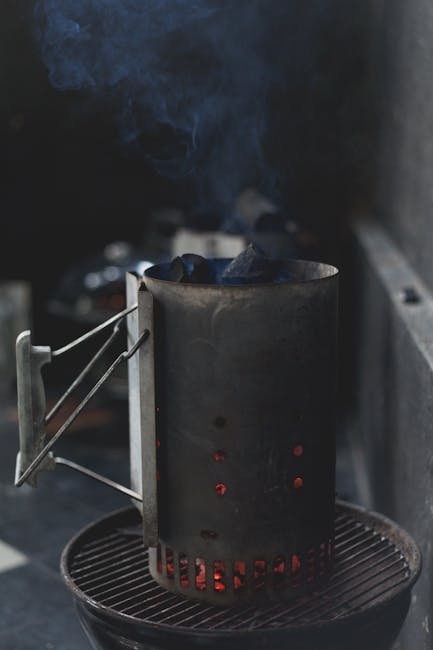
If you love grilling, you know that getting your charcoal just right can be tricky. You want hot, even coals quickly, without the hassle of lighter fluid or waiting forever.
That’s where a charcoal chimney starter comes in. It’s a simple tool that can change the way you start your grill, making your cooking faster, cleaner, and safer. You’ll learn exactly how to use a charcoal chimney starter step-by-step. By the end, you’ll be ready to fire up your grill like a pro and enjoy better BBQ every time.
Keep reading to discover the easy secret to perfect charcoal every time.
Choosing The Right Chimney Starter
Choosing the right charcoal chimney starter can make a big difference in how quickly and safely you get your grill going. Not all chimney starters are created equal, so understanding what to look for helps you avoid frustration and get the best grilling experience. Let’s break down the key factors that matter most when picking your next chimney starter.
Materials And Sizes
Most chimney starters are made from either stainless steel or galvanized steel. Stainless steel lasts longer and resists rust, but it usually costs more. If you grill often, investing in stainless steel pays off over time.
Size is another big factor. Chimney starters come in various diameters and heights, which affects how many briquettes they can hold. Think about how much charcoal you usually use and pick a size that matches your typical grilling needs.
- Small starters (about 6 inches diameter) are great for quick meals or small grills.
- Medium starters (around 8 inches diameter) suit most family barbecues.
- Larger starters (10 inches or more) work best if you’re feeding a crowd or using a big grill.
I once bought a small chimney starter thinking it would be enough, but ended up having to light two batches. It was a hassle and wasted time. Don’t let size hold you back from a smooth grilling session.
Safety Features To Look For
Safety should never be an afterthought with chimney starters. Look for features that protect your hands and keep the heat away. A heat-resistant handle is a must-have—it gives you a firm grip without burning your skin.
Some chimney starters come with an additional heat shield or a double handle design. These make it easier to pour hot coals safely. If you’ve ever struggled to dump burning charcoal without spilling, you’ll appreciate these small but important details.
- Insulated handles reduce heat transfer and prevent burns.
- Heat shields protect your hand from rising heat.
- Stable bases prevent tipping, especially on uneven surfaces.
Have you ever experienced the frustration of accidentally tipping a chimney starter? Choosing one with a wide, sturdy base can save you from dangerous spills. Think about where you’ll use your starter and pick safety features that fit your setup.
Preparing Your Charcoal
Preparing your charcoal correctly sets the foundation for a successful grilling session. It affects how quickly your fire starts and how evenly your food cooks. Taking a few extra moments here can save you time and frustration later.
Selecting The Best Charcoal
Not all charcoal is created equal. Choose lump charcoal for a natural, quick-lighting option that burns hotter and cleaner. If you prefer uniform heat and longer burn times, briquettes are a reliable choice.
Look for charcoal that is free from dust and broken pieces. Dust can clog your chimney starter and slow airflow, making lighting harder. Also, consider the size; larger chunks tend to last longer, while smaller pieces ignite faster.
Have you noticed how some brands produce less ash? Less ash means better airflow and easier maintenance of your fire. Experiment with different brands to find one that suits your cooking style.
Arranging Charcoal For Optimal Lighting
How you load your charcoal into the chimney starter impacts how well it lights. Start by filling the chimney about three-quarters full for most grilling needs. This amount balances airflow with fuel for a strong, even fire.
Avoid packing the charcoal too tightly. Leave some gaps to allow air to flow freely, feeding the flames. If air can’t circulate, your charcoal will smolder instead of ignite properly.
Place crumpled newspaper or natural fire starters under the chimney’s grate. This helps ignite the charcoal quickly without chemical smells. You’ll notice your fire comes alive faster and cleaner this way.
Lighting Techniques
Lighting charcoal in a chimney starter is simple with the right technique. The goal is to create a strong flame that quickly ignites the charcoal. Good lighting methods save time and reduce smoke. Use materials that burn fast and place them properly for the best results. Here are effective ways to light your charcoal chimney starter.
Using Newspaper Or Fire Starters
Newspaper is a common choice to start your fire. Crumple a few sheets loosely. This allows air to flow and helps the fire spread. Alternatively, use commercial fire starters. They burn evenly and produce steady heat. Avoid using glossy or colored paper. It can produce harmful fumes. Place the newspaper or fire starter under the chimney’s bottom.
Proper Placement Of Fire Starters
Place the fire starters directly under the chimney’s vent holes. This spot lets air flow freely and feeds the fire with oxygen. Ensure the paper or fire starter touches the chimney base. This contact helps ignite the charcoal above. Avoid packing the fire starters too tightly. Leave space for air to move. A good airflow makes the fire burn stronger and faster.
Credit: www.familyhandyman.com
Monitoring The Burn
Keep a close eye on the charcoal as it heats up in the chimney starter. Watch for gray ash forming on the coals, signaling they are ready to use. Avoid opening the chimney too soon to maintain proper airflow and consistent heat.
Monitoring the burn is crucial for effective grilling. A charcoal chimney starter helps achieve this. Watch the coals closely. This ensures they’re ready for cooking.Signs Charcoal Is Ready
Charcoal emits a light grey ash when ready. Flames should subside, leaving glowing embers. Heat should be consistent and even. Hold your hand above it; feel the warmth. This indicates the ideal temperature for grilling.Avoiding Common Lighting Mistakes
Avoid using lighter fluid. It affects flavor. Ensure proper airflow. Blocked vents can smother the fire. Don’t overload the chimney. Too much charcoal delays ignition. Give enough time for the coals to ignite fully. Patience is key for perfect grilling.Transferring Charcoal To The Grill
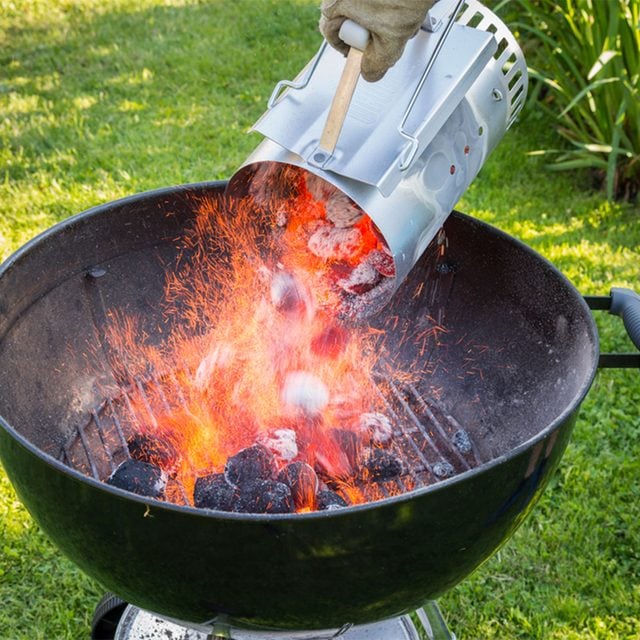
Transferring charcoal from the chimney starter to the grill is a crucial step. It sets the stage for a perfect cookout. Handling hot charcoal requires care and attention to avoid accidents. Proper placement of the charcoal ensures even cooking and better heat control.
Safe Handling Tips
- Wear heat-resistant gloves to protect your hands.
- Hold the chimney starter firmly by the handle.
- Keep children and pets away from the grill area.
- Place the chimney on a stable surface before lifting.
- Avoid sudden movements to prevent hot charcoal spills.
Arranging Charcoal For Even Heat
Pour the hot charcoal evenly across the grill’s charcoal grate. Avoid piling them in one spot to prevent hot zones. Spread the coals in a single layer for consistent heat.
For two-zone cooking, arrange coals on one side. Leave the other side free for indirect heat. This setup allows better temperature control for different foods.
Cleaning And Maintenance
Cleaning and maintaining your charcoal chimney starter keeps it working well for many uses. Regular care stops buildup and makes lighting charcoal easier. Simple steps help you keep your chimney safe and ready for grilling.
Removing Ash And Residue
After each use, wait for the chimney to cool completely. Empty the ash and leftover charcoal into a metal container. Use a brush with stiff bristles to remove stuck residue inside the chimney. Avoid using water, as it can cause rust. A clean chimney improves airflow and lighting speed.
Storing Your Chimney Starter
Store your chimney starter in a dry place to avoid rust. Keep it off the ground to prevent moisture damage. Hang it or place it on a shelf if possible. Covering it with a cloth or plastic bag helps keep dust away. Proper storage extends the life of your chimney starter.
Troubleshooting Fire Issues
Using a charcoal chimney starter can simplify lighting your grill. Sometimes, fire issues arise that slow down the process or make it frustrating. Troubleshooting these problems helps get the fire going fast and steady. Focus on common problems like slow ignition and weather effects. Fixing these ensures a better grilling experience every time.
Dealing With Slow Ignition
Slow ignition often happens when airflow is limited or damp charcoal is used. Make sure the chimney starter is clean and has open holes at the bottom. Use dry charcoal for quicker burning. Avoid packing the charcoal too tightly inside the chimney. Light the newspaper or starter cubes well under the chimney to create strong heat at the base.
If the fire still starts slowly, try these tips:
- Use more starter material like crumpled newspaper or natural fire starters.
- Check if the chimney is rusted or clogged and clean it if needed.
- Allow more oxygen by lifting the chimney slightly during the first few minutes.
Managing Wind And Weather
Wind and weather affect how fast charcoal lights in the chimney. Strong wind can blow out flames or cool the charcoal. Rain or humidity slows ignition by adding moisture to the coals. To manage these conditions, place the chimney in a sheltered spot. Shield it from direct wind using your body or a nearby barrier.
Here are some simple ways to handle weather issues:
- Use a windbreak like a grill cover or a board to block gusts.
- Keep charcoal dry by storing it in a sealed container before use.
- Light the chimney indoors or in a garage before moving it outside.
Credit: www.youtube.com

Credit: m.youtube.com
Frequently Asked Questions
What Is A Charcoal Chimney Starter?
A charcoal chimney starter is a metal cylinder used to ignite charcoal quickly. It eliminates the need for lighter fluid. It helps evenly light coals for better grilling results. It’s safe, efficient, and eco-friendly.
How Long Does Charcoal Chimney Starter Take?
Charcoal chimney starters typically take 15-20 minutes to fully ignite charcoal. The time depends on airflow and charcoal type. When coals are covered in gray ash, they are ready for grilling.
Can I Use Newspaper In A Chimney Starter?
Yes, crumpled newspaper is commonly used as a fire starter beneath the chimney. It ignites easily and produces enough heat to light the charcoal. Avoid glossy or colored paper to prevent harmful fumes.
How Much Charcoal Should I Use In The Chimney?
Fill the chimney starter about two-thirds full for optimal airflow and heat. Overfilling can restrict oxygen and slow ignition. The amount depends on your grill size and cooking needs.
Conclusion
Using a charcoal chimney starter makes lighting charcoal quick and easy. It helps you avoid lighter fluid and extra smells. Just fill it with charcoal, place some newspaper below, and light it. Wait a few minutes until the coals turn gray and hot.
Then, pour the coals into your grill safely. This tool saves time and gives better heat for cooking. Try it for your next barbecue and enjoy a cleaner, faster start. Simple steps lead to great grilling every time.

