
Keeping your garden healthy often means using chemicals like fertilizers, pesticides, or herbicides. But have you ever stopped to think about how dangerous these can be if your kids get hold of them?
Your children’s safety is priceless, and storing garden chemicals properly is one of the simplest ways to protect them. You’ll discover easy, effective tips to keep these substances far away from curious little hands. By the end, you’ll feel confident that your garden stays green and your home stays safe.
Keep reading—your kids’ safety depends on it.

Credit: www.netmums.com
Risks Of Garden Chemicals
Garden chemicals can pose serious risks if not stored carefully, especially in homes with children. These substances often look harmless but contain toxic ingredients that can cause severe harm. Understanding the risks is essential to keep your loved ones safe and your garden thriving.
Common Household Chemicals
Many garden products contain chemicals that are found in everyday household items. These include:
- Fertilizers:Often rich in nitrogen and phosphorus, which can be toxic if ingested.
- Pesticides and Herbicides:Designed to kill pests and weeds, these contain poisons harmful to humans.
- Insecticides:Can cause skin irritation and respiratory problems upon contact or inhalation.
- Rodenticides:Used to control rodents, these are extremely dangerous if swallowed by children or pets.
Some of these chemicals may even look like colorful powders or liquids, making them more attractive to curious children.
Dangers To Children
Children are naturally curious and tend to explore their environment by touching and tasting. This makes them particularly vulnerable to poisoning from garden chemicals.
Even small amounts of these substances can cause:
- Nausea, vomiting, and stomach pain
- Breathing difficulties
- Severe allergic reactions
- Long-term health issues, including damage to organs
Think about how easily a child might find a bottle stored in an unlocked shed or low cabinet. Have you ever considered what might happen if your child gets hold of a container you thought was safe? Storing these chemicals out of reach and in locked places is not just smart—it’s necessary.
Choosing Safe Storage Spots
Choosing the right spot to store garden chemicals is vital for child safety. Chemicals must be out of reach and hard to access. This prevents accidents and keeps your family safe.
Safe storage means picking places that children cannot reach or open. It also means avoiding spots where you or your children often go. Secure, high, and locked places work best. These keep chemicals hidden and protected from curious hands.
High And Locked Cabinets
Store garden chemicals in cabinets placed high on the wall. Cabinets should have locks or child-proof latches. This keeps chemicals out of kids’ reach and sight. Metal or sturdy plastic cabinets offer extra protection. Always keep the cabinet locked after use.
Label the cabinet clearly to avoid confusion. This helps adults know what is inside without opening it unnecessarily. Keep the key in a separate, secure place known only to adults.
Avoiding Common Areas
Do not store chemicals in kitchens, living rooms, or playrooms. These areas are where children spend most of their time. Avoid garages or sheds that children can enter easily. Chemicals stored in common areas increase the risk of accidental poisoning.
Choose storage spots away from windows and doors. Chemicals left near entrances may be knocked over or accessed by children. Designate a special area that only adults can enter and use. This reduces the risk of harm and keeps your home safer.
Proper Container Use
Store garden chemicals in locked containers out of children’s reach. Use original bottles with clear labels to avoid confusion. Keep them in a cool, dry place away from play areas.
Proper container use is crucial when storing garden chemicals, especially to keep them out of the reach of children. Ensuring these substances are housed in the right containers not only maintains their effectiveness but also enhances safety. Let’s dive into how you can make your storage practices more secure and effective.Sealed And Childproof Containers
When choosing containers for garden chemicals, opt for those that are both sealed and childproof. A securely sealed container prevents leaks and spills that could be hazardous. Childproof features add an extra layer of protection, making it difficult for curious little hands to open. Consider my experience: I once stored pesticides in a regular container, thinking it was out of reach. However, my toddler managed to get hold of it. After that scare, I switched to containers with locking lids designed specifically to prevent accidents. It’s a small step that can make a big difference in safety.Labeling And Identification
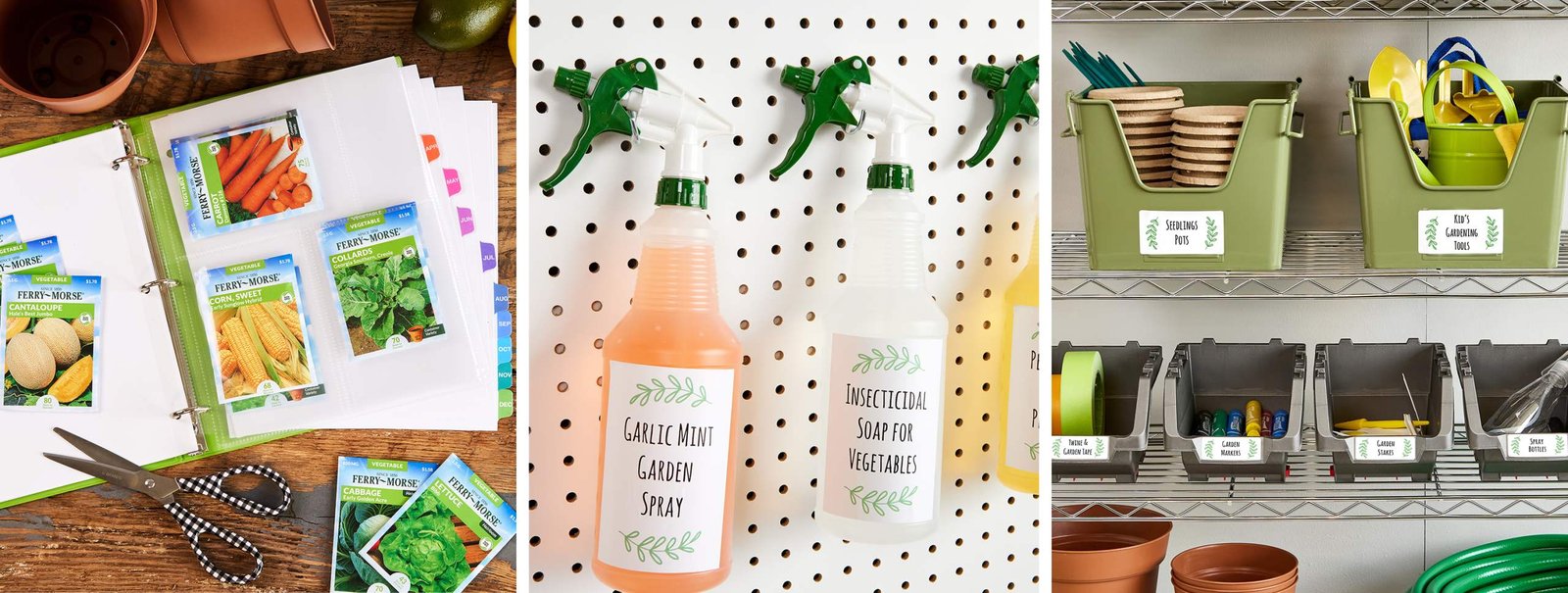
Proper labeling is another vital aspect of storing garden chemicals. Always ensure that each container is clearly labeled with the contents and any hazard warnings. This not only helps in safe handling but also in emergencies when quick information is needed. Imagine a scenario where a spill occurs—having clear labels allows you to act swiftly, whether it’s cleaning up or contacting emergency services. Plus, consider color-coded labels for different types of chemicals. It might seem like extra work, but it simplifies identification at a glance, especially if you have a variety of substances stored. How do you ensure that your labels remain legible over time? Regularly check them for wear and tear. Replace any that are fading or peeling to maintain clarity. This proactive approach can prevent misunderstandings and mishaps.
Credit: www.yates.com.au
Organizing Chemicals Efficiently
Keeping garden chemicals organized is key to preventing accidents and protecting your family, especially kids. Efficient organization not only reduces clutter but also makes it easier to find what you need quickly. Have you ever opened a cluttered shed and felt overwhelmed? Taking control of your chemical storage can change that experience entirely.
Separate From Food And Tools
Never store garden chemicals near your food or kitchen items. Chemicals can leak or spill, contaminating anything nearby. Keep them in a completely different area to avoid any accidental mix-ups.
Tools and chemicals don’t mix well either. Sharp tools can damage chemical containers, causing dangerous leaks. Designate a separate shelf or cabinet just for chemicals to keep everything safe and organized.
Using Storage Racks Or Boxes
Storage racks or sturdy plastic boxes work great for organizing chemicals. Clear, labeled containers help you identify contents quickly without opening them. This simple step can save time and prevent mistakes.
- Choose racks with raised edges to catch spills.
- Use boxes that lock or seal tightly to keep children out.
- Arrange chemicals by type or usage for faster access.
I once organized my garden chemicals into color-coded boxes. It made a huge difference during busy gardening days. You might find that a little order helps you work smarter and safer.
Additional Safety Measures
Storing garden chemicals safely is more than just locking them away. Taking additional safety measures can protect your children and give you peace of mind. These steps go beyond storage—they involve education and readiness for emergencies.
Educating Children About Hazards
Teaching your children about the dangers of garden chemicals is essential. Use simple language to explain why these substances are harmful and why they should never touch or taste them.
Make it a conversation, not a lecture. Ask questions like, “What do you think might happen if you touch this?” This encourages them to think critically and understand the risks.
Show them warning labels and explain the symbols. Familiarity with these signs helps children recognize danger even when you’re not around.
Emergency Preparedness
Prepare for unexpected accidents by having an emergency plan in place. Keep the number for poison control and your local emergency services easily accessible.
Create a small emergency kit near your garden storage area. Include activated charcoal, gloves, and a basic first aid kit.
Practice quick response drills with your family. Knowing what to do can reduce panic and improve your ability to act swiftly if exposure happens.
Credit: timesofindia.indiatimes.com
Frequently Asked Questions
How Can I Safely Store Garden Chemicals From Children?
Store garden chemicals in locked cabinets or high shelves out of children’s reach. Use original containers with labels intact. Avoid storing chemicals in areas accessible to kids, such as playrooms or kitchens. Always inform household members about the storage locations to prevent accidents.
What Are The Best Containers For Garden Chemical Storage?
Use original, clearly labeled containers designed for chemical storage. Avoid repurposing food or drink containers to prevent confusion. Ensure containers are sealed tightly to avoid leaks. Durable, child-resistant containers provide extra safety when storing garden chemicals.
Why Is Proper Storage Of Garden Chemicals Important?
Proper storage prevents accidental poisoning and environmental contamination. It keeps children safe from harmful exposure. Correct storage also maintains chemical effectiveness and prevents spills. This practice reduces health risks and complies with safety regulations.
Where Should I Avoid Storing Garden Chemicals?
Avoid storing chemicals in kitchens, living areas, or near food. Do not keep them in unlocked cabinets or low shelves accessible to children. Avoid damp or hot places that can degrade chemicals or cause leaks. Select dry, cool, and secure areas for storage.
Conclusion
Storing garden chemicals safely keeps children out of harm’s way. Always choose locked cabinets or high shelves. Keep products in their original containers with clear labels. Avoid mixing chemicals or leaving them open. Regularly check storage areas for spills or leaks.
Teach children that these items are not toys. Safe storage helps protect your family and home. Small steps make a big difference in safety. Stay careful and keep your garden healthy and secure.
