
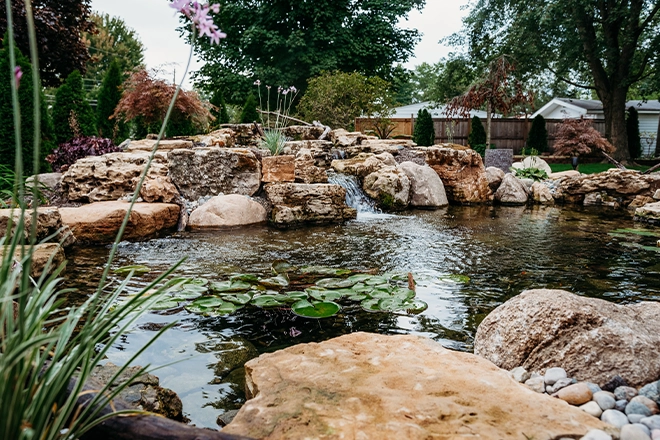
Imagine stepping into your backyard and being greeted by the calming sight of colorful koi swimming gracefully in clear water. Setting up a koi pond might sound complicated, but with the right steps, you can create a beautiful, peaceful oasis right outside your door.
In this guide, you’ll discover how to design, build, and maintain your own koi pond easily. By the end, you’ll have everything you need to transform your space into a relaxing retreat that you—and your koi—will love. Ready to get started?
Let’s dive in!
Credit: www.poposoapsolar.com
Choosing The Right Location
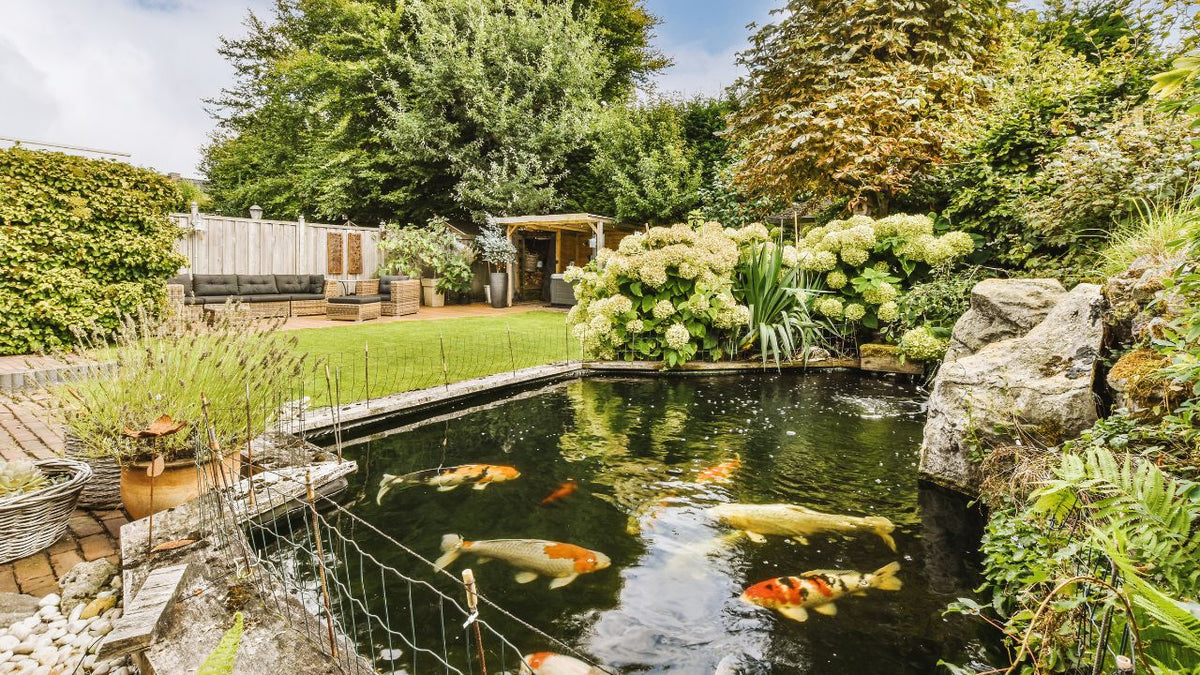
Choosing the right location is key to a healthy and beautiful koi pond. The spot affects water quality, fish health, and ease of care. Consider sunlight, nearby plants, and how easy it is to reach for cleaning and feeding. A well-chosen place helps your pond thrive with less effort.
Sunlight And Shade Balance
Koi need some sunlight but not too much. Sunlight warms the water and helps plants grow. Too much sun causes algae to bloom fast. Shade cools the water and reduces algae growth. Aim for a mix of sun and shade, about 4 to 6 hours of sunlight daily. Partial shade during hot afternoons is ideal.
Proximity To Trees And Structures
Avoid placing your pond too close to trees. Leaves and branches can fall in and dirty the water. Tree roots may damage the pond’s liner or plumbing. Nearby buildings or walls can block sunlight or wind. Choose a spot clear of large roots and with space around it. This keeps water cleaner and protects your pond.
Accessibility For Maintenance
Easy access makes pond care simple and quick. Place the pond near your house or a garden path. This helps with feeding, cleaning filters, and checking fish health. Make sure there is room to walk around the pond. Good access reduces the chance of accidents and keeps maintenance stress low.
Credit: clearpond.com.au
Designing Your Koi Pond
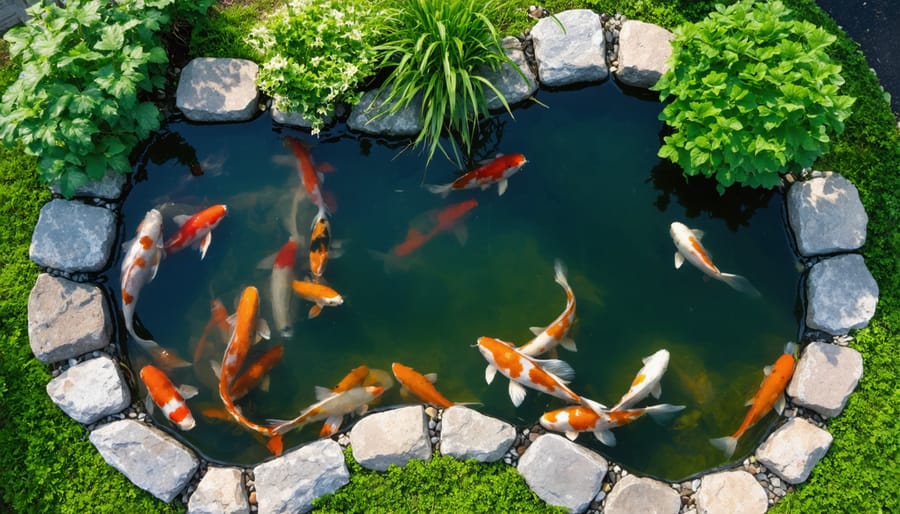
Designing your koi pond is an exciting part of the process that sets the stage for a thriving aquatic environment. It’s not just about aesthetics—your decisions here impact the health and happiness of your koi. Focus on practical choices that balance beauty, functionality, and comfort for your fish.
Selecting The Shape And Size
The shape of your pond affects both its look and how well it supports your koi. Oval or kidney shapes work well because they promote good water circulation, which helps keep the pond clean. Square or rectangular ponds can also work but may need extra planning for water flow.
Size matters more than you might think. A larger pond provides more space for koi to swim and grow, reducing stress and aggression. Aim for at least 1,000 gallons if you want to keep a small group of koi, but bigger is always better if you have the space.
Depth Considerations
Depth plays a crucial role in temperature regulation and fish safety. Your pond should be at least 3 feet deep to protect koi from extreme weather and predators like herons. Deeper areas allow koi to move to cooler water in summer and warmer spots in winter.
Consider adding a sloping bottom with shallow edges leading to deeper zones. This design offers different habitats within the pond and makes maintenance easier. Have you thought about how seasonal changes affect your pond’s temperature?
Incorporating Water Features
Adding water features like fountains, waterfalls, or streams can improve oxygen levels and keep the water moving. Moving water helps prevent algae buildup and creates a lively atmosphere. Plus, the sound of running water adds a relaxing touch to your backyard.
Think about where to place these features for the best visual impact and water flow. A waterfall at one end can feed into a stream that circles the pond, creating natural filtration zones. What kind of water feature will complement your garden’s style while supporting your koi’s needs?
Gathering Necessary Materials
Gathering the right materials is key to building a healthy koi pond. Each component plays a vital role in creating a safe home for your fish. Focus on quality items to ensure durability and ease of maintenance.
Start by preparing a list of essentials. This helps avoid missing any important parts. It also saves time during construction and prevents extra costs later.
Liner And Underlayment
The pond liner holds water and keeps soil out. Choose a strong, flexible liner made from PVC or EPDM rubber. These materials resist tears and UV damage.
Underlayment goes beneath the liner. It protects the liner from sharp rocks and roots. Use a thick, cushioned underlayment to extend liner life.
Filtration System Components
A clean pond keeps fish healthy. Use mechanical filters to remove debris and biological filters to handle fish waste. Both types work together to maintain water clarity.
Look for filters that fit your pond size. Easy cleaning features help keep the system efficient. Replace filter media as recommended to avoid buildup.
Pond Pump And Plumbing
The pump moves water through the filter and aerates the pond. Choose a pump with enough power to circulate the entire pond volume every hour.
Use durable plumbing pipes and fittings. Avoid leaks by securing joints tightly. Proper plumbing ensures smooth water flow and prevents damage.

Credit: www.youtube.com
Excavating And Preparing The Site
Excavating and preparing the site is a crucial phase in building a koi pond. This step shapes the pond’s size, depth, and overall design. Careful work ensures a safe and healthy environment for your koi fish.
Clear the area of grass, rocks, and debris. Check for underground utilities before digging. Choose a spot with some sunlight but partial shade for balanced water temperature.
Marking The Pond Outline
Start by drawing the pond’s shape on the ground. Use a garden hose or rope to create smooth curves. Secure the outline with spray paint or small stakes.
Plan the depth and shelves for plants and fish. Mark different levels clearly to guide digging. Double-check measurements to match your pond design.
Digging The Pond Hole
Begin digging inside the marked outline. Remove soil evenly, keeping the sides stable. Create shelves at different depths for plants and koi.
Keep the pond bottom flat and level. Use a shovel or small excavator for larger ponds. Save the removed soil for landscaping or building berms.
Installing The Pond Liner
Lay a protective underlayment to prevent sharp rocks from piercing the liner. Roll out the pond liner over the hole, smoothing wrinkles gently.
Ensure the liner extends beyond the pond edge. Secure the edges with stones or soil to hold it in place. Trim excess liner after securing to prevent damage.
Installing Filtration And Pump Systems
Installing the filtration and pump systems is crucial to maintaining a healthy koi pond. These components keep the water clean, clear, and oxygen-rich, which supports your fish’s well-being. Let’s dive into how to set up these systems effectively in your backyard pond.
Positioning The Filtration Unit
Place your filtration unit close enough to the pond to allow easy water flow but far enough to prevent flooding during heavy rain. Ideally, position it on stable, level ground to avoid vibrations and noise. Think about accessibility too—choose a spot where you can easily perform regular maintenance.
Keep the filter sheltered from direct sunlight to reduce algae growth inside the system. If your pond is large, consider using a multi-stage filter for better water quality.
Connecting The Pump And Plumbing
Connect the pump to the filtration unit using flexible hoses or PVC pipes that fit tightly to avoid leaks. Use clamps or connectors to secure the plumbing firmly. Ensure the pump is fully submerged if it’s a submersible type, or place it on a dry surface if it’s an external pump.
Don’t forget to install a pre-filter or strainer to catch debris before water enters the pump. This step helps prevent damage and prolongs the pump’s life.
Ensuring Proper Water Circulation
Good water circulation prevents stagnant areas where debris and harmful bacteria can build up. Aim the outflow from the filter so it creates a gentle current across the pond’s surface.
Check that water moves evenly throughout the pond, including corners and deeper spots. You might need to adjust the pump’s flow rate or add circulation jets to improve movement.
Have you noticed any dead spots in your pond? Fixing circulation issues early can save your koi from health problems later on.
Adding Decorative Elements
Adding decorative elements to your koi pond turns it from a simple water feature into a captivating backyard retreat. These details create visual interest and provide a natural environment for your fish. You’ll find that thoughtful decoration enhances both the beauty and health of your pond.
Rocks And Edging
Rocks give your pond a natural look and help define its shape. Choose smooth river rocks or flat stones to create a comfortable border that also prevents soil erosion.
Try mixing different sizes and colors to add texture and depth. Place larger rocks strategically to create hiding spots for koi, making them feel safe and secure.
Consider edging materials like natural stone, brick, or even wood to frame your pond neatly. This keeps the surrounding area tidy and prevents grass or dirt from slipping into the water.
Aquatic Plants Placement
Aquatic plants do more than decorate; they improve water quality and offer shade. Position floating plants like water lilies in sunny spots—they reduce algae by limiting sunlight penetration.
Submerged plants such as hornwort oxygenate the water and give koi places to swim through. Marginal plants like cattails or iris should line the edges for a soft, natural transition from land to water.
Think about the balance between open water and plant coverage. Too many plants can crowd your pond, but too few might leave it looking barren.
Lighting For Nighttime Ambiance
Lighting extends your enjoyment of the pond into the evening. Soft, underwater LED lights highlight the koi and plants without disturbing the ecosystem.
Place solar or low-voltage lights around the pond’s perimeter to create a warm, inviting glow. You can also use spotlighting to accentuate special features like rock formations or waterfalls.
Have you experimented with different lighting colors or effects? Subtle changes can transform the entire mood of your backyard at night.
Introducing Koi Fish
Koi fish bring beauty and calm to any backyard pond. Their bright colors and graceful movements make them a popular choice. Introducing koi to your pond needs care and knowledge. Understanding how to welcome them helps keep them healthy and happy.
Acclimating The Fish
Start by floating the sealed bag with koi on the pond surface. Let it float for 15 to 20 minutes. This balances the water temperature inside and outside the bag. Gradually add small amounts of pond water to the bag every 5 minutes. Do this for about 30 minutes. Then gently release the fish into the pond. Avoid pouring the bag water into the pond to prevent contamination.
Balancing Fish Population
Maintain a healthy fish population to avoid overcrowding. A good rule is one inch of fish per ten gallons of water. Overcrowding leads to poor water quality and stressed fish. Consider pond size and filtration capacity when adding koi. Introduce fish slowly over weeks, not all at once. This helps the pond ecosystem adjust smoothly.
Feeding And Care Tips
- Feed koi high-quality pellet food designed for pond fish.
- Offer food twice a day, only what they eat in 5 minutes.
- Remove uneaten food to prevent water pollution.
- Monitor koi behavior for signs of illness.
- Keep pond clean with regular water checks and filter maintenance.
Maintenance Tips For Longevity
Maintaining a koi pond ensures your fish stay healthy and the pond looks beautiful for years. Proper care prevents common problems like algae growth and poor water quality. A few simple habits keep the pond environment balanced and safe for your koi.
Regular Cleaning Schedule
Keep the pond clean by removing debris like leaves and dirt daily. Use a pond net to scoop out floating waste. Clean filters every two weeks to maintain water flow and clarity. Avoid disturbing the fish too much during cleaning. Skim algae off the pond surface to reduce excess nutrients.
Water Quality Management
Test water regularly for pH, ammonia, and nitrate levels. Maintain pH between 7.0 and 8.0 for koi health. Change 10-20% of the water weekly to keep it fresh. Use a water conditioner to remove chlorine and chloramines. Aerate the water with a pump or fountain to increase oxygen.
Seasonal Adjustments
In spring, increase feeding as fish become active. Remove fallen leaves in autumn to prevent decay. Reduce feeding in winter when koi slow down. Use a pond heater or de-icer to keep part of the pond ice-free. Check pumps and filters more often during extreme weather.
Frequently Asked Questions
What Is The Best Location For A Backyard Koi Pond?
Choose a spot with partial sunlight and shade. Avoid areas near trees to reduce debris and leaves. Ensure easy access for maintenance and viewing.
How Deep Should A Koi Pond Be?
A koi pond should be at least 3 feet deep. This depth protects fish from predators and temperature fluctuations. It also provides ample swimming space for koi.
What Filtration System Is Ideal For Koi Ponds?
Use a biological and mechanical filtration system. It keeps water clean by removing debris and harmful bacteria. Proper filtration ensures a healthy environment for koi fish.
How Often Should Koi Pond Water Be Changed?
Change 10-20% of the water weekly or biweekly. Regular water changes maintain water quality and reduce toxins. Always dechlorinate new water before adding it to the pond.
Conclusion
Setting up a koi pond brings beauty and calm to your backyard. Start with good planning and choose the right location. Keep the water clean and safe for your fish. Regular care helps koi stay healthy and happy. Watch your pond grow with plants and fish over time.
Enjoy peaceful moments by your new water feature. A backyard koi pond can be a relaxing retreat for all.
