
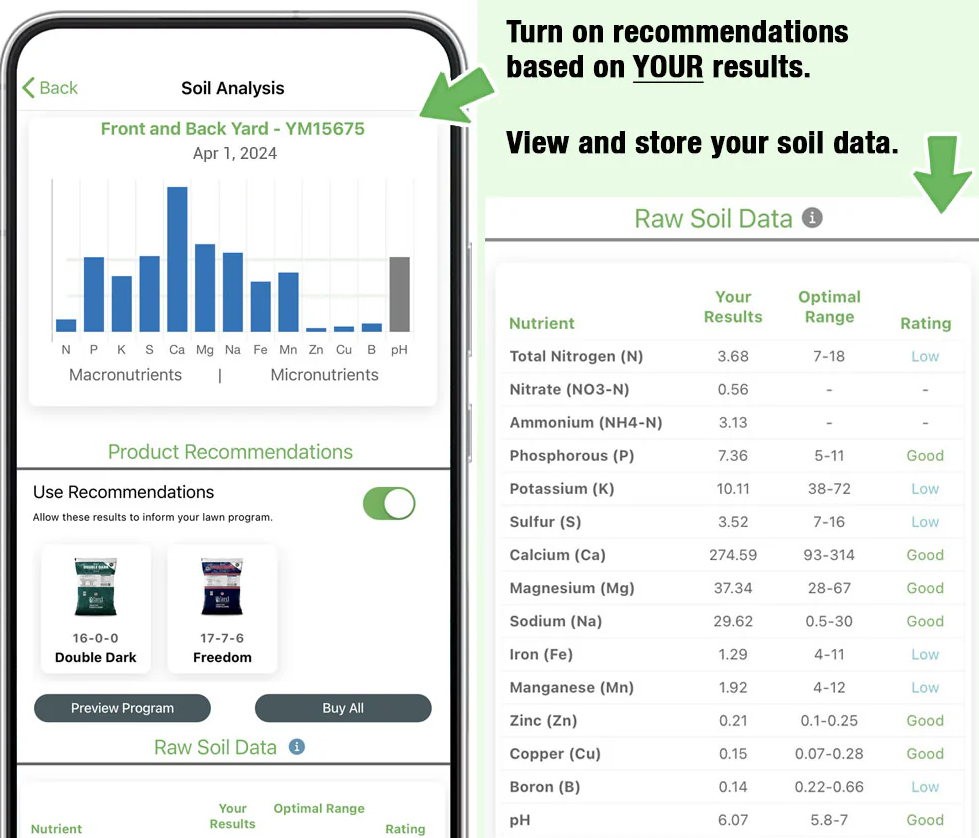
Is your lawn looking less vibrant than it should? One common reason might be the pH level of your soil.
If your soil is too acidic, your grass won’t grow as healthy or strong as you want it to. But don’t worry—you can fix this! Learning how to raise soil pH in your lawn is easier than you think, and it can make a huge difference in the way your yard looks and feels.
Keep reading, and you’ll discover simple, effective steps that will help your lawn thrive like never before.
Soil Ph And Lawn Health
Soil pH affects how well grass grows in your lawn. It measures how acidic or alkaline the soil is.
Knowing your soil pH helps you keep your lawn green and healthy. Adjusting pH can improve nutrient uptake.
Impact Of Ph On Grass Growth
Grass grows best in soil with the right pH balance. If the soil is too acidic or too alkaline, grass roots cannot absorb nutrients well.
- Acidic soil can cause nutrient deficiencies.
- Alkaline soil may limit availability of iron and phosphorus.
- Improper pH leads to weak grass and bare spots.
- Balanced pH helps grass resist pests and diseases.
Optimal Ph Range For Lawns
Most lawns grow well in a pH range that is neither too acidic nor too alkaline. Maintaining this range supports healthy grass.
| Soil pH | Lawn Condition |
| Below 5.5 | Too acidic – Poor growth |
| 5.5 to 7.0 | Ideal range – Healthy grass |
| Above 7.0 | Too alkaline – Nutrient issues |
Testing Your Soil Ph
Knowing the pH of your lawn soil helps you grow healthy grass. Testing soil pH shows if the soil is acidic or alkaline.
You can check soil pH yourself or use professional kits. Both ways give good results to guide your lawn care.
Diy Soil Testing Methods
Testing soil pH at home needs simple tools. You can use natural items or store-bought test strips to get a rough idea.
- Collect soil from a few spots in your lawn.
- Mix soil with water to make a muddy paste.
- Use litmus paper or red cabbage juice as a natural indicator.
- Compare the color change to a pH chart.
- Record the results for each sample.
Using Professional Soil Test Kits
Professional kits provide more precise pH readings. They often include detailed instructions and tools for testing.
| Kit Type | Description | Accuracy |
| Color Chart Kits | Use chemical solutions to change soil color. | Moderate |
| Electronic pH Meters | Measure pH with a digital probe. | High |
| Lab Testing Services | Send soil samples to a lab for analysis. | Very High |
Common Causes Of Low Soil Ph
Soil pH measures how acidic or alkaline the soil is. Low soil pH means the soil is acidic. Acidic soil can harm grass and plants in your lawn.
Knowing what causes low soil pH helps you fix it. Many factors make soil acidic over time.
Acidic Soil Factors
Some natural soil types are acidic from the start. Soil with lots of organic matter often turns more acidic as it breaks down. Acid rain also adds acid to the soil.
- High organic matter decay releases acids
- Soil with clay or sandy texture can be acidic
- Decomposition of plant leaves adds acids
- Acid rain lowers soil pH over time
Environmental Influences
Environmental conditions affect soil acidity. Heavy rainfall washes away minerals that neutralize acid. Overuse of some fertilizers can also cause soil to become acidic.
- Excess rain leaches away calcium and magnesium
- Use of ammonium-based fertilizers increases acidity
- Nearby industrial pollution can add acid to soil
- Poor drainage keeps soil wet and acidic
Materials To Raise Soil Ph
Soil pH affects how well your lawn grows. If your soil is too acidic, you can raise its pH to help plants thrive. This means making the soil less sour and more neutral.
Different materials can help raise soil pH. These materials add alkaline substances to the soil. This guide explains the common types and how to use them.
Lime Types And Their Uses
Lime is the most common material to raise soil pH. It adds calcium or magnesium to the soil, which reduces acidity. There are different types of lime you can use.
- Calcitic lime:Made from crushed limestone. It mainly adds calcium to the soil.
- Dolomitic lime:Contains calcium and magnesium. Use it if your soil needs magnesium too.
- Hydrated lime:A quick-acting lime that raises pH fast but may burn plants if used too much.
- Pelletized lime:Lime formed into small pellets for easy spreading. It works slower but is less dusty.
Choose the right lime based on your soil test and plant needs. Apply lime evenly and water after to help it work better.
Other Soil Amendments
Besides lime, other materials can raise soil pH. These are good options if you want different effects or faster results.
- Wood ash:Contains potassium and calcium. It raises pH but use it carefully to avoid overdoing.
- Baking soda:Can raise pH quickly in small areas but not for large lawns.
- Crushed oyster shells:Add calcium slowly and improve soil texture.
- Ground eggshells:A natural source of calcium that works slowly over time.
Use these amendments based on soil needs and how fast you want to change the pH. Testing soil helps pick the best option.
Step-by-step Ph Adjustment
Raising soil pH helps your lawn grow healthy and strong. You can adjust pH by adding lime to the soil. This guide shows you how to do it carefully.
Follow each step to find the right amount of lime and apply it properly. Timing and frequency are important for the best results.
Calculating The Right Amount Of Lime
First, test your soil pH with a kit or lab test. Then, check how much lime you need based on your soil type and current pH level.
| Current Soil pH | Recommended Lime Amount (lbs per 1000 sq ft) |
| 5.0 – 5.5 | 10 – 15 |
| 5.6 – 6.0 | 5 – 10 |
| 6.1 – 6.5 | 2 – 5 |
Application Techniques
Spread lime evenly across your lawn. Use a spreader for the best coverage. Avoid piles of lime on one spot.
- Wear gloves and a mask to protect yourself
- Apply lime on a dry, calm day
- Water the lawn lightly after applying lime
- Do not mow immediately after spreading lime
Timing And Frequency
Apply lime in early spring or fall for best results. This gives lime time to change soil pH before growing season.
- Test soil pH yearly to monitor changes
- Apply lime every 2 to 3 years as needed
- Avoid over-application to prevent soil imbalance
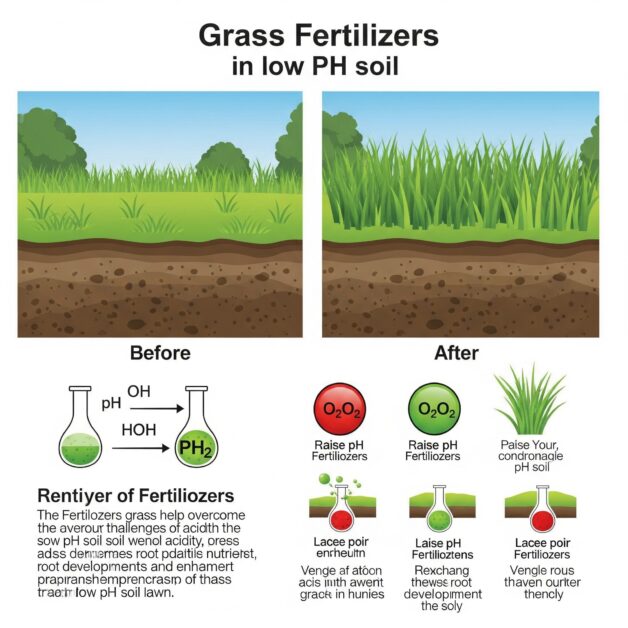
Credit: yarafert.com
Maintaining Balanced Soil Ph
Maintaining balanced soil pH is crucial for a healthy lawn. The right pH level ensures your grass gets nutrients it needs.
Soil pH affects how plants absorb nutrients. Regular testing and care keep your lawn in top condition.
Regular Soil Testing Schedule
Testing your soil regularly helps you know its pH level. It’s important for maintaining lawn health.
You should test your soil at least once a year. This helps you catch any imbalances early.
- Use a soil test kit available at garden centers
- Test in spring or fall for best results
- Follow instructions on the test kit carefully
Best Lawn Care Practices
Proper lawn care helps maintain the right soil pH. Healthy practices keep your grass strong and vibrant.
Water, mow, and fertilize your lawn correctly. These practices support balanced soil pH.
- Water your lawn deeply, but not too often
- Mow regularly, keeping grass blades high
- Use fertilizers designed for your grass type
Troubleshooting Ph Issues
Maintaining the right soil pH is crucial for a healthy lawn. If your lawn is not thriving, it may be due to pH imbalances.
This guide will help you identify signs of over-liming and correct pH imbalances effectively.
Signs Of Over-liming
Over-liming can cause your lawn to suffer. It’s important to spot the signs early to prevent damage.
- Yellowing grass leaves
- Slow grass growth
- Weed invasion
Correcting Ph Imbalances
Once you identify a pH imbalance, take action to restore the balance. Use the following methods for effective results.
| Action | Purpose |
| Apply sulfur | Lower soil pH |
| Add lime | Raise soil pH |
| Use organic compost | Stabilize pH over time |
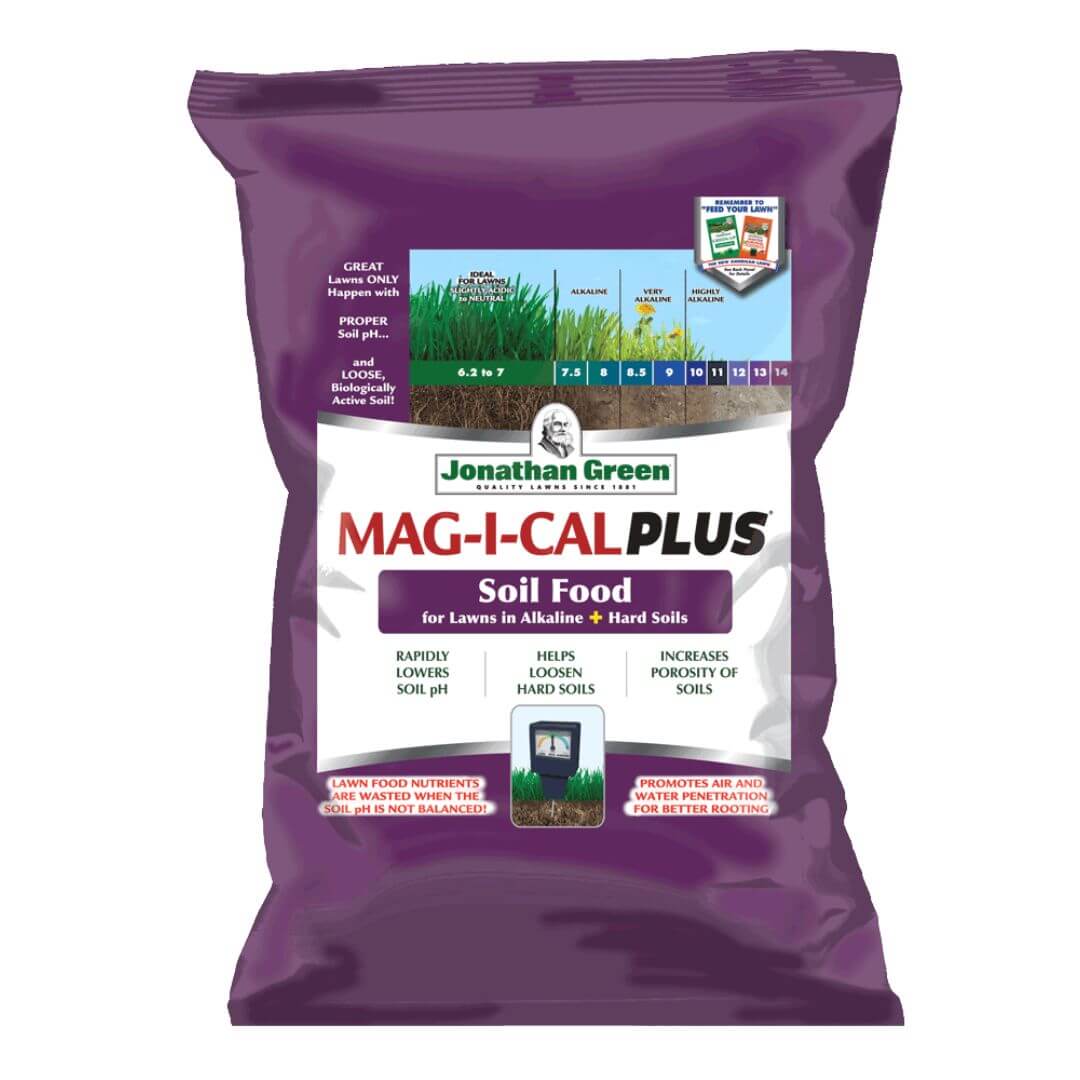
Credit: golfcourselawn.store

Credit: yarafert.com
Frequently Asked Questions
What Is The Best Way To Raise Soil Ph In Lawn?
The best way to raise soil pH is by applying lime. Lime neutralizes soil acidity and improves nutrient availability. Choose between calcitic or dolomitic lime based on soil needs. Test soil pH first for accurate lime application rates. Regular monitoring ensures optimal pH balance for healthy grass growth.
How Much Lime Should I Add To My Lawn Soil?
Lime application depends on soil test results and current pH levels. Generally, 5 to 10 pounds per 1,000 square feet is common. Over-liming can harm grass, so follow recommendations carefully. Spread lime evenly and water it in for best results.
Retest soil pH after several months to adjust.
How Long Does Lime Take To Raise Soil Ph?
Lime usually takes 3 to 6 months to change soil pH noticeably. It reacts slowly as it dissolves and moves into the soil. For faster results, finely ground lime works better. Patience is key; repeat applications may be needed for sustained pH balance.
Can I Raise Soil Ph Without Using Lime?
Yes, wood ash or baking soda can raise soil pH but less effectively. Wood ash contains potassium and calcium, slightly increasing pH. Baking soda offers a quick, temporary fix but may harm soil health. Lime remains the safest and most reliable method for long-term pH adjustment.
Conclusion
Raising soil pH helps your lawn grow strong and healthy. Test your soil first to know what it needs. Add lime or other materials carefully and evenly. Water the lawn after applying treatments to spread nutrients well. Keep checking soil pH every few months for best results.
A balanced pH lets grass absorb nutrients easily. Healthy soil means a green, lush lawn all year. Simple steps lead to a beautiful, thriving yard. Try these tips and enjoy your lawn’s new life.
