

Ice dams on your roof can cause serious damage to your home, leading to costly repairs and headaches. If you want to protect your house and avoid these problems, understanding how to prevent ice dams is crucial.
You’ll discover simple, practical steps you can take right now to keep your roof safe and dry all winter long. Ready to stop ice dams before they start? Let’s dive in and keep your home secure.
Credit: www.jlconline.com
Causes Of Ice Dams
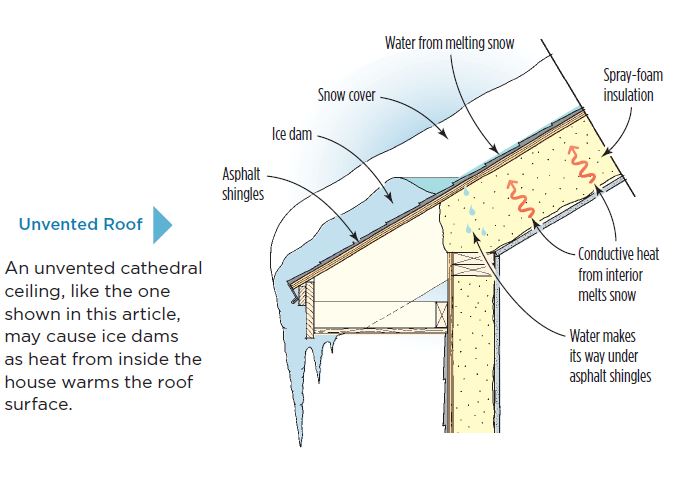
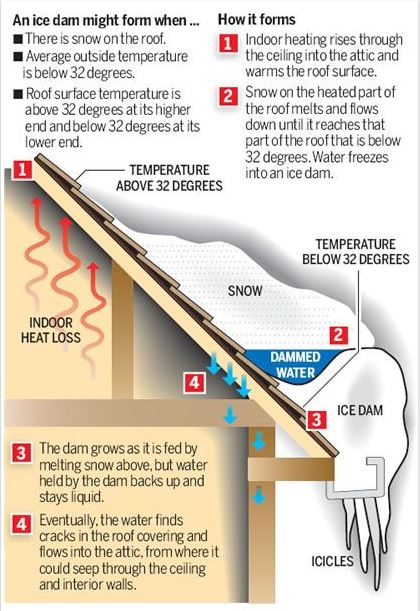
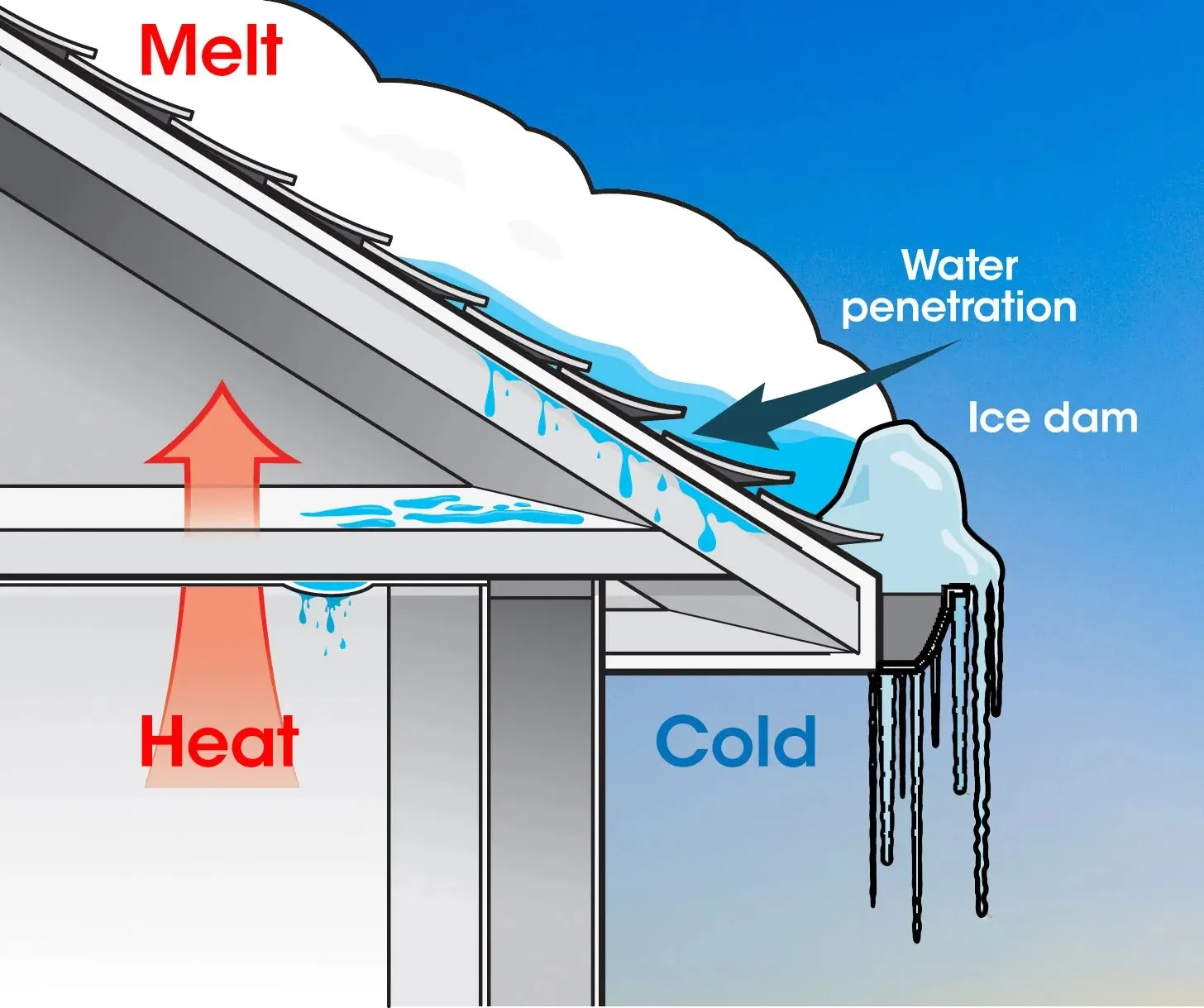
Ice damsform when heat escapes through the roof. This melts snow on the roof’s upper part. Melted water moves down to colder edges and freezes again. This creates a dam of ice that blocks water.
Several factors cause ice dams:
- Poor insulationlets warm air reach the roof.
- Inadequate ventilationtraps heat in the attic.
- Snow build-upprovides water to freeze at the edges.
- Cold eavescause water to freeze and form ice.
Ice dams can damage shingles, gutters, and walls. They may cause leaks inside the home. Understanding these causes helps prevent costly repairs.
Credit: carefreehomescompany.com
Signs Of Ice Dams
Ice damsform along the edge of the roof. They block melting snow from draining. Water can back up and leak inside the house.
Look for these signs:
- Icicleshanging from the roof edge.
- Water stainson walls or ceilings.
- Peeling paintor wallpaper near the roofline.
- Wet insulationin the attic.
- Damaged shinglesor roofing material.
Notice these early to protect your home. Ice dams can cause serious damage fast.
Proper Insulation Techniques
Attic insulationkeeps warm air from escaping through the roof. This stops snow from melting unevenly and forming ice dams. Use thick layers of insulation to cover the attic floor well. Materials like fiberglass or foam work best. Make sure to fill gaps around pipes and vents.
Ventilation strategieshelp air flow under the roof. This keeps the roof cold and prevents ice build-up. Install vents at the eaves and near the roof ridge. This allows cold air to enter and warm air to exit. Proper airflow reduces moisture and heat in the attic.
| Technique | Benefits | Tips |
|---|---|---|
| Attic Insulation | Stops warm air from melting snow | Use thick, even layers; seal gaps |
| Ventilation | Keeps roof cold and dry | Install vents at eaves and ridge |
Effective Roof Maintenance
Regular roof inspection helps spot problems early. Check for loose or damaged shingles. Look for cracks, holes, or worn areas that let water in. Pay close attention to roof edges and valleys where ice dams form easily.
Clearing roof debris keeps water flowing freely. Remove leaves, branches, and dirt that block gutters and downspouts. This stops water from pooling and freezing. Use a roof rake or broom carefully to avoid damage.
- Inspect roof after storms or heavy snow.
- Keep gutters clean to prevent ice build-up.
- Trim tree branches near the roof.
- Check attic for proper insulation and ventilation.
Heat Cables Installation
Heat cableshelp melt snow and ice on your roof edges. They prevent water from backing up and forming ice dams. Install cables along the roof’s edge and inside gutters. Make sure the cables are evenly spacedfor best results.
Use roof-safe heat cablesdesigned for outdoor use. Connect cables to a weatherproof power source. Use a timer or thermostat to save energy by running cables only when needed.
- Check cables yearly for damage or wear
- Follow manufacturer instructions for installation
- Keep gutters clean to allow water flow
Proper installation helps protect your home from costly damage caused by ice dams.
Snow Removal Methods
Safe snow rakinghelps remove snow without damaging your roof. Use a roof rake with a long handle. Stand on the ground to avoid accidents. Pull snow down gently in small sections. Avoid sharp tools or climbing on the roof. This reduces ice dam risks and protects shingles.
Professional snow removalis best for heavy snow or steep roofs. Experts use special tools and safety gear. They remove snow quickly and safely. Hiring professionals lowers the chance of roof damage. It also prevents injury from falls or slips.
Sealing Air Leaks
Check areas where warm air escapes from your home. Common spots include attic hatches, recessed lights, and plumbing vents. Seal these gaps with caulk or spray foam. This helps keep heat inside and stops roof snow from melting unevenly.
Weatherstripping is useful around doors and windows. It blocks cold air from coming in and warm air from leaking out. Choose weatherstripping that fits well and is easy to install.
- Look for cracks or gaps around attic access points.
- Inspect areas near chimneys and vents.
- Use weatherstripping on movable parts like doors.
- Apply foam or caulk to small holes and cracks.
- Check for leaks after sealing and fix if needed.
Gutter Maintenance
Cleaning gutters regularly keeps water flowing freely off the roof. Leaves, twigs, and debris can block gutters and cause water to pool. Standing water near the roof edge can freeze and form ice dams. Use a sturdy ladder and gloves to remove all debris. Check downspouts too, making sure they are clear.
Installing gutter guards helps stop debris from entering gutters. These guards let water flow through but block leaves and dirt. They reduce the need for frequent cleaning and keep gutters working well. Choose guards that fit your gutter type and climate.
Long-term Prevention Strategies
Choosing the right roof materialscan help stop ice dams. Metal roofs and steep slopes shed snow faster. This reduces ice buildup.
Proper insulationin the attic keeps warm air from melting snow on the roof. Cold roofs mean less ice dams. Check for gaps and add more insulation if needed.
Good ventilationhelps keep the attic cold. It moves cold air under the roof and stops warm spots. Ridge vents and soffit vents work well for airflow.
| Consideration | Benefits |
|---|---|
| Roof Material | Metal and steep roofs reduce snow buildup |
| Insulation | Keeps attic cold, preventing snow melt |
| Ventilation | Allows cold air to flow, avoiding warm spots |
Credit: everflow.ca
Frequently Asked Questions
What Causes Ice Dams On Roofs?
Ice dams form when heat escapes through the roof, melting snow. The melted water refreezes at the roof edge, causing blockages and damage.
How Can Attic Insulation Prevent Ice Dams?
Proper attic insulation keeps warm air from rising to the roof. This reduces snow melting and prevents ice dams from forming.
Are Roof Vents Important To Stop Ice Dams?
Yes, roof vents promote air circulation. They keep the roof cold and prevent snow from melting unevenly.
Can Roof Heating Cables Help Prevent Ice Dams?
Heating cables melt snow along the roof edge. They create channels for water to drain, stopping ice dam buildup.
Conclusion
Preventing ice dams protects your roof and home from damage. Keep your attic well insulated and ventilated to stop heat loss. Clear gutters and downspouts to help water flow freely. Use roof rakes to remove snow after storms. Small actions make a big difference in winter.
Stay prepared and check your roof regularly. Protect your home and enjoy a safer winter season. Simple steps lead to fewer ice dam problems. Stay safe, dry, and worry-free all winter long.
