
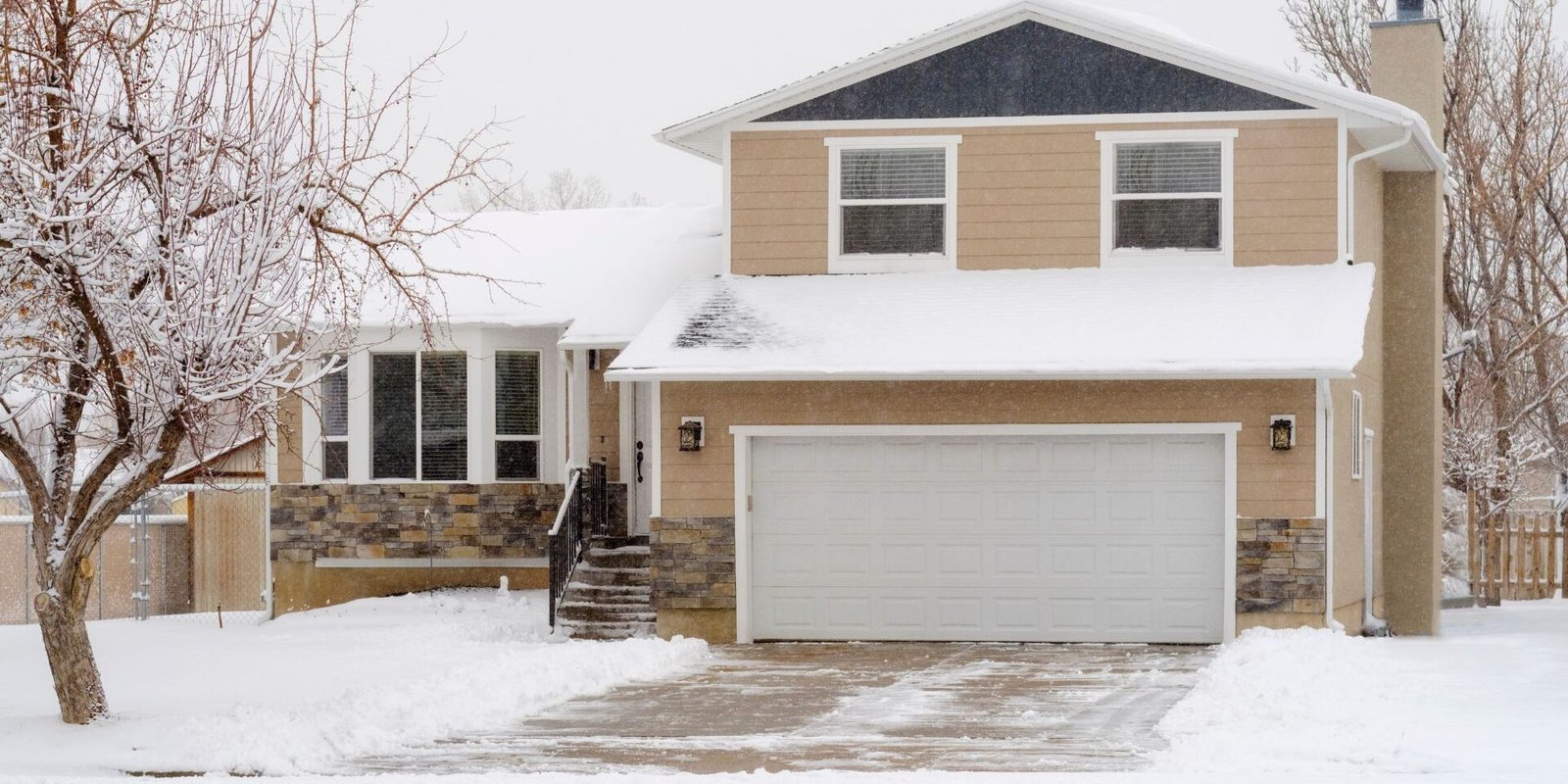
Is ice building up near your garage door, making it hard to open and close? You’re not alone, and it can be frustrating.
But don’t worry—there are simple and effective ways to melt that ice quickly and keep your garage door working smoothly. You’ll discover easy tips and tricks you can use right now to tackle ice safely and prevent it from coming back.
Keep reading to protect your garage and save yourself time and hassle this winter.
Assessing The Problem
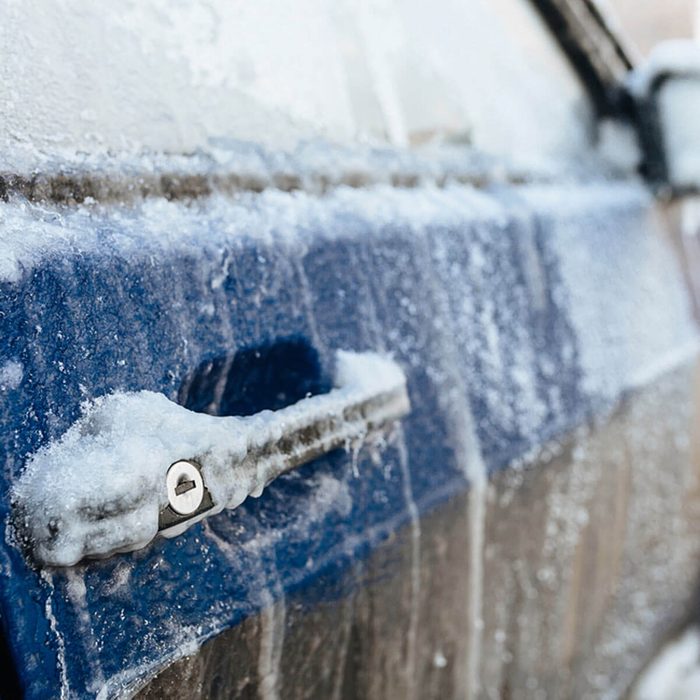
Check the areas near the garage door where ice builds up the most. These spots often include the threshold, corners, and edges of the door. Look for places where water collects and freezes.
Ice forms due to several reasons:
- Snow melting from the roof or driveway drips near the door.
- Poor drainage causes water to stay and freeze.
- Cold air seeps in through cracks, causing moisture to freeze.
- Shaded areas stay colder longer, allowing ice to grow.
Understanding these causes helps decide the best way to clear the ice safely.
Credit: www.familyhandyman.com
Immediate Solutions
De-icing productswork fast to melt ice near garage doors. Common types include rock salt, calcium chloride, and magnesium chloride. These chemicals lower the freezing point of water, causing ice to melt quickly.
- Saltis cheap and easy to find. It works best at temperatures above 15°F (-9°C).
- Calcium chloridemelts ice even in very cold weather, down to -25°F (-32°C).
- Magnesium chlorideis less harmful to plants and concrete.
Heated mats are a good choice for frequent ice problems. They plug into power and warm the ground. These mats stop ice from forming and keep the area safe to walk on.
Diy Approaches
Mixing saltwith water creates a simple solution to melt ice fast. Use about one cup of saltin a gallon of water. Pour this liquid near the garage door where ice forms. The salt lowers the freezing point of water, making ice melt quicker.
A rubbing alcohol mixworks well too. Combine two parts rubbing alcohol, one part water, and a little dish soap. Spray this on icy spots. Alcohol stops ice from sticking and helps it melt faster.
Pouring warm wateron ice can help, but do it carefully. Use warm, not hot water, to avoid cracking concrete. After pouring, clear melted water away to stop refreezing.
Preventive Measures
Good drainage stops water from pooling near garage doors. Use gutters and drains to guide water away.
Weather stripping seals gaps under garage doors. This keeps cold air and water out.
- Check weather stripping for cracks or wear.
- Replace old or damaged strips promptly.
- Make sure the strip fits tightly against the ground.
Routine checks help catch issues early. Clear debris from drains and gutters.
Test door seals regularly to keep ice from forming. Small fixes prevent big problems.
Eco-friendly Options
Natural de-icersare safe for the environment and pets. Rock salt can harm plants and soil. Instead, try calcium magnesium acetate, which melts ice without damage. It works well in cold temperatures and is biodegradable.
Sand and graveldo not melt ice but provide better traction. Spread them near garage doors to prevent slipping. They are easy to find and cheap to use. After ice melts, sweep them away to keep the area clean.
Plant-based solutionsinclude using products made from corn or beet juice. These are natural and less harmful to the ground. They break down ice quickly and add nutrients to the soil. Such options are safe for pets and kids.

Credit: www.familyhandyman.com
Safety Considerations
Chemical deicerscan harm the ground and nearby plants. Use them sparingly and choose pet-safe products. Always store chemicals out of reach of children and animals.
Slippery surfacescause many accidents near garage doors. Keep the area clear of ice and snow. Spread sand or kitty litter for better grip on icy spots.
Pets and wildlife may eat or touch harsh chemicals. This can cause sickness or injury. Use natural ice-melting options like salt-free alternatives or heated mats to protect animals.
Tools And Equipment
Snow shovels and scrapers help clear ice near garage doors. Electric optionsuse power to melt ice fast. Manual toolsneed more effort but work well for small areas. Both types have benefits.
Protective gear keeps you safe and warm. Thick gloves protect hands from cold and sharp ice. Wear boots with good grip to avoid slipping. A warm hat and jacket help stay comfortable during work.

Credit: www.angi.com
Frequently Asked Questions
How Can I Safely Melt Ice Near Garage Doors?
Use rock salt or calcium chloride to melt ice safely. Avoid using metal tools that can damage the door or floor. Apply de-icers evenly and clear melted water promptly to prevent refreezing.
What Is The Best Product To Melt Ice By Garage Doors?
Calcium chloride is highly effective for melting ice near garage doors. It works quickly at low temperatures and minimizes surface damage. Avoid using plain salt, as it can harm concrete and plants.
How Do I Prevent Ice Buildup Near Garage Doors?
Ensure proper drainage and seal gaps to prevent water accumulation. Use weather stripping to block cold air and reduce ice formation. Regularly clear snow and ice promptly to avoid buildup.
Can Warm Water Melt Ice Near Garage Doors Safely?
Warm water can melt ice but may refreeze quickly, creating slippery conditions. It’s best to combine warm water with salt or de-icer for effective, lasting results. Avoid pouring boiling water directly on surfaces.
Conclusion
Melting ice near garage doors keeps your home safe and accessible. Use salt or sand to break the ice quickly. Warm water helps but avoid hot water to protect surfaces. Regularly clear snow to stop ice from building up. Check for leaks and fix door seals to prevent ice.
Simple steps save you time and effort in winter. Stay safe and keep your garage door working well all season. Little care makes a big difference in icy weather.
