
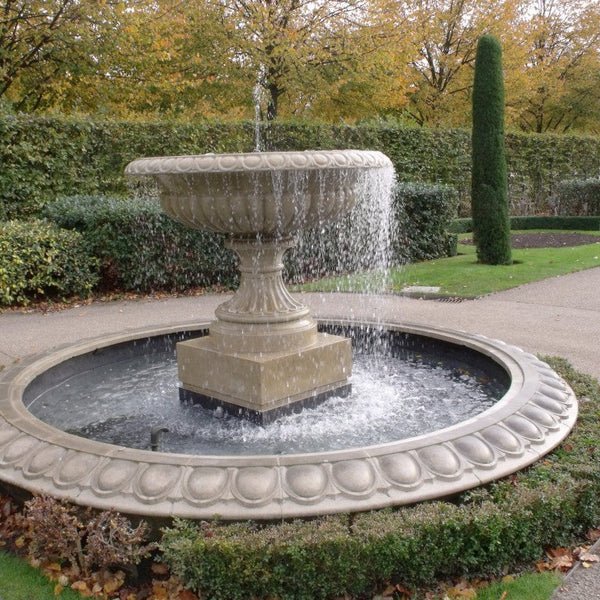
Do you love the calming sound of your water feature but wish it was louder? The gentle splash can bring peace, but sometimes it needs a little boost to truly stand out.
Imagine turning up the volume on your garden’s natural soundtrack without spending a fortune or starting a big project. You’ll discover simple, effective ways to make your water feature louder and more relaxing. Keep reading—you’re just a few steps away from transforming your outdoor space into a soothing oasis that captures attention and eases your mind.
Choosing The Right Location
Choosing the right location is key for making a water feature louder. Sound changes depending on where the feature sits. Picking a spot that naturally boosts sound helps create a relaxing, louder water sound.
Noise reflects off surfaces. Hard surfaces like walls and rocks bounce sound back. Placing a water feature near these surfaces makes the sound stronger. Open spaces let sound fade quickly. A quiet corner with solid walls is best.
Surroundings matter. Trees, bushes, and soft ground absorb sound. Avoid putting your water feature in thick grass or dense plants. Choose a place with fewer soft materials to keep the water sound clear and loud.
Using Natural Sound Reflectors
Hard surfaces act as natural sound reflectors. Walls, fences, and rocks can amplify water sounds. Position the water feature close to these surfaces. The sound waves bounce and grow louder.
- Place near stone or brick walls
- Use large rocks around the feature
- Avoid open fields with no reflecting surfaces
Avoiding Sound Absorbing Materials
Soft surfaces absorb sound and reduce volume. Grass, mulch, and thick plants soak up water sounds. Keep the water feature away from these materials. Use gravel or concrete around the feature instead.
- Do not place in thick gardens or lawns
- Choose hard ground or paved areas
- Trim plants close to the feature
Consider Surrounding Noise Levels
Background noise affects how loud a water feature sounds. Avoid noisy spots near roads or busy areas. Choose a calm, quiet place in your yard. The water sound will stand out more clearly.
- Pick a spot away from traffic
- Find quiet corners or patios
- Reduce competing noises for better effect

Credit: www.thecoolist.com
Adjusting Water Flow
Adjusting the water flow is a key way to make your water feature louder. Stronger water movement creates more sound and visual interest. Small changes in flow can have a big impact on the noise your water feature produces.
Two main approaches help adjust water flow: increasing pump power and using adjustable valves. Both methods allow control over water speed and volume, which affects sound intensity.
Increasing Pump Power
Boosting the pump power raises water pressure and flow rate. This causes water to move faster and hit surfaces harder, making louder splashes and sounds.
Choose a pump with higher wattage or flow capacity than your current one. Make sure it fits your water feature’s size and design.
Keep in mind that too strong a pump may cause water to splash outside the feature or waste energy. Test different pump strengths for the best sound and water balance.
Using Adjustable Valves
Adjustable valves let you control the water flow without changing the pump. You can increase or decrease flow by opening or closing the valve.
Install a valve on the water line feeding the feature. Turn it slowly to find the flow level that creates the loudest sound.
This method saves energy and avoids overworking the pump. It also gives flexibility to change sound levels anytime.
Enhancing Sound With Design
Enhancing the sound of your water feature isn’t just about turning up the volume. The way water moves and interacts with surfaces plays a huge role in creating a richer, louder sound. Thoughtful design changes can make your water feature a captivating auditory experience.
Creating Drops And Cascades
Introducing drops and cascades into your water feature adds natural sound layers. When water falls from a height, it splashes and creates a lively, louder noise. Even small changes, like adding a tiered waterfall or stepping stones for water to jump over, can boost the sound.
Try different drop heights and shapes to find what produces the best sound for your space. A higher drop usually means a louder splash, but the shape of the landing surface matters too—flat rocks scatter water, while a deep basin amplifies the sound.
Incorporating Echo Chambers
Echo chambers are hidden spaces that reflect and amplify water sounds. Placing your water feature near walls, rocks, or in a recessed area can naturally enhance the volume. You can even build small cavities under or behind the water flow that trap and bounce sound waves.
Think about how caves or narrow alleyways make water sounds louder—using similar principles can work in your garden. Have you noticed how sound changes when you move closer to a wall? Try positioning your water feature to take advantage of these natural sound boosters.
Using Different Water Feature Materials
Choosing the right material for your water feature can dramatically affect its sound volume and quality. Different materials carry and amplify water sounds in unique ways, so understanding these differences helps you get the louder, more satisfying sound you want. Let’s look at how metal, stone, plastic, and ceramic shape your water feature’s voice.
Metal Vs. Stone
Metal water features often produce a sharper, more resonant sound. When water hits metal, it creates a clear, ringing tone that can carry across your garden or patio. If you want your water feature to stand out with a lively, attention-grabbing noise, metal is a great choice.
Stone, on the other hand, delivers a deeper, softer sound. Water flowing over stone tends to produce a natural, soothing murmur that blends into the environment rather than dominates it. Stone can be ideal if you prefer a more subtle but still noticeable water presence.
Think about the kind of atmosphere you want. Do you want the water to be a relaxing background or a bright centerpiece? Your material choice will guide your sound’s personality.
Plastic And Ceramic Options
Plastic water features are lightweight and affordable but tend to mute the water’s sound. The material absorbs much of the noise, resulting in a quieter feature. However, plastic is easy to shape and install, making it a practical choice for small spaces.
Ceramic options strike a middle ground. They can amplify sound more than plastic but less than metal or stone. Ceramic’s smooth surfaces help water flow evenly, creating a pleasant, consistent sound that won’t overwhelm your outdoor space.
Consider how much noise you want and where your feature will be placed. Plastic works well if you want gentle sounds or have noise restrictions. Ceramic offers a balance if you want moderate volume with elegant style.
Amplifying With Surrounding Elements
Amplifying with surrounding elements can boost the sound of a water feature without extra equipment. Nature and design work together to make water sounds carry further and feel fuller. Using plants and surfaces around the water feature changes how sound waves travel.
This approach uses the environment to increase the natural noise of flowing water. It makes the space more peaceful and inviting. Small changes to the setting can create a big difference in sound volume and quality.
Strategic Plant Placement
Plants can shape sound by absorbing or reflecting it. Placing dense shrubs or tall grasses around the water feature helps direct sound waves. These plants act like natural speakers, pushing sound toward open areas.
- Use evergreen bushes for year-round sound reflection.
- Place plants close but not too near to avoid blocking water flow.
- Cluster plants to create a natural wall that bounces sound.
Plants also add beauty and soften harsh noises from other sources. Their leaves and stems break up sound waves, making the water noise clearer and louder.
Utilizing Reflective Surfaces
Hard surfaces reflect sound better than soft ones. Walls, rocks, or patios near the water feature can amplify the noise. Position these surfaces where they catch water sounds and send them outward.
- Place stone or concrete walls behind or beside the feature.
- Use flat rocks around the base to bounce sound upward.
- Install smooth patios or decks to enhance water noise.
Reflective surfaces help funnel sound waves toward listening spots. They make the water feature feel livelier and more present in the garden.

Credit: www.hilinegift.com
Maintenance For Optimal Performance
Maintaining your water feature is key to keeping its sound loud and clear. Dirt and debris can block water flow, making the sound weak. Simple upkeep helps water move freely and creates a strong, soothing noise.
Regular Cleaning
Clean the water feature often to remove dirt and algae. Use a soft brush to scrub surfaces gently. Clear away leaves and other debris from the water.
Change the water regularly. Fresh water keeps pumps working well and sounds vibrant. Regular cleaning stops buildup that muffles sound.
Checking For Blockages
Inspect pipes and nozzles for clogs. Small blockages reduce water flow and sound volume. Remove any trapped debris carefully.
Check the pump intake for dirt or leaves. Clear the intake to keep water flowing smoothly. Good flow means louder water noise.
Incorporating Technology
Incorporating technology can greatly enhance the sound of your water feature. Modern devices help boost volume and control sound quality without changing the design. Technology makes your water feature more dynamic and enjoyable.
Using Sound Amplifiers
Sound amplifiers increase the natural noise of flowing water. These devices pick up water sounds and make them louder. Place small waterproof speakers near the water flow. Adjust volume to match the desired loudness.
Choose amplifiers designed for outdoor use. They resist moisture and weather damage. This keeps your water feature safe and sounds clear. Amplifiers need power, so plan for nearby outlets or solar options.
Integrating Smart Controls
Smart controls let you manage sound levels remotely. Use apps on your phone or tablet to adjust volume anytime. Set schedules to increase sound during certain hours. This saves energy and fits your lifestyle.
Smart systems can link to sensors. Sensors detect wind or noise and adjust water sound automatically. This keeps the water feature pleasant without being too loud. Integration with other smart home devices is possible too.
Tips For Customizing Sound
Customizing the sound of your water feature can transform your outdoor space, making it more vibrant and soothing. Small adjustments often lead to significant changes in volume and tone. Understanding how to tweak these elements gives you control over the atmosphere you create.
Experimenting With Different Nozzles
Different nozzles change how water flows and splashes, directly impacting the sound. Wide, flat nozzles produce a softer, gentle sound, while narrow, jet-style nozzles create louder, sharper splashes.
Try swapping out your existing nozzle with various shapes and sizes. Notice how the sound shifts as water hits the basin or rocks. Sometimes, a simple change like a multi-stream nozzle can add complexity and volume to your water feature’s noise.
Adjusting Water Levels
Water levels affect both the speed and impact of water flow. Lower water levels might cause water to fall from greater heights, increasing splash noise.
Raise or lower the water level gradually, listening for changes in sound. You might find that a slightly lower basin creates a louder, more dynamic sound without needing extra equipment. Don’t be afraid to experiment—your perfect sound might be just a few inches away.

Credit: fountains.com
Frequently Asked Questions
How Can I Make My Water Feature Sound Louder Naturally?
You can increase sound by adding rocks or gravel for water to splash on. Adjust water flow to create more turbulence. Position the feature where natural echoes amplify the noise. These methods enhance sound without extra equipment, making your water feature pleasantly louder.
What Pump Adjustments Increase Water Feature Noise?
Increasing the pump speed boosts water flow, creating louder sounds. Use a pump with higher wattage for stronger pressure. Ensure the pump is compatible with your feature to avoid damage. Proper pump settings directly affect the volume of your water feature.
Does Water Feature Design Affect Its Sound Volume?
Yes, design impacts sound significantly. Water falling from higher points creates louder noise. Narrow channels increase water speed and sound. Incorporating multiple tiers or cascades enhances volume. Choose designs that maximize water movement and splash for louder effects.
Can Adding Waterfalls Make A Water Feature Louder?
Adding waterfalls increases water agitation, resulting in louder sounds. Multiple small waterfalls create continuous, pleasing noise. This also improves visual appeal. Ensure waterfalls are sized correctly for your feature and pump to maintain optimal sound and function.
Conclusion
Making your water feature louder can enhance your outdoor space. Small changes like adjusting water flow or repositioning rocks help. Adding more water or creating drops also increases sound. Regular cleaning keeps water moving smoothly and loudly. Try different ideas to find what works best for you.
Enjoy the calming sounds and peaceful vibe it creates. Your garden will feel more alive and relaxing with louder water features. Keep experimenting and have fun with your water design.
