

Imagine adding a peaceful water feature to your space without any hassle. You don’t need a big garden or complicated plumbing to enjoy the soothing sound of flowing water.
With a portable water feature, you can bring calm and beauty wherever you want—inside your home, on your patio, or even at your office. In this guide, you’ll discover simple steps to create your own portable water feature that fits your style and space perfectly.
Ready to transform your environment with a touch of nature? Let’s dive in!
Choosing The Right Location
Choosing the right location for your portable water feature is crucial for both its beauty and functionality. The spot you pick affects how often you’ll maintain it, how it interacts with your space, and even the health of the water itself. Think about where it will be most enjoyed and how it fits with your daily routine.
Consider Sunlight And Shade
Sunlight plays a big role in the health of your water feature. Too much direct sun can cause algae to grow quickly, which means more cleaning for you. On the other hand, too much shade might slow down water circulation and affect the overall look.
Look for a place that gets some sun but also has shade during the hottest parts of the day. This balance helps keep the water clear and fresh longer.
Accessibility For Maintenance
You’ll need to check and clean your water feature regularly. Placing it somewhere easy to reach saves you time and effort. If it’s tucked away in a hard-to-access corner, you might skip maintenance, which leads to problems down the road.
Think about how often you want to tend to it and choose a spot that makes those tasks simple and quick.
Power Source Availability
Your portable water feature likely needs electricity to run the pump. Position it near an outdoor outlet or plan to use a safe extension cord. Avoid locations that require complicated wiring or long cords, which can be dangerous or unsightly.
Have you checked where your power sources are? Planning this early saves frustration later.
Wind And Weather Exposure
Wind can cause water to splash out and debris to fall in, making your feature dirty faster. Placing it in a spot shielded from strong winds helps maintain calm water and reduces maintenance.
Also, consider how rain or snow might affect your water feature. A protected area means less cleanup and longer-lasting enjoyment.
Visual Impact And Placement
Where will your water feature catch the eye most? Near a patio, entrance, or seating area are great choices. It should invite you to pause and enjoy the soothing sounds and sights.
Try moving the feature around temporarily before settling. Does it create the mood you want? Does it fit naturally with your plants and outdoor furniture?
Selecting Materials And Tools
Selecting the right materials and tools is key to building a portable water feature. The choices affect how easy the project will be and how long the feature lasts. Picking durable materials ensures the water feature stays attractive and works well over time.
Choosing proper tools helps complete the work faster and safer. Understanding which materials and tools fit your design and budget makes the process smoother.
Essential Tools
- Electric drill with drill bits
- Measuring tape
- Utility knife or scissors
- Silicone sealant and caulk gun
- Wire cutters
- Screwdriver set
- Water pump suitable for small fountains
- Plastic tubing
These tools help cut, assemble, and seal parts efficiently. A good water pump keeps water flowing smoothly.
Best Materials For Durability
| Material | Benefits | Notes |
|---|---|---|
| Plastic Basin | Lightweight, waterproof, easy to clean | Choose thick plastic for strength |
| Stone or Pebbles | Natural look, durable, adds texture | Use smooth stones to avoid splashing |
| Waterproof Sealant | Prevents leaks, protects materials | Use silicone for best results |
| Plastic Tubing | Flexible, resists water damage | Match tubing size to pump outlet |
Materials must resist water and weather effects. The right choices improve the feature’s lifespan and appearance.
Design Ideas For Your Water Feature
Designing a portable water feature lets you enhance any space with soothing sounds and beauty. Choose a style that fits your taste and surroundings. The right design adds charm and calm to patios, balconies, or gardens. Explore ideas that blend functionality with visual appeal. Here are some popular design styles for your water feature.
Traditional Designs
Traditional water features often include classic shapes and natural materials. Stone bowls, tiered fountains, and small ponds create a timeless look. Use materials like sandstone, marble, or ceramic. These designs bring a peaceful, old-world charm. They work well in rustic or country-style gardens. Add simple plants like ferns or ivy for a natural feel.
Modern Aesthetics
Modern water features focus on clean lines and minimalism. Use sleek metals, glass, or concrete for a fresh look. Geometric shapes like cubes, spheres, or flat panels stand out. LED lights can add a soft glow at night. These designs suit urban patios or contemporary homes. Keep the design simple for a calming effect.
Creative Themes
Creative themes let you personalize your water feature fully. Think about nature, art, or cultural motifs. You can use colorful tiles, recycled materials, or unique sculptures. Themes like Zen gardens, tropical oases, or fairy tales add fun and interest. Mix plants, stones, and water flow styles to tell a story. This approach turns your feature into a focal point.

Credit: www.youtube.com
Step-by-step Construction Process
Building a portable water feature is a fun project anyone can do. The process breaks down into easy steps. Follow each part carefully to create a beautiful, moving water display.
Building The Base
Start with a sturdy base to hold water and decorations. Choose a waterproof container or basin that fits your space. Check for leaks and seal edges with waterproof tape or silicone. Make sure the base is level so water flows evenly. Add a layer of small stones or gravel to help with drainage and stability.
Installing The Pump System
Select a small, submersible pump suitable for your base size. Place the pump at the bottom of the basin. Connect the pump to a power source safely. Attach tubing or a small pipe to guide the water flow. Test the pump by filling the basin with water and turning it on. Adjust the flow speed to your liking.
Adding Decorative Elements
Decorate around the pump to hide it from view. Use rocks, plants, or small statues for a natural look. Arrange elements carefully to not block water flow. Add floating objects or lights for extra charm. Change decorations seasonally to keep the feature fresh and interesting.
Ensuring Proper Water Circulation
Proper water circulation keeps your portable water feature clean and lively. It prevents water from becoming stagnant, which can cause bad smells and algae growth. Good circulation also helps oxygenate the water, supporting any plants or fish you may have. Setting up the right system ensures your water feature stays fresh and attractive for a long time.
Choosing The Right Pump
Select a pump that matches the size of your water feature. A pump too small will not move enough water. One too large can waste energy and cause splashing. Look for pumps labeled for fountains or small ponds. Check the flow rate, usually measured in gallons per hour (GPH). Choose a pump with a flow rate between 2 to 4 times the volume of your water feature per hour.
Consider the pump’s power source. Battery-operated pumps offer portability but need frequent recharging. Electric pumps provide steady flow but require access to an outlet. Submersible pumps work underwater and are quieter. External pumps sit outside and are easier to maintain. Pick one that fits your setup and ease of use.
Maintaining Water Flow
Keep the pump clean to maintain steady water flow. Debris and algae can clog the pump and reduce its efficiency. Check the intake screen weekly and remove any blockages. Clean the pump impeller every month to avoid buildup. Use a soft brush or cloth for cleaning.
Adjust the water flow with the pump’s control valve if available. Too strong a flow can splash water out of the feature. Too weak a flow may not circulate water properly. Test different settings to find the right balance. Regularly topping off the water helps maintain the pump’s function and prevents damage.
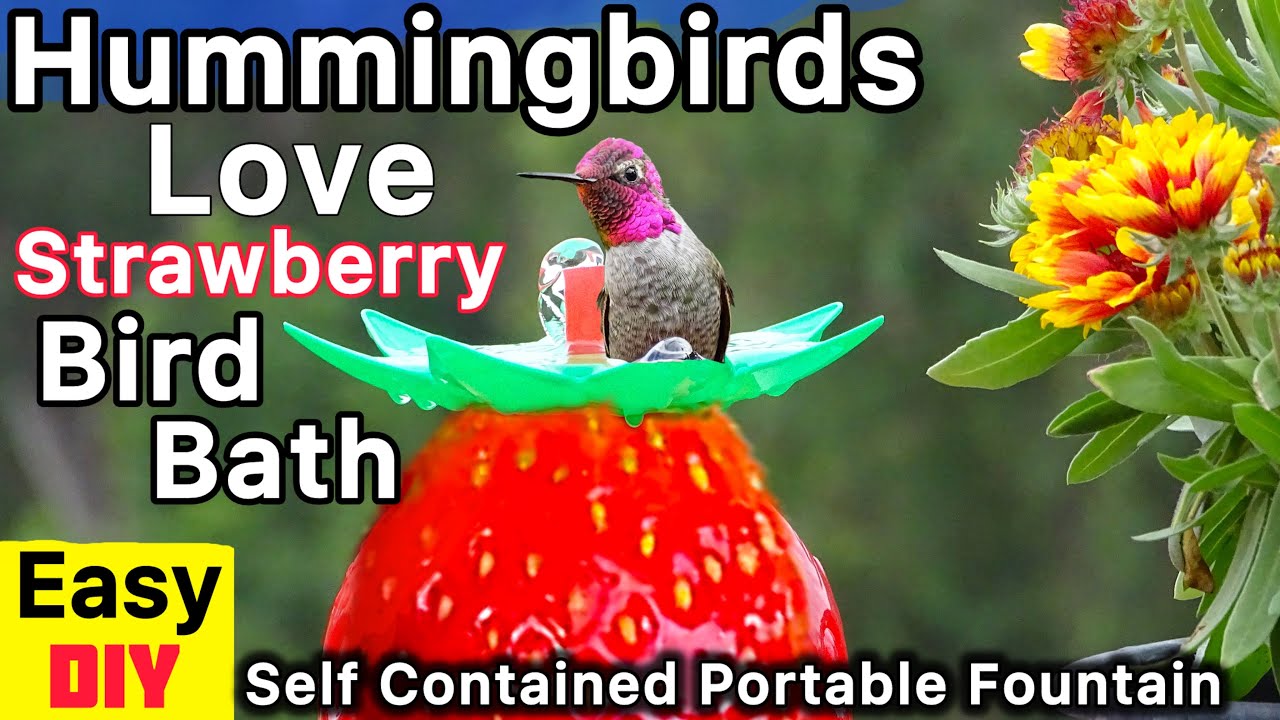
Credit: m.youtube.com
Maintenance Tips For Longevity
Maintaining your portable water feature helps keep it beautiful and working well. Simple care steps prevent damage and extend its life. Regular attention saves money and effort over time.
Follow these maintenance tips to enjoy your water feature longer and with less hassle.
Regular Cleaning Routine
Clean the water feature every two weeks. Remove leaves, dirt, and algae from the water surface. Use a soft brush to scrub any buildup on the feature’s walls. Change the water completely once a month to keep it fresh.
Check the pump for clogs or debris. Rinse the pump filter under running water to maintain proper flow. Wipe the exterior with a damp cloth to remove dust and stains.
Seasonal Adjustments
In colder months, drain the water feature to prevent freezing damage. Store the pump indoors during winter to protect it from frost. Cover the water feature with a breathable tarp to keep out debris.
During hot months, top up water levels often to avoid drying out. Place the feature in a shaded area to reduce evaporation. Check for cracks or leaks caused by temperature changes and repair them quickly.
Troubleshooting Common Issues
Running into problems with your portable water feature can be frustrating, but many common issues have straightforward solutions. Understanding how to identify and fix these problems quickly will keep your water feature running smoothly and looking beautiful. Let’s dive into some typical hiccups and how you can resolve them effectively.
Leak Fixes
Leaks often come from cracks or loose seals. Check all joints and connections carefully for any visible water escaping. Sometimes, simply tightening fittings or resealing with waterproof silicone can stop leaks immediately.
If the leak is from a crack in the basin or tubing, you can use a waterproof patch kit designed for ponds or pools. These kits are easy to apply and durable against water pressure. Have you ever ignored a small drip only to find it caused bigger damage later? Fix small leaks right away to avoid costly repairs.
Also, make sure your water feature is placed on a level surface. An uneven base can stress the structure, causing cracks over time. Leveling your feature prevents leaks and extends its lifespan.
Pump Malfunctions
The pump is the heart of your water feature, and when it stops working, everything else fails. First, check if the pump is clogged. Debris like leaves or algae can block the intake and reduce water flow or stop the pump entirely.
Clean the pump regularly by removing the cover and rinsing all parts with water. If your pump still doesn’t run, check the power source and connections. A loose plug or damaged cord might be the culprit.
Sometimes the pump motor overheats. This often happens if it runs dry or is submerged incorrectly. Have you felt your pump getting hot during operation? Make sure it’s always submerged in water, and never let it run without water.
Enhancing Your Garden With Lighting
Lighting can transform your portable water feature and garden at night. It highlights water movement and creates a warm, inviting space. Thoughtful lighting makes your garden enjoyable after dark and adds a magical touch.
Choosing The Right Lights
Select lights that suit your water feature size and style. Waterproof LED lights work well for safety and durability. Solar-powered lights save energy and are easy to install. Soft white or warm yellow tones create a relaxing mood. Avoid harsh, bright lights that spoil the natural feel.
Consider light placement carefully. Underwater lights can emphasize flowing water. Spotlights highlight plants or stones around the feature. Pathway lights guide visitors and add charm.
Creative Lighting Ideas
- Place floating LED lights on the water for a gentle glow.
- Use colored lights to create moods or highlight details.
- Install string lights around the feature for a cozy look.
- Combine flickering lantern-style lights for a rustic feel.
- Use light timers or sensors to save power and add convenience.
Mix different lights to create depth and interest. Experiment with angles and colors to find your perfect setup.

Credit: www.youtube.com
Frequently Asked Questions
What Materials Do I Need For A Portable Water Feature?
You need a water pump, waterproof container, tubing, stones, and decorative elements. Choose lightweight, durable materials for easy mobility and longevity.
How Do I Prevent Water From Spilling In A Portable Feature?
Ensure your container has a secure lid or edge. Use a pump with adjustable flow to control water movement and reduce splashing.
Can I Use Solar Power For A Portable Water Feature?
Yes, solar-powered pumps are efficient and eco-friendly. They reduce electricity costs and are ideal for outdoor, portable water features.
How Often Should I Clean A Portable Water Feature?
Clean every 1-2 weeks to prevent algae and debris buildup. Regular maintenance keeps the water clear and the pump functioning well.
Conclusion
Creating a portable water feature adds beauty to any space. You can enjoy soothing water sounds anywhere you like. These features are easy to build and move around. Choose simple materials and follow clear steps. Small touches make a big difference in design.
Keep your water clean and pump working well. This project brings calm and nature close to you. Try making one to brighten your home or garden today.
