
If you want your generator to run smoothly and last longer, knowing how to lubricate its parts is key. Proper lubrication prevents wear and tear, reduces friction, and keeps your generator ready when you need it most.
In this guide, you’ll learn simple, step-by-step tips to keep your generator’s engine and moving parts well-oiled and working efficiently. Don’t let avoidable damage slow you down—discover how easy it is to protect your investment and ensure reliable power whenever you need it.
Keep reading to unlock the secrets of effective generator maintenance!

Credit: medium.com
Why Lubrication Matters
Lubricationhelps parts move smoothly by reducing friction. Less friction means less wear and tear on the parts. This keeps the generator running well for a longer time.
Using oil or grease on the parts can extend the generator’s life. It stops the parts from breaking down too soon. Good lubrication means fewer repairs and less downtime.
Lubrication also helps in preventing overheating. When parts rub together without oil, they get hot fast. Oil cools the parts and keeps the generator safe from damage caused by heat.

Credit: muckymariners.com
Key Generator Parts To Lubricate
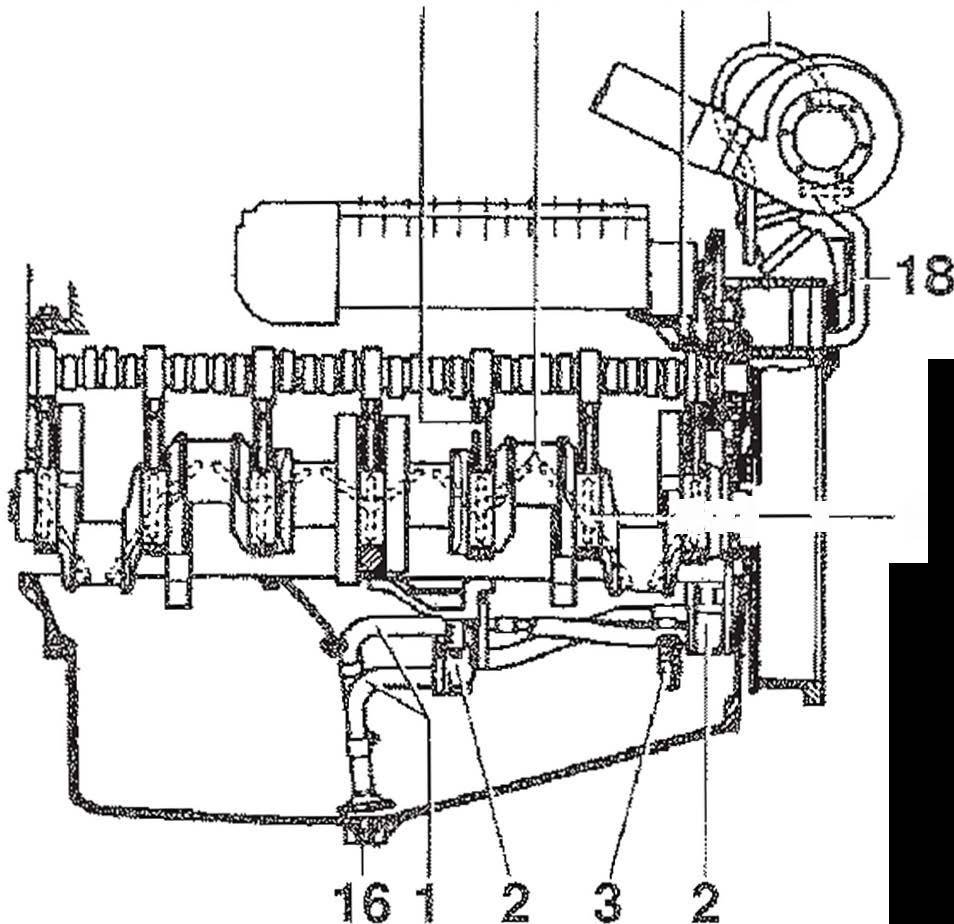
Engine componentsneed regular lubrication to run smoothly. The oil keeps moving parts from wearing out quickly. Pay close attention to the engine blockand pistons. These parts work hard and get very hot.
Bearings and shaftsrequire grease or oil to reduce friction. Proper lubrication helps these parts spin freely and avoid damage. Check the bearing surfacesoften and apply lubricant as needed.
Parts in the cooling systemalso need care. Lubricate the water pump shaftand any moving parts. This helps keep the generator from overheating and running well.
Choosing The Right Lubricant
Different types of lubricantswork for various generator parts. Oil, grease, and synthetic lubricants are common choices. Oil flows easily and cools parts well. Grease sticks better to surfaces and protects from dust. Synthetic lubricants last longer and work in extreme temperatures.
Viscositymeans how thick or thin a lubricant is. Thicker oils protect better at high heat. Thinner oils flow better at low temperatures. Choose lubricant viscosity based on your generator’s working conditions.
Always check the manufacturer’s recommendations. They list the best lubricant types and viscosity. Using the right lubricant keeps your generator running smoothly and lasts longer.
Step-by-step Lubrication Process
Switch off the generator and let it cool down. Safety is important. Gather all necessary tools and materials. This includes lubricant and a clean rag. Find the parts that need lubrication. These are often in the manual. Clean the parts with a dry cloth. Remove dust and dirt. Ensure everything is ready for the next steps.
Choose the right lubricant for the generator. Check the manual for advice. Use a small brush or cloth to apply the lubricant. Do not use too much. Spread it evenly on the parts. Focus on moving parts. These parts need lubrication the most. Wipe away extra lubricant. This keeps the generator clean.
Regularly check the lubricant levels. This is crucial for smooth running. Look at the dipstick or sight glass. Add more lubricant if levels are low. Always use the recommended type. Check for any leaks. Leaks can cause problems later. Keep a record of when you check and refill. This helps in maintaining the generator.
Maintenance Tips For Long-term Care
Keeping a regular inspection schedulehelps catch problems early. Check the generator parts every few weeks. Look for leaks, rust, or worn parts. Lubricate moving parts to avoid friction and wear.
Signs of lubrication issues include strange noises, overheating,and slow or stuck parts. These signs mean the parts need oil or grease. Do not wait too long to fix these issues.
Clean the generator before storage. Remove dust and dirt from all parts. Store the generator in a dry and cool place. Cover it to keep moisture and dirt away. Proper storage stops rust and damage.
Common Mistakes To Avoid
Over-lubricating parts can cause more harm than good. Excess lubricant attracts dirt and dust. This can lead to wear and tear. It also causes parts to stick or clog. Use only the amount recommended by the manufacturer.
Using wrong lubricants can damage your generator. Each part needs a specific type of lubricant. Check the label carefully before applying. Using the wrong type can cause rust or poor performance.
Ignoring manufacturer guidelines risks your generator’s health. Manuals provide exact instructions for lubrication. Follow these to keep your generator running smoothly. Skipping these steps can reduce the machine’s lifespan.

Credit: www.youtube.com
Frequently Asked Questions
How Often Should I Lubricate Generator Parts?
Lubricate generator parts every 50 to 100 operating hours. Check the manufacturer’s manual for specific intervals. Regular lubrication prevents wear and extends generator life. Always use the recommended lubricant for your generator model.
What Type Of Lubricant Is Best For Generators?
Use high-quality synthetic or mineral oil recommended by the generator manufacturer. Avoid using generic oils as they may cause damage. Proper lubrication reduces friction and protects parts from rust and corrosion, ensuring smooth operation.
Can I Lubricate Generator Parts Myself?
Yes, you can lubricate generator parts with basic tools and safety precautions. Turn off and cool down the generator first. Follow the manual’s instructions for accessing and applying lubricant. Regular maintenance improves performance and prevents costly repairs.
Which Generator Parts Need Lubrication?
Lubricate engine bearings, shafts, and moving parts regularly. Also, check and grease the cooling fan and alternator components. Proper lubrication reduces friction, prevents overheating, and ensures efficient generator operation.
Conclusion
Regularly lubricate generator parts to keep them working well. Clean parts first to avoid dirt and damage. Use the right oil or grease for each part. Check the manufacturer’s guide for the best tips. Lubrication stops friction and wear, extending your generator’s life.
Small efforts now save you from big repairs later. Keep your generator ready for any power need. Simple care makes a big difference in performance. Don’t forget to schedule lubrication as part of routine maintenance. Your generator will thank you with smooth, reliable power.
