
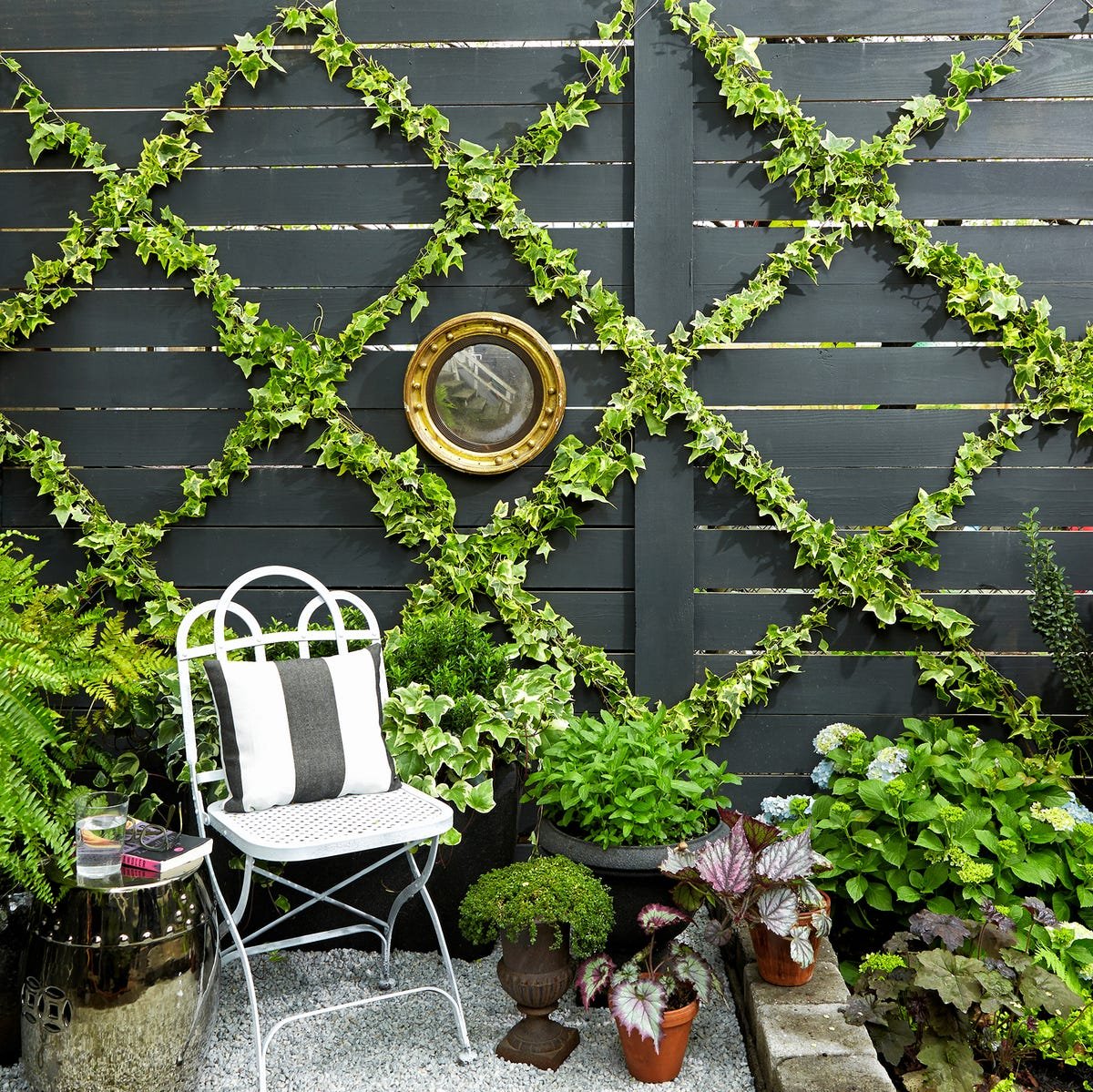
Lighting your small yard the right way can completely change how you enjoy your outdoor space. You want it to feel cozy, safe, and inviting—without spending a fortune or dealing with complicated setups.
But how do you choose the best lights? Where should you place them? And how do you make sure your yard looks stunning both day and night? Keep reading, because this guide will help you light your small yard effectively, turning it into a beautiful retreat you’ll love every time you step outside.
Credit: www.extraspace.com
Assessing Your Space
Before you start placing lights around your small yard, it’s crucial to understand the space you’re working with. Assessing your yard helps you avoid over-lighting or leaving important spots in the dark. It also ensures your lighting plan fits both your practical needs and aesthetic goals.
Identifying Key Areas
Take a walk around your yard at different times of day and note which areas you use the most. Think about spots where you want to spend time after dark, such as seating areas, pathways, or garden beds.
Are there any dark corners that feel unsafe or uninviting? Mark these as priority zones for lighting. You might also want to highlight unique features like a statue or a beautiful tree.
- Patio or deck for dining and relaxing
- Walkways to prevent trips and falls
- Entrances and gates for security
- Garden beds or plants you want to showcase
Measuring Light Requirements
Next, consider how much light each area needs. Not all spots require the same brightness or type of light. For example, pathways need enough light to see clearly but don’t require intense illumination.
Use a simple light meter app on your phone or estimate based on the size of the area. A small seating area might need around 100 to 200 lumens, while a pathway could be fine with 50 to 100 lumens.
Think about the mood you want to create too. Soft, warm lights can make your yard feel cozy, while bright, white lights are better for security.
Credit: www.extraspace.com
Choosing Light Fixtures
Choosing the right light fixtures shapes the look and feel of a small yard. Good fixtures balance brightness and style without cluttering the space. They must suit the yard’s size and layout. Also, consider energy use and ease of installation. Picking fixtures that match these needs makes the yard both beautiful and functional.
Solar Vs. Electric Options
Solar lights use the sun’s energy. They need no wiring and cost less to run. Perfect for small yards with plenty of sunlight. Solar lights are easy to move and install. But they may be dimmer on cloudy days or at night.
Electric lights give steady and bright light. They connect to the home’s power supply. Ideal for consistent lighting and longer hours. Electric fixtures may need professional installation. They use more energy but last longer and offer more style choices.
Styles For Small Yards
Choose compact fixtures that fit the small space. Look for:
- Low-profile wall sconces for paths and fences
- Small lanterns for tables or corners
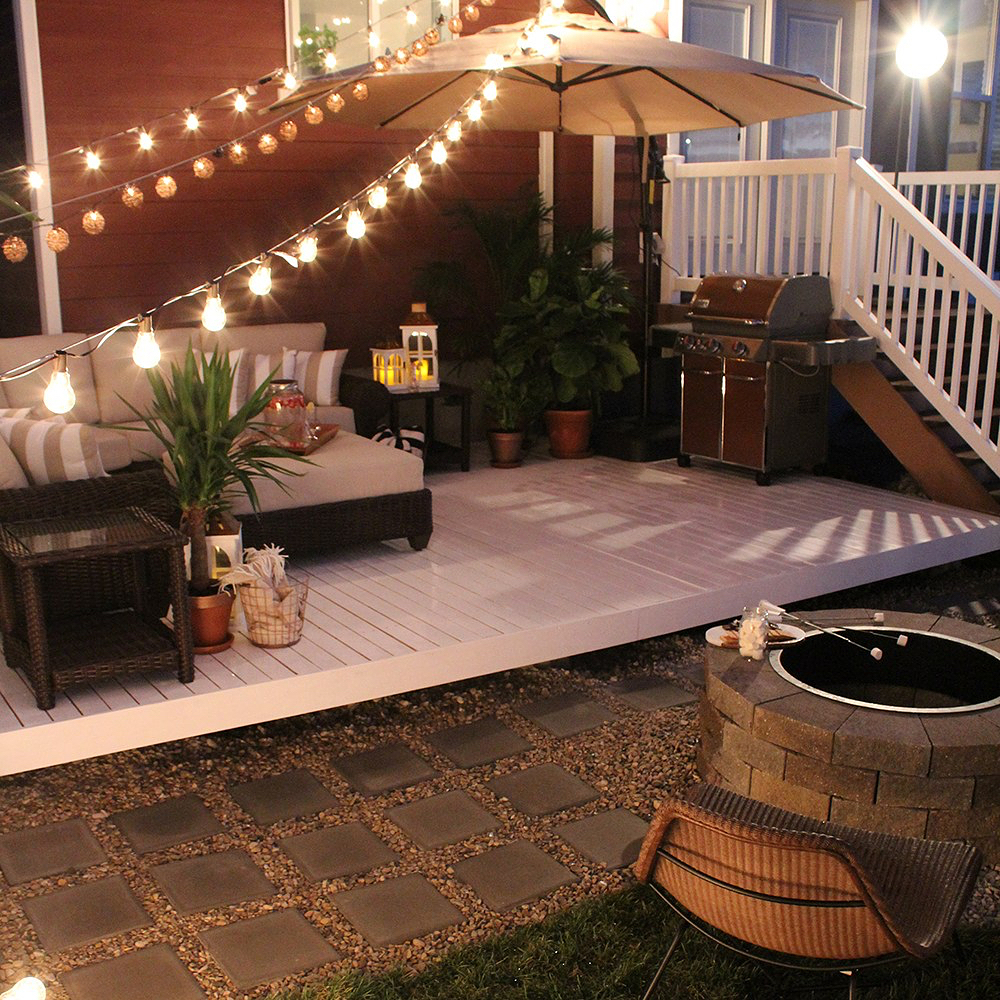
- String lights for a cozy, inviting glow
- Spotlights for highlighting plants or features
Simple designs avoid visual clutter. Light colors like white or black blend well with most yards. Match fixture style with your outdoor decor for a unified look.
Layering Lighting Elements
Layering lighting elements creates a balanced and inviting atmosphere in a small yard. Combining different types of light improves visibility and highlights key features. It also adds depth and warmth, making the space feel larger and cozier. Use a mix of ambient, task, and accent lighting to cover all needs.
Ambient Lighting
Ambient lighting provides overall illumination. It sets the mood and ensures safe movement around the yard. Soft lights like string lights or lanterns work well for this. Solar garden lights or low-voltage LED fixtures also offer gentle, even light. Keep ambient lighting warm and subtle to avoid harshness.
Task Lighting
Task lighting focuses on specific areas where activities happen. Use it near seating, dining, or grill spots. Bright, direct lights help with cooking, reading, or socializing. Options include adjustable spotlights or focused LED lamps. Position task lights carefully to prevent glare and shadows.
Accent Lighting
Accent lighting highlights special features like plants, sculptures, or pathways. It adds texture and interest to your yard. Use small spotlights, uplights, or pathway lights for this purpose. Accent lighting creates visual layers and draws attention to favorite spots. Choose fixtures that complement your yard’s style.
Highlighting Features
Lighting a small yard well means focusing on its best parts. Highlighting features draws attention and creates a cozy mood. It makes the space feel larger and more inviting at night.
Focal Points And Pathways
Use lights to show off special spots in your yard. Highlight statues, fountains, or garden art with spotlights. This creates a clear focus for the eyes.
Light pathways softly to guide guests safely. Low-level lights along paths add charm and stop tripping hazards. Choose warm light for a gentle, welcoming feel.
Illuminating Plants And Foliage
Shine lights upward to reveal the shape and color of plants. Uplighting trees and shrubs adds depth and texture to your yard.
Use subtle lighting to make leaves and flowers glow. This adds life to your space and keeps it interesting after dark.
Energy Efficiency Tips
Energy efficiency is key to lighting a small yard smartly. It lowers your electricity bills and helps the environment. Using the right products and technology can make a big difference. This section covers simple ways to save energy while keeping your yard bright and welcoming.
Led Vs. Traditional Bulbs
LED bulbs use up to 75% less energy than traditional bulbs. They last much longer, reducing the need for frequent replacements. LEDs give bright, clear light that enhances your yard’s appearance. Traditional bulbs waste energy as heat and burn out faster.
Choose LED bulbs for outdoor lighting to save money and energy. They work well in all weather conditions and are safer to use. Switching to LEDs is a smart, cost-effective choice for any yard.
Smart Lighting Solutions
Smart lighting systems help control yard lights efficiently. Use timers to turn lights on only when needed. Motion sensors activate lights only when movement is detected. This cuts down on wasted energy and keeps your yard secure.
Smart bulbs can be dimmed or scheduled via apps. This gives you full control and saves power. Investing in smart solutions makes your yard lighting flexible and energy-wise.

Credit: www.goodhousekeeping.com
Diy Lighting Ideas
DIY lighting ideas can transform your small yard into a warm and inviting space without breaking the bank. You don’t need fancy equipment or professional help to create beautiful lighting effects. Simple, creative solutions can brighten your outdoor area and add charm that reflects your personal style.
Creative Lanterns
Lanterns are a classic way to add cozy light to your yard. You can customize them easily by painting plain glass jars or tins in colors that match your outdoor decor.
Try hanging lanterns at different heights using sturdy hooks or tree branches. This creates layers of light that make your yard feel larger and more dynamic.
Battery-operated LED candles inside lanterns provide a safe, flickering glow without the worry of open flames. Have you ever noticed how a few well-placed lanterns can turn a simple corner into a magical nook?
Repurposing Everyday Objects
Look around your home for objects that can serve a new purpose as outdoor lights. Old colanders, wine bottles, or even tin cans can be transformed into unique light fixtures.
Poke holes in a metal container to create patterns that cast interesting shadows when lit. Fill glass bottles with fairy lights and place them along pathways or on tables for soft illumination.
Using items you already have not only saves money but adds a personal touch to your lighting design. What ordinary object in your home could become the star of your yard’s lighting?
Safety Considerations
Lighting a small yard enhances its charm and usability. Safety is a key part of effective lighting. Poor safety can cause accidents or damage. Proper steps must be taken to keep the space secure.
Proper Installation
Install lights with care to avoid hazards. Use the right tools and follow manufacturer instructions. Secure wires to prevent tripping or damage. Place lights away from flammable materials. Ensure all connections are tight and insulated. Test the setup before finalizing installation.
Weatherproofing And Durability
Choose lights made for outdoor use. Waterproof fixtures resist rain and moisture. Use covers and seals on electrical parts. Select materials that withstand sun and wind. Check for rust-resistant metals or coated surfaces. Regularly inspect lights for wear and tear. Replace damaged parts immediately to avoid risks.
Seasonal Adjustments
Seasonal adjustments help keep your small yard lighting practical and beautiful all year. Changing weather and holidays call for different lighting styles. Adjusting your lights ensures safety, enhances mood, and fits each season’s vibe.
Adapting To Weather Changes
Switch to weather-resistant lights during rainy or snowy months. Use warm white bulbs for colder seasons to create a cozy feel. Brighten pathways more in darker winter evenings for safety. In spring and summer, opt for softer lighting to keep the yard cool and inviting. Store delicate decorations safely when storms approach.
Festive And Thematic Lighting
Decorate with colorful lights during holidays or celebrations. Choose string lights or lanterns to match festive themes. Use timers to save energy and automate your displays. Combine different light shapes and colors for a lively look. Simple changes create big effects without cluttering the space.
Frequently Asked Questions
How Do I Choose The Best Lights For A Small Yard?
Select compact, low-glare LED lights for energy efficiency. Use warm tones to create a cozy atmosphere. Avoid oversized fixtures that overwhelm space. Solar-powered lights offer easy installation without wiring.
What Is The Ideal Lighting Layout For A Small Yard?
Use layered lighting with ambient, task, and accent lights. Place path lights along walkways for safety. Highlight focal points like plants or sculptures with spotlights. Keep fixtures spaced evenly to avoid dark spots.
How Can I Save Energy While Lighting My Yard?
Use LED bulbs that consume less power and last longer. Install motion sensors to light areas only when needed. Choose solar-powered options to reduce electricity use. Set timers to turn lights off automatically at dawn.
What Lighting Styles Enhance Small Yard Aesthetics?
String lights create a festive, inviting vibe. Lanterns add charm and soft illumination. Recessed ground lights offer subtle, modern accents. Mix styles carefully to maintain a balanced look.
Conclusion
Effective lighting makes small yards feel warm and inviting. Use a mix of lights to highlight plants, paths, and seating areas. Soft, focused lights create cozy spots without glare. Solar lights save energy and are easy to install. Keep safety in mind by lighting walkways well.
Remember, simple lighting changes can brighten your outdoor space. Enjoy your small yard day and night with thoughtful lighting choices.
