
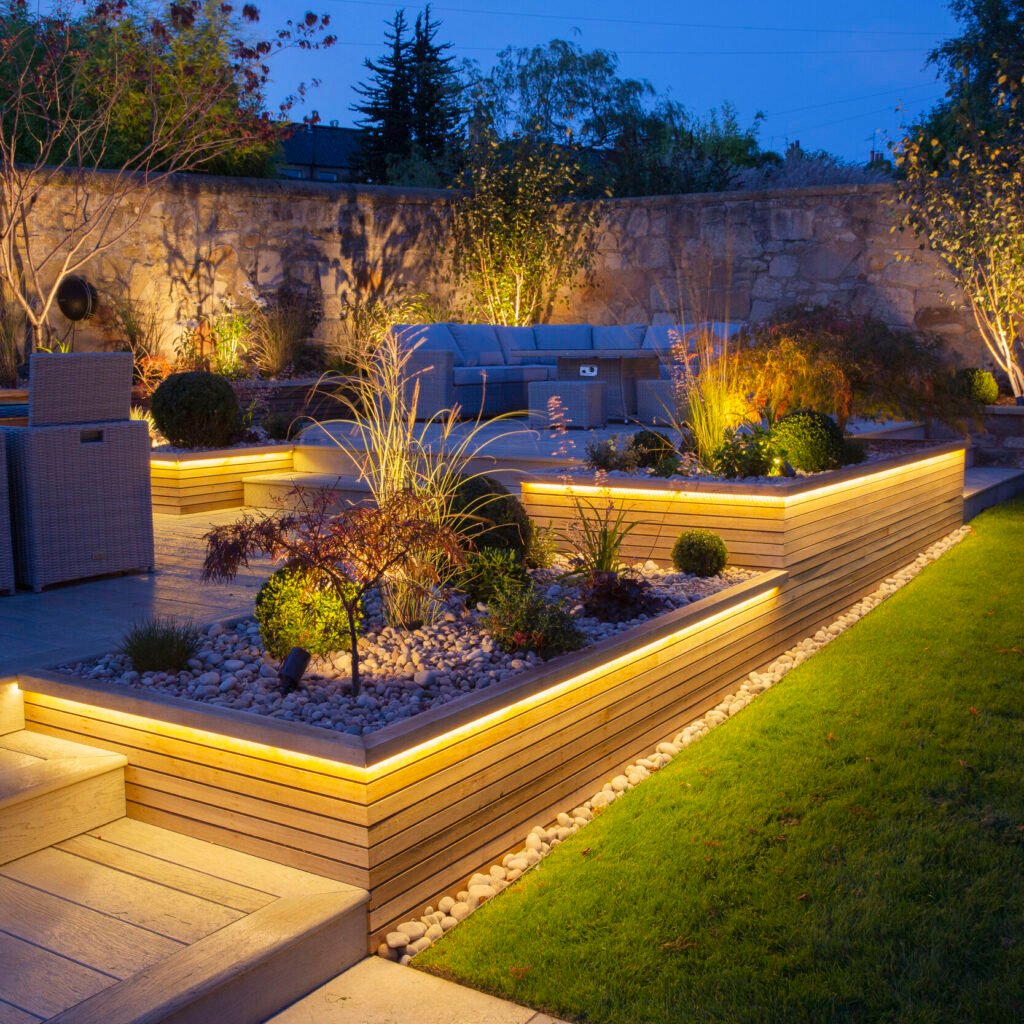
Do you want your garden beds to stand out even after the sun goes down? Lighting can transform your outdoor space, making your plants and flowers shine in a whole new way.
Imagine stepping outside to a glowing garden that feels warm, inviting, and beautifully designed. You’ll discover simple, effective ways to highlight your garden beds with lighting. Whether you’re aiming for a subtle glow or a dramatic effect, these tips will help you create a stunning nighttime garden that you’ll love showing off.
Keep reading to learn how to make your garden the star of the evening.
Choosing The Right Garden Lights
Choosing the right garden lights transforms the look of garden beds at night. The correct lighting can highlight colors, shapes, and textures. It creates a warm and inviting outdoor space. Selecting lights depends on style, function, and energy use. Knowing different types and energy options helps make smart choices for your garden.
Types Of Garden Lights
Garden lights come in many styles to suit different needs. Spotlights focus on specific plants or features. Path lights guide visitors safely through garden paths. String lights add charm and softness to the space. Floodlights offer broad illumination for larger areas. Solar lights charge during the day and glow at night. Each type has a unique role in garden lighting design.
- Spotlights:Highlight trees, statues, or flower beds.
- Path Lights:Illuminate walkways for safety and style.
- String Lights:Create cozy, festive atmosphere.
- Floodlights:Brighten wide garden spaces quickly.
- Solar Lights:Eco-friendly, no wiring needed.
Energy-efficient Options
Energy-efficient garden lighting saves money and reduces environmental impact. LED lights use less power and last longer than traditional bulbs. Solar-powered lights use sunlight, eliminating electricity costs. Timers and motion sensors cut energy use by turning lights off automatically. Choose energy-smart options to enjoy beautiful gardens without high bills.
| Light Type | Energy Use | Benefits |
|---|---|---|
| LED | Low | Long life, bright light, low heat |
| Solar | None (solar powered) | No wiring, easy installation, eco-friendly |
| Halogen | High | Bright light, but uses more energy |

Credit: lodhigarden.com
Designing Your Lighting Layout
Designing your lighting layout is key to making garden beds look stunning at night. A good plan highlights beauty and creates mood. Think about where to place lights for best effect. Balance brightness with shadows to keep it natural and inviting. Consider how light moves across plants and paths.
Focal Points In The Garden
Identify the main spots you want to showcase. Focus on unique plants, sculptures, or water features. Use brighter lights to draw attention here. Position lights low for upward glow or high for a soft wash. Keep focal points clear and simple to avoid clutter.
Balancing Light And Shadows
Mix light with shadows to add depth and interest. Avoid too much brightness that flattens the scene. Use softer lights around edges of beds for subtle highlights. Shadows create texture and make plants stand out. Try layering different light levels for a natural feel.
Installation Tips For Garden Lighting
Installing lighting in your garden beds can transform your outdoor space, but doing it right requires some thoughtful planning and preparation. Proper installation ensures your lights look great, work efficiently, and last longer. Let’s look at key tips that will help you install garden lighting safely and effectively.
Safety Precautions
Safety should always come first when working with garden lighting, especially since you’re dealing with electricity outdoors. Always turn off the power source before starting any installation. This simple step can prevent serious shocks or accidents.
Check the weather forecast before you begin. Avoid working in wet or damp conditions to reduce the risk of electrical hazards. Also, use lighting fixtures rated for outdoor use to withstand rain and moisture.
Be cautious about where you place your wiring. Keep cables away from sharp edges and avoid burying them too shallowly where they might get damaged by gardening tools. Have you ever tripped over a hidden wire? Proper placement can prevent that.
Tools And Materials Needed
Gathering the right tools and materials before you start will save time and frustration. Here’s a quick list to help you prepare:
- Outdoor-rated garden lights:Choose LED lights for energy efficiency and durability.
- Low-voltage transformer:Ensures safe voltage for garden lighting.
- Wire connectors and waterproof tape:Protect connections from moisture.
- Shovel or trenching tool:For burying cables safely underground.
- Wire stripper and screwdriver:For connecting wires securely.
- Voltage tester:To check the power and connections.
Having these tools ready means you won’t have to stop midway to find something. It’s surprising how a missing tool can stall progress and test your patience.
Credit: www.decorshine.net
Creative Lighting Techniques
Creative lighting can transform garden beds into stunning night-time features. It adds depth, texture, and mood to outdoor spaces. Thoughtful lighting draws attention to plants and highlights garden shapes. Different techniques bring unique effects. Try combining several styles for a balanced look.
Uplighting For Dramatic Effects
Uplighting casts light from the ground upwards. It creates striking shadows and highlights plant shapes. This technique works well for trees, shrubs, and tall flowers. Place lights near the base of plants. The light shines up along stems and leaves. It adds height and drama to the garden bed.
Use LED spotlights for focused beams. Adjust angles to avoid glare. Warm white bulbs bring a natural glow. Uplighting also enhances textures like bark or flower petals. It can make your garden look magical and inviting after dark.
Path Lighting For Safety And Ambiance
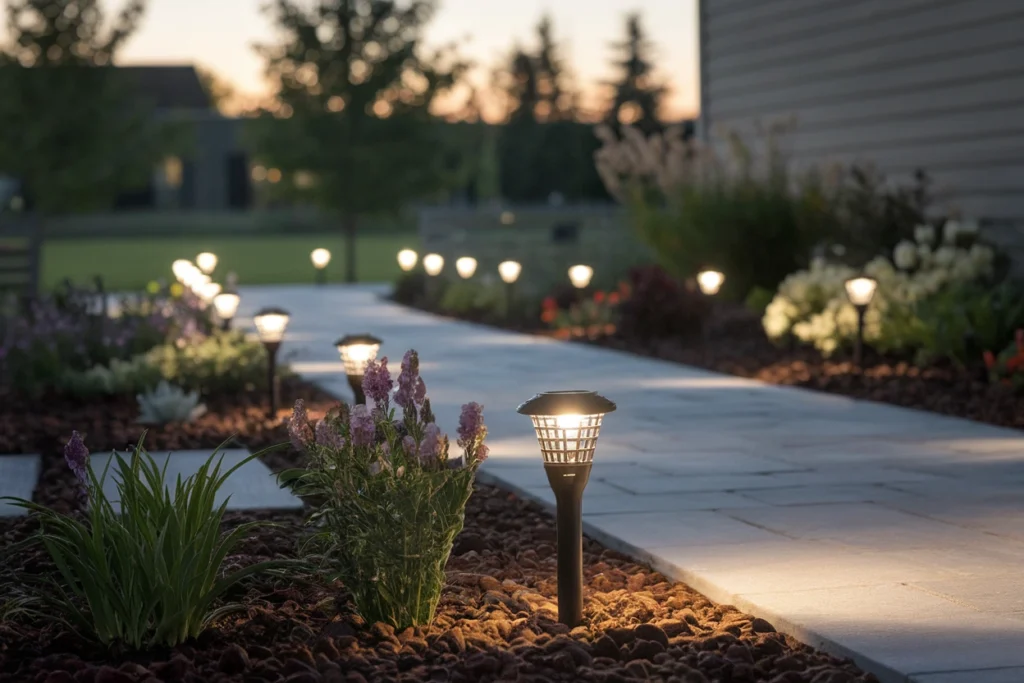
Path lighting guides visitors safely through garden beds. It defines walkways and edges. Small lights along paths create a welcoming atmosphere. They prevent tripping hazards in low light. Choose low-level fixtures for subtle illumination.
Solar path lights are energy-efficient and easy to install. They turn on automatically at dusk. Use soft white or amber bulbs for warmth. Space lights evenly for consistent brightness. Path lighting adds charm and function to your garden at night.
Enhancing Plant Features With Light
Lighting can transform garden beds after dark by enhancing the natural beauty of plants. It draws attention to unique shapes, textures, and colors. Proper lighting creates depth and mood, turning a simple garden into a stunning nighttime display.
Strategic placement and the right type of light help showcase plants in their best form. Soft glows highlight delicate details, while focused beams bring out vivid colors. Thoughtful lighting makes your garden feel alive and inviting, even at night.
Highlighting Foliage
Use uplights to emphasize interesting leaf shapes and textures. Light shining from below creates dramatic shadows and depth. Choose warm white bulbs to give foliage a natural look. Moving lights gently over leaves adds dynamic motion and life.
Plants with large leaves or unique patterns respond well to this technique. Variegated leaves catch light in different ways, increasing visual interest. Group plants with similar colors and textures for a unified effect.
Accentuating Bloom Colors
Colored or white spotlights work well to make flowers stand out. Light enhances petal colors, making them more vibrant at night. Position lights close to blooms to avoid washing out colors. Angle lights to reduce glare and highlight flower shapes.
Bright flowers like reds, yellows, and pinks shine under focused lighting. Cooler lights bring out blues and purples without dulling them. Use soft light for delicate flowers to preserve their gentle beauty.
Seasonal Lighting Adjustments
Adjusting your garden bed lighting with the seasons keeps your outdoor space lively and inviting all year round. Seasonal lighting adjustments help highlight the changing colors, textures, and shapes in your garden as plants grow, bloom, or go dormant. You can create a fresh look without overhauling your entire setup, making your garden feel thoughtfully curated and vibrant throughout the year.
Adapting To Seasonal Changes
As the seasons shift, so do your garden’s features. In spring and summer, focus your lights on blooming flowers and lush greenery. Use softer, warmer bulbs to enhance the natural colors and create a cozy atmosphere.
During fall, highlight the warm tones of changing leaves and textured bark. Consider using amber or orange lights to emphasize autumn hues. In winter, when most plants are bare, spotlight evergreens or garden sculptures to maintain interest.
Think about adjusting the angle and brightness of your lights too. Lower angles can create dramatic shadows in winter, while wider spreads work well in summer to cover larger foliage. How often do you revisit your lighting setup to match your garden’s evolving look?
Holiday Lighting Ideas
Holidays are a perfect excuse to add some sparkle to your garden beds. For Halloween, use orange and purple lights to create a festive, spooky vibe. String lights wrapped around plants or pathway markers can add playful detail.
During the winter holidays, white or multicolored LED lights can turn your garden into a magical wonderland. Place small spotlights on evergreens or wrap fairy lights around branches for subtle elegance. You can also mix in solar-powered lanterns for a gentle glow without extra wiring.
Don’t forget special occasions like birthdays or summer barbecues. Colored lights or themed decorations can make your garden beds stand out and enhance the celebration mood. What creative lighting ideas have you tried to make your garden a centerpiece for holiday fun?
Maintaining Your Garden Lights
Maintaining your garden lights ensures they keep shining bright and continue to highlight your garden beds beautifully. Regular upkeep not only extends their lifespan but also keeps your outdoor space safe and inviting. Neglecting maintenance can lead to dim lights, flickering, or complete failure just when you want your garden to look its best.
Cleaning And Care Tips
Dirt and debris can quickly dull your garden lights, reducing their brightness. Clean the fixtures gently with a soft cloth and mild soap to avoid scratching the surface. Avoid harsh chemicals that could damage the finish or plastic components.
Check for spider webs or leaves that might block the light. If your lights have glass covers, wipe them regularly to keep the light clear and vibrant. Consider cleaning your lights every few weeks, especially after heavy rain or wind.
Inspect wiring and connections for signs of wear or corrosion. Moisture buildup can cause problems, so ensure your fixtures are sealed properly. A little care goes a long way in keeping your lights glowing consistently.
Troubleshooting Common Issues
If your garden lights are flickering or not turning on, start by checking the power source. Loose connections or damaged wires are often the culprits. Tighten any loose screws and replace frayed wires to restore proper function.
Solar garden lights sometimes stop working because the solar panel is dirty or not receiving enough sunlight. Clean the panel and reposition the lights if necessary to maximize sun exposure. Dead batteries might also need replacing to keep your lights running smoothly.
Is one light dimmer than the others? The bulb might be nearing the end of its life or there could be a voltage drop. Swap bulbs to test this or consult a professional if the problem persists. Don’t let small issues ruin your garden’s evening charm.

Credit: www.lightmyhouse.net
Frequently Asked Questions
What Types Of Lighting Work Best For Garden Beds?
LED spotlights and solar-powered lights work best. They highlight plants effectively and save energy. Choose warm white tones for a natural look.
How Do I Position Lights To Highlight Garden Beds?
Place lights at ground level, angled upward. Illuminate focal plants and avoid harsh shadows. Use multiple lights for even coverage and depth.
Can Garden Bed Lighting Improve Nighttime Safety?
Yes, lighting improves visibility and deters intruders. It also reduces tripping hazards near paths and steps. Well-lit garden beds enhance safety and aesthetics.
Are Solar Lights Effective For Garden Bed Highlighting?
Solar lights are cost-effective and easy to install. They work well in sunny areas but may dim on cloudy days. Regular maintenance ensures optimal performance.
Conclusion
Garden bed lighting adds charm and safety to your outdoor space. Choose lights that suit your garden’s style and needs. Place them thoughtfully to highlight plants and paths. Use warm tones for a cozy, inviting feel. Regular checks keep lights working well all year.
Small changes bring big impact to garden beauty. Try different angles to find the best effect. Enjoy your garden more, day and night. Simple lighting makes your garden a place to relax. Brighten your outdoor space with easy, smart lighting choices.
