
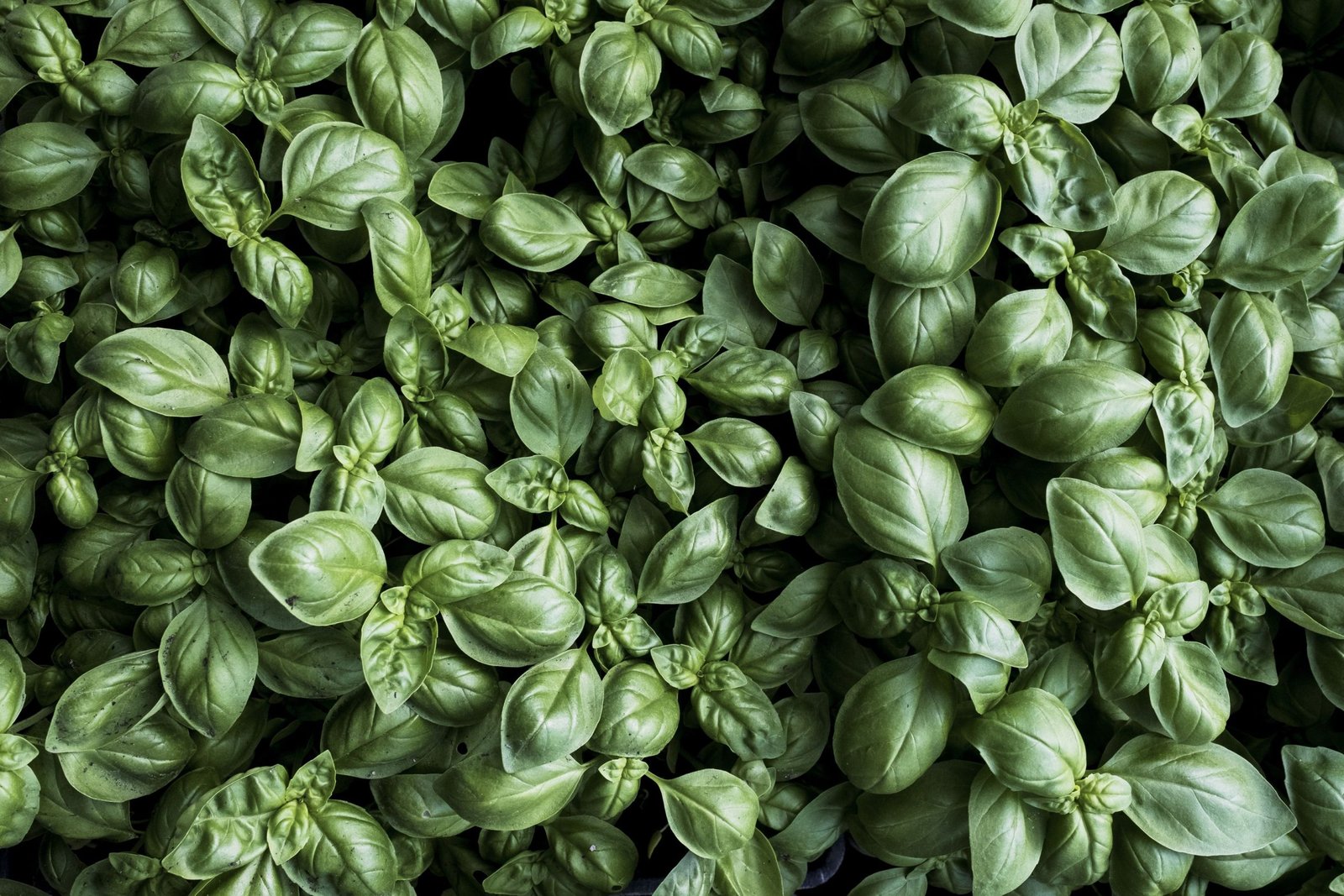
Are you ready to enjoy fresh, fragrant basil all summer long? Growing basil in your own garden is easier than you think, and it brings a burst of flavor to your meals that store-bought leaves just can’t match.
Whether you have a big backyard or a small balcony, you can grow healthy basil plants that thrive in the summer heat. In this guide, you’ll discover simple steps to help your basil flourish, avoid common mistakes, and keep your plants lush and green.
Keep reading, and soon you’ll be picking your own fresh basil for pasta, salads, and more!
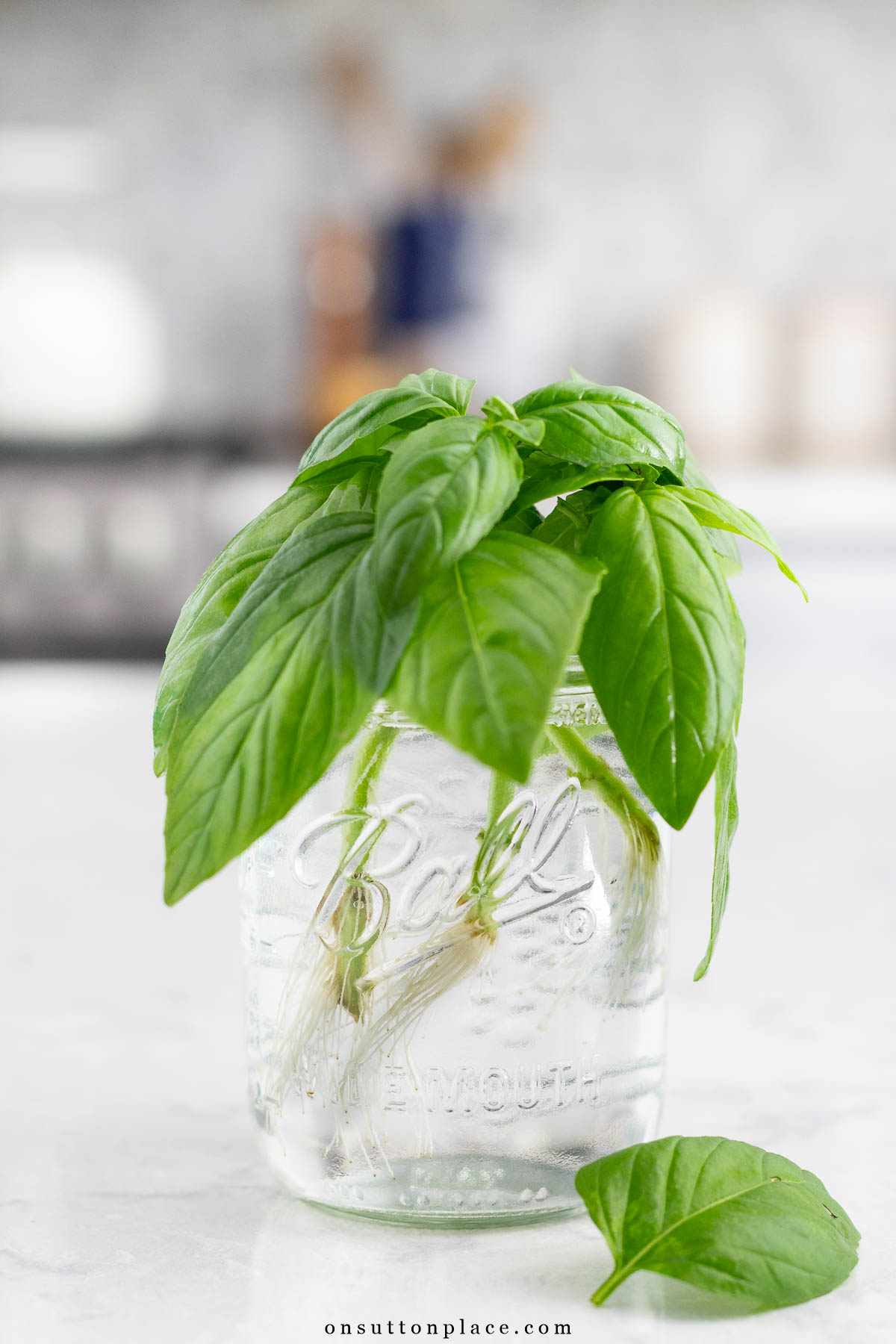
Credit: www.onsuttonplace.com
Choosing The Right Basil Variety
Choosing the right basil varietyhelps your plant thrive in summer heat. Some types grow better in hot weather than others. Sweet basil is the most common and grows well in warm conditions. Thai basil has a spicy flavor and handles heat nicely. Lemon basil adds a fresh citrus taste and stays strong in the sun.
Consider these factors:
- Flavor:Sweet, spicy, or lemony?
- Heat tolerance:Some types resist summer heat better.
- Plant size:Some grow tall, others stay small.
- Leaf shape and color:Green, purple, or variegated leaves.
Choosing a variety that fits your taste and climate makes growing basil easier. Try a few types to find your favorite.
Optimal Planting Conditions
Basil thrives in warm temperatures and full sunlight during summer. Plant in well-drained soil and water regularly to keep the soil moist but not wet.
Sunlight Requirements
Basil needs at least 6 hours of sunlightevery day. Full sun helps the plant grow strong and healthy. Too little light can make basil leaves weak and pale. Morning sunlight is the best because it is not too hot.
Soil Preparation
Soil should be well-drained and richin nutrients. Use compost or organic matter to improve soil quality. Basil prefers soil with a pH between 6 and 7. Avoid waterlogged soil to prevent root rot. Loosen the soil before planting to help roots spread easily.
Planting Techniques
Plant basil seedsabout ¼ inch deep in moist soil. Keep the soil warm and damp. Basil seeds usually sprout within 5 to 10 days. Use seed trays or small pots for better control. Place them in a sunny spot with at least 6 hours of light daily. Thin seedlings once they have two sets of leaves, leaving the strongest plants.
Transplant seedlings when they are 3 to 4 inches tall. Choose a spot with well-drained soil and full sun. Space plants about 12 inches apart to allow room for growth. Water gently after planting to help roots settle. Avoid transplanting on very hot days to reduce shock.
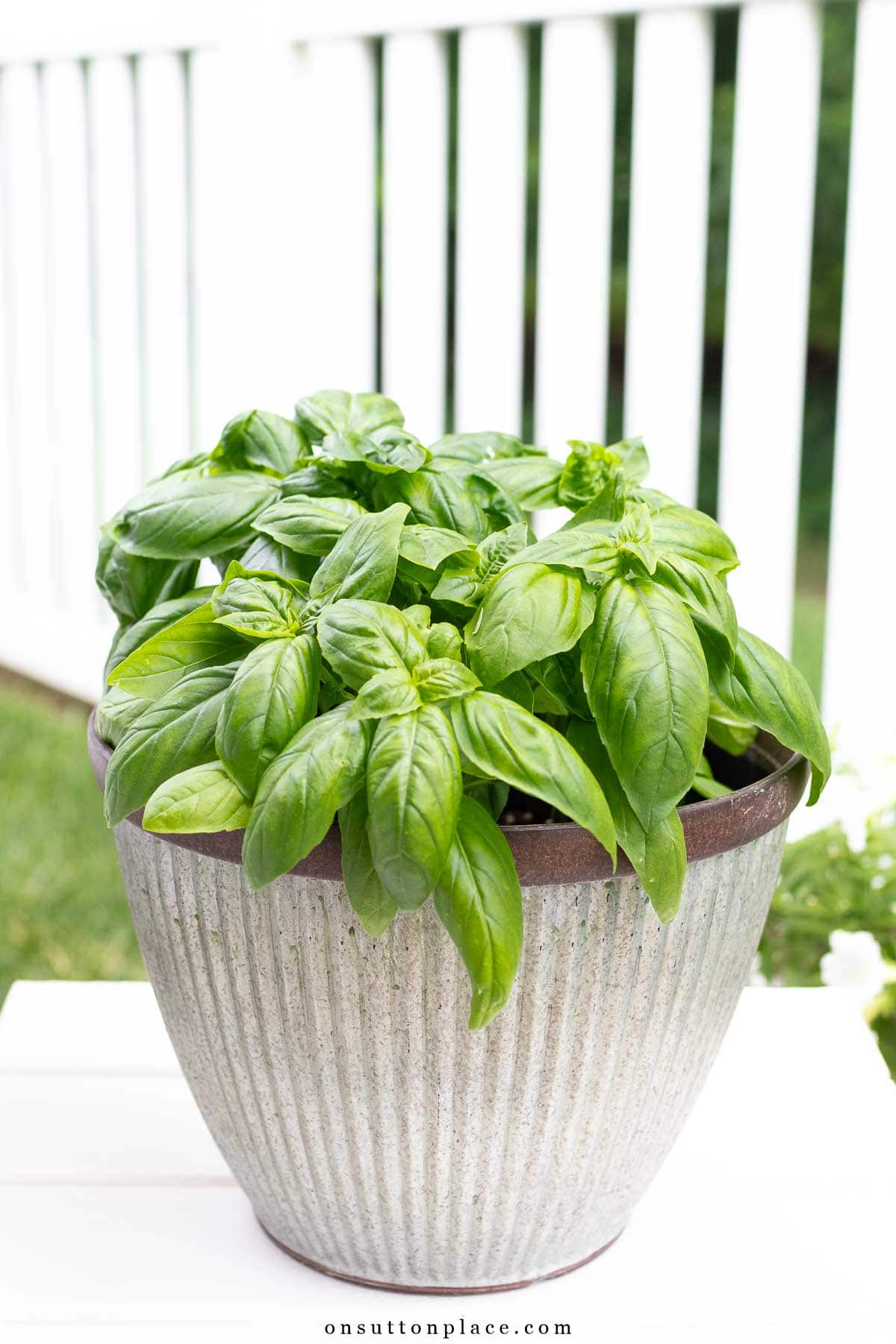
Credit: www.onsuttonplace.com
Watering Strategies
Basil needs consistent wateringto grow well during summer. Water the plant early in the morningto keep the soil moist all day. This helps the leaves stay fresh and healthy.
Check the soil before watering. If the top inch feels dry, it is time to water. Avoid watering too often to stop root rotand other problems.
- Water deeply but less frequently for strong roots.
- Avoid watering the leaves to prevent disease.
- Use well-drained soil to stop water from sitting around roots.
Too much water can harm basil plants. Yellow leaves or wilting show overwatering. Let the soil dry a bit before watering again. Proper watering keeps basil happy and growing strong.
Fertilizing For Growth
Organic fertilizershelp basil grow strong and healthy. Compost, worm castings, and fish emulsion are great choices. These options add nutrientswithout chemicals. They improve soil texture and keep roots happy.
Apply fertilizer every 3 to 4 weeks during summer. Use a small amount to avoid burning the plant. Water the basil well after fertilizing to help nutrients reach roots.
| Fertilizer Type | Benefits | Application Frequency |
|---|---|---|
| Compost | Improves soil and adds nutrients | Every 4 weeks |
| Worm Castings | Rich in nutrients and gentle on roots | Every 3-4 weeks |
| Fish Emulsion | Quick nutrient boost for leaves | Every 3 weeks |
Pest And Disease Management
Common peststhat attack basil include aphids, spider mites, and whiteflies. These pests suck the sap from leaves, causing damage and weak plants. Use a gentle spray of water to remove pests. Introducing beneficial insectslike ladybugs helps control pests naturally. Sticky traps also catch flying pests effectively.
Preventing diseasesstarts with good airflow around plants. Avoid overcrowding and water the soil, not the leaves, to reduce fungal growth. Remove any dead or yellow leaves promptly. Use well-drained soil to stop root rot. Crop rotation helps keep the soil healthy and free from disease buildup.
Pruning And Harvesting
Pruningbasil regularly helps keep plants healthy and strong. Cut just above a leaf pair to encourage new branches. Removing flower buds early stops the plant from going to seed. This keeps leaves tender and flavorful.
Harvestingoften encourages more leaf growth. Pick leaves from the top, leaving enough foliage for the plant to grow. Avoid taking more than one-third of the plant at a time to prevent stress.
| Task | Tip | Benefit |
|---|---|---|
| Pruning | Trim above leaf pairs | Promotes bushier growth |
| Removing Flowers | Pinch off flower buds early | Keeps leaves flavorful |
| Harvesting | Pick top leaves often | Maximizes leaf production |
Preserving And Storing Basil
Drying basilhelps keep its flavor for months. First, wash leaves gently and pat dry. Tie stems in small bunches with string. Hang them upside down in a warm, dry place. Avoid sunlight to keep color and taste. After leaves become crisp, crumble them into a jar. Store in an airtight container away from light.
Freezing basilkeeps it fresh and ready to use. Chop leaves and place in ice cube trays. Fill trays with water or olive oil and freeze. Once frozen, pop out cubes and store them in a freezer bag. Use these cubes directly in cooking for fresh basil flavor. Another way is to freeze whole leaves flat on a tray, then bag them after frozen.

Credit: www.youtube.com
Frequently Asked Questions
How Often Should I Water Basil In Summer?
Basil needs consistent moisture but not soggy soil. Water it every 1-2 days during hot summer. Check soil dryness to avoid overwatering.
What Is The Best Soil For Growing Basil?
Basil thrives in well-draining, nutrient-rich soil. Use a mix with compost and organic matter. Ensure soil pH ranges between 6. 0 and 7. 5.
How Much Sunlight Does Basil Need In Summer?
Basil requires 6 to 8 hours of direct sunlight daily. Full sun promotes healthy growth and vibrant leaves during summer.
Can I Grow Basil Indoors During Summer?
Yes, basil can grow indoors if placed near a sunny window. Use well-draining pots and water regularly to mimic outdoor conditions.
Conclusion
Growing basil in summer brings fresh flavor to your kitchen. Keep the soil moist but not too wet. Place your plant where it gets plenty of sunlight daily. Trim the leaves often to encourage new growth. Watch out for pests and remove them quickly.
With regular care, your basil will thrive and stay healthy. Enjoy the bright green leaves in salads, sauces, and drinks. Growing basil yourself saves money and tastes better than store-bought. Try these simple steps to grow basil successfully this summer.
Your garden will thank you for it!
