
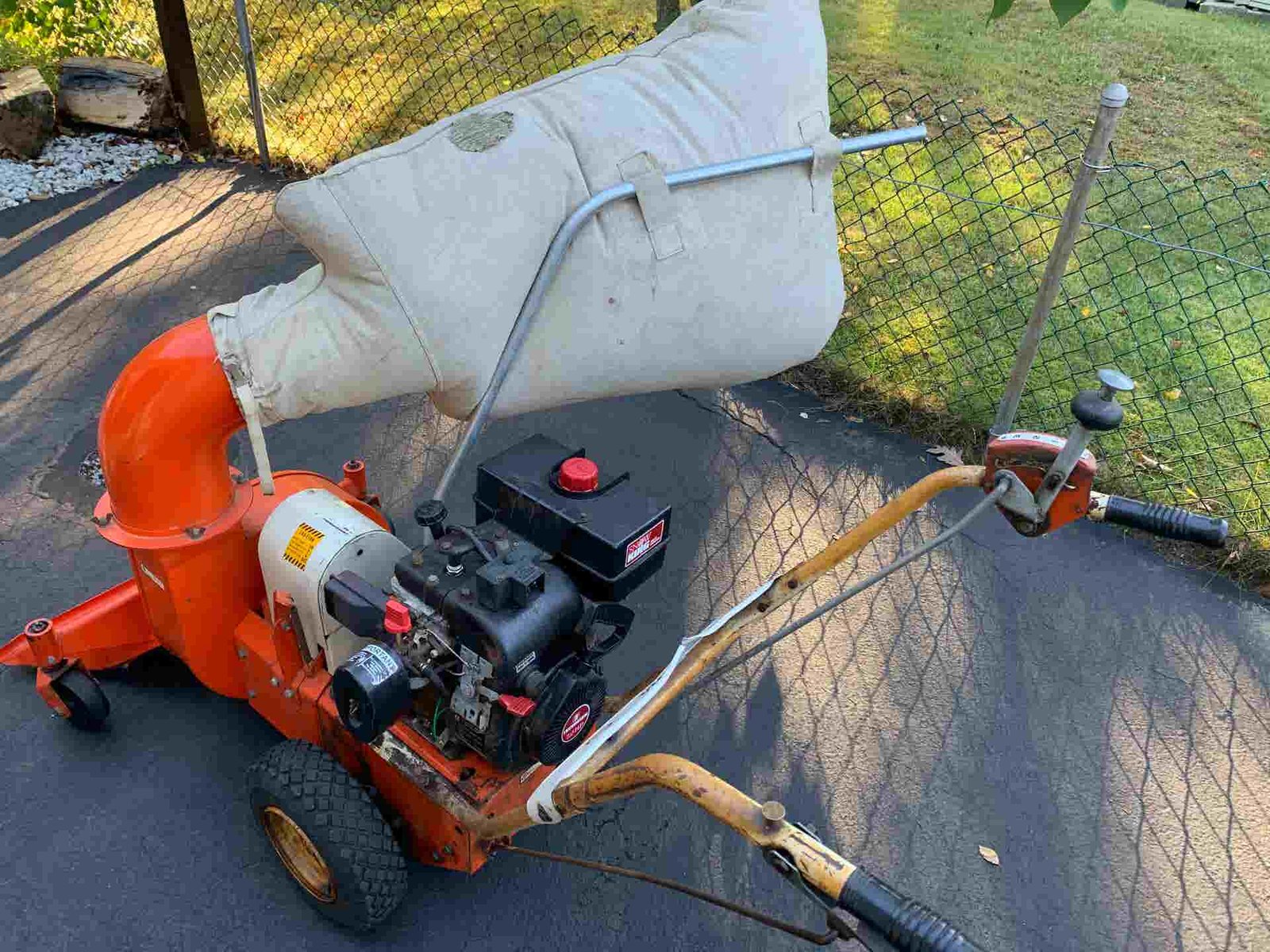
Is your leaf vacuum not shredding like it used to? You’re not alone.
Many people face issues with their leaf vacuums, especially when it comes to shredding leaves effectively. Imagine effortlessly clearing your yard of leaves, with your vacuum working seamlessly. Sounds great, right? But when shredding problems arise, it can turn a simple task into a frustrating ordeal.
In this guide, you’ll learn how to troubleshoot and fix those pesky shredding issues, ensuring your leaf vacuum works like a charm. Whether it’s a clog or a dull blade, we’ve got you covered with easy-to-follow solutions. Let’s get your leaf vacuum back to its peak performance so you can enjoy a tidy yard without the hassle. Keep reading, and transform your yard clean-up experience!
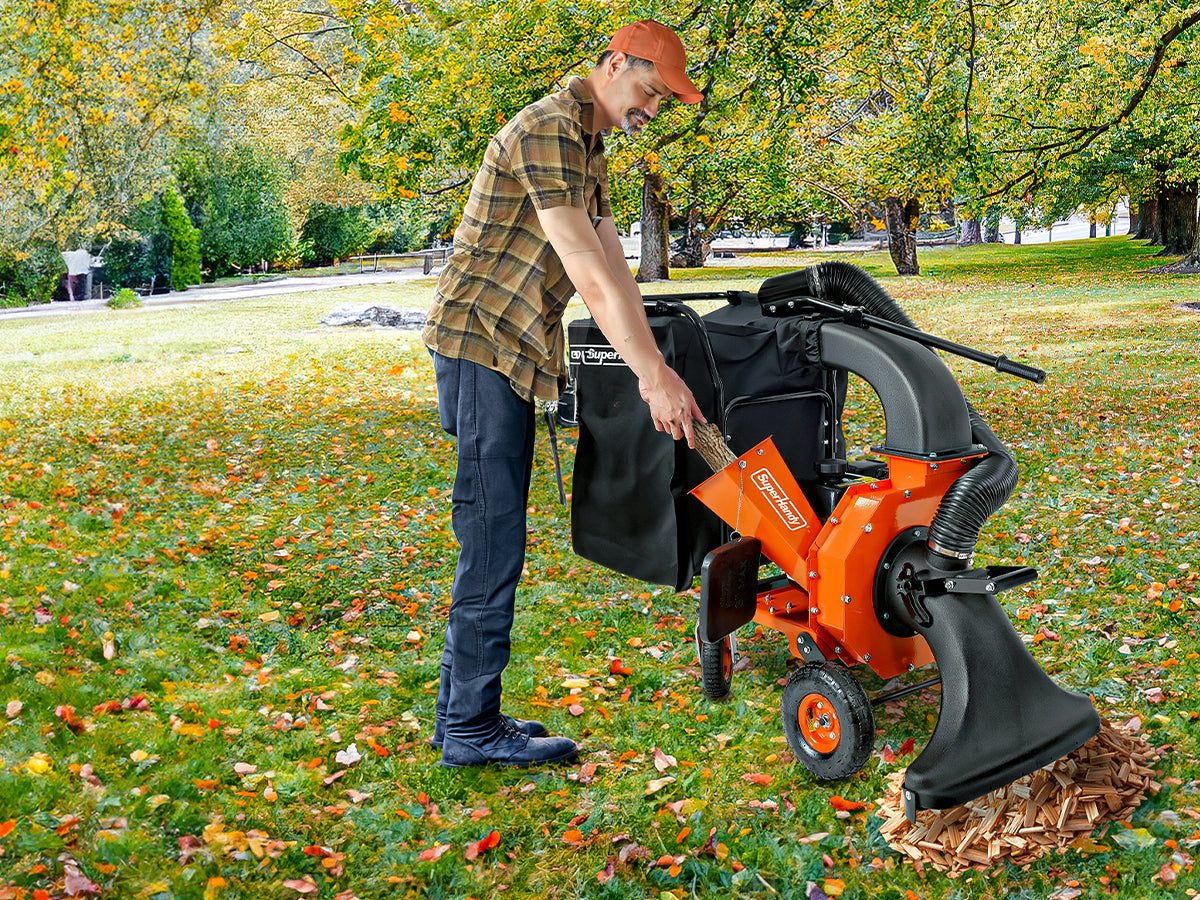
Credit: superhandyus.com
Common Causes Of Shredding Problems
Leaf vacuums help clear leaves by shredding them into small pieces. Sometimes, the shredding does not work well. This causes leaves to clog or fill up faster.
Knowing the common causes of shredding problems can help you fix the vacuum quickly. This saves time and keeps your yard clean.
Blade Dullness And Damage
Blades that are dull or damaged do not cut leaves well. They tear or crush leaves instead of shredding them finely. This reduces the vacuum’s efficiency.
Check the blades for nicks, cracks, or dull edges. Sharpen or replace blades regularly for best results.
- Dull blades tear leaves instead of cutting.
- Damaged blades cause uneven shredding.
- Sharp blades improve shredding quality.
Clogged Intake Or Discharge
Leaves and debris can block the intake or discharge areas. This stops leaves from moving through the vacuum. It also lowers shredding performance.
Check these parts often and remove any clogs. Keep the vacuum clean to maintain strong airflow.
- Leaves can get stuck at the intake.
- Discharge tubes may become blocked.
- Cleaning prevents blockages and damage.
Moist Or Wet Leaves
Wet leaves stick together and do not shred easily. Moisture makes leaves heavy and clumpy. This can cause jams and poor vacuum action.
Try to vacuum leaves only when they are dry. Dry leaves shred faster and flow better through the machine.
- Wet leaves clump and block the vacuum.
- Dry leaves shred into small pieces easily.
- Wait for dry weather before vacuuming.
Incorrect Vacuum Settings
Using wrong settings can hurt shredding. The vacuum speed or suction power may be too low or too high. This affects how well leaves get shredded.
Adjust the settings based on leaf type and amount. Follow the user manual for best shredding performance.
- Low suction causes poor leaf pickup.
- Too high speed can clog the vacuum.
- Proper settings improve shredding quality.
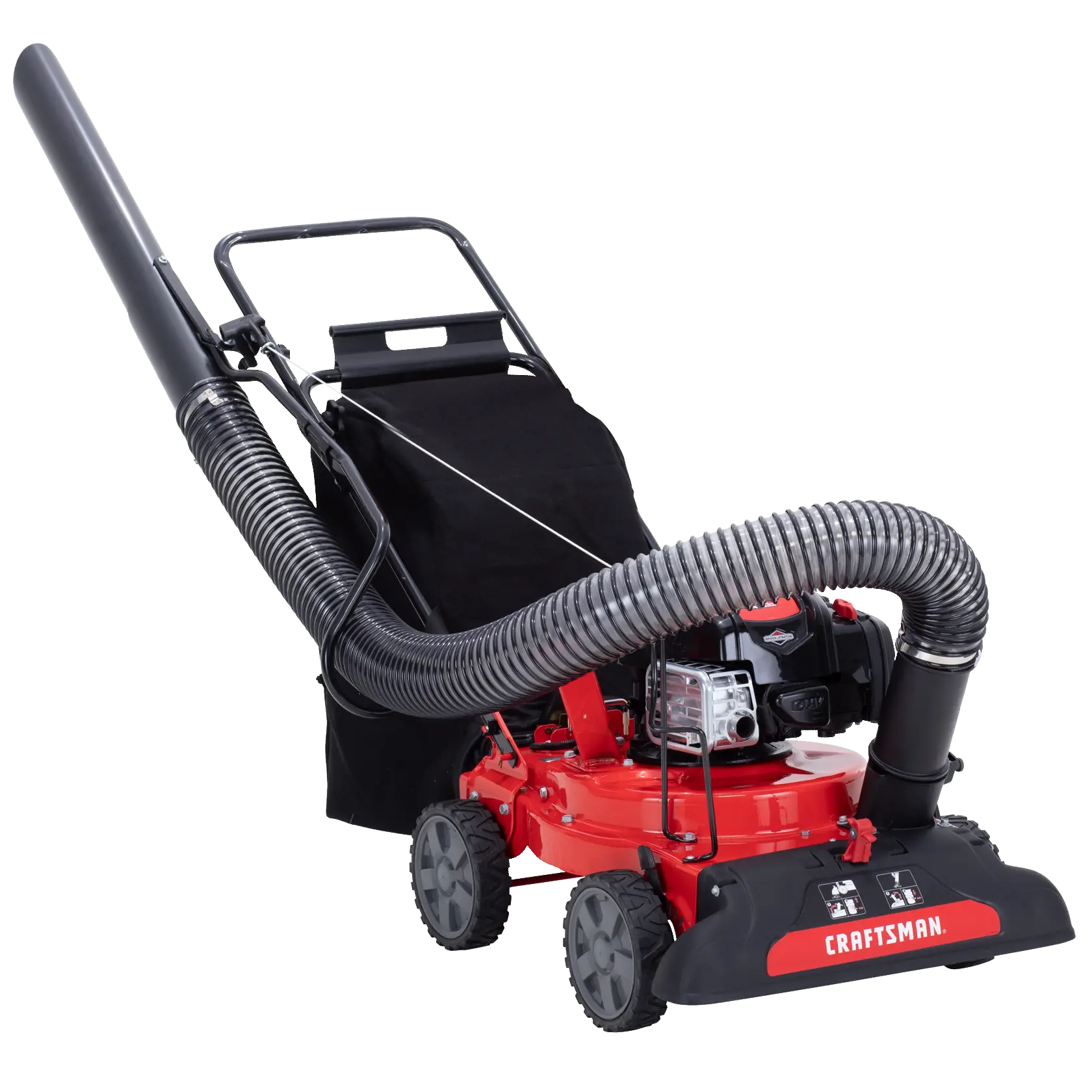
Credit: www.craftsman.com
Blade Maintenance Tips
Keeping your leaf vacuum blades in good shape helps it work well. Sharp blades shred leaves faster and cleaner. Regular care saves you time and avoids damage.
This guide covers how to sharpen, replace, and stay safe while handling blades. Follow these tips to fix shredding problems in your leaf vacuum.
Sharpening Techniques
Dull blades tear leaves instead of cutting them. Sharpen blades often to keep them effective. Use a file, bench grinder, or sharpening stone for best results.
- Remove the blade from the vacuum carefully.
- Secure the blade in a clamp or vise.
- File the cutting edge at the original angle.
- Keep the blade balanced to avoid vibration.
- Reinstall the blade and test the vacuum.
Replacing Worn Blades
Blades that are cracked, bent, or too thin need replacement. Using worn blades can damage your vacuum and reduce shredding quality.
| Blade Condition | Action Needed |
| Minor dullness | Sharpen blade |
| Deep cracks or bends | Replace blade immediately |
| Excessive thinning | Replace blade |
Safety Precautions
Blades are sharp and can cause injury. Always wear gloves and eye protection when working with them. Disconnect power before starting any maintenance.
Follow these safety tips:
- Wear heavy-duty gloves to protect your hands.
- Use safety goggles to shield your eyes from debris.
- Make sure the vacuum is off and unplugged.
- Work on a stable surface to avoid slips.
- Store blades safely when not in use.
Clearing Clogs Effectively
Leaf vacuum shredders can get clogged during use. Clogs reduce their power and efficiency.
Knowing how to clear clogs safely helps keep your machine working well.
Identifying Blockage Points
Clogs often happen where leaves and debris get stuck. Look inside the intake tube. Check the shredder blades for stuck leaves. Also, inspect the collection bag for blockages.
Safe Removal Methods
Turn off the leaf vacuum and unplug it first. Never try to remove clogs while the machine runs. Use tools like a stick or brush to clear blockages. Wear gloves to protect your hands.
- Switch off and unplug the vacuum.
- Open the intake and collection areas.
- Use a stick or brush to push out clogs.
- Wear gloves to avoid cuts.
- Check the blades carefully for stuck debris.
Preventing Future Clogs
Keep your leaf vacuum clean to reduce clogs. Avoid vacuuming wet leaves. Empty the collection bag often. Sharpen blades regularly to help shredding.
| Tip | Why It Helps |
| Vacuum dry leaves only | Wet leaves stick and clog the machine |
| Empty bag regularly | Prevents leaf buildup and blockages |
| Clean intake area | Stops debris from accumulating |
| Keep blades sharp | Improves shredding and reduces jams |
Handling Wet Leaves
Wet leaves can cause problems in leaf vacuum shredders. They tend to clog and do not shred well. Knowing how to handle wet leaves helps keep your machine working smoothly.
This guide explains ways to deal with wet leaves. It covers drying, adjusting vacuum use, and the best time to collect leaves.
Drying Methods
Dry leaves shred easier than wet ones. You can dry leaves before vacuuming to avoid clogs. Spread leaves in thin layers on dry surfaces.
Sunlight and wind help dry leaves quickly. Turn the leaves often to dry all sides. Avoid piling leaves too high as this slows drying.
- Spread leaves thinly on a tarp or driveway
- Leave them in direct sunlight for a few hours
- Turn leaves every hour for even drying
- Keep leaves away from moisture sources
Adjusting Vacuum Usage
Wet leaves need different vacuum settings. Reduce the vacuum power to prevent leaf jams. Use short bursts instead of continuous vacuuming.
Check the shredder blade often. Clean wet leaf buildup to keep the machine working well. Stop if the vacuum clogs and clear it before continuing.
- Lower vacuum power for wet leaves
- Use short vacuum bursts
- Clean blades frequently
- Clear clogs immediately
Best Time For Leaf Collection
Collect leaves when they are dry. Morning dew can make leaves wet. Wait until late morning or afternoon to vacuum leaves.
Choose days with no rain and low humidity. Dry weather helps leaves stay dry longer. Plan leaf collection on sunny, breezy days for best results.
- Collect leaves after morning dew dries
- Pick sunny, dry days
- Avoid collecting after rain
- Choose days with low humidity
Optimizing Vacuum Settings
Leaf vacuum shredders can clog or work poorly if settings are wrong. Adjusting settings helps the machine work well.
Focus on suction power, bag attachment, and how you move the vacuum. These changes improve performance.
Adjusting Suction Power
Set the suction power to match the amount of leaves and debris. Too strong suction can clog the shredder.
Lower suction for light leaves. Use higher suction for wet or heavy piles.
- Check the vacuum manual for power settings.
- Start low and increase if needed.
- Watch for signs of clogging.
Proper Bag Attachment
Attach the collection bag tightly to avoid leaks. Loose bags let leaves escape and reduce suction.
Inspect the bag for holes or tears. Replace if damaged to keep the vacuum working well.
- Secure all clips or fasteners firmly.
- Use the right bag size for your vacuum model.
- Empty the bag before it gets too full.
Speed And Movement Tips
Move the vacuum slowly over leaves. Quick movement can cause missed debris and clogs.
Overlap your passes to pick up all leaves. Avoid staying too long in one spot to prevent blockages.
- Walk at a steady, controlled pace.
- Use smooth, even strokes.
- Stop and clear blockages as soon as you notice them.
Regular Maintenance Practices
Keeping your leaf vacuum in good shape helps it work better and last longer. Regular care can stop shredding problems early.
Simple maintenance tasks after every use keep your machine clean and safe. Checking parts often finds issues before they grow.
Cleaning After Use
Remove dirt and debris from the vacuum after every use. This stops clogs and keeps air flowing well.
- Empty the collection bag or container fully.
- Use a brush or cloth to clean blades and intake areas.
- Check and clear any stuck leaves or twigs.
- Wipe the outside with a damp cloth.
Inspecting Parts Regularly
Look at important parts to catch wear or damage early. Replace or fix parts to keep shredding smooth.
| Part | What to Check | Signs to Fix |
| Blades | Sharpness and balance | Dull edges, bending, or chips |
| Belts | Tension and cracks | Loose fit or visible wear |
| Air Filter | Cleanliness | Blocked or dirty filter |
| Screws and Fasteners | Tightness | Loose or missing parts |
Storage Recommendations
Store your leaf vacuum in a dry, cool place. Proper storage protects it from damage and rust.
Follow these tips for good storage:
- Clean the vacuum before storing.
- Remove the fuel if you won’t use it soon.
- Cover the machine to keep dust away.
- Keep it off the ground to avoid moisture.

Credit: superhandyus.com
Frequently Asked Questions
Why Is My Leaf Vacuum Not Shredding Leaves Properly?
Leaves may be too wet or large for effective shredding. Check for clogged blades or dull cutting edges. Clean and sharpen blades regularly to maintain performance.
How Do I Unclog A Leaf Vacuum Shredder?
Turn off and unplug the vacuum first. Remove debris from the chute and blades carefully. Use a brush or compressed air to clear tight spaces.
Can Wet Leaves Cause Shredding Issues In Leaf Vacuums?
Yes, wet leaves tend to clump and jam the shredder. It is best to vacuum dry leaves for optimal shredding efficiency and less clogging.
How Often Should I Sharpen Leaf Vacuum Blades?
Sharpen blades after every 10-15 uses or when shredding performance drops. Sharp blades ensure clean cuts and prevent motor strain and clogs.
Conclusion
Fixing leaf vacuum shredding problems saves time and effort. Check the blades and clear any blockages often. Keep the vacuum clean and dry for best results. Use the right settings for different leaf types. Small fixes can improve performance greatly.
Stay patient and follow simple steps carefully. Your yard will look neat and tidy soon. Regular care helps your vacuum last longer. Enjoy easier cleanup and less frustration. Simple actions make a big difference every time.
