

Are you confident that your generator is running efficiently and not overloaded? Knowing how to check your generator load is key to keeping it safe and reliable.
If you don’t monitor the load properly, you risk damaging your equipment or facing unexpected power failures. You’ll learn simple and clear steps to measure your generator’s load accurately. By the end, you’ll have the knowledge to protect your generator and get the most out of it every time you use it.
Keep reading to make sure your power source is always working just right for you.
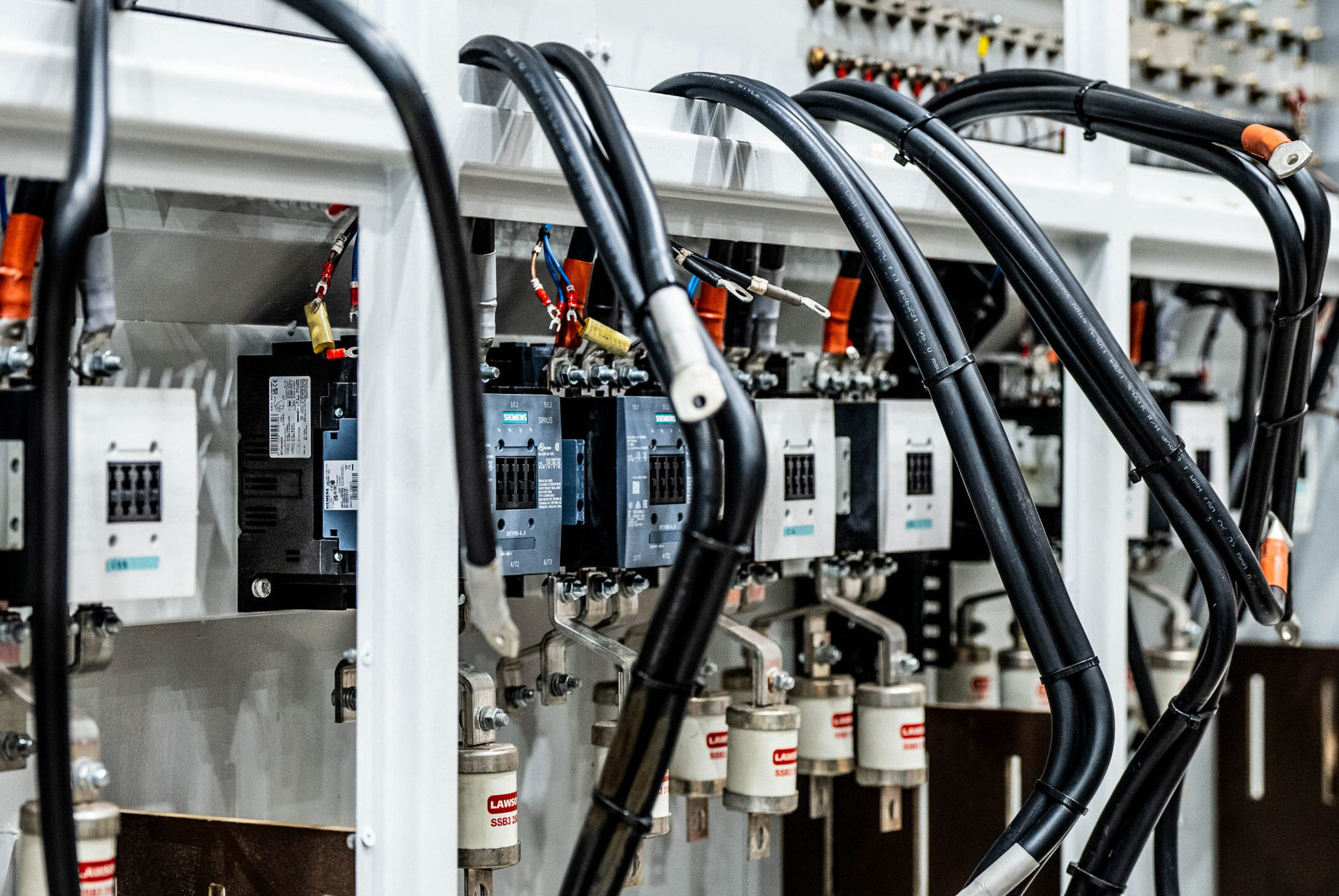
Credit: pleavinpower.co.uk
Why Monitor Generator Load
Monitoring generator loadis very important to keep it safe and working well. It helps in preventing overload, which can cause damage or stop the generator from working. Overloading can burn parts or make the generator stop suddenly.
Checking load also helps enhance efficiency. A generator working at the right load uses fuel better. This saves money and makes sure power is steady and strong.
Extending generator lifeis another big reason. Running a generator too hard can make parts wear out fast. Keeping the load right helps the generator last longer and saves repair costs.

Credit: www.justgenerators.co.uk
Tools Needed For Load Checking
Load metersmeasure the total power used by the generator. They help find if the generator is working within safe limits.
Clamp meterscheck the current flowing through wires without disconnecting them. They are easy and safe to use for load checking.
Multimetersmeasure voltage, current, and resistance. They give detailed info about the generator’s electrical condition.
Data logging devicesrecord load data over time. This helps track performance and spot changes or problems early.
Preparing For Load Measurement
Safetyis the top priority when checking generator load. Always wear protective gearlike gloves and goggles. Make sure the area is dryand clearof any hazards. Never touch live wires or parts. Keep children and pets away during the process.
Gather all necessary equipmentbefore starting. This includes a multimeter, clamp meter, and load bankif available. Make sure tools are in good working order and rated for the generator’s voltage and current.
Set up the generator in a well-ventilatedarea. Connect the load bankor devices carefully. Check all connections are tightand secure. Turn off the generator before making any adjustments. This prevents accidents and equipment damage.
Step-by-step Load Checking Process
Begin by turning on the generator and letting it stabilize. Measure the electrical output using a load meter or clamp meter. Compare the reading to the generator’s rated capacity to ensure safe operation.
Connecting Measurement Tools
Use a multimeter to check generator load. Make sure it’s in good condition. Connect the multimeter to the generator’s output. Follow the manufacturer’s instructions for safety. Check the connections are tight and secure. Safety is very important during this process.
Reading Load Values
Read the values shown on the multimeter. Look for the current and voltage numbers. These numbers tell you the generator’s load. Note if the load is within the safe range. Avoid overloading to prevent damage.
Recording Data Accurately
Keep a record of the readings. Write down the date and time of each check. Use a notebook or a digital log. This helps track the generator’s performance. Accurate records can prevent future issues.
Interpreting Load Results
Normal load rangemeans the generator works well and safely. It usually runs at 50% to 80% of its full capacity. This range keeps the generator healthy for a long time. Loads below 50% may cause fuel waste. Loads above 80% could shorten the generator’s life.
Overloadhappens when the load goes above 100%. This can cause damage or shutdown. Watch for signs like strange noises or smoke. Protect the generator by reducing the load quickly.
- Check the load meter often.
- Turn off some devices to lower the load.
- Spread the load evenly over time.
- Use load management tools if available.
Common Issues And Troubleshooting
Inconsistent readings often result from poor sensor connectionsor faulty meters. Check all wires and devices for damage or loose contacts. Sometimes, dirt or moisture can cause errors in measurement. Regular cleaning and tight connections help avoid this issue.
Equipment malfunctions can cause false load values. The generator control panelor load sensorsmight fail. Testing with a known good meter can identify faulty equipment. Replace broken parts immediately to maintain accuracy.
Load fluctuations happen when devices turn on and off rapidly. This causes sudden changesin generator load readings. Use stabilizersor load balancersto smooth out these changes. Monitoring over time helps spot patterns and avoid overloads.
Tips For Effective Load Management
Keeping a regular monitoring schedulehelps track the generator’s load accurately. Check load levels daily or weekly to avoid surprises. Use simple tools like a wattmeteror built-in gauges for quick checks.
Using load bankssimulates real power use. This helps test if the generator handles the expected load safely. Load banks prevent overloadingand improve reliability.
Professional assistanceensures proper load management. Experts use special equipment to measure loads and adjust settings. They also spot problems early, saving time and money.
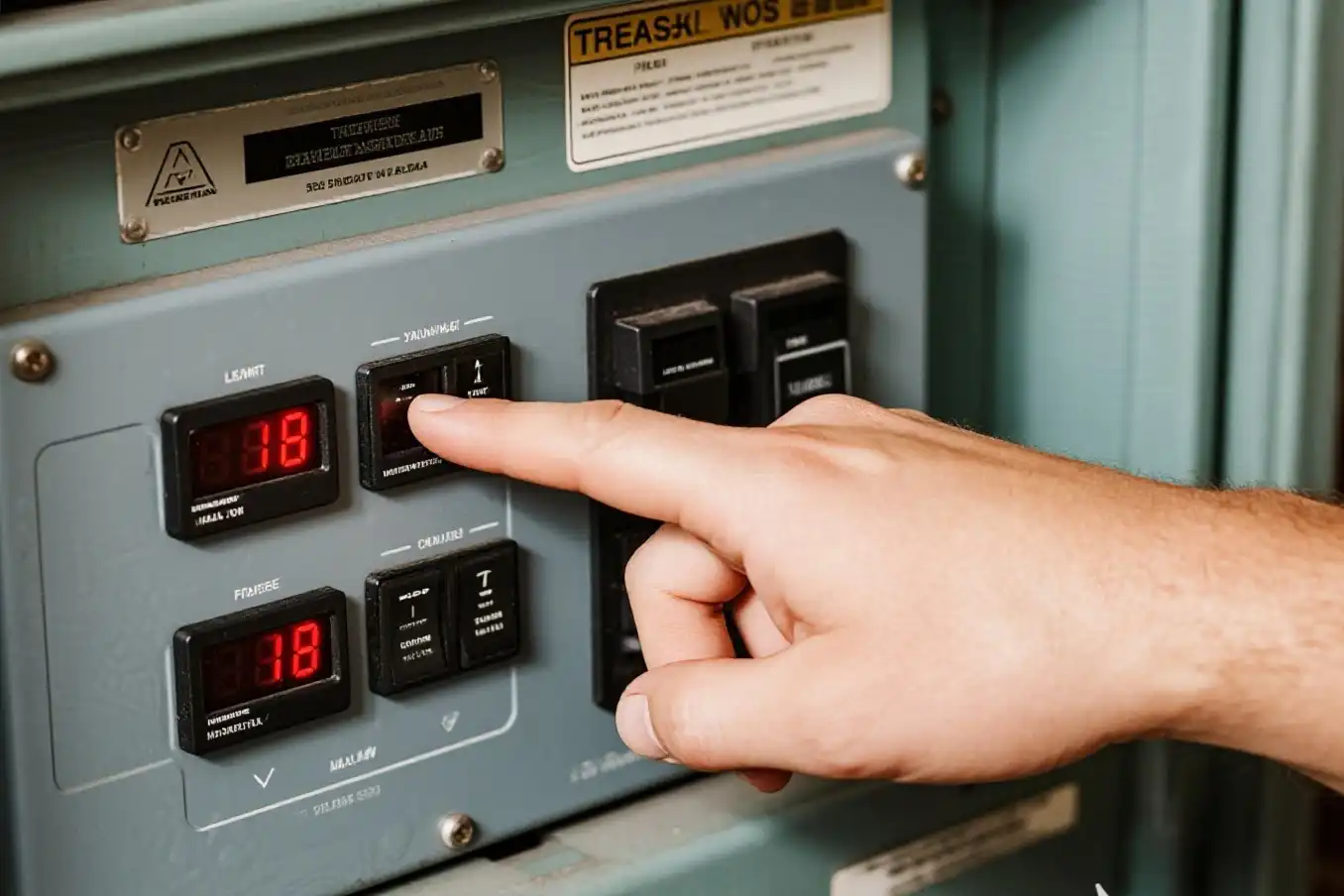
Credit: www.onesto-ep.com
Frequently Asked Questions
How Do I Measure My Generator Load Accurately?
To measure generator load, use a clamp meter on the output cable or check the generator’s load meter. This helps ensure the generator isn’t overloaded and runs efficiently, preventing damage or power loss.
Why Is Checking Generator Load Important?
Checking generator load prevents overloading, improves fuel efficiency, and extends the generator’s lifespan. It ensures safe operation and avoids unexpected shutdowns or damage.
What Tools Help Monitor Generator Load?
Common tools include clamp meters, digital multimeters, and built-in generator load meters. These devices provide real-time data on current and load percentage, helping maintain proper generator performance.
Can I Check Generator Load Without Special Equipment?
Yes, some generators have built-in load indicators. Otherwise, you can estimate load by summing connected appliance wattages, though this is less accurate than using proper measuring tools.
Conclusion
Checking your generator load helps keep it safe and working well. Know the tools and steps to measure the load right. Watch the readings often to avoid problems like overload. Keep your generator in good shape with regular checks. This simple task saves time and money on repairs.
Stay aware and take action when the load changes. A well-monitored generator gives power when you need it most.
