
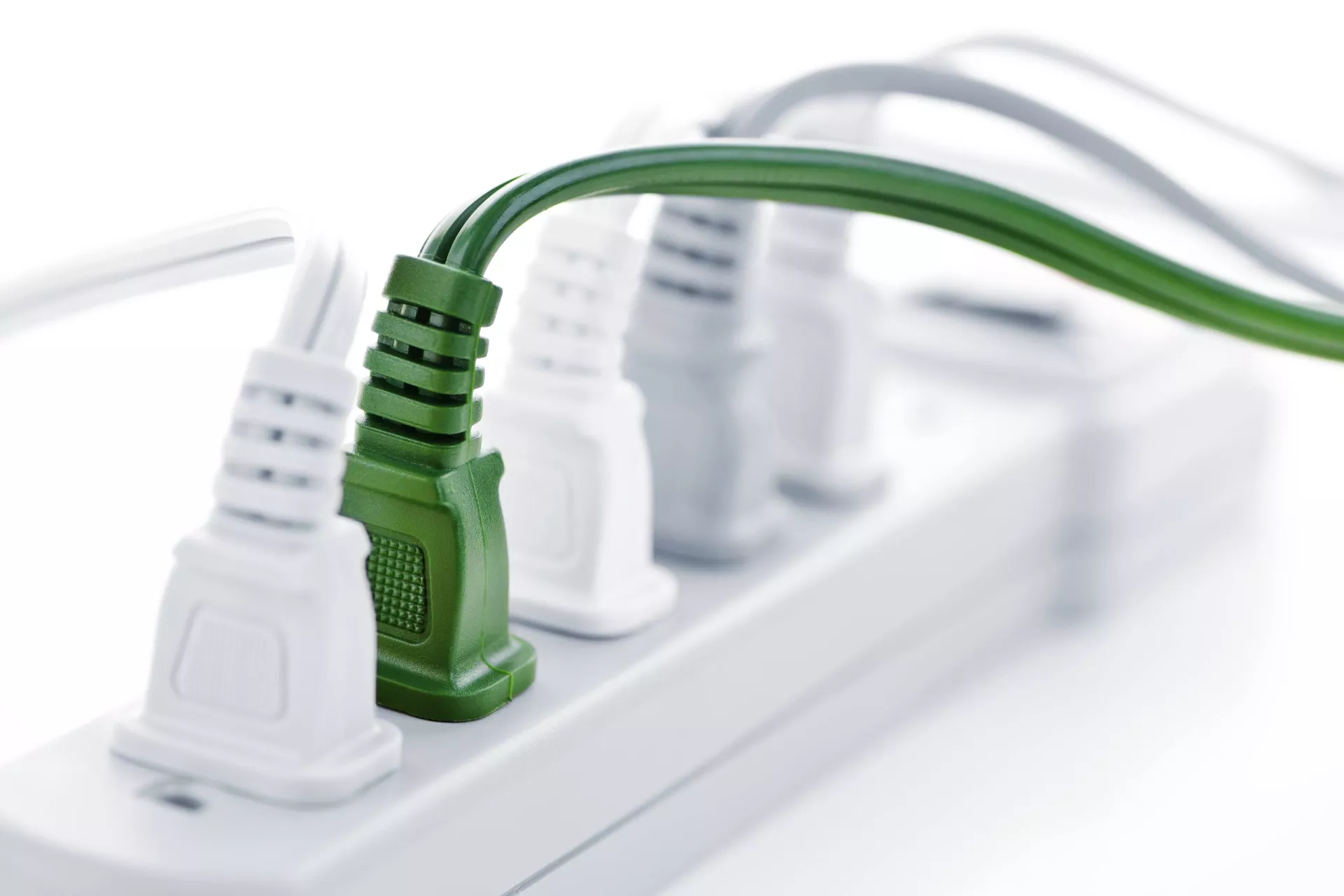
Have you ever noticed your extension cord getting warm or even hot to the touch? That’s a warning sign you shouldn’t ignore.
Overheating extension cords can cause serious damage to your devices, or worse, start a fire. But don’t worry—by making a few simple changes, you can keep your cords cool and your home safe. You’ll discover easy steps to prevent your extension cords from overheating, saving you stress and protecting your valuable electronics.
Keep reading to learn how to spot the dangers and act before it’s too late.
Causes Of Extension Cord Overheating
Excessive current loadcauses extension cords to heat up quickly. Using more power than the cord can handle creates heat. This can damage the cord and cause fires.
Poor quality materialsin cords lead to overheating. Cheap wires and insulation do not handle heat well. They break down faster and become unsafe.
Improper cord lengthalso plays a role. Too long cords increase resistance, making them hot. Too short cords get stretched and stressed, causing damage.
Damaged or frayed cordsare very risky. Exposed wires cause sparks and heat. Always check cords for cuts, cracks, or worn spots before use.
Choosing The Right Extension Cord
Check the ampacity ratingto match your device’s power needs. Using a cord with too low a rating can cause overheating. Always pick cords that carry equal or higher amps than your appliance requires.
Select the right wire gaugefor safety. Lower gauge numbers mean thicker wires and better power flow. Thicker wires reduce heat and keep your cord cool during use.
Consider indoor vs outdoor use. Outdoor cords have special coatings to protect against weather. Using indoor cords outside can cause damage and increase overheating risk.
Safe Usage Practices
Never connect multiple extension cordstogether. This is called daisy chaining. It can cause overheatingand fires.
Always uncoil extension cords fullybefore use. Coiled cords trap heat and can get very hot.
Limit the time you use extension cords continuously. Give cords breaksto cool down and avoid damage.
Keep cords away from heat sources like heaters or direct sunlight. Heat can damage insulationand cause risks.

Credit: www.thisoldhouse.com
Regular Inspection And Maintenance
Check your extension cord for any cracks, cuts, or frayed wires. These signs show the cord may not be safe to use. Look at the plug and socket ends for burn marks or loose connections. Damaged cords can cause overheating and fires.
Test the cord by plugging in a small device. Make sure the device works well without flickering or losing power. If it does not work properly, the cord might be faulty. Unplug the cord and do not use it until it is fixed or replaced.
- Remove and replace cords that show any damage.
- Do not try to fix wires yourself unless trained.
- Choose cords with the right power ratingfor your devices.
- Keep cords away from water and heat sources.
Alternative Solutions To Reduce Load
Reducing the load on an extension cord helps prevent overheating and potential hazards. Using multiple cords or higher-rated cords can spread the electrical demand safely. Choosing shorter cords and unplugging unused devices also lowers the risk of heat buildup.
Use Power Strips With Circuit Breakers
Power strips with circuit breakers are a safer choice. They stop overloading by cutting off electricity. This keeps your home safe from fires. Always check if your power strip has a built-in breaker. It helps when using many appliances.Distribute Appliances Across Multiple Circuits
It’s smart to spread devices across different circuits. This reduces the risk of overloading one outlet. Find which outlets connect to different circuits. Then plug devices in separate outlets. This keeps cords cool and safe.Upgrade Electrical Outlets
Older outlets may not handle heavy loads. Upgrading them can be a good idea. New outlets can carry more power safely. Call an electrician to help with this. It ensures that your home wiring stays safe and efficient. `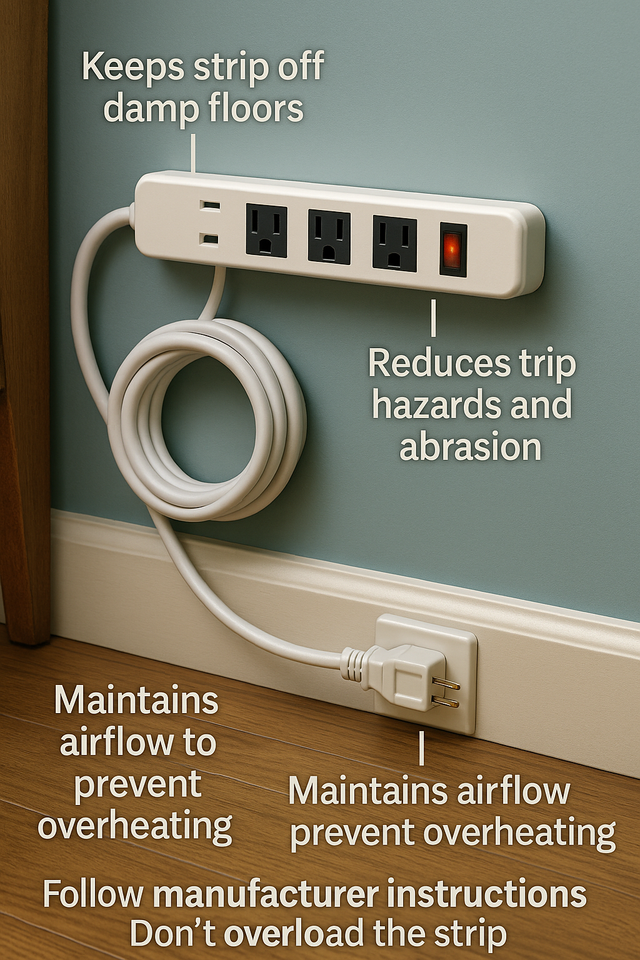
Credit: www.casecontractinginc.com
Credit: www.secura.net
Frequently Asked Questions
What Causes Extension Cords To Overheat?
Extension cords overheat due to excessive current flow, poor wire gauge, or damaged insulation. Using cords beyond their rated capacity increases heat and risk of fire. Always match the cord’s amp rating to the device’s power needs to avoid overheating.
How Can I Prevent Extension Cord Overheating?
Prevent overheating by choosing the right gauge cord for your load. Avoid daisy-chaining cords or covering them with rugs. Regularly inspect cords for damage and unplug devices when not in use to reduce heat buildup and potential hazards.
Is It Safe To Use Multiple Devices On One Cord?
Using multiple devices on one cord risks overloading and overheating. Check the total wattage and compare it to the cord’s capacity. Spread devices across different outlets or use a heavy-duty extension cord designed for multiple devices.
Can Extension Cords Overheat If Used Outdoors?
Yes, outdoor use can increase overheating risk if cords aren’t rated for outdoor conditions. Outdoor cords have thicker insulation and weather resistance. Always use cords labeled for outdoor use to avoid damage and overheating.
Conclusion
Avoiding extension cord overheating keeps your home and devices safe. Use cords with the right power rating. Do not overload the cord with too many devices. Keep cords away from heat and water. Check cords for damage before use. Unplug cords when not needed.
These simple steps protect your equipment and prevent accidents. Stay aware and handle cords carefully to avoid risks. Safety is always in your hands.
