
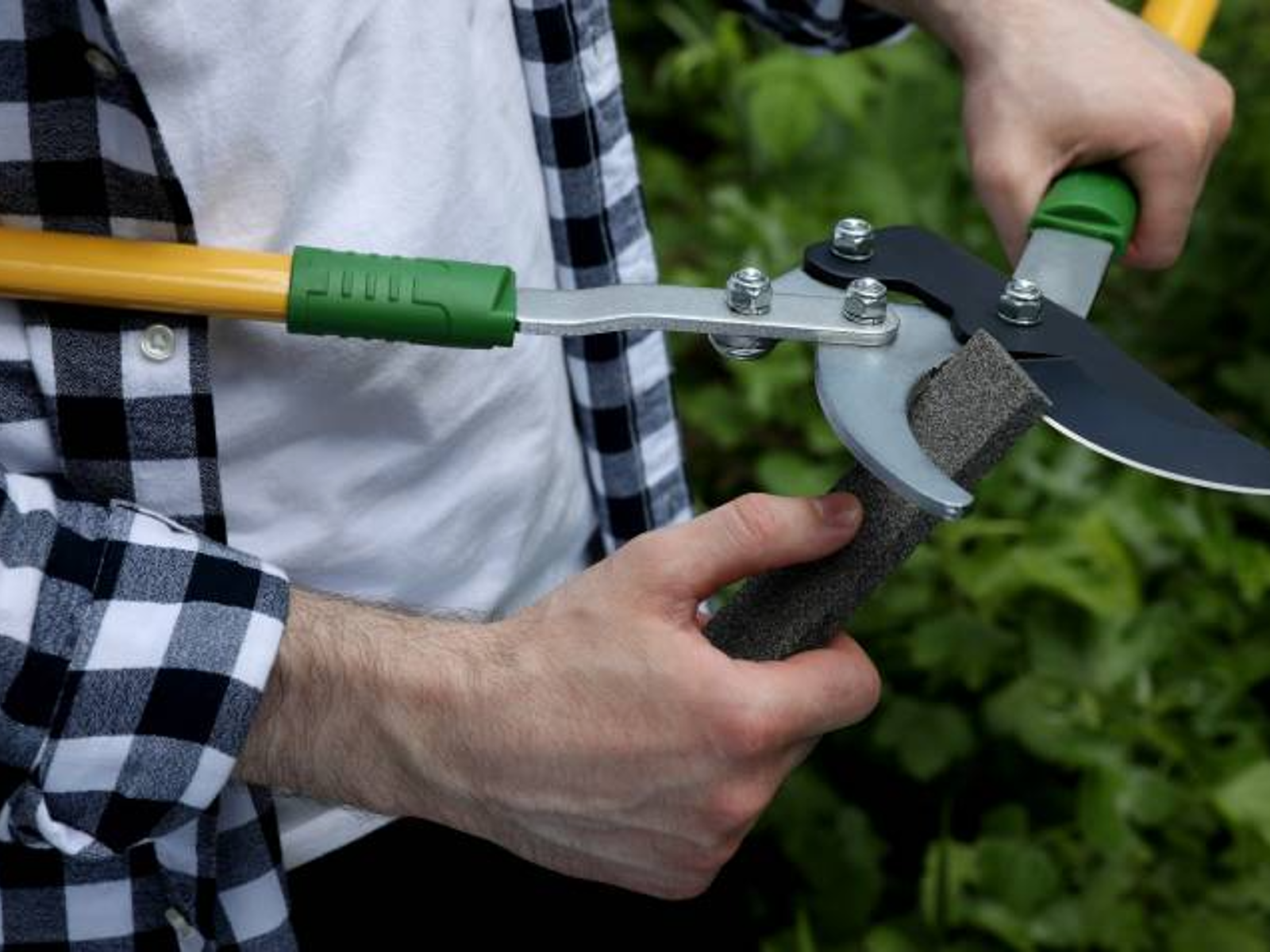
Are your pruning shears cutting as smoothly as they used to? If you’re noticing rough edges or struggling to trim your plants cleanly, it might be time to sharpen them.
But how often should you actually sharpen your pruning shears to keep them in top shape? Knowing the right timing can save you effort, protect your plants, and make your gardening tasks easier and more enjoyable. Keep reading to discover the simple signs and expert tips that will help you know exactly when to sharpen your pruning shears—so you can keep your garden thriving without frustration.
Credit: www.kansascity.com
When To Sharpen Pruning Shears
Pruning shears need regular sharpening to work well. Sharp blades cut cleanly and keep plants healthy.
You should sharpen your shears when you notice signs of dullness or poor cutting. This helps your garden stay neat.
Signs Your Shears Need Sharpening
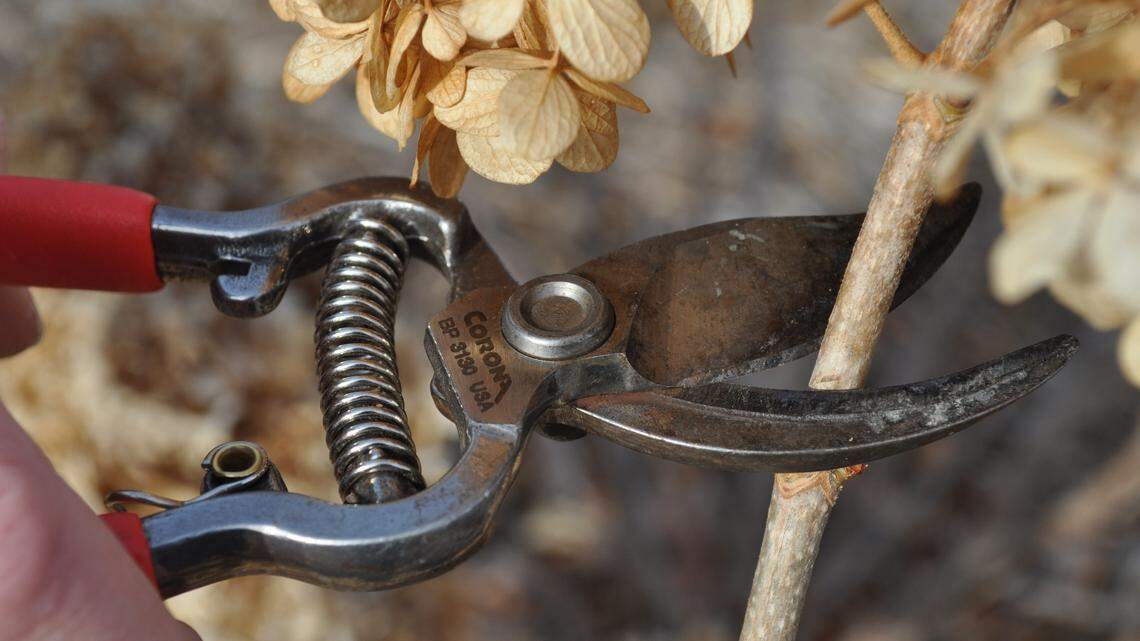
If your pruning shears pull or crush branches instead of cutting, they need sharpening. Dull blades make cutting harder.
Other signs include needing more force to cut and seeing ragged edges on plants after pruning.
- Shears pull or tear branches
- More effort is needed to cut
- Cut edges look rough or crushed
- Blade feels dull or nicked
Impact Of Dull Blades On Plants
Dull blades damage plants by crushing stems and leaves. This can slow healing and increase disease risk.
Clean cuts from sharp blades help plants heal faster. They also reduce the chance of infections and pests.
- Dull blades cause torn wounds on plants
- Crushed tissue takes longer to heal
- Open wounds invite pests and disease
- Sharp blades make smooth, clean cuts
Factors Affecting Sharpening Frequency
Pruning shears need regular sharpening to stay effective. The frequency depends on several factors. These factors help you know when to sharpen your tools.
Understanding what affects sharpening frequency helps keep your shears sharp and safe. It also saves time and effort in your gardening tasks.
Type Of Plants Pruned
Different plants have different branch hardness. Soft plants cause less wear on blades. Hard or woody plants dull blades faster.
Pruning hardwood trees or thorny plants needs more frequent sharpening. Soft shrubs or flowers require less blade care.
- Soft plants: roses, flowers, young shrubs
- Medium hardness: fruit trees, small branches
- Hard plants: hardwood trees, thorny bushes
Shear Quality And Material
High-quality shears keep sharp edges longer. They use strong steel or special coatings. Cheap shears dull quickly and need more sharpening.
Steel type and blade design affect sharpness. Hardened steel lasts longer. Blades with coatings resist rust and wear better.
- Hardened steel blades hold sharp edges well
- Coated blades resist rust and reduce dulling
- Low-quality steel dulls faster
Usage Intensity
How often you use pruning shears affects sharpening frequency. Heavy daily use dulls blades faster. Occasional use means less frequent sharpening.
Cutting large branches or many plants wears blades quickly. Light trimming and small jobs cause less blade wear.
- Daily heavy pruning requires frequent sharpening
- Weekly or occasional use needs less sharpening
- Cutting thick branches dulls blades faster
Tools For Sharpening Pruning Shears
Keeping pruning shears sharp makes cutting easier and safer. Using the right tools helps maintain the blades properly. There are several tools you can use to sharpen your pruning shears.
This guide covers whetstones, diamond files, and sharpening systems. Each tool suits different needs and skill levels.
Whetstones And Sharpening Stones
Whetstones are flat stones used to grind and sharpen metal. They come in coarse and fine grits to smooth and polish the blade edge. Sharpening stones require water or oil to work well.
- Coarse grit removes nicks and reshapes the blade.
- Fine grit refines the edge for a sharp finish.
- Use light pressure and keep the blade angle steady.
Diamond Files
Diamond files have small diamond particles on their surface. They are very hard and sharpen blades quickly. These files are good for small touch-ups and hard metals.
| Type | Use | Benefits |
| Flat diamond file | Sharpening straight edges | Quick and precise |
| Round diamond file | Sharpening curved edges | Fits blade curves well |
| Coated diamond file | General sharpening | Long-lasting and durable |
Sharpening Systems
Sharpening systems include guided tools with clamps and angles. These help maintain the correct blade angle while sharpening. They are good for beginners or those who want consistent results.
Common features of sharpening systems:
- Adjustable blade holders
- Multiple grit stones included
- Angle guides for uniform sharpening
- Compact and portable design
Credit: misterminit.co
Step-by-step Sharpening Process
Pruning shears need regular sharpening to work well. Sharp blades make clean cuts and keep plants healthy.
Learn how to sharpen your shears with simple steps. This process will keep your tools ready for gardening.
Preparing Your Shears
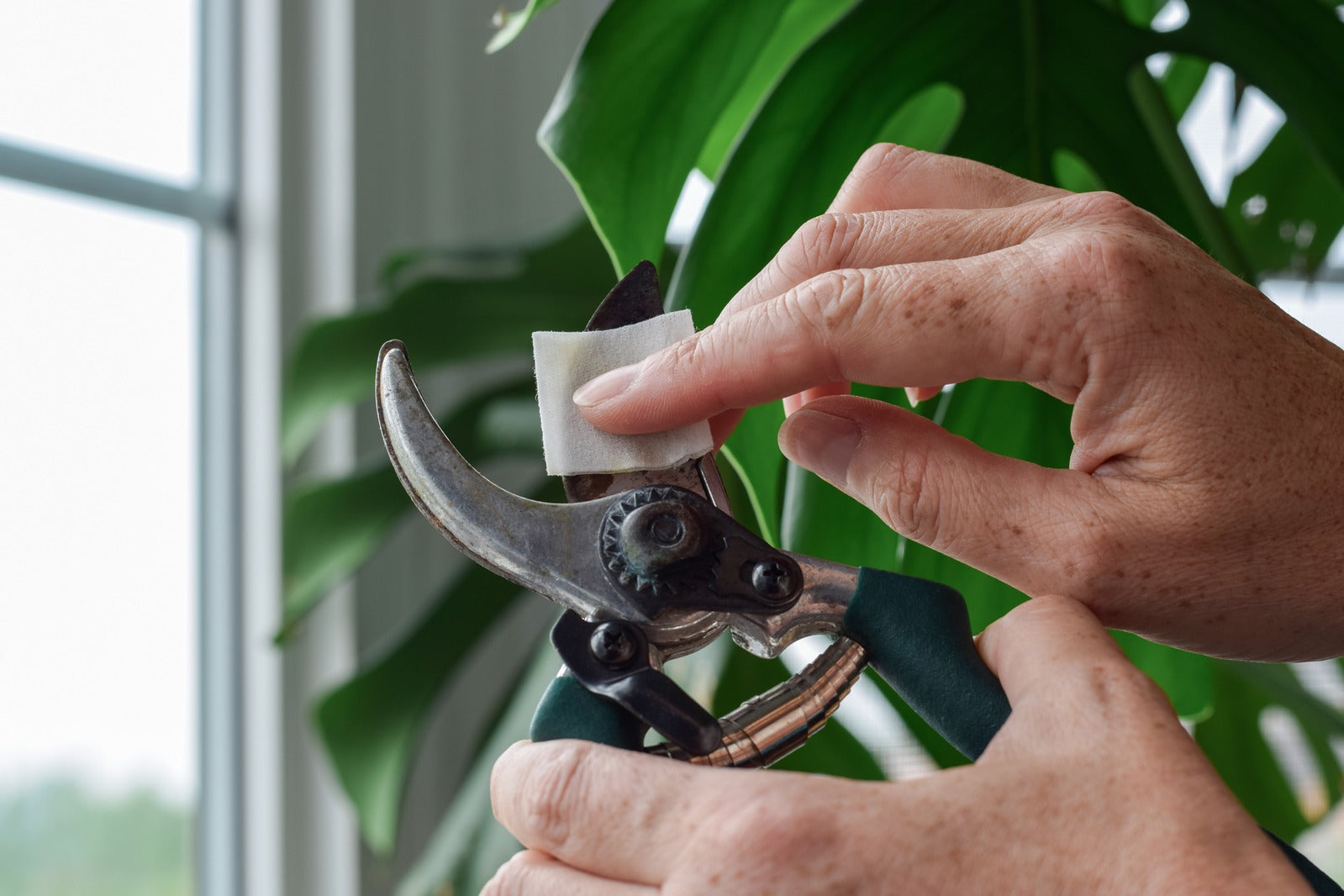
Before sharpening, gather your tools. You will need a sharpening stone or file, cleaning cloth, and oil.
Clean your shears to remove dirt. This helps the sharpening process and prevents damage.
- Disassemble the shears if possible
- Wipe blades with a damp cloth
- Dry thoroughly to avoid rust
Sharpening Technique
Hold the sharpening stone or file at the correct angle. Match the original bevel of the blade.
Move the stone along the blade with even pressure. Repeat until the blade is sharp.
- Use smooth strokes
- Sharpen both sides evenly
- Wipe the blade clean after sharpening
Testing The Sharpness
Check if your shears are sharp enough. Test them on a piece of paper or a plant stem.
If the shears cut cleanly, they are ready to use. If not, repeat the sharpening process.
- Try cutting a sheet of paper
- Inspect the edges for clean cuts
- Re-sharpen if necessary
Maintenance Tips To Extend Sharpness
Pruning shears lose their sharpness with use. Regular care keeps them cutting smoothly. Proper maintenance helps you avoid frequent sharpening.
Simple habits protect your shears and extend their life. Clean, store, and lubricate your tools often.
Cleaning After Use
Remove dirt and sap from your pruning shears after each use. This prevents rust and blade damage. Use a damp cloth or brush to clean.
Dry the shears well before storing. You can use rubbing alcohol to remove sticky residue. Clean blades stay sharp longer.
Proper Storage
Store pruning shears in a dry place. Avoid leaving them outside or in damp areas. Moisture causes rust and dulls the blades.
Keep shears closed or use a blade cover to protect the cutting edge. Safe storage prevents accidental damage and keeps blades sharp.
Lubrication
Oil the pivot and blades regularly to keep shears working smoothly. Lubrication stops rust and reduces friction. Use light machine oil or garden tool oil.
Apply oil after cleaning and before storing. Wipe off extra oil to avoid dirt buildup. Proper lubrication helps blades stay sharp longer.

Credit: www.youtube.com
Safety Precautions When Sharpening
Sharpening pruning shears keeps them working well and safe to use. It is important to follow safety rules to avoid injury during sharpening.
Using the right tools and methods helps protect your hands and eyes. Always prepare your workspace before you start.
Protective Gear
Wearing the correct protective gear reduces risks. It protects you from sharp edges and metal filings.
- Wear safety goggles to protect your eyes from sparks and debris.
- Use thick gloves to shield your hands from cuts and sharp blades.
- Wear a dust mask if sharpening creates fine metal dust.
- Choose sturdy clothing to cover your arms and legs.
Safe Handling Practices
Handle pruning shears carefully to avoid accidents. Keep the blade pointed away from your body at all times.
| Safe Handling Tips | Why It Matters |
| Work in a well-lit area | See clearly and avoid mistakes |
| Hold shears firmly but not too tight | Prevent slips and maintain control |
| Keep fingers away from the blade edge | Reduce the risk of cuts |
| Sharpen slowly and steadily | Maintain blade quality and safety |
| Put shears down carefully after use | Prevent damage and injuries |
Frequently Asked Questions
How Often Should I Sharpen Pruning Shears?
Sharpen pruning shears after every 20-30 hours of use. Frequent sharpening keeps blades efficient and reduces plant damage. Regular maintenance extends tool life and ensures clean cuts.
What Are Signs Pruning Shears Need Sharpening?
Dull blades require more effort and crush stems. If cuts are uneven or frayed, it’s time to sharpen. Noticeable rust or nicks also indicate sharpening is needed.
Can Dull Pruning Shears Harm Plants?
Yes, dull shears crush and tear plant stems. This damages plant tissue, leading to disease or slower healing. Sharp blades ensure clean cuts, promoting healthy growth.
How Do I Maintain Pruning Shears Between Sharpenings?
Clean blades after each use to prevent sap buildup. Apply oil to avoid rust and keep joints smooth. Store shears in a dry place to preserve sharpness.
Conclusion
Keeping pruning shears sharp helps plants stay healthy and grow well. Sharpen them after every few uses or when cuts become hard. Dull blades can damage plants and make work slower. Regular sharpening saves time and effort in the garden.
Take care of your tools to enjoy easier and better pruning. A sharp tool is safer and more effective. Remember, simple maintenance keeps your shears ready for every task. Sharp blades mean clean cuts and happy plants.
