
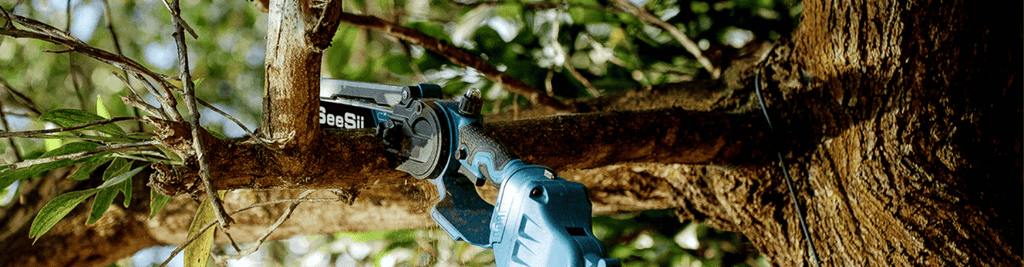
Have you ever grabbed your pole saw, ready to tackle those overgrown branches, only to wonder if it can handle wet wood? You’re not alone.
Cutting wet wood can feel tricky, and using the wrong tool or technique might leave you frustrated or even damage your equipment. But don’t worry—understanding how your pole saw performs with wet wood can save you time, effort, and money.
Keep reading, and you’ll discover what you need to know to get the job done right, no matter the weather.

Credit: easylawnmowing.co.uk
Pole Saws And Wet Wood
Pole saws are tools used to cut tree branches that are hard to reach. They have long handles and sharp blades or chains.
Cutting wet wood with a pole saw can be different from cutting dry wood. Wet wood is heavier and softer, which changes how the saw works.
Challenges Of Cutting Wet Wood
Wet wood is harder to cut because it contains more water. This makes the wood fibers slippery and sticky.
Wet wood can cause the saw blade to clog. It also adds extra weight to the branch, making it harder to handle.
- The saw chain may get stuck more often.
- Cutting takes more effort and time.
- Branches can bend or break unexpectedly.
- Wet wood may cause the saw to slip.
How Wet Wood Affects Pole Saw Performance
Wet wood causes the pole saw to work harder. The motor or user must push more to cut through the soft, wet fibers.
Wet wood dulls the saw blade faster. The moisture mixes with wood sap and dirt, which wears out the cutting parts.
- Blade sharpness reduces quickly.
- Saw chain tension may loosen due to moisture.
- The saw may overheat from extra work.
- Maintenance needs increase after cutting wet wood.
Choosing The Right Pole Saw
Cutting wet wood can be tough. Using the right pole saw helps you work safely and efficiently.
Not all pole saws perform well on wet wood. Picking the right type and blade makes a big difference.
Gas Vs Electric Pole Saws
Gas pole saws have more power and run longer. They handle thick, wet wood better but are heavier.
Electric pole saws are lighter and quieter. They need charging or a power outlet and suit smaller jobs.
- Gas saws cut wet wood faster.
- Electric saws are easier to control.
- Gas saws need more maintenance.
- Electric saws produce no fumes.
Blade Types Suitable For Wet Wood
Blades with sharp, durable teeth cut wet wood best. They reduce slipping and make clean cuts.
Look for blades made from strong steel. Some blades have special coatings to resist rust and sap.
- Carbide-tipped blades stay sharp longer.
- Chain blades with small teeth cut wet wood smoothly.
- Coated blades resist moisture and sap build-up.
- Avoid dull or worn blades for wet wood cutting.
Preparation Before Cutting
Cutting wet wood with a pole saw needs careful preparation. Wet wood can be slippery and harder to cut than dry wood.
Proper preparation helps keep the job safe and easier. Always check the wood and your tools before starting.
Inspecting The Wood
Look closely at the wood before cutting. Wet wood may have extra weight and slippery bark. Check for hidden branches or damage.
Wet wood can also have loose bark or hidden knots. These can cause the saw to catch or bind. Plan your cuts carefully to avoid problems.
- Check for branches that may fall unexpectedly
- Look for soft or rotten spots
- Notice if the wood is slippery or covered in moss
- Identify knots that can slow the saw
Safety Precautions
Wear proper safety gear before using a pole saw. Wet wood increases the risk of slipping and accidents. Protect yourself well.
Use gloves with a good grip and sturdy boots. Keep a clear space around you. Be ready to stop if the wood moves unexpectedly.
- Wear safety glasses to protect your eyes
- Use hearing protection for loud saw noise
- Wear gloves to improve grip on wet wood
- Use boots with good traction
- Keep a clear area free from obstacles
- Have a helper nearby if possible
Cutting Techniques For Wet Wood
Cutting wet wood with a pole saw needs special care. Wet wood is heavier and can clog the saw blade.
Use the right techniques to keep the saw running smoothly. This helps you cut safely and quickly.
Proper Cutting Angles
Hold the pole saw at an angle to avoid pinching the blade. A 45-degree angle works well for wet wood.
Cutting at this angle lets sawdust fall away. This prevents the blade from getting stuck in the wood.
- Start the cut on the outer edge
- Keep the saw tilted around 45 degrees
- Avoid cutting straight down into the wood
- Use smooth, steady motions
Maintaining Saw Speed And Pressure
Keep the saw running at a steady speed to cut through wet wood easily. Do not push too hard.
Let the saw do the work. Applying too much pressure can slow the blade and cause it to heat up.
- Use moderate speed for better control
- Apply light, even pressure on the saw
- Pause to clear sawdust from the blade
- Keep the chain sharp for smooth cutting
Maintenance Tips After Cutting
After cutting wet wood with your pole saw, proper maintenance keeps it working well. Wet wood can leave dirt and sap on the tool. Cleaning and sharpening are key tasks to protect your saw.
Taking care of your pole saw helps it last longer and cuts smoothly every time you use it. Spend time on these steps after every cutting job.
Cleaning The Pole Saw
Wet wood often leaves sap and debris on the blade and pole. Clean your saw soon after use to avoid damage and rust. Use a cloth and mild cleaner to wipe off dirt. Pay attention to the chain and bar.
- Remove large wood chips with a brush
- Wipe blade and chain with oil or a cleaning solution
- Dry all parts completely to stop rust
- Check the air filter and clean if needed
- Store the pole saw in a dry place
Sharpening The Blade
Sharp blades cut better and are safer. After cutting wet wood, sharpening the blade keeps your pole saw ready. Use a file or sharpener made for your saw chain. Follow the chain angle and file evenly.
| Sharpening Task | Details |
| Choose the right file size | Match the file to your chain pitch |
| File each cutter | Keep the same angle on all teeth |
| Check the depth gauges | Use a gauge tool to file down if needed |
| Lubricate the chain | Apply bar and chain oil after sharpening |

Credit: medium.com
Expert Tips For Smooth Cutting
Cutting wet wood with a pole saw requires special care. Wet wood can be slippery and challenging to cut. Here are some expert tips for smooth cutting.
Understanding how to handle wet wood improves your cutting experience. Follow these tips for better results.
Avoiding Common Mistakes
Many people make mistakes when cutting wet wood. Avoid these errors to ensure a smoother cut.
- Do not rush; take your time to prevent slipping.
- Avoid using a dull blade; it makes cutting harder.
- Do not ignore safety gear; always wear gloves and goggles.
Enhancing Efficiency In Wet Conditions
Efficiency is key when working with wet wood. Learn ways to improve your cutting speed and accuracy.
Use these tips to make your pole saw work better in wet conditions.
- Keep your saw clean; remove any debris after each cut.
- Use a pole saw with a powerful motor for better performance.
- Adjust your cutting angle to prevent the saw from binding.
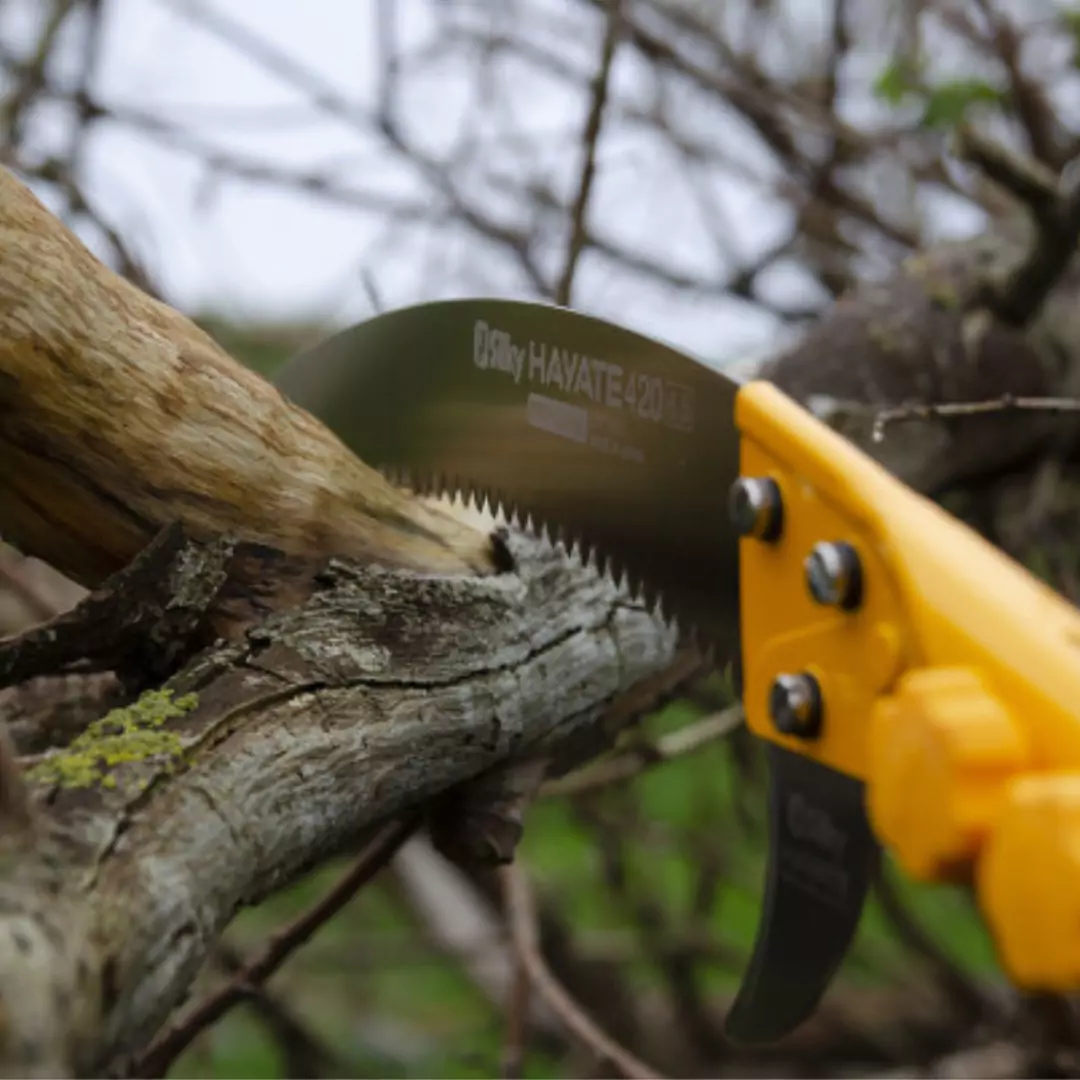
Credit: arbogear.com
Frequently Asked Questions
Can A Pole Saw Cut Wet Wood Effectively?
Yes, a pole saw can cut wet wood, but it requires more effort. Wet wood is softer and heavier, which may slow cutting. Use sharp blades and adjust cutting speed for best results.
Does Wet Wood Damage A Pole Saw Blade?
Wet wood can dull pole saw blades faster than dry wood. Moisture causes wood fibers to clog the blade teeth. Regular cleaning and sharpening prevent damage and maintain cutting efficiency.
What Safety Tips Apply When Cutting Wet Wood?
Wear protective gear like gloves and goggles when cutting wet wood. Wet wood can be slippery and heavier, increasing the risk of accidents. Ensure stable footing and use slow, controlled cuts for safety.
How Does Wet Wood Affect Pole Saw Performance?
Wet wood increases cutting resistance and reduces the pole saw’s efficiency. The saw may overheat or stall due to added moisture. Regular maintenance and blade care help maintain performance when cutting wet wood.
Conclusion
A pole saw can cut wet wood, but it requires care. Wet wood is heavier and slippery, making cutting harder. Sharp blades and steady hands improve results. Avoid rushing to prevent accidents and damage. Regular cleaning helps keep the saw working well.
Using the right technique makes the job safer and easier. Practice patience and check the wood before cutting. This way, you get better cuts every time.
