
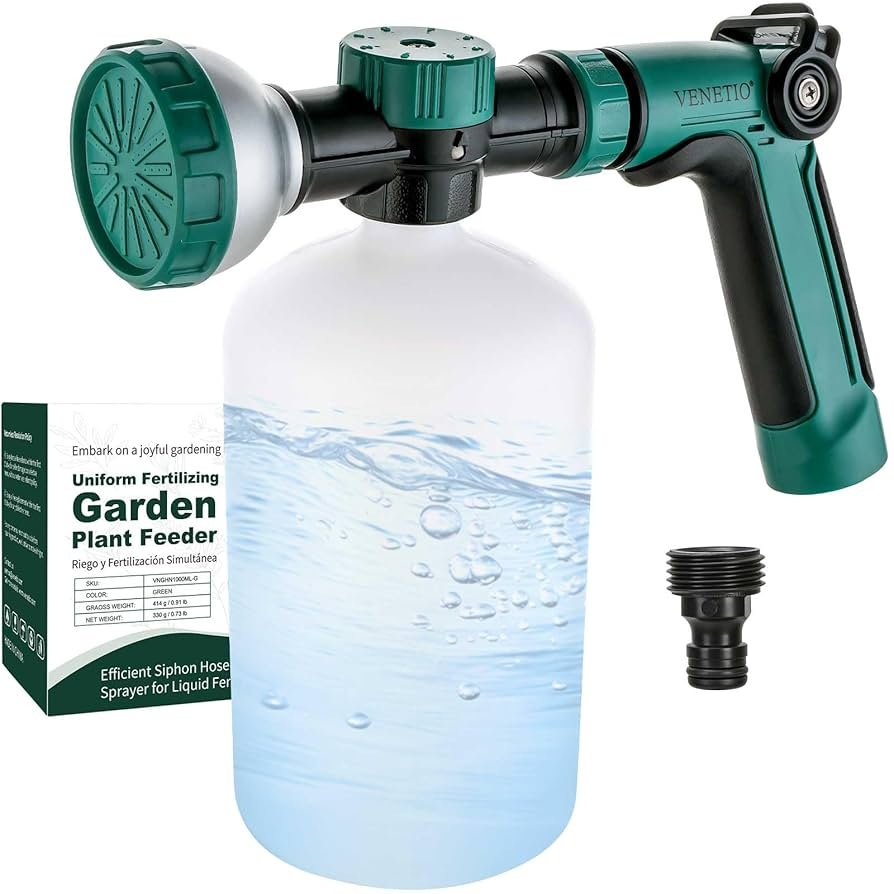
Imagine transforming your garden into a lush, vibrant oasis with just a simple spray. It sounds like a dream, right?
But what if I told you that using a hose end sprayer could be your secret weapon to achieving this? You might be wondering, “Can a hose end sprayer actually spray liquid fertilizer effectively? ” You’re not alone in this curiosity.
Many gardeners, both novice and seasoned, grapple with this question. We’ll dive into the nuances of using a hose end sprayer for your liquid fertilizer needs. Uncover the truth behind this gardening hack and see how it can simplify your routine while boosting your garden’s health. Stick around, because the answer might just change the way you nurture your plants.
How Hose End Sprayers Work
Hose end sprayers attach to your garden hose to mix and spray liquids. They help apply fertilizers or pesticides evenly over plants.
This tool saves time and effort compared to manual mixing and spraying.
Basic Mechanism
A hose end sprayer works by drawing liquid from a container and mixing it with water from the hose. The mixture sprays out through a nozzle.
Water pressure from the hose powers the sprayer. It pulls the liquid fertilizer up through a tube and blends it evenly with water.
- Connect sprayer to garden hose
- Fill sprayer container with liquid fertilizer
- Turn on water to create pressure
- Sprayer mixes fertilizer and water automatically
- Spray mixture onto plants or lawn
Types Of Hose End Sprayers
There are several types of hose end sprayers. Each type suits different tasks and liquids.
| Type | Description | Best Use |
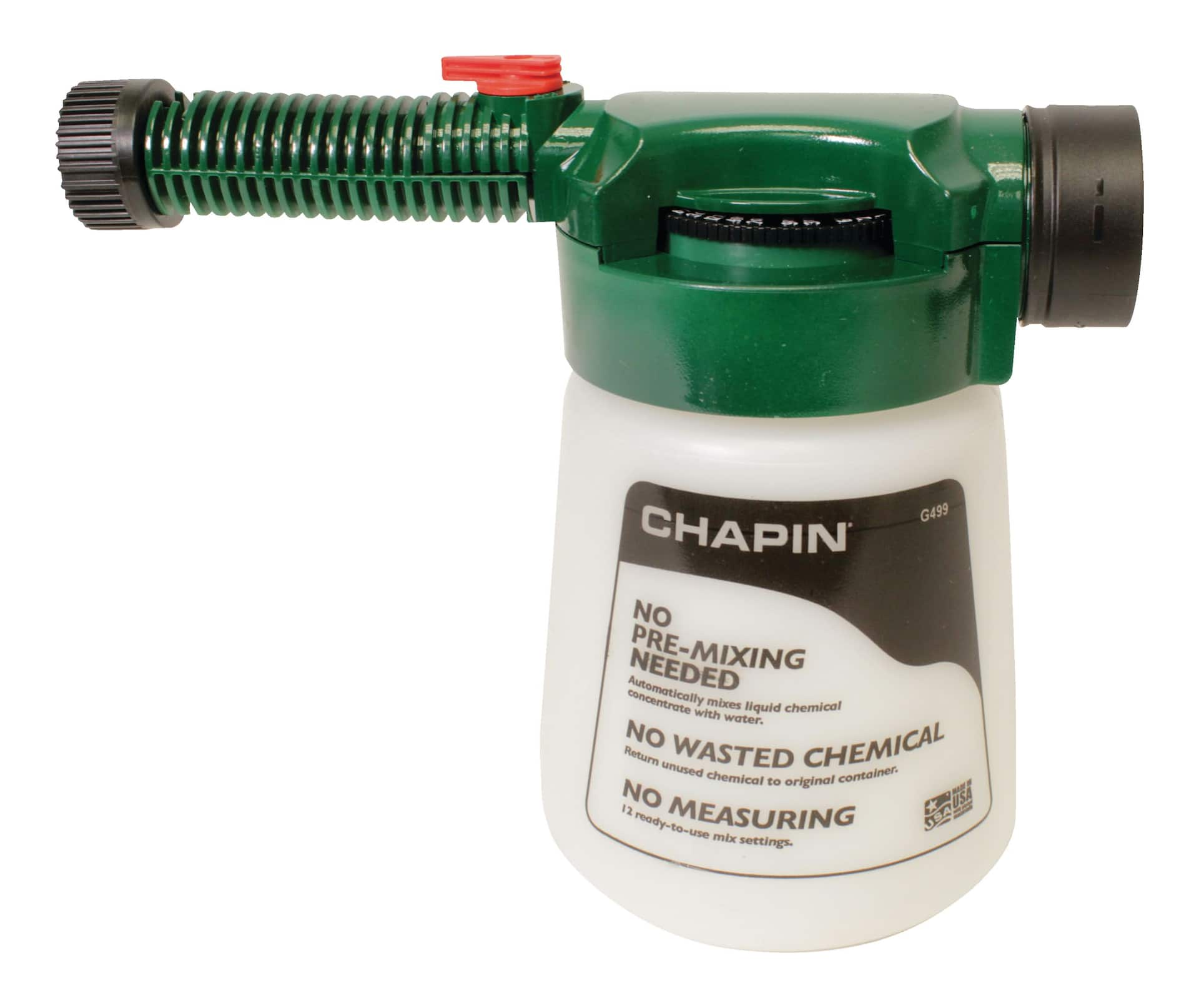
| Dial-A-Mix | Adjustable dial sets fertilizer ratio | Lawn and garden fertilizing |
| Inline Sprayer | Attaches directly to hose for simple mixing | Small garden spraying |
| Tank Sprayer | Separate tank holds liquid, mixed by pressure | Larger areas and heavier applications |
Credit: www.canadiantire.ca
Suitability For Liquid Fertilizers
Hose end sprayers can be used to apply liquid fertilizers. They mix fertilizer concentrate with water as you spray.
Using them correctly helps spread nutrients evenly on your plants or lawn. Not all fertilizers work well with these sprayers.
Compatibility With Fertilizer Types
Some liquid fertilizers may clog hose end sprayers. Fertilizers with particles or thick formulas cause problems.
Clear, water-soluble fertilizers work best. Avoid using fertilizers with solid additives or high viscosity.
- Water-soluble fertilizers: Suitable
- Suspended solids or particles: Not suitable
- Thick or gel-like fertilizers: Avoid
- Acidic or corrosive fertilizers: Check sprayer materials
Concentration And Dilution Factors
Hose end sprayers mix fertilizer concentrate with water at a set ratio. Use the right concentration for best results.
Too strong fertilizer can harm plants or clog the sprayer. Too weak may not feed plants enough.
- Check the fertilizer label for recommended dilution
- Adjust sprayer settings to match dilution rates
- Use fresh mixtures to avoid clogs
- Rinse sprayer after use to prevent buildup
Choosing The Right Fertilizer
Using a hose end sprayer to apply liquid fertilizer is a simple way to feed your plants. Picking the right fertilizer helps your plants grow strong and healthy.
It is important to understand the types of fertilizers and what nutrients your plants need. This guide will help you choose the best option.
Liquid Vs. Granular Fertilizers
Liquid fertilizers mix with water and spray easily. They work fast because plants absorb nutrients quickly.
Granular fertilizers are solid and release nutrients slowly. They need watering after application to work well.
- Liquid fertilizer: quick nutrient delivery
- Granular fertilizer: slow, steady feeding
- Liquid works well with hose end sprayers
- Granular is better for long-term feeding
Nutrient Requirements
Different plants need different nutrients like nitrogen, phosphorus, and potassium. Knowing what your plants need helps you pick the right fertilizer.
Soil tests can show nutrient levels. Use fertilizers that fill in the missing nutrients for best results.
- Nitrogen helps leaves grow green and strong
- Phosphorus supports roots and flowers
- Potassium boosts overall plant health
- Choose fertilizer based on soil and plant needs

Credit: www.amazon.ca
Preparing The Sprayer
Using a hose end sprayer for liquid fertilizer needs proper preparation. This helps spread fertilizer evenly on your plants.
Before you start, check the sprayer for any damage or clogs. Proper care keeps it working well and lasts longer.
Cleaning And Maintenance
Clean the sprayer before and after use to avoid clogging. Flush it with clean water to remove any leftover fertilizer.
- Detach the sprayer from the hose.
- Run clean water through the sprayer for several minutes.
- Check the nozzle for blockages and clean if needed.
- Wipe the sprayer body with a damp cloth.
- Store the sprayer in a dry place away from sunlight.
Mixing Fertilizer Solutions
Mix the fertilizer according to the package directions. Use the right ratio of fertilizer to water for safe spraying.
| Fertilizer Type | Water Ratio | Notes |
| Liquid Nitrogen | 1:20 | Use fresh solution each time |
| Complete Mix | 1:15 | Shake well before use |
| Organic Fertilizer | 1:10 | Stir frequently during spraying |
Application Techniques
Using a hose end sprayer can help apply liquid fertilizer quickly and easily. It attaches to your garden hose and mixes fertilizer with water as you spray.
Proper application techniques ensure plants get the right amount of nutrients. This helps plants grow strong and healthy without waste.
Spraying Tips For Even Coverage
Hold the hose end sprayer at a consistent height above the plants. This helps spread the fertilizer evenly over the soil and leaves.
Move the sprayer at a steady pace. Too fast or slow spraying can cause uneven fertilizer distribution.
- Test spray on a small area first to check coverage
- Spray in overlapping patterns to avoid gaps
- Use a fine spray setting for better spread
- Apply fertilizer during calm weather to reduce drift
Avoiding Common Mistakes
Do not mix fertilizer directly in the sprayer unless the instructions say so. This can clog the nozzle or damage the sprayer.
Avoid spraying fertilizer during very hot or windy days. Heat can burn plants, and wind can cause uneven spraying.
- Check hose end sprayer for leaks before use
- Clean the sprayer after each use to prevent build-up
- Follow the fertilizer label for correct dilution rates
- Do not over-apply to prevent plant damage
Safety Precautions
Using a hose end sprayer to spray liquid fertilizer can be easy. Safety is very important to protect yourself and the environment. Always follow safety rules before and during spraying.
Liquid fertilizers contain chemicals that can harm skin, eyes, and plants. Taking precautions helps avoid accidents and damage.
Protective Gear
Wear protective gear to keep safe from fertilizer chemicals. The right gear stops skin and eye contact with harmful liquids.
- Use gloves made of rubber or nitrile
- Wear long sleeves and pants to cover skin
- Put on safety goggles to protect your eyes
- Wear a mask to avoid breathing fumes
- Use waterproof boots to keep feet dry
Check your gear before spraying. Replace any damaged items to stay fully protected.
Environmental Considerations
Fertilizers can harm plants and animals if sprayed carelessly. Avoid spraying near water, gardens, or areas with wildlife.
- Spray only on plants that need fertilizer
- Keep fertilizer away from ponds, lakes, and streams
- Do not spray on windy days to prevent drift
- Follow instructions on fertilizer labels carefully
- Clean sprayer after use to avoid contamination
Proper use helps protect nature and keeps your garden healthy. Always think about the environment before spraying.
Troubleshooting Problems
Using a hose end sprayer to apply liquid fertilizer can save time. Sometimes, problems may happen while spraying. It is important to fix these issues quickly.
Two common problems are clogging and uneven spray patterns. These issues reduce the sprayer’s effectiveness. Learning how to spot and fix them helps your plants get the right nutrients.
Clogging Issues
Clogs happen when fertilizer particles block the sprayer nozzle. This stops the liquid from flowing smoothly. Clogging is often caused by thick fertilizer or dirt in the sprayer.
To fix clogs, first remove the nozzle and soak it in warm water. Use a soft brush or toothpick to clear any debris. Always strain the fertilizer before filling the sprayer. Clean the sprayer after each use to avoid buildup.
- Soak nozzle in warm water
- Use a soft brush or toothpick to clear debris
- Strain fertilizer before use
- Clean sprayer after every use
Inconsistent Spray Patterns
Inconsistent spray patterns mean the fertilizer does not spread evenly. This can cause some areas to get too much or too little fertilizer. It may happen if the sprayer is not attached properly or the pressure is low.
Check the hose connection to make sure it is tight. Look for cracks or leaks in the hose or sprayer. Adjust the water pressure to match the sprayer’s needs. Clean the nozzle regularly to keep the spray even.
- Check and tighten hose connections
- Inspect hose and sprayer for leaks
- Adjust water pressure as needed
- Clean nozzle to maintain even spray
Alternative Fertilizer Application Methods
Using a hose end sprayer is one way to apply liquid fertilizer. There are other methods that can work well too. These methods help deliver nutrients to plants effectively.
Choosing the right application method depends on your plants, soil, and equipment. Below are two common alternatives to consider.
Soil Injection
Soil injection means placing liquid fertilizer directly into the soil. This helps roots get nutrients faster. It also reduces waste from runoff or evaporation.
This method uses special tools that inject fertilizer below the soil surface. It works well for lawns, gardens, and crops.
- Delivers nutrients close to plant roots
- Reduces nutrient loss to wind or water
- Can improve fertilizer efficiency
- May need specialized equipment
Handheld Sprayers
Handheld sprayers are small and easy to use. They let you apply fertilizer directly to leaves or soil. This method gives good control over where fertilizer goes.
They work well for small gardens, potted plants, and spot treatments. Handheld sprayers are a flexible way to feed plants.
- Simple and portable
- Good for precise application
- Can spray liquid or diluted fertilizer
- Requires manual effort for larger areas

Credit: www.amazon.com
Frequently Asked Questions
Can A Hose End Sprayer Apply Liquid Fertilizer?
Yes, a hose end sprayer can apply liquid fertilizer effectively. It mixes fertilizer with water and sprays evenly on plants. Ensure the sprayer is compatible with the fertilizer type for best results and avoid clogging.
What Types Of Liquid Fertilizer Work With Hose Sprayers?
Water-soluble fertilizers and liquid concentrates work well with hose end sprayers. Avoid thick or granular fertilizers that may clog the nozzle. Always dilute the fertilizer as recommended to ensure smooth spraying and uniform coverage.
How To Prevent Clogging In Hose End Sprayers?
To prevent clogging, strain liquid fertilizer before use. Use fertilizers fully soluble in water and clean the sprayer after each use. Regular maintenance keeps the nozzle clear for consistent spray patterns.
Is Hose End Spraying Safe For All Plants?
Hose end sprayers are generally safe for most plants if used correctly. Follow fertilizer dilution instructions and avoid over-application to prevent leaf burn or root damage. Test on a small area first for sensitive plants.
Conclusion
A hose end sprayer can spray liquid fertilizer well. It mixes fertilizer with water for easy spreading. This tool helps save time and effort in gardening. Use the right settings to avoid overuse or waste. Always clean the sprayer after use to keep it working.
This simple device makes feeding plants quick and easy. Try it for small to medium garden tasks. A hose end sprayer offers a handy way to keep plants healthy.
