
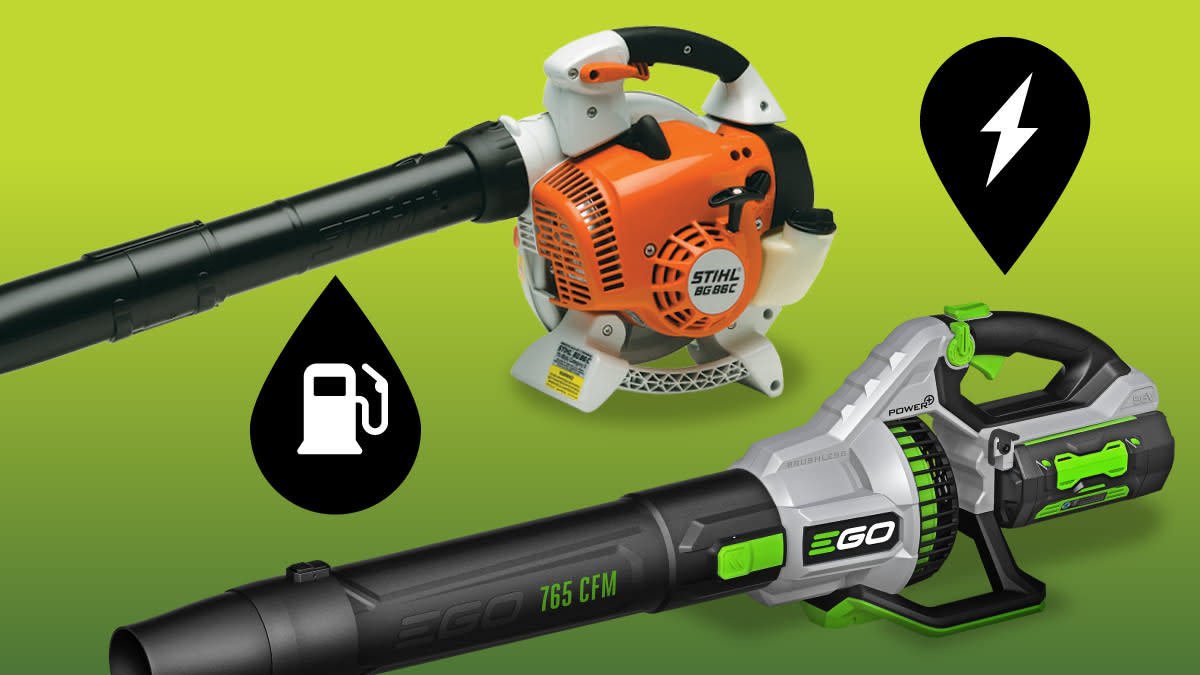
Are you tired of spending hours cleaning up fallen leaves in your yard? Choosing the right leaf vacuum can make a huge difference in how quickly and easily you get the job done.
But when it comes to gas versus electric leaf vacuums, which one really gives you the best power and convenience? You want a tool that fits your needs without causing extra hassle or noise. Keep reading to discover the key differences and find out which leaf vacuum could save you time, effort, and frustration this season.
Gas Leaf Vacuums Power
Gas leaf vacuums use fuel to run powerful engines. They offer strong suction for heavy leaves and debris.
This power helps clear large areas quickly. It also works well in tough outdoor conditions.
Engine Strength And Performance
Gas leaf vacuums have strong engines. These engines give high power and fast airflow.
The strong engine helps pick up wet or heavy leaves. It also works better on uneven ground.
- Usually have 2-stroke or 4-stroke engines
- Provide more suction than electric models
- Handle tough leaf piles with ease
Fuel Efficiency And Runtime
Gas leaf vacuums run on gasoline or a gas-oil mix. Their runtime depends on tank size and engine type.
They can work for a long time but use more fuel. Refilling is needed for extended jobs.
- Fuel tanks usually last 30 to 60 minutes
- Refueling takes a few minutes
- Fuel consumption is higher than electric models
Noise And Emission Levels
Gas leaf vacuums create more noise than electric ones. Their engines emit fumes during use.
This noise can be loud and disturb neighbors. Emissions affect air quality and the environment.
- Noise levels often exceed 90 decibels
- Produce carbon monoxide and other gases
- Require outdoor use for safety

Credit: www.youtube.com
Electric Leaf Vacuums Power
Electric leaf vacuums are popular tools for cleaning leaves in yards. They use electric motors to suck up leaves and debris quickly.
These vacuums can be powered by batteries or plug into an outlet. Their power and convenience make them a good choice for many users.
Battery Life And Charging Time
Battery life is important for cordless electric leaf vacuums. It determines how long you can use the vacuum before recharging.
Charging time affects how soon you can use the vacuum again. Short charging times mean less waiting.
- Battery life usually ranges from 20 to 60 minutes
- Charging time can be from 1 to 4 hours
- Some models have removable batteries for quick swaps
Motor Efficiency
Electric leaf vacuums use motors to create suction power. Motor efficiency affects how well they pick up leaves.
High-efficiency motors use less energy but deliver strong suction. This helps the battery last longer and cleans better.
- Brushless motors offer better efficiency and durability
- Efficient motors reduce noise and vibration
- Good motor design improves airflow and suction
Environmental Impact
Electric leaf vacuums have a smaller environmental impact than gas models. They produce no direct emissions while running.
Using electric power reduces air pollution and noise. Batteries can be recycled to limit waste.
- No gasoline or oil needed
- Less noise pollution in neighborhoods
- Battery recycling helps reduce landfill waste
Handling And Usability
Choosing between gas and electric leaf vacuums depends on how easy they are to handle and use. This section looks at weight, maintenance, comfort, and noise.
Understanding these factors helps you pick a vacuum that fits your needs and work style.
Weight And Portability
Gas leaf vacuums usually weigh more than electric ones. The engine and fuel tank add extra weight. This can make gas models harder to carry for long periods.
Electric leaf vacuums are lighter. They often use a battery or plug into a power outlet. This makes them easier to move around the yard.
- Gas vacuums: heavier, need fuel, less portable
- Electric vacuums: lighter, need charging or power, more portable
- Weight affects how long you can use the vacuum comfortably
Ease Of Maintenance
| Feature | Gas Leaf Vacuums | Electric Leaf Vacuums |
|---|---|---|
| Engine Care | Needs regular oil changes and spark plug checks | No engine maintenance needed |
| Fuel | Requires gasoline and mixing oil | No fuel required |
| Cleaning | More parts to clean and check | Simple cleaning of nozzle and battery area |
| Repairs | More complex, may need a mechanic | Usually simple, often just battery replacement |
Electric vacuums are easier to maintain. Gas vacuums need more care and attention to keep running well.
User Comfort And Noise
Gas leaf vacuums produce more noise and vibration. They can be tiring to use for long times. The engine noise can be loud and distracting.
Electric vacuums work quietly. They create less vibration, making them more comfortable to hold. This reduces fatigue during use.
- Gas vacuums: loud, more vibration, heavier handles
- Electric vacuums: quieter, less vibration, lighter handles
- Comfort affects how long you can use the vacuum without breaks
Cost Comparison
Choosing between gas and electric leaf vacuums involves looking at costs. Some costs are upfront. Others come later with use.
This section breaks down the costs for both types. It helps you see which fits your budget better.
Initial Purchase Price
Gas leaf vacuums usually cost more at the start. They have bigger engines and more parts.
Electric leaf vacuums tend to be cheaper. They have simpler designs and fewer moving parts.
- Gas models: $150 to $400
- Electric models: $80 to $200
Operating Costs
Gas vacuums need fuel and oil. These costs add up with regular use. You also spend on spark plugs and filters.
Electric vacuums use electricity. They need charging or batteries. Charging costs are usually lower than fuel costs.
- Gas: fuel, oil, parts replacement
- Electric: electricity, battery replacement over time
Long-term Value
Gas vacuums are strong and last if well cared for. They handle big jobs better. Repair costs can be high.
Electric vacuums need less upkeep. Batteries wear out and need replacing. They are better for small to medium tasks.
- Gas: durable, more repair costs
- Electric: less maintenance, battery replacement cost
Performance In Different Conditions
Gas and electric leaf vacuums both work well, but their performance changes by conditions. Choosing the right type depends on the job and environment.
This guide looks at how gas and electric leaf vacuums do with wet and dry leaves, large and small areas, and different terrains.
Wet Vs Dry Leaves
Dry leaves are lighter and easier to vacuum. Both gas and electric models work well on dry leaves. Wet leaves are heavier and stick together.
Gas leaf vacuums have stronger suction for wet leaves. Electric vacuums may struggle with heavy, wet leaves and lose power faster.
- Gas vacuums handle wet leaves better due to stronger engines.
- Electric vacuums are best for dry leaves and light debris.
- Wet leaves can clog electric vacuums more easily.
Large Vs Small Areas
Large yards need vacuums with long run times and strong power. Gas vacuums run longer and don’t need charging.
Electric vacuums are good for small areas. They are lighter and quieter but may stop if the battery runs out or cord is short.
- Gas vacuums suit big yards or long jobs without breaks.
- Electric vacuums fit small yards or quick cleanups.
- Battery-powered models limit work time by battery life.
Terrain Challenges
Flat, smooth ground is easier for all vacuums. Rough or hilly areas need more power and control.
Gas vacuums handle uneven terrain better. They are heavier but have stronger engines and better grip.
- Gas vacuums work well on hills and rough ground.
- Electric vacuums may be lighter but can lose power on slopes.
- Uneven terrain may cause electric cords to tangle or trip.

Credit: tendsupplies.com
Safety Considerations
Gas and electric leaf vacuums each have their own safety considerations. It’s essential to understand these before making a choice.
Safety should always be the top priority when using any type of garden equipment.
Handling Fuel And Batteries
Gas vacuums require careful fuel handling to prevent spills. Electric vacuums need battery maintenance to avoid hazards.
- Store fuel in a cool, dry place
- Charge batteries in a well-ventilated area
- Keep fuel and batteries away from children
Operational Hazards
Both gas and electric vacuums can pose operational risks. Understanding these risks helps ensure safe usage.
For gas vacuums, check for fuel leaks regularly. Electric vacuums need inspection of cords and batteries for damage.
Protective Gear Recommendations
Wearing the right protective gear can prevent accidents. It’s vital for both gas and electric vacuum users.
| Gear Type | Purpose |
| Gloves | Protect hands |
| Safety Glasses | Shield eyes |
| Ear Protection | Reduce noise impact |
Popular Models And User Reviews
Choosing between gas and electric leaf vacuums can be tricky. Both have their pros and cons. Let’s explore popular models and see what users have to say.
Understanding user reviews helps in making an informed decision. Here are some insights on the top models available.
Top Gas Leaf Vacuums
Gas leaf vacuums are powerful and suited for large areas. They are often the choice for those with big yards.
- Husqvarna 125BVx: Known for its power and reliability.
- Troy-Bilt TB2BV EC: Offers great suction and easy handling.
- Echo ES-250: Lightweight and easy to start.
Top Electric Leaf Vacuums
Electric vacuums are quieter and eco-friendly. They are ideal for smaller spaces and suburban areas.
| Model | Feature |
| Black+Decker BV6600 | Three-in-one functionality |
| Worx WG512 | Lightweight and efficient |
| Greenworks 24012 | Budget-friendly and compact |
Customer Satisfaction Trends
Customer reviews highlight reliability and ease of use. Both gas and electric models have their fans, but preferences vary.
In recent surveys, many users praised electric vacuums for being quieter. Gas vacuums, however, were noted for their power in large yards.
:max_bytes(150000):strip_icc()/spr-echo-gas-2-stroke-handheld-leaf-blower-megan-wood-16-c2f9103c03b9412baf8103f69362799a.jpeg)
Credit: www.thespruce.com
Frequently Asked Questions
Are Gas Leaf Vacuums More Powerful Than Electric Ones?
Gas leaf vacuums generally offer higher power for heavy-duty tasks. They handle large piles and wet leaves better. Electric models suit lighter yard work and smaller areas. Power needs depend on your garden size and leaf volume.
Which Leaf Vacuum Type Is More Eco-friendly?
Electric leaf vacuums are more eco-friendly since they produce no direct emissions. Gas models emit pollutants and consume fossil fuels. Battery-powered electric vacuums also reduce noise pollution. For environmentally conscious users, electric options are preferable.
Is Maintenance Easier For Electric Or Gas Leaf Vacuums?
Electric leaf vacuums require less maintenance, with no fuel or oil changes needed. Gas models need regular engine upkeep, including spark plug and air filter care. Choose electric for convenience and gas for robust performance.
Which Leaf Vacuum Is Quieter During Operation?
Electric leaf vacuums operate more quietly, producing less noise pollution. Gas leaf vacuums have louder engines that can disturb neighbors. For noise-sensitive areas, electric models are a better choice.
Conclusion
Gas leaf vacuums and electric ones both have their strengths. Gas models offer strong power and long run times. Electric vacuums are quieter and easier to maintain. Think about your yard size and noise limits. Choose what fits your needs and comfort best.
Both types can keep your yard clean and neat. The right vacuum helps make leaf cleanup easier. Consider your budget and how often you will use it. Either option can do the job well.

