
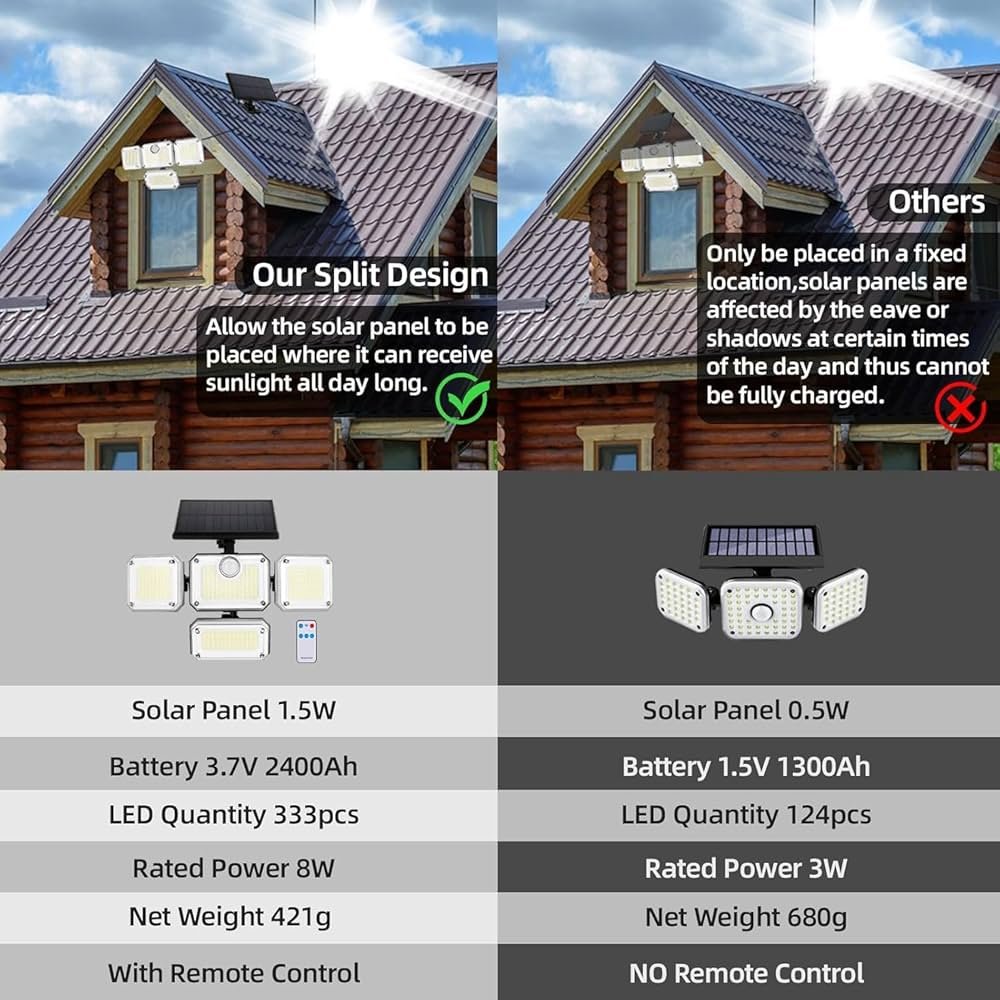
Are you struggling to get the perfect lighting with your flood lights? Positioning multiple flood lights can seem tricky, but it doesn’t have to be.
When done right, the right setup not only brightens your space but also adds security and highlights key features. In this guide, you’ll learn simple, effective ways to arrange your flood lights so every corner shines just as you want.
Keep reading, and soon you’ll have the confidence to light up your space like a pro.

Credit: www.amazon.ca
Choosing Flood Light Types
LED flood lightsuse less energy and last longer than halogen lights. They stay cooler and need less maintenance. Halogen lights give a warm glow but use more power and get hot quickly. Choose LED for better efficiency and safety, especially outdoors.
| Brightness Levels (Lumens) | Use Case |
|---|---|
| 700 – 1300 | Small yards or garden areas |
| 1300 – 3000 | Driveways and medium-sized spaces |
| 3000+ | Large areas or security lighting |
Color temperatureaffects the light’s feel. Warm white (2700K-3000K) creates a cozy look. Cool white (4000K-5000K) is bright and clear, good for work areas. Daylight (5000K-6500K) feels natural but may seem harsh at night.
Assessing Your Space
Start by finding the important spotsthat need lighting. Focus on areas where safety or visibility matters most. Walk around the space and note places like walkways, doorways, and dark corners.
Measure the length, width, and heightof the area. This helps decide how many lights are needed and where to put them. Use a tape measure or a measuring app for accuracy.
Look for obstaclesthat may block light, such as trees, walls, or furniture. These can create shadows or dark patches. Plan to place lights so they shine around or above these barriers.
Determining Light Placement
Place flood lights evenly to cover the entire area without dark spots. Aim lights at different angles to reduce shadows and improve visibility. Adjust height and distance based on the space size and lighting needs.
Spacing Between Lights
Keep a good distance between the flood lights. This helps to cover more area. Place lights 10 to 15 feet apart for even lighting. Too close can make spots too bright. Too far makes dark patches. Check the area size to decide spacing.
Height And Angle Settings
Mount the lights at the right height. 6 to 12 feet high works well. Adjust the angle for wide coverage. Tilt the light downward slightly. This helps avoid lighting the sky. Test different angles for best results.
Avoiding Glare
Glare can hurt the eyes. Position lights away from windows and walkways. Use shields or covers on lights. Aim lights downward to reduce glare. This helps people see better at night. Good positioning makes spaces safe and comfortable.

Credit: www.amazon.ca
Wiring And Power Setup
Electrical requirementsmust match flood light specifications. Use cables rated for outdoor use and correct amperage. Connect all lights to a dedicated circuit breaker. Check voltage compatibility to avoid damage. Use waterproof connectors to protect wiring from moisture.
Safety precautionsinclude turning off power before installation. Wear insulated gloves and use insulated tools. Ensure all connections are tight to prevent sparks. Avoid overloading the circuit to reduce fire risk. Use a voltage tester to confirm wires are not live before touching.
- Timershelp save energy by turning lights off automatically.
- Sensorsdetect motion and activate flood lights only when needed.
- Both reduce electricity bills and increase security.
- Place sensors where they cover the desired area without false triggers.
- Set timers to match your routine for best results.
Testing And Adjusting Lights
Turn on all flood lights to check their coverage. Observe areas that appear too dark or too bright. Adjust each light’s angle slowly. Move lights up, down, left, or right to cover dark spots. Ensure no light points directly into neighbors’ windows or streets.
Fine-tune angles to avoid shadows and glare. Slight angle changes can make a big difference. Test at night for best results. Lights should highlight important areas clearly without being harsh.
Balance brightness by adjusting each light’s intensity or distance. Keep brightness even across the space. Avoid spots that are too bright or too dim. Use dimmers or replace bulbs if needed.
Maintenance Tips
Cleaning fixtureskeeps flood lights bright and efficient. Use a soft cloth and mild soap to wipe dirt and dust. Avoid harsh chemicals that can damage the glass or metal parts. Clean lights regularly, especially after storms or dusty days.
Replacing bulbsensures good light quality. Turn off the power before changing bulbs. Use bulbs that match the fixture’s specifications. Check for signs of wear like flickering or dim light. Replace bulbs promptly to avoid dark spots.
Checking connectionshelps prevent electrical problems. Inspect wires and plugs for cracks or corrosion. Tighten loose screws or terminals. Make sure the fixture is securely mounted. Faulty connections can cause flickering or complete failure.

Credit: www.amazon.ca
Frequently Asked Questions
How Many Flood Lights Should I Use Outdoors?
Use at least two flood lights for balanced coverage. Position them to avoid dark spots and shadows. More lights may be needed for larger areas or enhanced security.
Where Should I Place Flood Lights For Best Coverage?
Place flood lights at corners or elevated spots. Aim lights to cover entryways and walkways. Proper placement ensures maximum illumination and safety.
What Is The Ideal Height For Flood Light Installation?
Install flood lights between 8 to 12 feet high. This height provides wide light spread and reduces glare. Adjust based on the area size and light type.
How To Avoid Glare When Positioning Flood Lights?
Angle lights downward and away from eyes or windows. Use shields or motion sensors to control brightness. Proper aiming minimizes glare and enhances comfort.
Conclusion
Positioning multiple flood lights improves safety and enhances outdoor spaces. Spread lights evenly to avoid dark spots. Aim them to cover wide areas without glare. Adjust angles to highlight key features like paths or walls. Use timers or sensors for energy savings.
Good placement creates a welcoming atmosphere at night. Take time to test different setups for best results. Proper lighting makes your yard look neat and secure. Keep it simple and practical for lasting benefits.
