
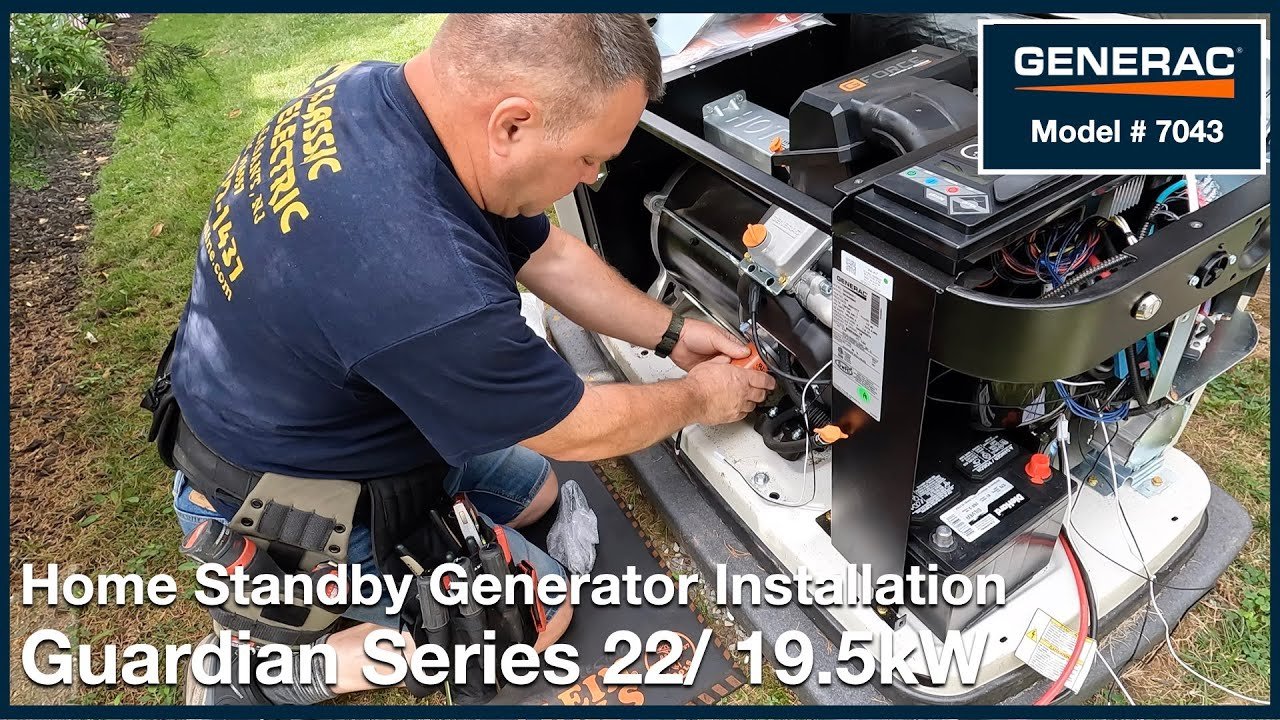
Are you ready to make your shed more powerful and reliable? Installing a generator in your shed can be a game-changer, giving you backup power when you need it most.
But how do you do it safely and correctly? In this guide, you’ll discover simple, step-by-step instructions that anyone can follow. By the end, you’ll feel confident setting up your generator and protecting your home from unexpected outages. Keep reading to unlock the secrets to a smooth and efficient generator installation in your shed!
Credit: www.powerequipmentforum.com
Choosing The Right Generator
Generators come in different types. The most common are portableand standbygenerators. Portable generators are easy to move and good for small power needs. Standby generators stay in one place and power your whole shed automatically during an outage.
Choosing the right size matters. A generator too small won’t power all your tools. A large generator wastes fuel and costs more. Check the power needs of your tools. Add up their watts to find the right size.
| Fuel Type | Pros | Cons |
|---|---|---|
| Gasoline | Easy to find, good for short use | Stores poorly, can be unsafe |
| Propane | Clean burning, stores well | Less power, harder to find |
| Diesel | Fuel efficient, lasts longer | Noisy, expensive upfront |
Preparing The Shed
Choose a dry, flat areain the shed to place the generator. The spot should be easy to reach from outside for fuel and maintenance. Avoid areas near doors or windows to reduce noise and fumes entering the shed.
Good ventilationis very important. Generators produce carbon monoxide, a dangerous gas. Make sure the shed has vents or windows that open. This helps air flow and keeps the air fresh and safe.
Place the generator on a solid, level concrete pad. This keeps it stable and protects it from dirt and moisture. The pad should be large enough for the generator and any accessories. A proper base helps reduce vibration and noise.
Electrical Setup
Installing a generator in a shed requires proper electrical setup to ensure safety and efficiency. Connect the generator to your shed’s power system using a transfer switch to prevent backfeeding. Secure wiring and grounding are essential for reliable operation.
Wiring Basics
Begin by planning the path for the wires. Use durable cables for safety. Securethe wires along walls. Ensure they don’t hang loose. Connect the wires to the generator. Use proper tools for this task. Labelthe wires for easy identification. This helps in future repairs.
Installing Transfer Switch
The transfer switch is a key component. It allows safe switching between power sources. Mountthe switch near the main panel. Connect the switch to your generator. Follow the manufacturer’s instructions closely. This ensures a safe and effectivesetup. Always double-check connections for safety.
Grounding The Generator
Grounding protects your equipment. It prevents electricalhazards. Use a copper rod for grounding. Drive it deep into the ground. Attach the grounding wire securely. This step ensures safetyduring operation. Always check the ground connection regularly. Keep it free from corrosion and damage.

Credit: www.youtube.com
Placing The Generator
Place the generator in a well-ventilated area inside the shed. Keep it away from walls and flammable materials. This helps avoid heat build-up and fire risks. The floor should be stable and level to support the generator’s weight.
Secure the unit firmly to the floor or a sturdy platform. Use bolts or heavy-duty straps to stop movement during operation. This keeps the generator steady and safe.
Connect fuel lines carefully. Check for leaks before starting the generator. Use proper fuel hoses and clamps made for generators. Keep fuel lines away from hot surfaces and sharp edges.
Testing And Maintenance
Initial startuprequires checking fuel, oil, and battery levels. Turn the generator on and listen for smooth operation. Watch for any unusual noises or smoke. Let it run for a few minutes to warm up before use.
- Routine checksinclude inspecting fuel and oil levels regularly.
- Clean air filters monthly to keep the engine healthy.
- Check the battery connections for corrosion or looseness.
- Test the generator under load every few months.
| Common Issue | Possible Cause | Quick Fix |
|---|---|---|
| Generator won’t start | Empty fuel tank or dead battery | Refill fuel or charge/replace battery |
| Engine stalls | Dirty air filter or old fuel | Clean filter or replace fuel |
| Low power output | Overloaded generator or faulty spark plug | Reduce load or replace spark plug |
Credit: www.wfmachines.com
Safety Tips
Carbon monoxideis a silent, deadly gas. Install a carbon monoxide detectornear the generator. Keep the shed well-ventilated to avoid gas buildup. Never run the generator inside the shed with the door closed. Always check for gas leaks before use.
- Keep flammable materialsaway from the generator.
- Have a fire extinguishernearby and easy to reach.
- Place the generator on a non-flammable surface.
- Do not overload the generator’s power capacity.
Know how to quickly shut downthe generator during emergencies. Mark the emergency stop buttonclearly. Test the shutdown procedure regularly. Train everyone who uses the generator on these steps.
Frequently Asked Questions
How Do I Prepare My Shed For Generator Installation?
Clear the shed space and ensure good ventilation. Check the floor for stability and install a concrete pad if needed. Plan the electrical wiring layout before starting the installation to ensure safety and compliance.
What Tools Are Needed To Install A Generator In A Shed?
You will need a drill, screwdriver, wire stripper, voltage tester, and wrench. Safety gear like gloves and goggles is essential. Having a multimeter helps verify electrical connections during installation.
Can I Install A Generator In Any Type Of Shed?
Most sheds can accommodate a generator if they have proper ventilation and space. Avoid sheds made from flammable materials without fireproofing. Ensure the shed meets local building and electrical codes before installation.
How Do I Connect The Generator To The Shed’s Electrical System?
Use a transfer switch to safely connect the generator to your shed’s electrical panel. This prevents backfeed and protects utility workers. Hire a licensed electrician to ensure compliance with safety standards.
Conclusion
Installing a generator in your shed can bring power and convenience. Follow safety rules and local codes to avoid risks. Choose the right spot with good ventilation for your generator. Connect the wiring carefully to keep everything working well. Regular checks help your generator stay reliable over time.
With these steps, your shed will have steady power when you need it. Simple, safe, and useful.
