
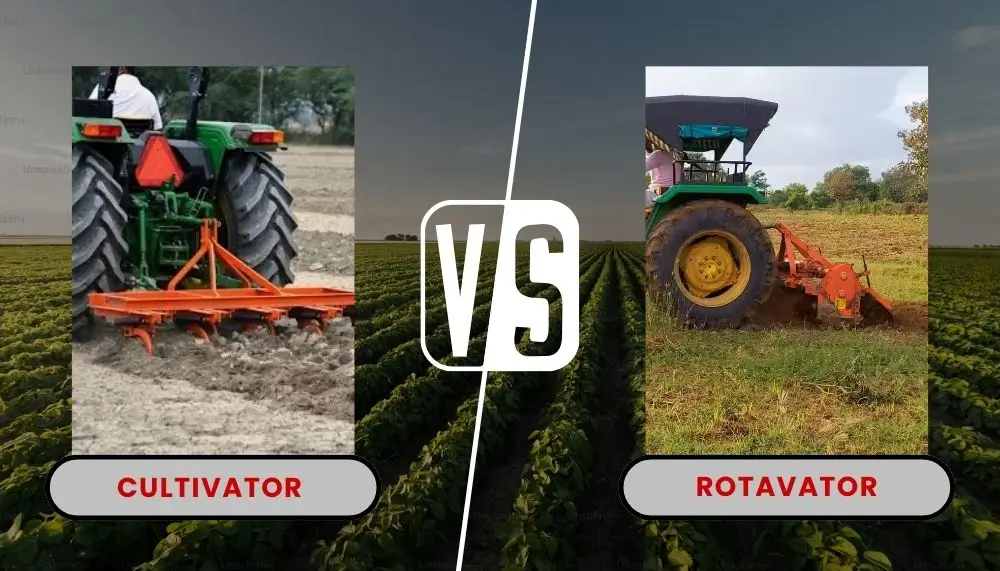
Are you confused about whether you need a tiller or a cultivator for your garden? You’re not alone.
These two tools may seem similar, but they serve very different purposes. Choosing the right one can save you time, effort, and frustration. You’ll discover the key differences between a tiller and a cultivator, helping you make the best choice for your soil and plants.
Keep reading to find out which tool will make your gardening easier and more effective.

Credit: www.youtube.com
Tiller Basics
A tiller is a garden tool used to prepare soil for planting. It breaks up hard ground and mixes soil.
Tillers come in different sizes and designs. They make gardening easier by loosening soil quickly.
Purpose And Uses
Tillers help gardeners prepare soil for seeds and plants. They break up compacted dirt and remove weeds.
Gardeners use tillers to mix soil with compost or fertilizer. This improves soil health and plant growth.
- Loosen hard or compacted soil
- Mix soil with compost or fertilizers
- Remove weeds and old roots
- Prepare garden beds for planting
Types Of Tillers
There are two main types of tillers: front-tine and rear-tine. Each works differently for various tasks.
Front-tine tillers are lighter and good for small gardens. Rear-tine tillers are stronger and better for big areas.
- Front-tine tillers:Easy to handle, best for soft soil
- Rear-tine tillers:Heavy-duty, good for hard or large soil areas
- Mini tillers:Small and portable for tight spaces
How Tillers Work
Tillers have rotating blades called tines. These tines dig into the soil and turn it over.
As the tines spin, they break up clumps of dirt. The machine moves forward to cover the area evenly.
- Engine powers the tines to rotate
- Tines dig and mix the soil
- Machine moves forward for full coverage
Cultivator Basics
A cultivator is a farming tool used to prepare soil for planting. It breaks up soil and removes weeds.
Cultivators help make soil loose and ready for seeds or plants to grow better.
Purpose And Uses
Cultivators are mainly used to loosen soil and control weeds between crops. They help air and water reach the roots.
Farmers use cultivators during early plant growth to protect crops and improve soil quality.
- Loosen soil for better root growth
- Remove weeds that compete with crops
- Mix soil nutrients evenly
- Prepare seedbeds for planting
Types Of Cultivators
There are different types of cultivators for various farming needs. Each type works best in certain soil and crop conditions.
- Hand cultivators: Small tools used by gardeners for light soil work
- Rotary cultivators: Motorized tools with rotating blades for breaking soil
- Pull-type cultivators: Attached to tractors and used for larger fields
- Row crop cultivators: Designed to work between crop rows without harming plants
How Cultivators Work
Cultivators use blades or tines to dig into the soil. These parts turn and break the soil surface.
The tool moves over the ground, cutting weeds and mixing the soil to prepare it for planting.
- Blades rotate to break up hard soil
- Tines loosen soil and remove weeds
- Soil gets mixed to spread nutrients
- Works faster than manual digging
Tiller Vs Cultivator
Tillers and cultivators are tools used in gardening and farming. They help prepare the soil for planting. Both tools break up the soil but work differently.
Understanding their differences helps you choose the right tool for your garden or farm.
Design Differences
Tillers have large tines or blades that dig deep into the soil. They often have a rotating mechanism to turn the soil over. Cultivators have smaller blades or tines. These blades stir and mix the soil near the surface.
- Tillers: Deep digging blades, strong rotation
- Cultivators: Shallow blades, gentle stirring
- Tillers: Larger and heavier design
- Cultivators: Smaller and lighter design
Soil Preparation Techniques
Tillers break and loosen hard soil for planting. They remove weeds and mix compost deep into the ground. Cultivators work well to loosen soil after tilling. They help remove small weeds and prepare seedbeds.
- Use tillers for initial soil breaking and deep mixing.
- Use cultivators for light stirring and weed control.
- Tillers prepare soil for new planting.
- Cultivators help maintain soil between rows.
Size And Power Comparison
| Feature | Tiller | Cultivator |
|---|---|---|
| Size | Large and heavy | Small and light |
| Power | High power, can be gas or electric | Lower power, usually electric or manual |
| Use | For large areas and tough soil | For small areas and light soil work |
Choosing The Right Tool
Gardeners often ask about the difference between a tiller and a cultivator. Both tools help prepare soil but serve different purposes. Choosing the right one depends on your garden needs.
Understanding your garden size, soil type, and tasks will guide you to the best choice. This guide explains these key points clearly.
Garden Size Considerations
Garden size affects which tool works best. Tillers work well in large spaces. They break up hard soil deeply and quickly. Cultivators suit smaller gardens. They loosen soil near plants without disturbing roots deeply.
- Use a tiller for big garden beds or new plots.
- Use a cultivator for small flower beds or vegetable gardens.
- Tillers cover more ground faster than cultivators.
- Cultivators offer more control around delicate plants.
Soil Type Impact
Soil type also guides tool choice. Hard, compacted soil needs a tiller. It breaks tough soil and mixes in compost or fertilizer deeply. Soft or sandy soil benefits from a cultivator. It gently aerates and removes weeds without overworking the soil.
| Soil Type | Recommended Tool | Reason |
| Hard, compacted | Tiller | Breaks soil deeply |
| Soft, sandy | Cultivator | Gently loosens soil |
| Clay | Tiller | Mixes amendments well |
| Loam | Cultivator | Maintains soil structure |
Task-specific Recommendations
Tasks like planting, weeding, or soil preparation suit different tools. Tillers prepare new garden plots by turning soil deeply. Cultivators are best for weed control and soil aeration around growing plants.
- Use a tiller to start new garden beds.
- Use a cultivator to remove weeds between plants.
- Use a tiller to mix compost into the soil deeply.
- Use a cultivator to aerate soil without harming roots.
Maintenance Tips
Keeping your tiller or cultivator in good shape helps it work better and last longer.
Regular maintenance prevents breakdowns and saves you time and money on repairs.
Cleaning And Storage
After each use, remove dirt and debris from your tiller or cultivator. This stops rust and keeps parts moving smoothly.
- Use a brush or hose to clean soil off blades and tines.
- Dry all parts completely to prevent rust.
- Store in a dry, covered place away from rain and moisture.
- Cover the machine with a tarp or plastic sheet if stored outside.
Routine Checks
Check your tiller or cultivator before and after use. This keeps it safe and reliable.
| Part | Check For | Action |
| Engine Oil | Correct level and clean | Refill or change oil if low or dirty |
| Air Filter | Clogs or dirt | Clean or replace filter |
| Belts and Chains | Wear and tightness | Tighten or replace if worn |
| Tines and Blades | Damage or dullness | Sharpen or replace as needed |
| Fuel | Freshness and level | Refill with fresh fuel |
Troubleshooting Common Issues
Some problems may occur often. Knowing how to fix them helps you work without delays.
- The engine won’t start: Check fuel level and spark plug.
- Machine vibrates too much: Tighten loose bolts and check tines.
- Blades do not turn: Inspect belts and chains for damage.
- Engine stalls often: Clean air filter and use fresh fuel.
- Overheating: Clean cooling fins and check oil level.

Credit: www.amazon.ca

Credit: www.youtube.com
Frequently Asked Questions
What Is The Main Difference Between A Tiller And Cultivator?
A tiller breaks and turns soil deeply for planting. A cultivator loosens soil surface and removes weeds. Tillers prepare new ground, while cultivators maintain garden beds.
Which Tool Is Better For Breaking Hard Soil?
Tillers are better for breaking hard, compact soil. They have stronger tines and deeper penetration. Cultivators are designed for lighter, surface-level soil work.
Can A Cultivator Replace A Tiller In Gardening?
No, a cultivator cannot fully replace a tiller. Cultivators are best for weed control and soil aeration. Tillers are necessary for initial soil preparation.
Are Tillers Or Cultivators Easier To Maneuver?
Cultivators are generally easier to maneuver due to their smaller size. Tillers are bulkier and require more effort to control in tight spaces.
Conclusion
Choosing between a tiller and a cultivator depends on your garden needs. Tillers break new ground and manage large areas. Cultivators handle lighter tasks like mixing soil and weeds. Consider the size of your garden. Think about the type of soil you have.
Both tools offer unique benefits for gardening. Match the tool to the task for best results. Happy gardening!
