
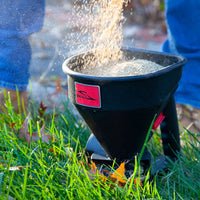
Are you tired of uneven patches on your lawn? Wondering if a handheld spreader can make your yard look healthier and greener without much hassle?
Choosing the right tool can save you time and effort while giving your lawn the care it deserves. You’ll discover how a handheld spreader works and whether it’s the right fit for your lawn care routine. Keep reading to find out how this simple tool might transform your lawn’s appearance and make your outdoor chores easier than ever.
Benefits Of Handheld Spreaders
Handheld spreaders help you spread seeds, fertilizer, and other materials on your lawn. They are small tools that make lawn care easier.
These spreaders give you control and save time. They work well for small to medium lawns.
Ease Of Use
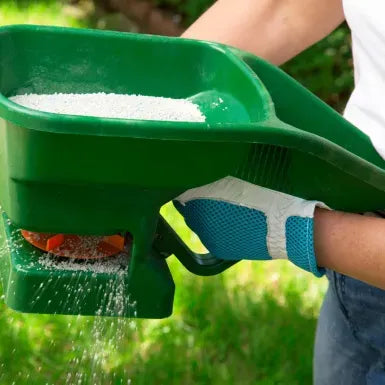
Handheld spreaders are simple to use. You just fill the hopper and walk across your lawn to spread materials.
They have easy controls that let you adjust how much material comes out. This makes your job faster and less tiring.
Portability And Lightweight Design
These spreaders are light and easy to carry. You can move around your yard without much effort.
Because they are small, you can store them easily. They do not take much space in your garage or shed.
Precision In Application
Handheld spreaders give you good control over where you spread materials. This helps avoid waste and damage to plants.
You can target specific areas of your lawn. This is important for treating problem spots or new seed patches.

Credit: www.amazon.co.uk
Types Of Handheld Spreaders
Handheld spreaders help you spread seeds, fertilizer, or ice melt easily. They come in different types for various uses.
Choosing the right type depends on your lawn size and the material you want to spread.
Broadcast Spreaders
Broadcast spreaders toss material out over a wide area. They cover more ground quickly than other types.
These spreaders work well for large lawns and open spaces. You walk while spreading, and the spreader throws the material in a fan shape.
Drop Spreaders
Drop spreaders drop material directly below the spreader. They give you more control on where material lands.
This type is best for small areas or places needing precise spreading. It helps avoid spreading on sidewalks or driveways.
Battery-powered Models
Battery-powered handheld spreaders make spreading easier by using a motor. They reduce the effort needed to spread materials.
These models are good for larger lawns or when you want even spreading without much walking.
Comparing Handheld Spreaders To Other Options
Handheld spreaders offer a simple way to spread seeds, fertilizer, or salt on small lawns. They are easy to carry and use but may not cover large areas quickly.
Other types of spreaders include push spreaders and tow-behind spreaders. Each type has its own benefits and drawbacks depending on lawn size and user needs.
Push Spreaders
Push spreaders are good for medium-sized lawns. You walk behind them while pushing, which turns the spreader mechanism.
- They cover more ground than handheld spreaders.
- They offer better control of spreading rate.
- They are heavier and less portable than handheld models.
- Best for lawns too big for handheld but not large enough for tow-behind.
Tow-behind Spreaders
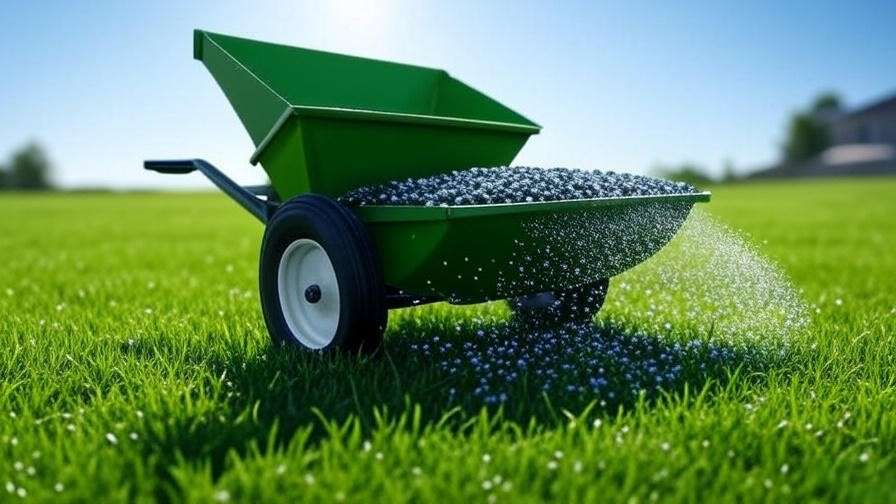
Tow-behind spreaders attach to riding mowers or tractors. They are designed for very large lawns or commercial use.
| Feature | Handheld Spreader | Push Spreader | Tow-Behind Spreader |
| Lawn Size | Small | Medium | Large |
| Ease of Use | Very Easy | Moderate | Needs Mower |
| Coverage Speed | Slow | Faster | Fastest |
| Portability | High | Medium | Low |
Manual Vs Motorized
Manual spreaders rely on your walking speed and effort. Motorized spreaders use a small engine or battery to turn the spreader mechanism.
- Manual spreaders are lighter and cheaper.
- Motorized spreaders cover ground faster with less effort.
- Motorized models are heavier and cost more.
- Choose based on lawn size and physical ability.
Credit: www.grassseedonline.co.uk
Ideal Lawn Sizes For Handheld Spreaders
Handheld spreaders are tools designed to distribute seeds, fertilizer, or other lawn care products. Choosing the right size lawn for these spreaders helps you work efficiently.
Different lawn sizes affect how easy it is to use a handheld spreader. Let’s look at what sizes work best.
Small Lawns
Handheld spreaders are perfect for small lawns under 5,000 square feet. They are light and easy to carry, making them ideal for quick jobs.
- Easy to control
- Less time consuming
- Good for tight spaces
- Reduces product waste
Medium Lawns
For lawns between 5,000 and 15,000 square feet, handheld spreaders still work well. You may need to refill the spreader a few times.
| Lawn Size | Handheld Spreader Use |
|---|---|
| 5,000 – 10,000 sq ft | Good for most tasks, occasional refills needed |
| 10,000 – 15,000 sq ft | Use for spot treatments or smaller areas |
Large Lawns
For lawns larger than 15,000 square feet, handheld spreaders can be tiring and slow. A wheeled or broadcast spreader might be better for big jobs.
Consider these points for large lawns:
- Handheld spreaders require many refills.
- They increase physical effort.
- Not ideal for even coverage on big areas.
Choosing The Right Spreader For Your Lawn
Picking the right spreader helps keep your lawn healthy and green. Different spreaders work better with certain materials and lawn sizes.
Understanding material compatibility, spreader capacity, and budget can guide your choice. This makes lawn care easier and more efficient.
Material Compatibility
Not all spreaders suit every lawn product. Some spreaders work best with granular fertilizers. Others handle seeds or ice melt well.
- Handheld spreaders fit small lawns and light materials.
- Drop spreaders deliver precise amounts for delicate seeds.
- Broadcast spreaders cover large areas quickly with granules.
- Check if the spreader can handle the material size and shape.
Spreader Capacity
Spreader capacity affects how much material you can spread at once. Larger lawns need bigger capacity to avoid refilling often.
| Spreader Type | Typical Capacity | Best For |
| Handheld | 2-4 pounds | Small lawns, spot treatments |
| Push | 10-25 pounds | Medium to large lawns |
| Tow-behind | 50+ pounds | Very large lawns or fields |
Budget Considerations
Choose a spreader that fits your budget but still meets your lawn’s needs. Sometimes spending a little more saves time and effort.
- Handheld spreaders are usually the least expensive.
- Push spreaders cost more but cover bigger areas faster.
- Tow-behind spreaders are the most expensive but best for very large lawns.
- Consider long-term value, not just price.
Maintenance Tips For Longevity
A handheld spreader can last many seasons with proper care. Regular maintenance keeps it working well. Simple steps prevent damage and save money.
Follow these tips to clean, store, and fix common problems. Taking care of your spreader helps your lawn look healthy longer.
Cleaning After Use
Cleaning the spreader after each use stops rust and clogging. Remove leftover fertilizer or seeds. Dirt can cause parts to stick or break.
Use a brush or cloth to wipe all surfaces. Rinse with water but avoid soaking any metal parts. Dry the spreader well before storing.
- Empty the hopper completely
- Brush off dust and debris
- Rinse gently with water
- Dry with a clean cloth
- Check for stuck material and remove it
Storage Guidelines
Store your handheld spreader in a dry place. Avoid damp areas to prevent rust. Keep it away from direct sunlight to protect plastic parts.
Hang the spreader on a wall or place it on a shelf. Make sure it is stable and will not fall. Cover it with a cloth if dust is a problem.
- Choose a dry, cool storage spot
- Keep away from rain and moisture
- Hang or place on a stable surface
- Cover to protect from dust
Troubleshooting Common Issues
If your spreader stops working well, check for blockages. Sometimes fertilizer clumps or dirt can jam the flow. Clean the hopper and spinner carefully.
Check moving parts for damage or rust. Lubricate metal parts with light oil if they feel stiff. Tighten any loose screws or bolts.
- Clear clogged hopper and spinner
- Look for rust or broken parts
- Oil moving parts lightly
- Tighten screws and bolts
- Test the spreader before use
User Experiences And Feedback
Many people use handheld spreaders to care for their lawns. They want an easy way to spread seeds or fertilizer.
Users share their thoughts about how well handheld spreaders work. Their feedback helps others decide if these tools fit their needs.
Pros Shared By Users
Users say handheld spreaders are light and easy to carry. They like that these spreaders let them cover small areas quickly.
- Good for small to medium lawns
- Simple to operate and clean
- Affordable compared to larger spreaders
- Allows precise spreading in tight spots
Common Complaints
Some users find handheld spreaders tiring for big jobs. The containers may be small, needing many refills.
Others mention uneven spreading if not used carefully. Carrying the spreader for long times can cause arm fatigue.
- Not ideal for large lawns
- Frequent refilling slows work
- Spreading can be uneven without practice
- Arm strain during long use
Expert Recommendations
Experts say handheld spreaders work best on small lawns. They suggest wearing gloves to avoid irritation from fertilizers.
They advise using steady, slow movements for even coverage. Experts recommend taking breaks during long jobs to reduce strain.
- Use for small or detailed areas
- Wear gloves for safety
- Move slowly for even spreading
- Take breaks to avoid fatigue
Credit: treecarezone.com
Frequently Asked Questions
Is A Handheld Spreader Effective For Small Lawns?
Yes, handheld spreaders are ideal for small lawns. They provide precise fertilizer distribution and reduce waste. They are lightweight, easy to use, and perfect for tight spaces. This makes lawn care efficient and convenient for homeowners with limited yard areas.
How Does A Handheld Spreader Improve Lawn Care?
A handheld spreader ensures even fertilizer application. It prevents over-fertilizing and patchy growth. This promotes healthier grass and better nutrient absorption. Consistent spreading also saves time and effort compared to manual spreading methods.
Can A Handheld Spreader Handle Different Lawn Materials?
Yes, handheld spreaders work well with seeds, fertilizers, and granular pesticides. They allow controlled spreading rates for various products. This versatility makes them suitable for multiple lawn care tasks, enhancing overall lawn health.
Are Handheld Spreaders Easy To Maintain?
Handheld spreaders require minimal maintenance. Regular cleaning after use prevents clogging and rust. Proper storage prolongs their lifespan. Their simple design means fewer parts to worry about, ensuring long-term usability.
Conclusion
Choosing a handheld spreader offers practicality for lawn care. It suits small to medium lawns well. You gain control over how much material you spread. This means less waste and more savings. Handheld spreaders are easy to use and store.
They help maintain lawn health efficiently. For those with smaller lawns, it’s a smart choice. Consider your lawn size and needs before buying. A handheld spreader might just fit perfectly. Keep your lawn lush and green with minimal effort. It’s a simple yet effective tool for your gardening toolkit.
