
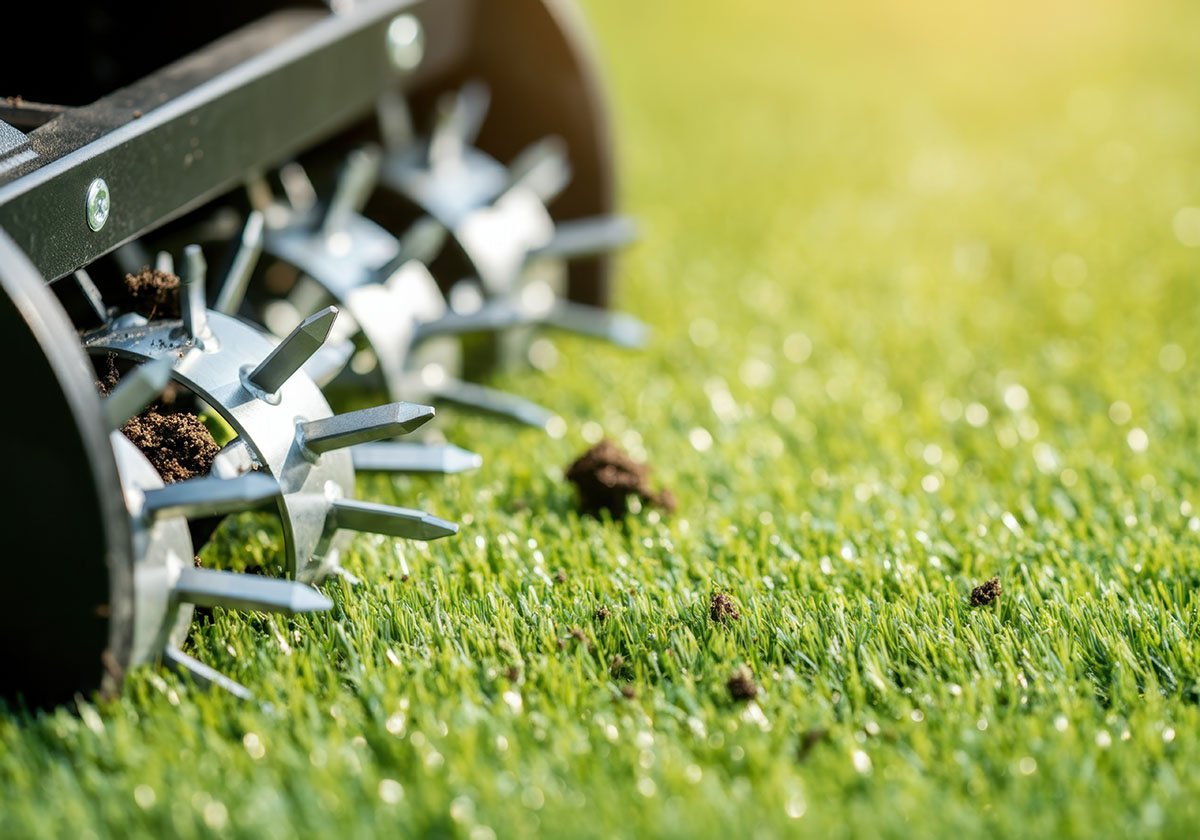
Are you wondering if you can aerate and seed your lawn on the same day? It’s a common question for anyone looking to give their grass a fresh start.
You want your lawn to grow thick and healthy, but timing these tasks right can be confusing. What if doing both at once could save you time and effort? Keep reading to find out the best way to get your lawn green and thriving without mistakes that could slow you down.
Your lawn will thank you for it!
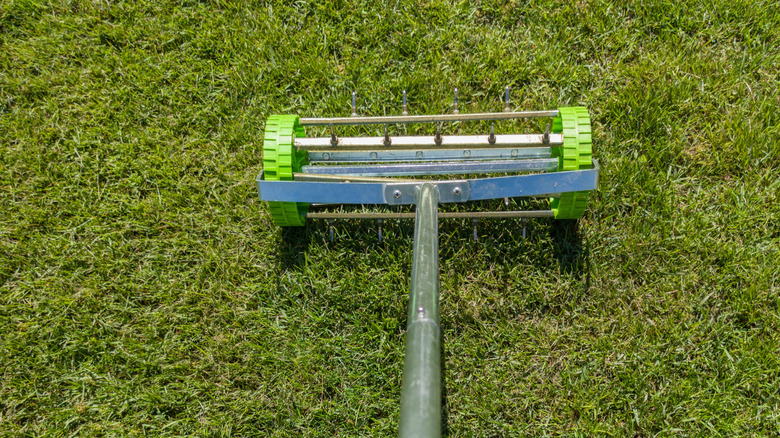
Credit: www.housedigest.com
Benefits Of Aeration And Seeding
Aeration and seeding are key lawn care steps. They help your grass grow thick and healthy. Doing both on the same day saves time and effort.
This process improves soil, boosts grass growth, and controls weeds naturally. Let’s explore these benefits in detail.
Improved Soil Health
Aeration creates small holes in the soil. This allows air, water, and nutrients to reach grass roots. Seeding adds new grass seeds directly into these holes.
- Increases oxygen flow to roots
- Improves water absorption
- Reduces soil compaction
- Enhances nutrient uptake
Enhanced Grass Growth
Seeding after aeration helps grass grow faster. The seeds have a better chance to take root and spread. This leads to a thicker, greener lawn.
| Benefit | Effect on Lawn |
| Better seed-to-soil contact | Faster germination |
| Less soil erosion | Stronger seedlings |
| Improved moisture retention | Healthy root development |
Weed Control Advantages
Thick grass crowds out weeds naturally. Aeration and seeding help the grass grow strong and full. This reduces space for weeds to grow.
Key weed control benefits include:
- Less sunlight reaches weed seeds
- Strong grass competes for nutrients
- Fewer bare spots for weeds to settle
Timing For Aeration And Seeding
Aerating and seeding your lawn helps grass grow thicker and healthier. Many wonder if they can do both on the same day. This depends on the timing and weather conditions.
Proper timing ensures seeds get enough contact with soil and moisture. This improves seed germination and lawn recovery after aeration.
Best Seasons For Lawn Care
The best seasons to aerate and seed depend on your grass type. Cool-season grasses grow best in fall and spring. Warm-season grasses do well in late spring and early summer.
Fall is often the best time to aerate and seed for cool-season lawns. The soil is warm, and air temperatures are cooler. This helps seeds sprout before winter.
- Fall: Ideal for cool-season grasses like fescue and bluegrass
- Spring: Good for cool-season grasses but watch for heat
- Late spring/early summer: Best for warm-season grasses like Bermuda and zoysia
Ideal Weather Conditions
Good weather helps seeds grow after aeration. Avoid very hot or cold days. Light rain or watering after seeding keeps soil moist and helps germination.
Choose a day when the soil is damp but not muddy. Aerate in the morning, then spread seed. Water the lawn right after seeding for best results.
- Temperature between 50°F and 75°F is ideal
- Light rain or watering helps keep soil moist
- Avoid windy days to prevent seed loss
- Soil should be moist but not waterlogged
Can You Aerate And Seed On The Same Day?
Aerating and seeding are common lawn care tasks. Many wonder if they can do both in one day.
Combining these tasks saves time and effort. It also helps grass grow better in some cases.
Pros
Aerating loosens soil, making it easier for seeds to reach the ground. This improves seed contact with soil.
- Seeds get better access to nutrients and water.
- Combining tasks saves time and labor.
- New grass can grow stronger and faster.
Cons
Seeding right after aerating may cause seeds to dry out quickly. The soil might not hold moisture well.
- Seeds can wash away if it rains soon after.
- Soil may be too loose, causing seeds to shift.
- Without watering, seeds may not sprout well.
Expert Recommendations
Experts say you can aerate and seed the same day if you water well. Keep soil moist for best results.
Plan to seed before rain or be ready to water soon after. Avoid seeding in very dry or hot weather.
- Water the lawn immediately after seeding.
- Use quality seed that suits your lawn type.
- Wait 2-3 weeks before mowing new grass.
- Avoid heavy foot traffic on the lawn during germination.

Credit: getlawnbright.com
Preparation Before Aeration And Seeding
Aerating and seeding your lawn on the same day can help grass grow thicker. Proper preparation is important for the best results. Getting your lawn ready makes the process easier and more effective.
Before aeration and seeding, you should mow and clear the lawn. This helps the seeds reach the soil and get enough sunlight and water.
Lawn Mowing Tips
Mow your lawn a day before aeration and seeding. Cut the grass shorter than usual but not too low. This helps the aerator reach the soil better.
Use a sharp mower blade for a clean cut. Avoid mowing wet grass to prevent clumps and damage.
- Set mower height to about 2 to 2.5 inches
- Remove grass clippings after mowing
- Mow when grass is dry
- Use a sharp blade for clean cuts
Clearing Debris
Remove leaves, sticks, and other debris from your lawn before aeration. Debris blocks the aerator and seeds from reaching the soil.
Rake the lawn to clear dead grass and thatch. This opens the soil and helps seeds stay in place.
- Rake leaves and sticks away
- Clear dead grass and thatch
- Remove rocks or large debris
- Ensure the soil surface is even
Step-by-step Process For Same Day Aeration And Seeding
Aerating and seeding your lawn on the same day helps grass grow better. It allows seeds to reach the soil easily. This process needs careful timing and steps.
Follow the steps below to do aeration and seeding efficiently. This guide explains what to do and how to care for your lawn after.
Aerating The Lawn
Aeration means making small holes in your lawn. This helps air, water, and nutrients reach grass roots. Use a core aerator for best results.
- Choose a dry day to aerate your lawn.
- Mark sprinkler heads and obstacles to avoid damage.
- Run the aerator across the lawn in straight lines.
- Overlap passes slightly to cover all areas.
- Leave the soil plugs on the lawn; they will break down.
Applying Seed
After aeration, spread grass seed over the lawn. The holes let seeds reach the soil for better growth. Use the right seed type for your climate.
- Choose seed that matches your existing grass.
- Spread seed evenly with a seed spreader.
- Apply seed at the rate suggested on the package.
- Lightly rake the lawn to help seeds settle into holes.
- Remove any large soil plugs blocking seed contact.
Watering Techniques
Proper watering helps seeds germinate and roots grow. Keep soil moist but not soaked. Watering timing and amount are key.
| Time of Day | Water Amount | Frequency |
| Early morning | Light watering to moisten soil | Twice daily for first two weeks |
| Late afternoon | Light watering again to prevent drying | Twice daily for first two weeks |
| After two weeks | Deep watering to encourage roots | Once daily or every other day |

Credit: www.reddit.com
Common Mistakes To Avoid
Aerating and seeding your lawn the same day can save time and effort. But some mistakes can harm your grass growth.
Knowing what to avoid helps you get better results and a healthy lawn faster.
Overwatering Risks
Watering too much after aerating and seeding can cause problems. Excess water can wash away seeds or cause fungus growth.
Keep the soil moist, but do not flood it. Too much water stops seeds from growing well.
- Use light watering to keep soil damp
- Avoid heavy rain or sprinkler runoff
- Watch for puddles that drown seeds
Incorrect Seed Selection
Choosing the wrong seed type can waste time and money. Different grasses grow better in certain climates and soil types.
Pick seeds that match your lawn’s sunlight, soil, and weather conditions for the best results.
- Use cool-season grass in cooler areas
- Choose warm-season grass for hot climates
- Check seed labels for soil compatibility
Ignoring Soil Testing
Not testing your soil before aerating and seeding can lead to poor growth. Soil tests show nutrient and pH levels.
Adjusting soil based on test results helps seeds grow strong and healthy.
- Test soil pH to balance acidity
- Add fertilizer if nutrients are low
- Fix soil problems before seeding
Maintenance After Aeration And Seeding
After aerating and seeding your lawn on the same day, proper care is key. Good maintenance helps seeds grow well and keeps your grass healthy.
This guide covers watering, fertilizing, and mowing tips to support your lawn after these tasks.
Watering Schedule
Water the lawn lightly right after seeding. Keep the soil moist but not soaked. Water 2 to 3 times a day for the first two weeks. Reduce watering as grass grows.
- Water early in the morning or late in the afternoon
- Use a fine spray to avoid washing away seeds
- Check soil moisture daily
- Stop watering deeply until grass is established
Fertilizing Tips
Apply fertilizer to feed new grass. Use a starter fertilizer high in phosphorus. Avoid heavy fertilizing until grass grows strong. Follow instructions on the fertilizer package carefully.
| Fertilizer Type | When to Apply | Notes |
| Starter Fertilizer | At seeding | Helps root growth |
| Balanced Fertilizer | 4-6 weeks after seeding | Supports leaf growth |
| Slow-Release Fertilizer | After 8 weeks | Feeds grass over time |
Mowing Guidelines
Wait until grass reaches 3 inches before first mow. Use a sharp blade to avoid pulling out new grass. Mow lightly, removing no more than one-third of the grass height.
Follow these mowing tips:
- Set mower height high for first cut
- Keep mower blades clean and sharp
- Avoid heavy traffic on new grass during mowing
- Gradually lower mower height in following weeks
When To Seek Professional Help
Aerating and seeding your lawn on the same day can be a good idea in some cases. But not all lawn problems can be fixed by simple DIY methods.
Knowing when to call a professional can save your lawn from damage and give better results. Let’s look at some situations that need expert care.
Complex Lawn Issues
Some lawn problems are too difficult to handle with basic tools. Professionals have experience with these complex issues and know the right approach.
- Severe soil compaction that needs deep aeration
- Large areas of dead or patchy grass
- Persistent weed or pest problems
- Uneven terrain needing grading before seeding
- Drainage problems causing water pooling
If you notice these problems, it is best to consult a lawn care expert. They can diagnose the issue and suggest the right treatment.
Equipment Rental Vs. Hiring Experts
You can rent aerators and seeders to do the work yourself. But sometimes hiring an expert is safer and more effective.
| Factor | Equipment Rental | Hiring Experts |
| Cost | Lower upfront cost | Higher service fee |
| Skill Level | Requires learning | Professionals handle it |
| Time | May take longer | Usually faster |
| Tools Quality | Depends on rental condition | Uses professional-grade tools |
| Results | Varies by user skill | Consistent and reliable |
If your lawn has complex issues or you want the best results, hiring experts is a good choice. For simple lawns, renting equipment can be enough.
Frequently Asked Questions
Can You Aerate And Seed Your Lawn On The Same Day?
Yes, you can aerate and seed your lawn the same day. Aerating loosens soil, helping seeds germinate better. Just ensure proper watering after seeding for best results.
What Are The Benefits Of Aerating Before Seeding?
Aerating breaks up compacted soil, allowing seeds to reach nutrient-rich earth. It improves water absorption and root growth, enhancing grass health and seed germination success.
Is It Better To Aerate Or Seed First?
Aerate first to create holes for seed placement. This process ensures seeds get direct soil contact, promoting faster and stronger grass growth.
How Soon After Aerating Should You Seed?
Seeding should follow immediately or within a few hours after aerating. This timing maximizes seed-to-soil contact and helps seeds establish quickly.
Conclusion
Aerating and seeding on the same day works well. It boosts lawn health. Aeration opens the soil. Seeding fills it with grass seeds. This combination ensures a lush, green lawn. Timing is crucial. Early fall is ideal for best results.
Proper watering after seeding helps growth. Avoid mowing too soon. This allows new grass to establish. With patience and care, your lawn will thrive. Enjoy the benefits of your efforts. A beautiful lawn is within reach. Keep nurturing it for lasting beauty.
