
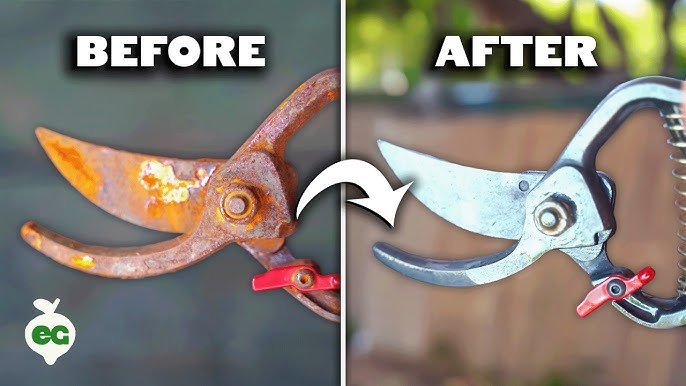
Are you struggling to keep your garden looking neat and healthy? Using pruning shears correctly can make all the difference.
When you know the right way to handle these simple tools, you’ll save time, avoid damage to your plants, and enjoy better growth. You’ll discover easy tips that anyone can follow to get the best results from pruning shears. Keep reading, and you’ll soon feel confident trimming your garden like a pro.
Credit: shegrowsveg.com
Choosing The Right Pruning Shears
Choosing the right pruning shears helps you cut plants cleanly and safely. The right tool makes gardening easier and protects your plants.
Consider the type, size, and sharpness of the shears. These factors affect how well you prune your plants.
Bypass Vs Anvil Shears
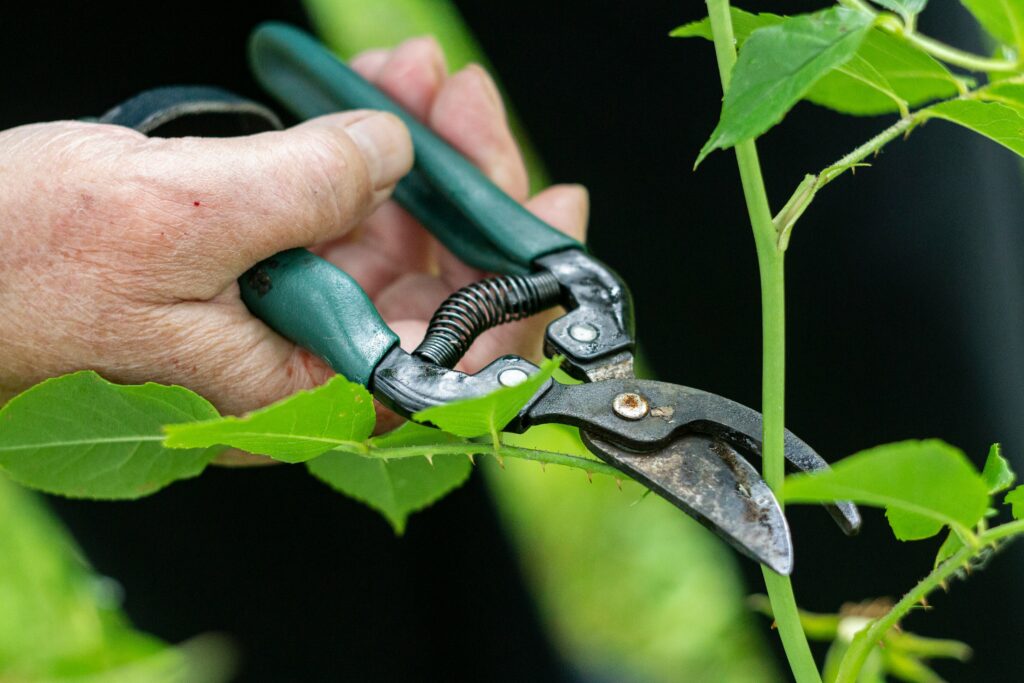
Bypass shears have two sharp blades that slide past each other. They cut like scissors and work well on live branches.
Anvil shears have one sharp blade that closes on a flat surface. They are better for cutting dry or dead wood but can crush soft stems.
- Bypass shears: clean cuts, best for live plants
- Anvil shears: stronger cuts, best for dead wood
- Choose bypass for delicate plants
- Choose anvil for tough, dry branches
Size And Comfort
Pick shears that fit your hand well. A comfortable grip reduces hand fatigue during long use.
| Size | Comfort Tip |
| Small shears | Good for small hands and detailed cuts |
| Medium shears | Fit most hand sizes and general pruning |
| Large shears | Better for thick branches and large hands |
Blade Material And Sharpness
Steel blades last longer and stay sharp. Stainless steel resists rust and is easy to clean.
- High-carbon steel: very sharp but needs care to avoid rust
- Stainless steel: less sharp but rust-resistant and low maintenance
- Keep blades sharp for clean cuts and plant health
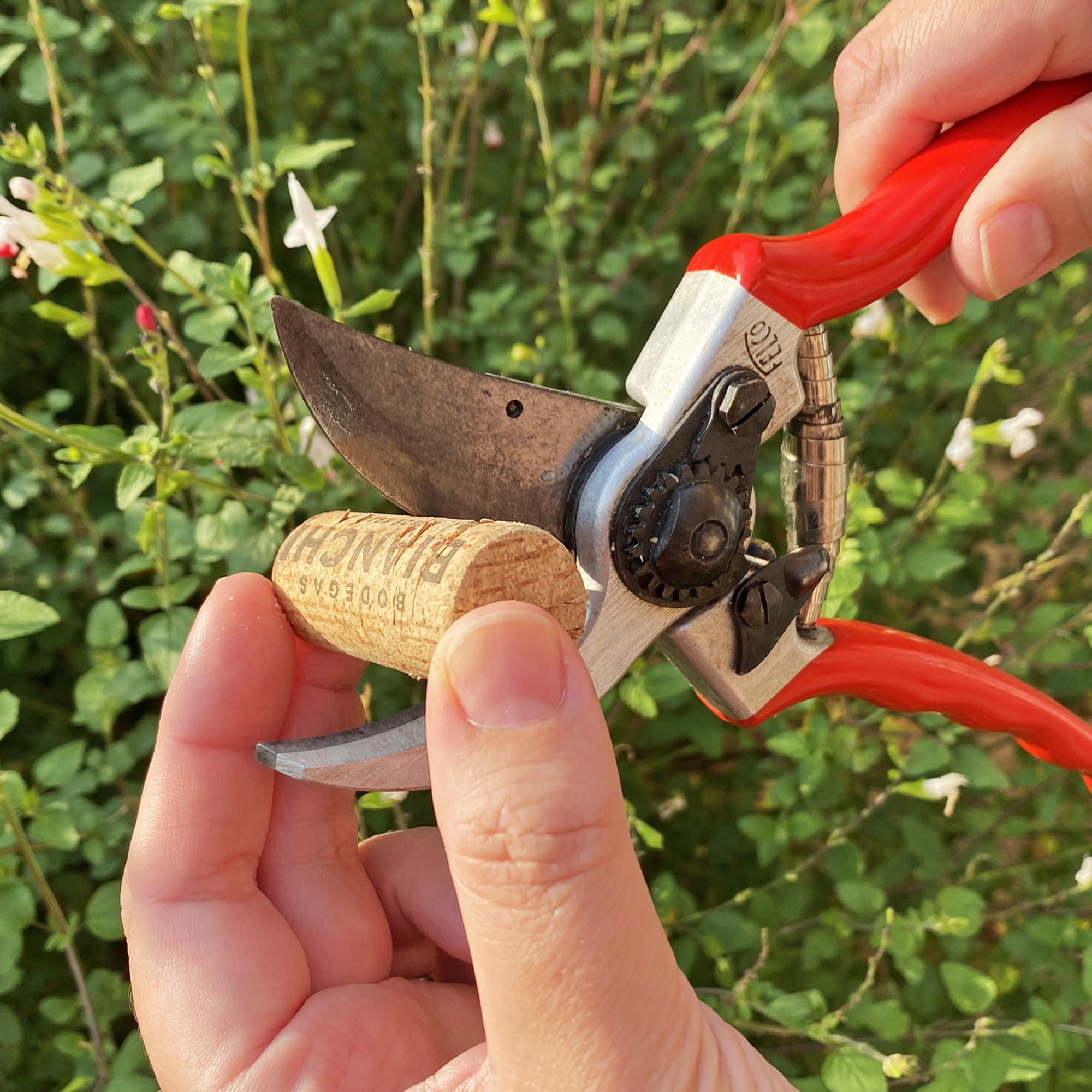
- Sharpen blades regularly with a sharpening stone
Credit: www.gardeningknowhow.com
Preparing Your Pruning Shears
Pruning shears need good care before use. Preparing them helps you cut cleanly and safely.
Clean, sharpen, and lubricate your shears for the best results in your garden.
Cleaning And Disinfecting
Remove dirt and sap from the blades after each use. This keeps the shears working well.
Disinfect the blades to stop spreading plant diseases. Use rubbing alcohol or a bleach solution.
- Wipe blades with a damp cloth to remove sap
- Use a brush to clean hard-to-reach spots
- Dip blades in rubbing alcohol for 5 minutes
- Dry blades completely before storing
Sharpening Techniques
Dull blades make cutting harder and damage plants. Sharpen blades regularly for smooth cuts.
Use a sharpening stone or a fine file. Follow the blade’s angle to keep the edge sharp.
- Hold the blade steady and sharpen one side
- Use light, even strokes along the blade
- Sharpen until the edge feels smooth and sharp
- Clean the blade after sharpening
Lubrication For Smooth Operation
Lubricate shears to reduce friction and prevent rust. This helps the blades open and close easily.
Use light oil on the pivot point and blades. Wipe off extra oil to avoid dirt buildup.
- Apply a few drops of oil to the pivot bolt
- Spread oil along the blades with a cloth
- Open and close shears to work in the oil
- Remove excess oil with a clean rag
Proper Cutting Techniques
Using pruning shears correctly helps plants stay healthy. Cutting branches the right way avoids damage and encourages growth.
Learn how to identify branches, make clean cuts, and use the best cutting angles. These tips will make pruning easier and safer.
Identifying Branch Types
Not all branches are the same. Some are thin and flexible, while others are thick and woody. Knowing the type helps you choose the right cutting method.
- Live branches:These have green leaves and soft bark.
- Dead branches:Dry, brittle, and often gray or brown.
- Crossing branches:Branches that rub against each other.
- Water sprouts:Fast-growing shoots that may weaken the plant.
Making Clean Cuts
Clean cuts heal faster and prevent diseases. Avoid crushing or tearing the branch with dull or poor tools.
| Tip | Reason |
| Use sharp pruning shears | Ensures smooth, clean cuts |
| Cut close to the branch collar | Promotes quick healing |
| Make one clean cut | Prevents bark tearing |
| Remove large branches in sections | Reduces damage to the plant |
Cutting Angle Tips
Cutting at the right angle helps water run off and stops rot. The angle also guides new growth direction.
Follow these angle tips for better pruning:
- Cut at a 45-degree angle
- Make cuts just above a bud facing outward
- Angle the cut away from the bud
- Avoid flat or straight cuts across the branch
Safety Practices While Pruning
Pruning is an important gardening task that helps plants grow strong. Using pruning shears safely prevents injuries.
Following safety practices makes pruning easier and protects your hands and eyes.
Protective Gear
Wear protective gear before using pruning shears. Gloves protect your hands from cuts and scratches.
Eye protection stops debris from hurting your eyes. Long sleeves protect your arms from plants and thorns.
- Wear sturdy gloves made for gardening
- Use safety glasses or goggles
- Wear long-sleeved shirts
Safe Handling
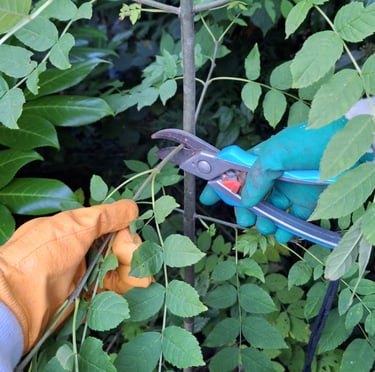
Hold pruning shears firmly with your dominant hand. Keep your fingers away from the blade while cutting.
Cut branches at a comfortable height to avoid stretching or straining. Always close the shears when not in use.
- Hold shears with a steady grip
- Keep fingers clear of blades
- Cut branches close to the base
- Close shears after each cut
Avoiding Common Injuries
Be careful to avoid cuts and pinches. Do not rush your work to reduce mistakes.
Check your shears for sharpness and damage before use. Dull blades require more force and increase injury risk.
- Work slowly and watch your hands
- Keep blades sharp and clean
- Store shears safely after use
- Avoid pruning above shoulder height
Maintaining Pruning Shears
Pruning shears need care to work well and last long. Keeping them clean and sharp helps you cut plants easily.
This guide shows how to clean, store, and fix common problems with pruning shears.
Regular Cleaning Routine
Clean your pruning shears after every use. Dirt and sap can build up and cause rust or dull blades.
- Wipe blades with a dry cloth to remove dirt.
- Use soapy water for sticky sap, then dry thoroughly.
- Apply rubbing alcohol to kill germs and prevent rust.
- Lubricate the pivot with light oil to keep smooth action.
Storage Tips
Store pruning shears in a dry place to avoid rust and damage. Keep them safe from moisture and dirt.
| Storage Method | Benefits |
|---|---|
| Hang on a pegboard | Easy access and dry air circulation |
| Keep in a toolbox | Protection from dust and damage |
| Use blade covers | Prevents accidental cuts and blade dulling |
| Store in a dry room | Reduces rust and corrosion risks |
Troubleshooting Common Issues
If pruning shears feel stiff or do not cut well, check for these issues. Fixing them keeps your tool working properly.
- Check if blades are dull. Sharpen if needed with a sharpening stone.
- Look for rust spots. Clean rust with steel wool or sandpaper.
- Inspect the pivot bolt. Tighten if loose or loosen if too tight.
- Make sure the blades align correctly. Adjust if blades are not meeting evenly.
Credit: natureandsustainability.com
When To Replace Your Shears
Pruning shears are important tools for gardening. Using sharp and well-maintained shears helps plants grow healthy.
Knowing when to replace your shears keeps your work safe and easy. Old or broken shears can damage plants or cause injury.
Signs Of Wear
Look for these signs to know if your shears need replacing. They show when the tool is no longer working well.
- Blades are dull and hard to sharpen
- Blades are bent, chipped, or cracked
- Springs are broken or missing
- Handles are loose, cracked, or splintered
- Shears do not close tightly or cut cleanly
Upgrading Options
Choose new shears based on your gardening needs. Upgrading can improve cutting power and comfort.
- Look for sharp, rust-resistant blades
- Pick ergonomic handles for better grip
- Consider lightweight models to reduce hand strain
- Choose locking shears for safe storage
- Buy brands with good warranties for reliability
Disposal Methods
Dispose of old shears properly to protect the environment. Avoid throwing them in regular trash if possible.
- Recycle metal parts at a scrap yard
- Donate usable parts or tools to community gardens
- Check local recycling centers for tool disposal rules
- Wrap blades carefully to prevent injury during disposal
Frequently Asked Questions
How Do I Hold Pruning Shears Properly?
Hold pruning shears with your dominant hand, gripping the handles firmly. Position your thumb on one handle and fingers on the other. Keep your wrist straight to avoid strain. This grip ensures clean cuts and better control while pruning.
What Is The Best Cutting Technique For Pruning Shears?
Use a smooth, single cutting motion close to the branch base. Avoid twisting or crushing the stem. Cut at a 45-degree angle to promote healthy growth. Clean, precise cuts reduce plant damage and speed up healing.
When Should Pruning Shears Be Cleaned And Sharpened?
Clean shears after each use to prevent disease spread. Wipe blades with a disinfectant solution and dry thoroughly. Sharpen blades regularly for smooth, efficient cuts. Proper maintenance extends tool life and ensures plant health.
Can Pruning Shears Cut Thick Branches Effectively?
Pruning shears are best for branches up to ¾ inch thick. For thicker branches, use loppers or a pruning saw. Using shears on thick branches can damage the tool and harm the plant.
Conclusion
Pruning shears need careful handling for best results. Always keep them sharp and clean. This ensures smooth cuts and healthy plants. Remember to cut at the right angle. It prevents plant damage and encourages growth. Regular practice improves your skill and confidence.
Choose the right shears for each task. This makes the job easier and faster. Safety is important, so wear gloves and stay focused. With these tips, pruning becomes a satisfying garden task. Enjoy nurturing your plants and watching them thrive!
