
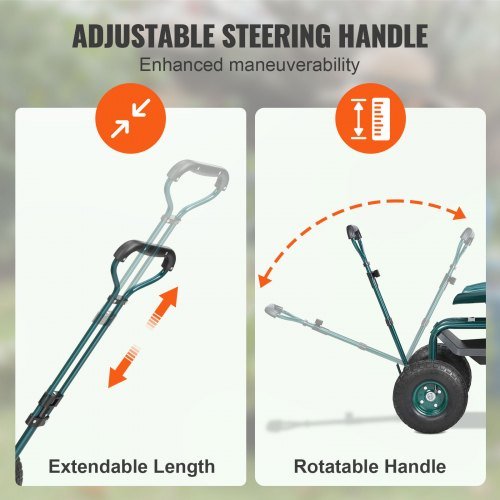
Have you ever struggled to carry heavy loads around your garden? A garden cart can be your best friend, making those tough tasks much easier.
Whether you’re moving soil, plants, or tools, knowing how to use a garden cart properly can save you time and energy. You’ll discover simple tips and tricks to get the most out of your garden cart. Keep reading, and soon you’ll be working smarter, not harder, in your garden.
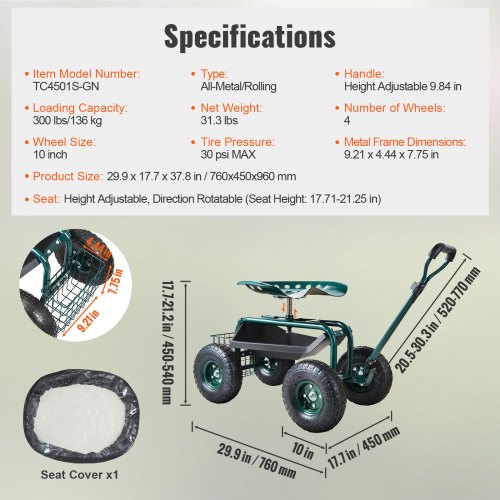
Credit: www.vevor.ca
Choosing The Right Garden Cart
A garden cart helps carry tools, soil, and plants easily. Picking the right one makes your work faster and less tiring.
Think about what you will carry and where you will use the cart. This helps you find the best cart for your garden tasks.
Types Of Garden Carts
Garden carts come in different styles. Choose the one that fits your needs and garden size.
- Wheelbarrows: One wheel, easy to move on uneven ground.
- Two-wheel carts: More stable and carry heavier loads.
- Four-wheel carts: Best for very heavy or large items.
- Foldable carts: Easy to store and carry.
Material And Durability
Garden carts are made from different materials. Pick one that lasts long and fits your budget.
Look for rust-proof metals or strong plastics. These materials handle weather well and need less care.
- Steel: Strong but can rust without paint or coating.
- Aluminum: Light and rust-resistant but can bend.
- Plastic: Lightweight and cheap but may crack over time.
- Wood: Heavy and can rot if not treated.
Size And Weight Capacity
Check the cart size to match your garden tasks. Bigger carts carry more but can be hard to move.
Weight capacity is important. Choose a cart that holds the heavy items you need to move.
| Cart Size | Weight Capacity | Best Use |
|---|---|---|
| Small | Up to 100 lbs | Light gardening and small plants |
| Medium | 100-300 lbs | Most garden tasks and soil transport |
| Large | 300+ lbs | Heavy loads and big tools |

Credit: oypla.com
Preparing Your Garden Cart
Getting your garden cart ready makes your work easier. You should check and prepare it before use.
Proper preparation helps avoid problems and keeps the cart in good shape for a long time.
Assembling The Cart
Follow the instructions to put the parts together. Tighten all bolts and screws firmly.
- Attach the handles securely to the frame.
- Fix the bed of the cart to the base.
- Install the wheels on the axles.
- Make sure all parts fit without gaps.
Adding Accessories
Accessories can make your cart more useful. Attach them carefully for safety and convenience.
| Accessory | Purpose | Attachment Tips |
| Tool Holders | Hold garden tools | Use screws and check stability |
| Side Rails | Prevent items from falling | Align rails evenly before tightening |
| Cover | Protect cargo from rain | Secure with straps or clips |
Checking Tires And Handles
Inspect the tires for air and damage. Make sure the handles are strong and comfortable to hold.
- Check tire pressure and inflate if needed.
- Look for cracks or holes in tires.
- Lubricate wheel bearings for smooth movement.
- Ensure handles are tight and not loose.
- Replace grips if they are worn out.
Loading Techniques For Efficiency
Using a garden cart well saves time and effort in your yard work. Proper loading keeps the cart steady and easy to move.
Learn how to load your garden cart with good balance, space use, and secure items to avoid spills and accidents.
Balancing The Load
Place heavy items close to the cart’s center and low to the base. This keeps the cart stable and easier to pull or push.
Distribute weight evenly on both sides. Avoid stacking too much weight on one side to stop tipping.
Maximizing Space
Use all the space inside the cart by stacking items carefully. Put large, flat items on the bottom and smaller ones on top.
- Break down big items if possible to fit better
- Fill gaps with smaller tools or soft items
- Keep the load below the cart’s edge to avoid falling things
Securing Loose Items
Loose items can fall off and cause accidents. Use straps, ropes, or nets to hold everything in place.
| Item Type | Best Securing Method |
| Small Tools | Mesh bag or toolbox |
| Loose Soil or Mulch Bags | Elastic straps |
| Plants and Pots | Soft ties or nets |
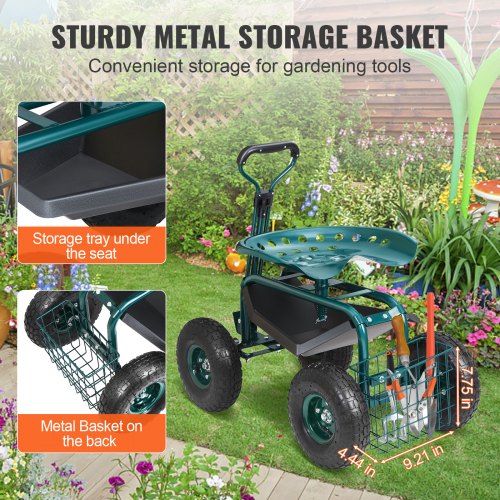
Credit: www.vevor.ca
Safe Maneuvering Tips
Using a garden cart safely helps you work without injury. Pay attention to how you move the cart. This keeps both you and the cart safe.
Follow these tips to handle your garden cart on different grounds and slopes. Keep control to avoid accidents.
Handling Different Terrains
Gardens have many surfaces like grass, dirt, and gravel. Each needs a careful approach to move the cart smoothly.
- Use large wheels for soft or uneven ground.
- Push slowly on slippery surfaces to avoid sliding.
- Keep the cart balanced to stop tipping on rocky paths.
- Clear loose stones or sticks before moving the cart.
Navigating Slopes And Obstacles
Slopes and obstacles need extra care. Always keep the cart steady and control your speed.
| Terrain | Tip |
| Uphill | Push slowly and keep your body low |
| Downhill | Hold the handle firmly and walk behind the cart |
| Over rocks | Lift the front wheels slightly to avoid damage |
| Through mud | Move steadily to avoid getting stuck |
Maintaining Control And Stability
Keeping control is key for safety. A stable cart prevents accidents and helps you work easier.
- Keep the load centered and low to the ground.
- Do not overload the cart beyond its limit.
- Use both hands to steer and balance the cart.
- Check the wheels and handle before use.
Maintenance For Longevity
Proper care keeps your garden cart working well for many years. Regular maintenance prevents damage and costly repairs.
Following simple steps after each use helps protect the cart’s parts. Clean and store it correctly to extend its life.
Cleaning After Use
Remove dirt and debris after every use. This prevents rust and keeps the cart looking good.
- Use a hose or bucket of water to wash off soil.
- Scrub the surface with a soft brush if needed.
- Dry the cart completely with a cloth or let air dry.
- Check for stuck debris in corners or under the bed.
- Apply a light coat of oil on metal parts to stop rust.
Tire And Wheel Care
Check tires and wheels regularly. Proper care avoids flat tires and wheel damage.
| Task | Frequency | Details |
|---|---|---|
| Inspect tire pressure | Monthly | Keep tires inflated to recommended PSI |
| Clean wheels | After heavy use | Remove dirt and grease buildup |
| Lubricate wheel bearings | Every 3 months | Use light oil or grease to reduce friction |
| Check for damage | Before each use | Look for cracks or worn treads on tires |
Storage Recommendations
Store your garden cart in a dry and sheltered place. Proper storage protects it from weather damage.
- Keep the cart under a roof or in a garage.
- Place it on a flat surface to avoid tire damage.
- Cover the cart with a waterproof tarp if stored outside.
- Remove heavy loads before storage to avoid strain.
- Check the cart monthly during storage for any issues.
Common Garden Cart Uses
A garden cart is a useful tool for many outdoor tasks. It helps carry heavy or bulky items with ease. Using a garden cart saves time and reduces strain on your body.
This guide shows common ways to use a garden cart. Each task becomes simpler and more efficient with the right use.
Transporting Soil And Mulch
Garden carts are ideal for moving soil and mulch. They hold large amounts, so you make fewer trips. This helps spread materials quickly around your garden.
- Load soil or mulch into the cart carefully to avoid spills.
- Use the cart to move materials close to planting areas.
- Unload by tipping the cart or scooping out the contents.
Moving Plants And Tools
A garden cart can carry plants and gardening tools at once. This keeps everything organized and easy to transport. It also protects delicate plants from damage.
| Item | Benefit of Using Garden Cart |
| Seedlings | Prevents bending and dropping |
| Garden Tools | Keeps tools together and easy to find |
| Pots and Containers | Makes moving multiple pots simple |
Hauling Debris And Waste
Garden carts help clear debris and waste quickly. They carry leaves, branches, and trash to a disposal area without heavy lifting.
- Wear gloves to protect your hands.
- Do not overload the cart to keep it stable.
- Secure loose debris to avoid falling during transport.
Frequently Asked Questions
What Is The Best Way To Load A Garden Cart?
Load heavy items first to balance weight evenly. Avoid overloading to maintain stability and ease of movement. Secure loose items to prevent spillage during transport. Proper loading extends the cart’s lifespan and improves safety.
How Do I Maintain My Garden Cart?
Clean the cart after each use to remove dirt and debris. Check tires regularly for proper inflation and damage. Lubricate moving parts to ensure smooth operation. Store the cart in a dry place to prevent rust and wear.
Can A Garden Cart Carry Heavy Loads Safely?
Yes, garden carts are designed to carry heavy loads safely. Ensure the load does not exceed the cart’s weight limit. Distribute weight evenly to avoid tipping. Use carts with sturdy frames and durable tires for best results.
How Do I Choose The Right Garden Cart Size?
Consider the tasks you’ll perform and the load size. Smaller carts are easier to maneuver but carry less weight. Larger carts handle bigger loads but need more space and strength to push. Balance size with your garden’s needs.
Conclusion
A garden cart can make yard tasks easier and quicker. You now know how to use one effectively. First, choose the right cart for your needs. Next, learn to load and balance it properly. Always push the cart, not pull.
Care for your cart to ensure it lasts longer. Practice safe lifting techniques to avoid injuries. With these tips, gardening becomes more enjoyable. Your garden tasks will feel less like a chore. Soon, you’ll wonder how you managed without it.
Happy gardening!
