
Are you wondering if aeration can actually harm your lawn instead of helping it? You’re not alone.
Many lawn owners worry about whether poking holes in their grass might cause more damage than good. The truth is, aeration is a powerful tool—but only if done right. You’ll discover how aeration works, what risks to watch out for, and how to keep your lawn healthy and green.
Keep reading to make sure your lawn gets the care it deserves without any hidden pitfalls.

Credit: www.yahoo.com
Common Lawn Aeration Myths
Lawn aeration is a popular way to keep grass healthy. Many people have questions about it. Some ideas about aeration are not true.
This article explains common myths about lawn aeration. It helps you understand what aeration really does to your lawn.
Aeration Causes Lawn Damage
Some people think aeration hurts the lawn. Actually, aeration opens the soil to air and water. This helps roots grow better.
If done properly, aeration does not damage grass. It improves soil health and lawn strength. Damage only happens if tools are used wrong.
Aeration Is Only Needed For Damaged Lawns
Many believe aeration is only for lawns that look bad. In truth, aeration helps all lawns. It keeps soil loose and roots healthy.
Regular aeration prevents problems. It stops soil from becoming hard and compacted. Healthy lawns need aeration too.
Aeration Kills Grass
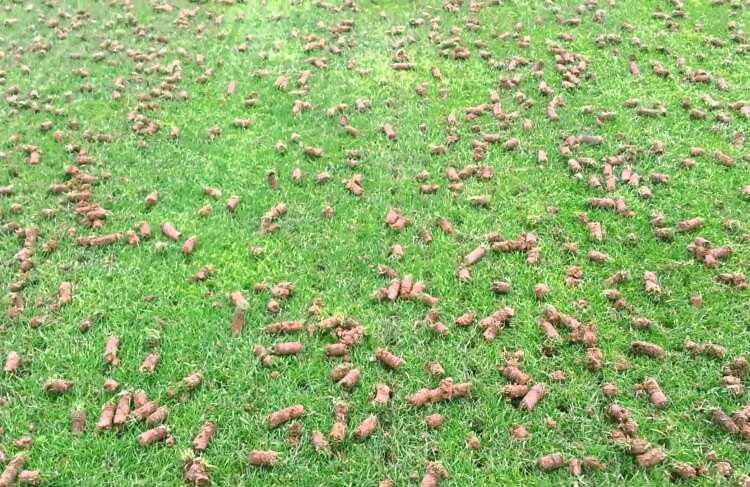
Some think aeration kills grass by pulling it out. Aeration removes small plugs of soil, but grass stays strong. It recovers fast.
Aeration helps grass grow thicker. The tiny holes let air, water, and nutrients reach roots. This makes grass greener and healthier.
How Aeration Benefits Your Lawn
Aeration helps your lawn by creating small holes in the soil. This process allows air, water, and nutrients to reach the grass roots better.
Proper lawn aeration improves the health and appearance of your grass. It supports strong root growth and reduces soil problems.
Improves Soil Aeration And Drainage
Aeration opens up the soil surface, letting air flow deeper into the ground. This helps water drain faster and prevents puddles.
- Allows oxygen to reach grass roots
- Helps water soak into the soil
- Reduces water runoff and puddling
- Prevents root rot by improving drainage
Enhances Root Growth
Aeration gives roots room to grow and spread. Roots that grow well can take up more nutrients and water.
| Benefit | Effect on Lawn |
| More oxygen | Stronger and deeper roots |
| Better nutrient uptake | Healthier grass blades |
| Improved water access | Less drought stress |
Reduces Soil Compaction
Soil compaction stops roots from growing and blocks water flow. Aeration breaks up hard soil and makes space for roots.
- Thin or patchy grass
- Water pooling on soil surface
- Hard, dense soil when digging
Aeration helps fix these problems by loosening the soil and improving root access.
When Aeration Might Harm Your Lawn
Aeration helps many lawns grow strong by letting air and water reach roots. But sometimes, aeration can hurt your grass instead of helping.
It is important to know when aeration might damage your lawn. Doing it at the wrong time or in the wrong way can cause problems.
Aerating During Dormant Seasons
Aerating during your lawn’s dormant season can stress the grass. The grass is not growing and cannot heal the holes quickly.
This can leave the lawn open to weeds and pests. The lawn may also turn brown or patchy after aeration in dormancy.
Aeration On Wet Or Fragile Lawns
Aerating a wet lawn can cause soil compaction. The aerator can press the soil down instead of loosening it.
Fragile lawns with thin grass or young seedlings can get damaged by aeration. The roots may break, causing bare spots.
- Avoid aeration right after heavy rain
- Wait until the soil is dry but not too hard
- Skip aeration on new or weak grass
Using Incorrect Aeration Tools
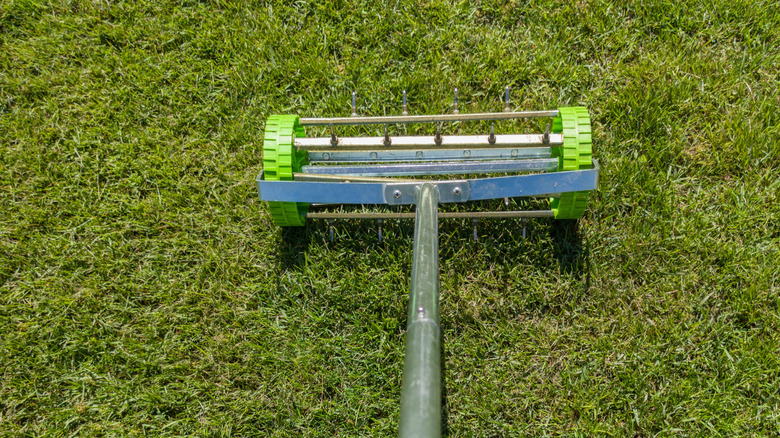
Using the wrong tools can harm your lawn. Spike aerators push soil down and can cause more compaction.
Core aerators pull out plugs of soil. They work better but using small or cheap tools may not penetrate enough.
- Use core aerators for best results
- Avoid spike aerators on heavy clay soil
- Check tool size and condition before aerating
Best Practices For Lawn Aeration
Lawn aeration helps soil breathe and grow healthy grass. It reduces soil compaction and allows water to reach roots.
Doing aeration the right way avoids damage and improves lawn health. Use best practices for great results.
Ideal Timing For Aeration
The best time to aerate is when grass grows fast. This helps the lawn heal quickly after aeration.
For cool-season grasses, aerate in early spring or fall. For warm-season grasses, aerate in late spring or early summer.
- Aerate during moist soil conditions, not too wet or dry
- Avoid aeration during drought or extreme heat
- Do not aerate if lawn is stressed or damaged
Choosing The Right Aeration Method
There are two main aeration methods: spike and core aeration. Core aeration removes small soil plugs. Spike aeration pokes holes without removing soil.
Core aeration is better for compacted soil. Spike aeration can make compaction worse. Choose based on your lawn condition.
- Core aerators improve air, water, and nutrient flow
- Spike aerators are quicker but less effective
- Use professional tools or rent equipment for best results
Post-aeration Lawn Care Tips
After aeration, keep the lawn moist to help grass recover. Water the lawn regularly but avoid overwatering.
Apply fertilizer and overseed if needed. Avoid heavy foot traffic on the lawn for a few days to prevent damage.
- Water the lawn lightly every day for one week
- Use a slow-release fertilizer after aeration
- Spread grass seed over bare spots
- Keep pets and children off the lawn briefly
Expert Tips To Maximize Aeration Benefits
Lawn aeration helps grass grow strong by letting air, water, and nutrients reach roots. Done right, it improves soil health and lawn thickness.
This guide shares tips on combining aeration with overseeding, fertilizing after aeration, and maintaining your lawn regularly.
Combining Aeration With Overseeding
Aeration creates holes in the soil that help new grass seed settle and grow. Overseeding after aeration fills bare spots and thickens the lawn.
- Choose the right grass seed for your climate and soil.
- Spread seed evenly over the aerated lawn.
- Water the lawn gently to keep seeds moist.
- Avoid heavy foot traffic until new grass grows.
Fertilization After Aeration
Fertilizing after aeration helps grass recover and grow fast. Nutrients reach roots more easily through aeration holes.
| Fertilizer Type | Best Time to Apply | Benefits |
| Slow-Release Nitrogen | Right after aeration | Feeds grass over weeks |
| Phosphorus-Rich | If soil test shows need | Improves root growth |
| Potassium-Based | During growing season | Boosts stress tolerance |
Regular Lawn Maintenance Strategies
Keep your lawn healthy by following simple care routines. Regular maintenance helps aeration and overseeding work well.
- Mow grass at the right height for your grass type.
- Water deeply but less often to encourage strong roots.
- Remove weeds to reduce competition for nutrients.
- Use a rake to clear leaves and dead grass.
- Schedule aeration once or twice a year.

Credit: landzie.com
Credit: www.housedigest.com
Frequently Asked Questions
Can Aeration Harm My Lawn Grass?
Aeration generally benefits lawn grass by improving soil oxygen and nutrient flow. When done properly, it does not harm the grass. Over-aeration or using incorrect tools can stress the grass temporarily but won’t cause lasting damage.
How Often Should I Aerate My Lawn Safely?
Most lawns benefit from aeration once a year, preferably during the growing season. Aerating too frequently can stress roots and damage the grass. Annual aeration strikes a balance between soil health and lawn safety.
Does Aeration Cause Lawn Thinning Or Patchiness?
Aeration may cause temporary thinning due to soil disturbance but promotes thicker growth over time. Proper timing and technique prevent patchiness. The small holes help roots grow deeper, strengthening the lawn in the long run.
What Lawn Conditions Increase Aeration Risks?
Aerating when soil is too wet or too dry can damage the lawn. Avoid aeration during extreme weather or drought. Ideal moisture levels reduce stress and prevent soil compaction or tearing of grass blades.
Conclusion
Aeration helps lawns breathe and grow stronger. It creates space for roots. Soil becomes less compacted. Water and nutrients reach deeper. Some damage may occur, but it’s minimal. Healthy grass recovers quickly. Regular maintenance ensures lush, green lawns. Aerate during growing seasons for best results.
Avoid aerating when soil is too wet or dry. Proper timing and technique matter. Lawn care experts can offer guidance. Aeration is a valuable part of lawn care. With careful planning, your lawn stays vibrant and healthy. Remember, a little effort goes a long way.
Your lawn will thank you.

