
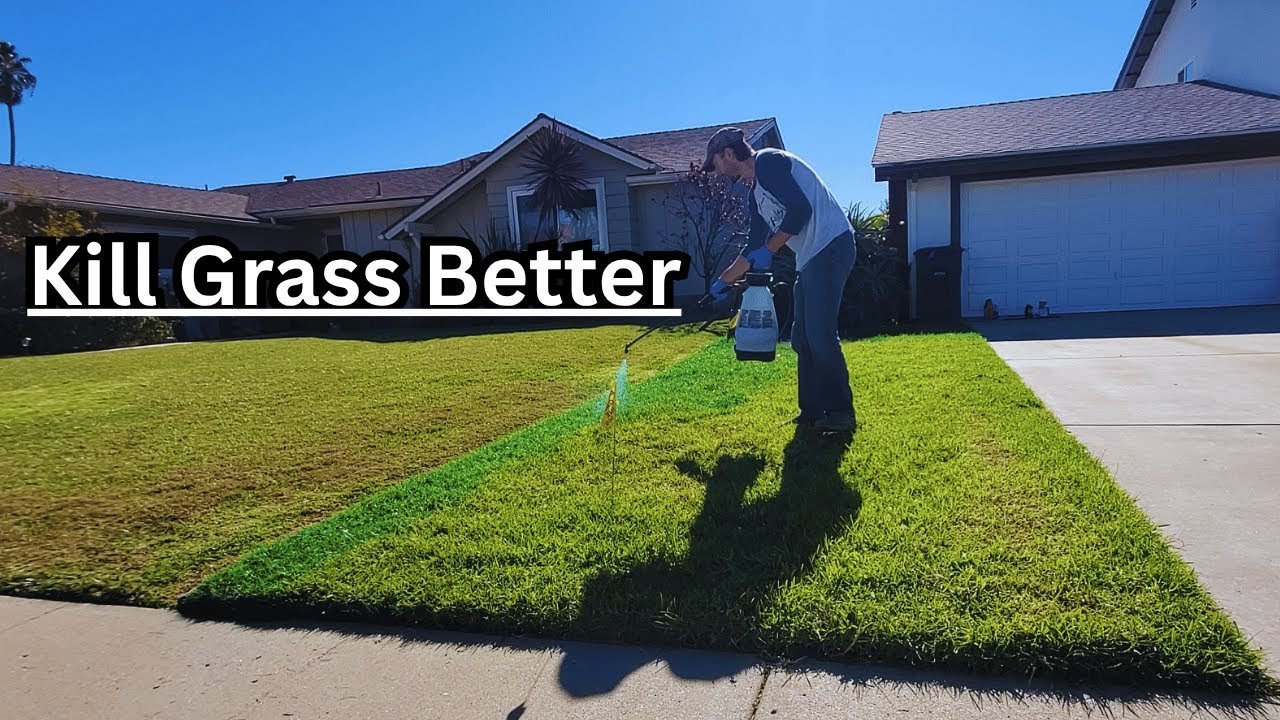
Are you tired of wasting expensive lawn spray and worrying about harming your grass? Over spraying your lawn can lead to patchy, unhealthy spots and even damage the environment around your home.
But what if you could get perfect coverage every time without the guesswork? You’ll discover simple, proven tips to help you avoid over spraying and keep your lawn looking lush and green. Keep reading to learn how to save money, protect your plants, and get the most out of every spray.
Causes Of Over Spraying
Over spraying your lawn can waste products and harm your grass. Understanding what causes it helps you avoid mistakes. This guide covers common causes of over spraying.
Knowing these causes can improve your lawn care and keep your grass healthy. Pay attention to your methods and tools to prevent over spraying.
Common Mistakes In Lawn Spraying
Many people spray their lawns incorrectly without knowing it. These mistakes lead to too much spray on one area.
- Spraying too fast or too slow
- Using the wrong spray nozzle
- Not overlapping spray paths properly
- Applying too much product per area
- Ignoring the product label instructions
Impact Of Weather Conditions
Weather affects how spray lands on your lawn. Wind and rain are the main causes of over spraying.
| Weather Factor | How It Causes Over Spraying |
| Wind | Blows spray to unwanted areas |
| Rain | Washes spray off and causes re-application |
| High Humidity | Slows drying time, leading to runoff |
Equipment Issues
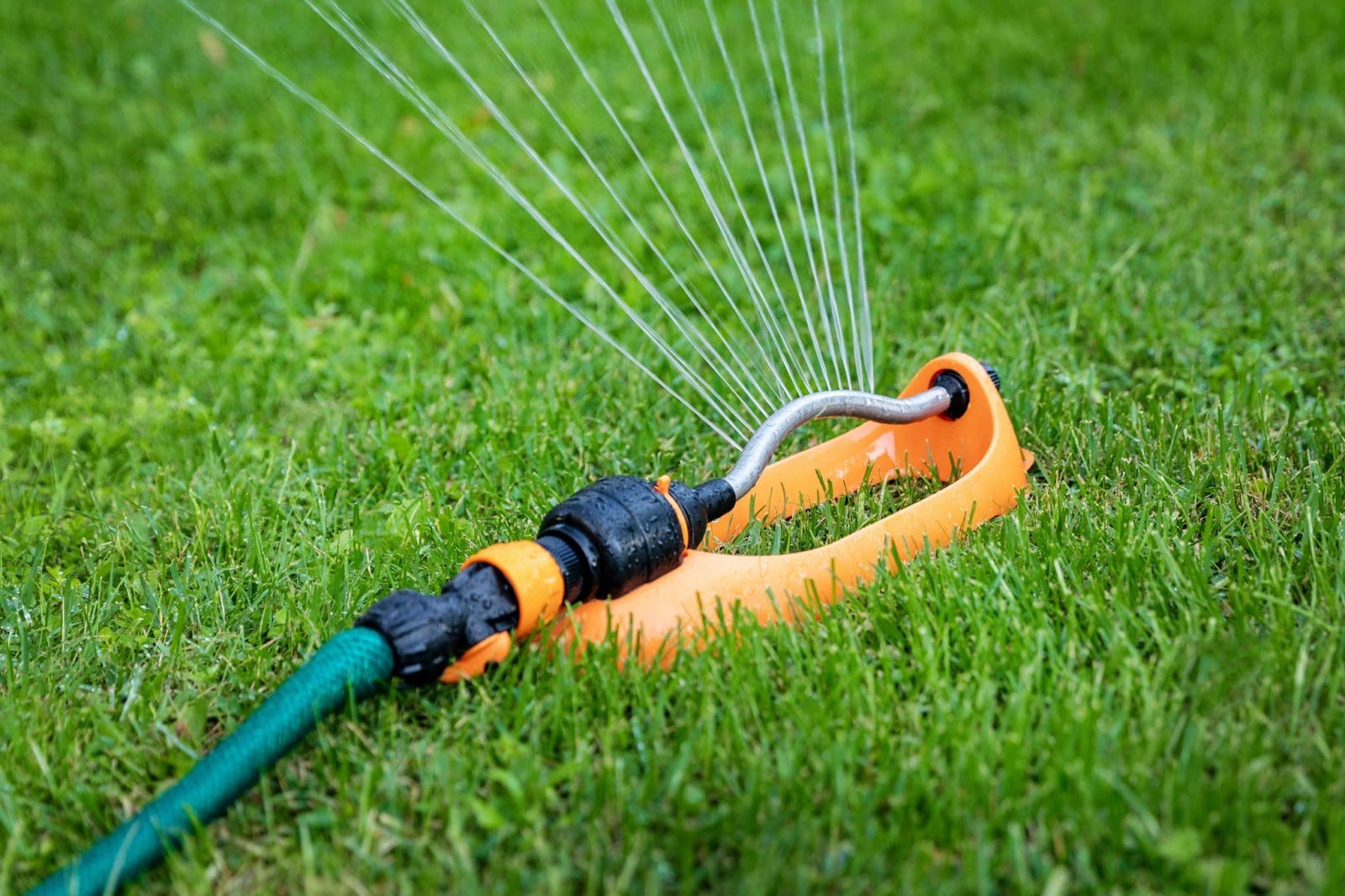
Faulty or wrong equipment can make you spray too much. Check your tools often to avoid this.
Common equipment problems include:
- Clogged nozzles causing uneven spray
- Incorrect pressure settings
- Worn or damaged parts
- Using the wrong sprayer for your lawn size
Credit: ryanlawn.com
Choosing The Right Sprayer
Choosing the right sprayer helps avoid overspraying your lawn. It saves chemicals and protects plants.
Understanding different sprayers and their settings makes your lawn care more effective.
Types Of Lawn Sprayers
There are several types of lawn sprayers. Each type suits different lawn sizes and tasks.
- Handheld Sprayers:Good for small areas and spot treatment.
- Backpack Sprayers:Allow more movement and cover medium lawns.
- Push Sprayers:Best for large lawns and even coverage.
- Tow-Behind Sprayers:Attach to a mower or tractor for very large areas.
Adjusting Spray Nozzles
Spray nozzles control how much liquid comes out and the spray pattern. Proper adjustment reduces waste.
| Nozzle Type | Spray Pattern | Best Use |
| Flat Fan | Even, fan-shaped spray | General lawn and garden spraying |
| Cone | Circular spray | Targeted spraying on shrubs |
| Flood | Wide, heavy spray | Large area coverage quickly |
Calibration Tips
Calibrating your sprayer ensures you apply the right amount of product. This prevents damage and saves money.
- Fill the sprayer tank with water.
- Mark a test area on your lawn.
- Spray the test area at normal speed.
- Measure how much water you used.
- Calculate spray rate and adjust settings accordingly.
Timing Your Spraying
Spraying your lawn at the right time helps avoid over spraying. It ensures the chemicals reach the grass effectively.
Good timing reduces waste and protects the environment. Pay attention to weather and daily conditions.
Best Time Of Day
Spray your lawn early in the morning or late in the evening. This avoids the heat of the day that can cause chemicals to evaporate.
During these times, the air is cooler and the grass absorbs the spray better. This helps prevent over spraying and runoff.
Seasonal Considerations
Different seasons affect how and when you should spray. Avoid spraying in very hot or dry seasons to reduce waste.
Spring and fall are usually the best seasons for spraying. Grass grows actively and absorbs treatments well during these times.
- Spring: lawn is growing, sprays work well
- Summer: avoid spraying in hot, dry weather
- Fall: good for weed control and lawn health
- Winter: spraying is often not effective
Avoiding Windy Conditions
Wind can carry spray away from your lawn and cause over spraying in other areas. Avoid spraying on windy days.
Check the wind speed before you spray. Calm or light wind days are best to keep the spray where it belongs.
- Spray only if wind is less than 5 mph
- Wind can cause uneven coverage
- Avoid windy days to protect nearby plants and water sources
Measuring And Mixing Chemicals
Measuring and mixing chemicals properly helps protect your lawn and the environment. It prevents over spraying and waste of products.
Follow these tips to get the right amount of chemicals for your lawn care needs.
Correct Dosage Guidelines
Use the product label as your guide for dosage. The label tells you how much to apply per area size. Always measure carefully to avoid using too much.
- Read the label before use
- Calculate the lawn area correctly
- Use the recommended amount only
- Never guess or estimate dosages
Using Measuring Tools
Choose the right tools to measure chemicals. Measuring cups, spoons, and graduated cylinders help you get exact amounts. Clean tools before and after use.
| Tool | Use |
| Measuring cup | For liquids in large amounts |
| Measuring spoon | For small amounts or powders |
| Graduated cylinder | Precise liquid measurement |
| Syringe | For very small doses |
Mixing Instructions
Mix chemicals in a clean container. Add water first, then the chemical. Stir well to get a uniform mix. Use the mixture soon after preparing it.
- Fill container with the correct water amount
- Measure chemical accurately
- Add chemical to water slowly
- Stir or shake to mix thoroughly
- Apply mixture promptly to avoid degradation
Spraying Techniques
Proper spraying techniques help protect your lawn from damage. Using the right methods avoids wasting chemicals and keeps grass healthy.
Focus on how you hold the sprayer, your walking style, and where you spray. These steps reduce over spraying and give even coverage.
Maintaining Proper Distance
Keep the sprayer nozzle at the right height from the grass. Too close can cause spots with too much spray. Too far can waste product and miss areas.
- Hold the nozzle 12 to 18 inches above the lawn.
- Check the sprayer instructions for best distance.
- Adjust the spray pattern based on wind and nozzle type.
Walking Patterns For Even Coverage
Walk in straight lines to cover the lawn evenly. Keep a steady pace and overlap spray lines slightly. Avoid rushing to prevent skipping spots.
| Pattern | Benefit |
| Parallel lines | Simple and easy to follow |
| Back-and-forth | Covers large areas quickly |
| Grid pattern | Ensures full coverage in small lawns |
Avoiding Overlap
Overlap causes too much spray in some spots. Mark your passes mentally or with flags. Spray edges carefully to avoid double coverage.
Tips to avoid overlap:
- Spray edges first, then interior areas.
- Use visible landmarks to line up each pass.
- Maintain a consistent walking speed.
- Stop spraying when turning to avoid buildup.
Maintaining Your Equipment
Keeping your lawn spraying equipment in good shape helps prevent over spraying. Regular care ensures you use the right amount of product on your lawn.
Proper maintenance saves money and protects your lawn from damage caused by too much spray.
Regular Cleaning
Clean your sprayer after each use. Remove any leftover chemicals to avoid clogging and uneven spraying.
- Rinse the tank thoroughly with water
- Flush the hoses and nozzles
- Use a soft brush to clean nozzle tips
- Dry parts before storing to prevent rust
Checking For Leaks
Leaks cause waste and uneven spray. Check your equipment often to find leaks early.
| Part | Signs of Leak | Action |
| Hoses | Wet spots or cracks | Replace damaged hose |
| Connections | Drips or loose fittings | Tighten or replace seals |
| Nozzles | Spray mist or dripping | Clean or change nozzle |
Replacing Worn Parts
Old parts may not work well and cause over spraying. Replace worn parts regularly.
Parts to check and replace:
- Worn nozzle tips that change spray pattern
- Cracked or brittle hoses
- Damaged seals and gaskets
- Faulty pressure gauges
Monitoring Lawn Health
Keeping an eye on your lawn helps you know if you are spraying too much. Healthy grass shows you are caring for it well.
Watch your lawn often to catch problems early. This helps you fix issues before they get worse.
Signs Of Over Spraying Damage
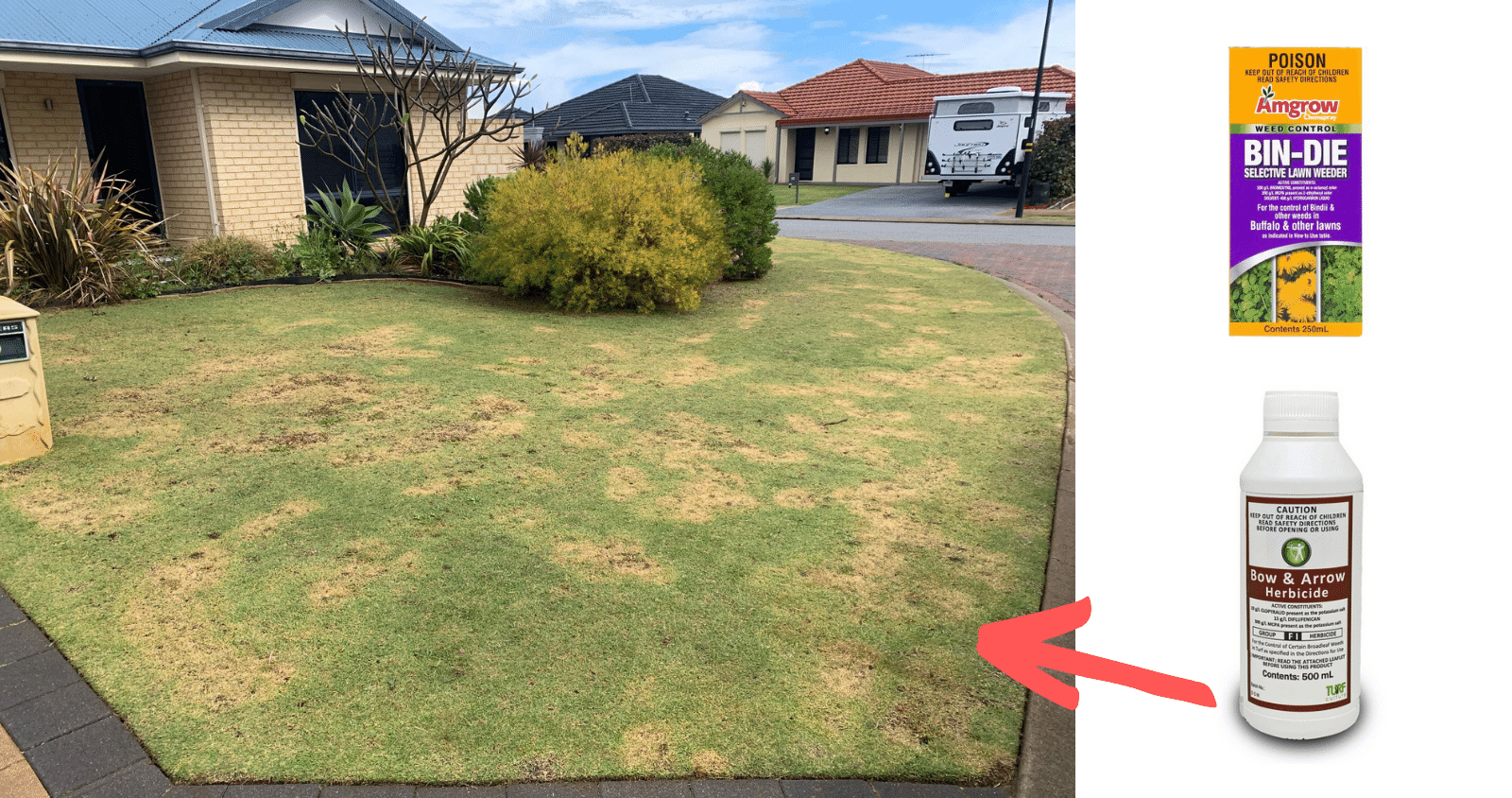
Too much spraying can harm your grass. Look for areas that look different from the rest of the lawn.
Some signs include brown patches, thinning grass, or slow growth. These show the chemicals may be hurting your lawn.
- Grass turns yellow or brown in spots
- Grass blades look dry or burnt
- Grass grows unevenly or thins out
- Weeds start to take over damaged areas
Adjusting Future Applications
If you see damage, lower the amount of spray next time. Using less helps protect your lawn from harm.
Try spraying smaller areas or spreading sprays over more days. Always follow the product instructions closely.
- Reduce the spray amount per treatment
- Increase time between spray sessions
- Apply sprays on cooler, calmer days
- Use spray tools that give even coverage
Alternative Lawn Care Methods
There are other ways to keep your lawn healthy without heavy spraying. These methods support grass growth naturally.
Use natural fertilizers, water well, and mow regularly. These steps help your lawn stay strong and resist pests.
- Use compost or organic fertilizers
- Water early in the morning or late evening
- Mow grass at the right height for your type
- Plant grass that suits your climate well
Credit: www.silverstonegardening.com.au

Credit: www.countryliving.com
Frequently Asked Questions
What Causes Over Spraying On Lawns?
Over spraying happens when too much water or chemicals cover the lawn. It wastes resources and harms grass health. Uneven application and improper equipment settings often cause it.
How Can I Prevent Over Spraying My Lawn?
Adjust your sprinkler settings to match lawn size. Use timers and water during calm weather. Regularly check equipment for leaks or misalignment to avoid excess spraying.
What Are The Effects Of Over Spraying On Grass?
Over spraying can cause grass root damage and promote fungal diseases. It leads to water runoff, nutrient loss, and weakens your lawn’s resilience.
Which Tools Help Control Lawn Over Spraying?
Use drip irrigation or soaker hoses for precise watering. Smart irrigation controllers and rain sensors also help reduce over watering and spraying.
Conclusion
Avoiding over spraying ensures a healthy, vibrant lawn. Stick to the right amount. Measure your lawn area accurately before spraying. Use the correct equipment for precise application. Regularly check your sprayer’s calibration. Follow the product instructions carefully. This reduces waste and protects the environment.
Consistent care boosts lawn appearance. Always stay informed about lawn care techniques. Happy, lush lawns don’t need excessive chemicals. Your lawn will thank you. Gardening becomes more enjoyable with these simple steps. Keep your lawn beautiful and safe. Enjoy the benefits of a well-maintained lawn.

