
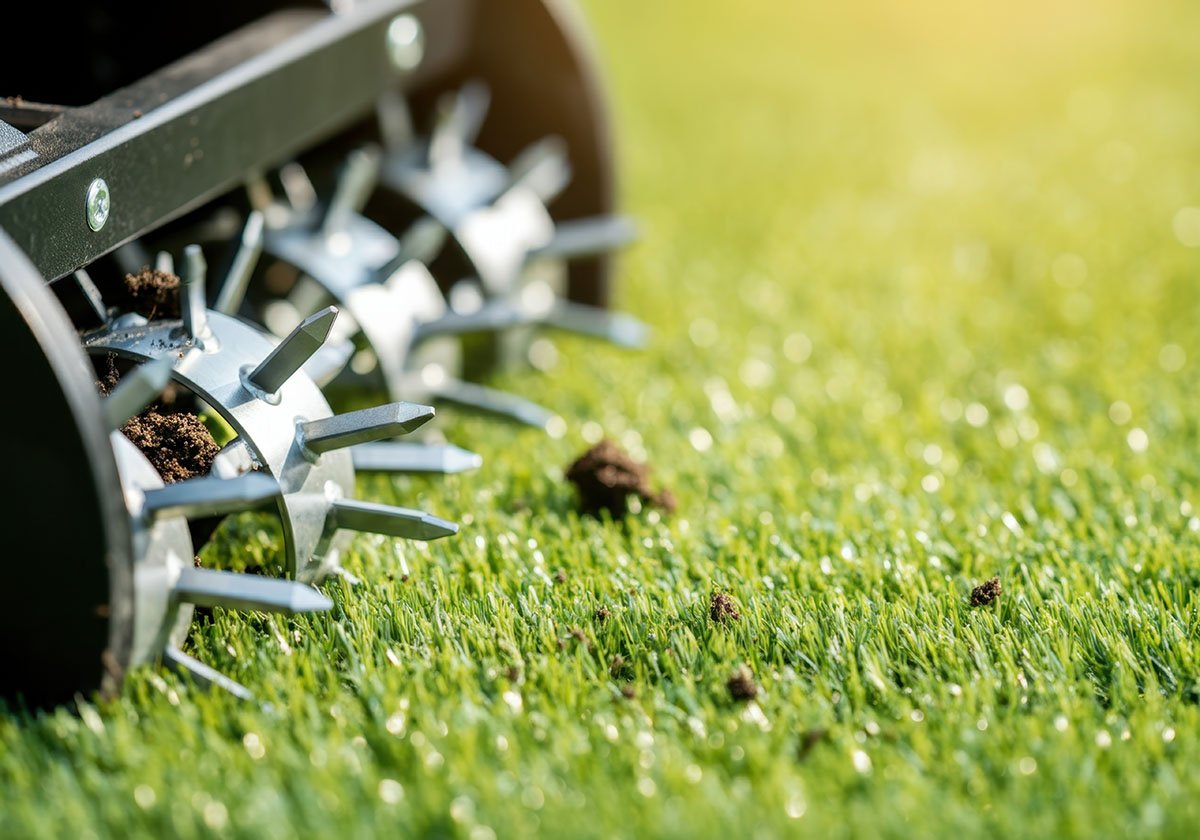
Are you wondering when the best time to aerate your yard in spring is? Timing can make all the difference in how healthy and green your lawn looks throughout the season.
If you aerate too early or too late, you might miss out on the benefits that help your grass grow strong and fight off weeds. You’ll discover exactly when to aerate your yard to give your lawn the boost it needs.
Keep reading to learn the secret to a lush, vibrant yard that will make your neighbors jealous.
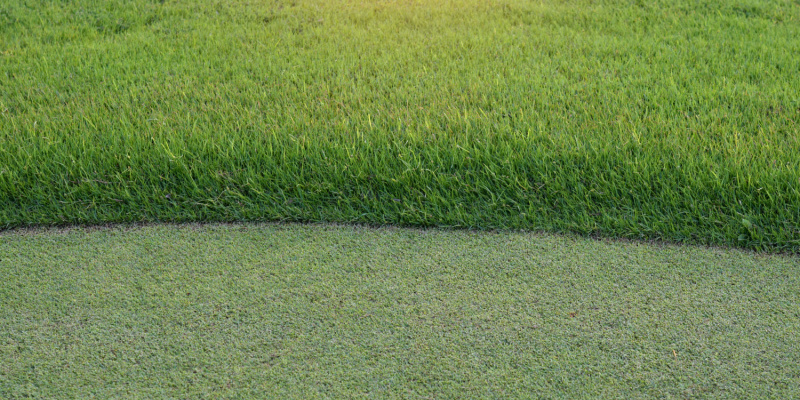
Credit: weedbustersonline.com
Benefits Of Lawn Aeration
Lawn aeration helps your yard grow strong and healthy grass. It makes the soil better for roots to grow deep.
Spring is a good time to aerate because the soil is moist, and grass starts to grow quickly.
Improved Soil Aeration
Aeration creates small holes in the soil. These holes let air move into the ground easily.
Good air flow helps roots get oxygen. This makes grass grow healthier and stronger.
Enhanced Nutrient Absorption
When the soil is aerated, nutrients can reach grass roots better. This helps the lawn get more food from fertilizers and compost.
- Fertilizers spread evenly
- Water reaches deep roots
- Grass uses nutrients more effectively
Reduced Soil Compaction
Soil can get hard from heavy foot traffic or machines. Aeration breaks up compacted soil and loosens it.
| Effect | Before Aeration | After Aeration |
|---|---|---|
| Soil Hardness | High | Low |
| Water Drainage | Poor | Good |
| Root Growth | Limited | Improved |
Credit: www.lawnstarter.com
Signs Your Lawn Needs Aeration
A healthy lawn needs good air, water, and nutrient flow. Aeration helps improve this by creating small holes in the soil.
Look for signs that show your lawn might need aeration. Catching these early can keep your grass green and strong.
Water Pooling
Water pooling happens when water stays on the lawn after rain or watering. This means the soil does not absorb water well.
Pooling water can cause grass roots to rot and create bare spots. Aeration helps water soak into the soil better.
Thinning Grass
Thinning grass looks weak and sparse. It may have brown patches or areas where grass grows poorly.
Compacted soil can stop roots from growing deep. Aeration opens the soil, allowing roots to spread and grass to grow thick.
Hard Soil Surface
Hard soil feels firm and tough to dig. It can stop water, air, and nutrients from reaching grass roots.
Aeration breaks up hard soil, making it softer. This helps grass get what it needs to stay healthy and green.
Ideal Timing For Spring Aeration
Aerating your yard in spring helps grass grow better and stay healthy.
Choosing the right time to aerate makes a big difference in results.
Soil Temperature Considerations
Soil temperature must be warm enough for grass roots to grow after aeration.
- Ideal soil temperature is between 50°F and 65°F (10°C – 18°C).
- Use a soil thermometer to check temperature 2 to 4 inches deep.
- Aerate when soil is moist but not soggy for easier core removal.
Grass Growth Stages
Timing aeration with grass growth stages improves recovery and health.
| Grass Type | Best Aeration Time | Growth Stage |
| Cool-season grasses | Early to mid-spring | Active growth |
| Warm-season grasses | Late spring | Just before rapid growth |
Weather Patterns To Watch
Good weather conditions help aeration work well and grass heal fast.
- Choose days with mild temperatures, not too hot or cold.
- Avoid aeration before heavy rain to prevent soil compaction.
- Plan aeration at least a week before or after a dry spell.
Choosing The Right Aeration Method
Aerating your yard in spring helps grass grow strong. It lets air, water, and nutrients reach the roots.
Choosing the right aeration method makes a big difference. It depends on your yard’s needs and your tools.
Core Aeration Vs Spike Aeration
Core aeration removes small plugs of soil. This creates space for air and water to flow better.
Spike aeration pokes holes in the soil without removing plugs. It is less invasive but may not work as well.
- Core aeration improves soil compaction more effectively
- Spike aeration is quicker and easier for small yards
- Core aeration helps thick or clay soils better
- Spike aeration works for light, sandy soils
Diy Vs Professional Services
Doing aeration yourself can save money. You can rent or buy tools for core or spike aeration.
Professional services have the right equipment and experience. They can aerate large yards quickly and well.
- DIY is good for small yards and simple jobs
- Professionals handle tough soil and big areas
- DIY requires time and some physical work
- Professional service ensures even and deep aeration
Preparation Steps Before Aeration
Aerating your yard in spring helps the grass grow healthy and strong. Before you start, prepare your lawn well to get the best results.
Proper preparation makes aeration easier and more effective. Follow these steps to get your yard ready.
Mowing And Watering
Cut the grass short before aerating. This helps the aerator reach the soil better. Also, water your lawn a day before aeration. Moist soil is softer and easier to aerate.
- Mow the grass to about 2 inches tall
- Remove grass clippings from the lawn
- Water the lawn lightly 24 hours before aeration
Marking Obstacles
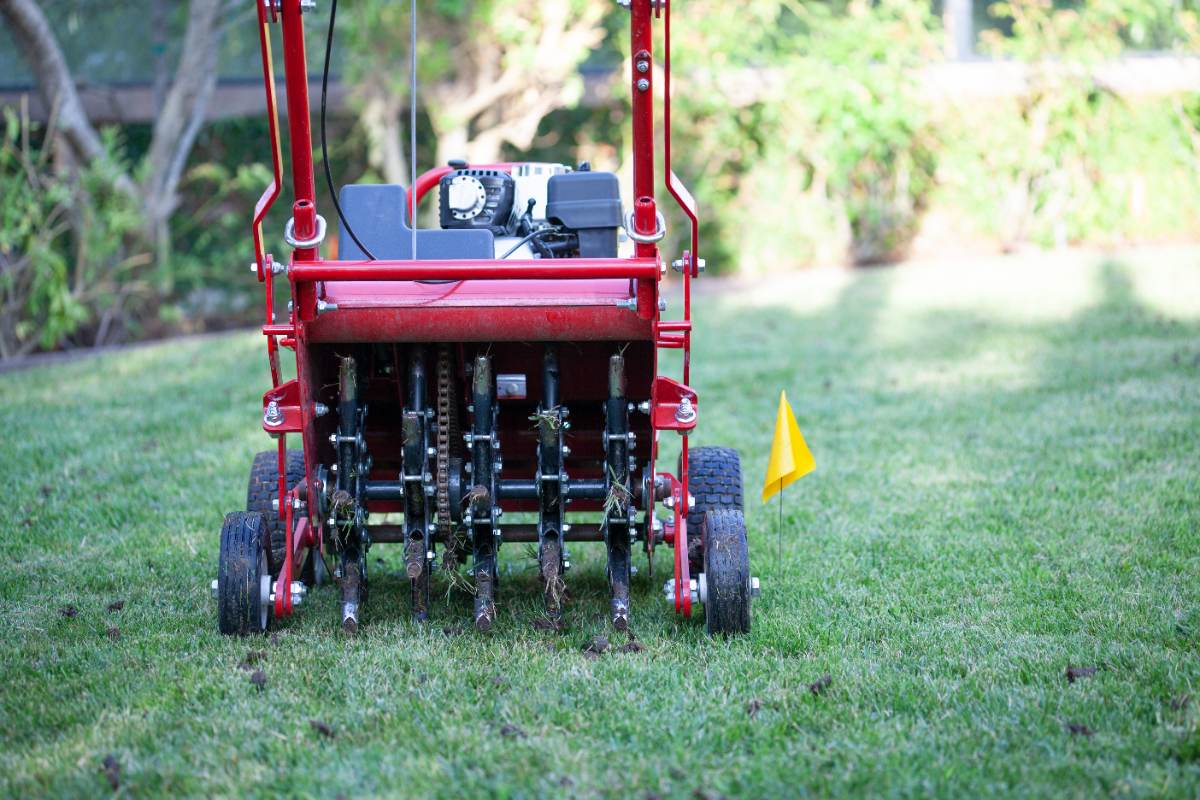
Look for hidden objects like sprinkler heads, rocks, or wires. Mark these spots to avoid damage to your aerator and your yard.
- Use bright flags or stakes
- Mark all hard-to-see items clearly
- Double-check before starting aeration
Clearing Debris
Remove leaves, sticks, and other debris from your lawn. This keeps the aerator from getting stuck and ensures even aeration across the yard.
| Type of Debris | Action |
| Leaves | Rake and collect |
| Sticks and twigs | Pick up by hand or rake |
| Rocks | Remove carefully to avoid damage |

Credit: landzie.com
Post-aeration Lawn Care Tips
Aerating your yard in spring helps grass roots grow better. After aeration, proper care keeps your lawn healthy.
Follow these tips to make the most of your aerated lawn and enjoy a green, lush yard.
Fertilizing And Seeding
Apply fertilizer soon after aeration to feed the grass roots. Use a slow-release fertilizer for steady growth.
Seeding works best right after aeration. The holes help seeds touch the soil and sprout faster.
- Choose grass seed that matches your lawn type.
- Spread seeds evenly over the aerated area.
- Lightly rake seeds into the soil for better contact.
- Fertilize with a starter fertilizer to support new growth.
Watering Schedule
Keep your lawn moist after aeration to help seeds and roots grow well. Water lightly but often.
| Time After Aeration | Watering Frequency | Water Amount |
| First 2 weeks | Daily | Light, about 10 minutes |
| Weeks 3-4 | Every 2 days | Medium, about 20 minutes |
| After 4 weeks | 2-3 times per week | Deep, about 30 minutes |
Avoiding Heavy Traffic
Keep off your lawn for a few weeks after aeration. Walking or playing can damage new roots and seedlings.
- Mark the aerated area to remind family members.
- Use garden paths to avoid stepping on the lawn.
- Delay lawn games until grass grows stronger.
Common Mistakes To Avoid
Aerating your yard in spring helps grass grow strong. Many people make errors that can harm their lawn instead.
Knowing what mistakes to avoid will help your yard stay healthy and green after aeration.
Aerating At The Wrong Time
Aerating too early in spring can damage wet soil and grass roots. Too late can miss the best growing period.
Pick a time when the soil is moist but not soaked. Early to mid-spring works best for cool-season grasses.
- Avoid aerating during heavy rain or drought
- Do not aerate frozen or very hard soil
- Timing affects how well grass recovers
Ignoring Soil Tests
Not testing your soil means you may miss nutrient problems. Soil tests guide proper fertilizer and lime use.
Aeration opens the soil, so adding needed nutrients helps grass grow better after aeration.
- Test soil pH and nutrient levels before aerating
- Adjust soil with lime or fertilizer as needed
- Skipping tests can waste time and money
Skipping Follow-up Care
Aeration alone does not fix a lawn. You must water, fertilize, and mow properly afterward.
Neglecting follow-up care slows grass recovery and reduces aeration benefits.
- Water the lawn deeply after aerating
- Apply fertilizer to support new growth
- Wait to mow until grass grows taller
- Remove debris to prevent disease
Frequently Asked Questions
When Is The Best Time To Aerate Your Yard In Spring?
The best time to aerate your yard is during early to mid-spring. Soil is moist, and grass is actively growing, helping quick recovery. Aerating during this period improves nutrient absorption and reduces soil compaction, promoting a healthier lawn throughout the growing season.
Why Should I Aerate My Yard In Spring?
Aerating in spring reduces soil compaction, allowing roots to access air, water, and nutrients. It helps lawns recover from winter stress and prepares grass for healthy growth. Spring aeration also improves drainage and reduces thatch buildup, making your yard greener and more resilient.
How Often Should I Aerate My Yard Annually?
Most lawns benefit from aeration once a year, ideally in spring. Lawns with heavy foot traffic or clay soil may need aeration twice yearly. Regular aeration maintains healthy soil structure, promotes strong root growth, and keeps your yard lush and vibrant.
Can I Aerate My Lawn Too Early In Spring?
Aerating too early can harm your lawn if the soil is still frozen or overly wet. Wait until the soil is thawed and moist but not soggy for best results. Timing aeration properly ensures better root development and avoids lawn damage.
Conclusion
Aerating your yard in early spring helps grass grow strong and healthy. The soil gets fresh air and water moves better. Choose a dry day with cool weather for best results. Avoid aerating during hot or wet days to protect your lawn.
Regular aeration improves root growth and reduces soil compaction. Keep your yard green and lush by aerating at the right time. Simple steps make a big difference in lawn care. Start early this spring and watch your grass thrive.
