

Are you tired of dragging heavy, noisy leaf blowers around your yard? A battery leaf vacuum could be the simple tool you need to make yard cleanup faster and easier.
Imagine clearing leaves without the hassle of cords or gas, and with less noise. In this guide, you’ll learn exactly how to use a battery leaf vacuum to keep your outdoor space spotless. By the end, you’ll feel confident handling your device like a pro and ready to enjoy a cleaner, more beautiful yard with less effort.
Keep reading to discover tips and tricks that make your leaf cleanup smooth and stress-free.

Credit: www.amazon.ca
Choosing The Right Battery Leaf Vacuum
Battery leaf vacuums help clean yards without cords. Picking the right one saves effort and time.
Look at key features before buying. This guide covers types, battery life, and weight.
Types Of Battery Leaf Vacuums
There are three main types of battery leaf vacuums: handheld, backpack, and wheeled models. Each suits different yard sizes and user needs.
- Handheld:Lightweight and easy to carry. Best for small yards and quick jobs.
- Backpack:Worn on the back with more powerful motors. Good for large yards and longer use.
- Wheeled:Has wheels for easy movement. Ideal for heavy leaf collection and big areas.
Battery Life And Power
Battery life affects how long you can work before recharging. Power determines how well the vacuum picks up leaves.
| Battery Type | Average Runtime | Power Output |
| Lithium-ion | 30 to 60 minutes | Moderate to high |
| Nickel-metal hydride (NiMH) | 20 to 40 minutes | Moderate |
| Nickel-cadmium (NiCd) | 15 to 30 minutes | Low to moderate |
Weight And Ergonomics
Weight affects comfort during use. Ergonomic design reduces strain on your arms and back.
- Choose lighter models for quick tasks.
- Look for padded handles and adjustable straps.
- Backpack vacuums spread weight evenly.
- Try the vacuum before buying if possible.

Credit: www.amazon.ca
Preparing For Use
Before using your battery leaf vacuum, it is important to prepare it properly. Proper preparation helps the vacuum work well and last longer.
Follow these steps to get your leaf vacuum ready for use safely and efficiently.
Charging The Battery
Make sure the battery is fully charged before starting. A full charge gives you the best running time.
Use the charger that came with the vacuum. Connect it to a power outlet and attach the battery correctly.
- Charge the battery in a dry place
- Do not overcharge the battery
- Check the battery indicator light
- Allow full charging before use
Checking The Vacuum Components
Inspect all parts before using the vacuum. Check for any damage or loose pieces.
Ensure the collection bag is clean and attached well. Look at the nozzle, tubes, and motor housing.
- Look for cracks or holes in tubes
- Make sure the bag zipper or closure works
- Check the on/off switch function
- Remove any debris inside the vacuum
Safety Precautions
Follow safety rules to avoid accidents or damage. Wear protective gear like gloves and eye protection.
Do not use the vacuum in wet conditions. Keep children and pets away during operation.
- Wear safety goggles and gloves
- Use the vacuum outdoors only
- Do not touch moving parts
- Keep the area clear of people and pets
- Turn off the vacuum before emptying the bag
Operating The Leaf Vacuum
Using a battery leaf vacuum makes yard cleanup easier and quicker. This guide explains how to operate it safely and efficiently.
Follow simple steps to start the vacuum, use it correctly, and handle different debris types for best results.
Starting The Vacuum
Before turning on the vacuum, check the battery charge. Attach the battery securely to the device. Make sure all safety guards are in place.
- Turn the power switch to the “on” position.
- Hold the vacuum firmly with both hands.
- Press the trigger or button to start the motor.
- Release the trigger to stop the vacuum.
Effective Vacuuming Techniques
Move the vacuum slowly over leaves and debris. Keep the nozzle close to the ground but avoid scraping surfaces. Work in small sections for better cleaning.
- Vacuum in straight lines for full coverage.
- Overlap passes slightly to pick up missed debris.
- Empty the collection bag often to keep suction strong.
- Avoid vacuuming wet leaves as they can clog the machine.
Handling Different Types Of Debris
Leaf vacuums handle many debris types but some need care. Light leaves, small twigs, and pine needles work well. Large branches or stones can damage the vacuum.
| Debris Type | Vacuum Suitability | Tips |
|---|---|---|
| Dry leaves | Good | Vacuum slowly for best pickup |
| Small twigs | Good | Remove large twigs first |
| Wet leaves | Poor | Dry leaves before vacuuming |
| Large branches | Not recommended | Pick up by hand |
| Stones or gravel | Not recommended | Clear area before vacuuming |
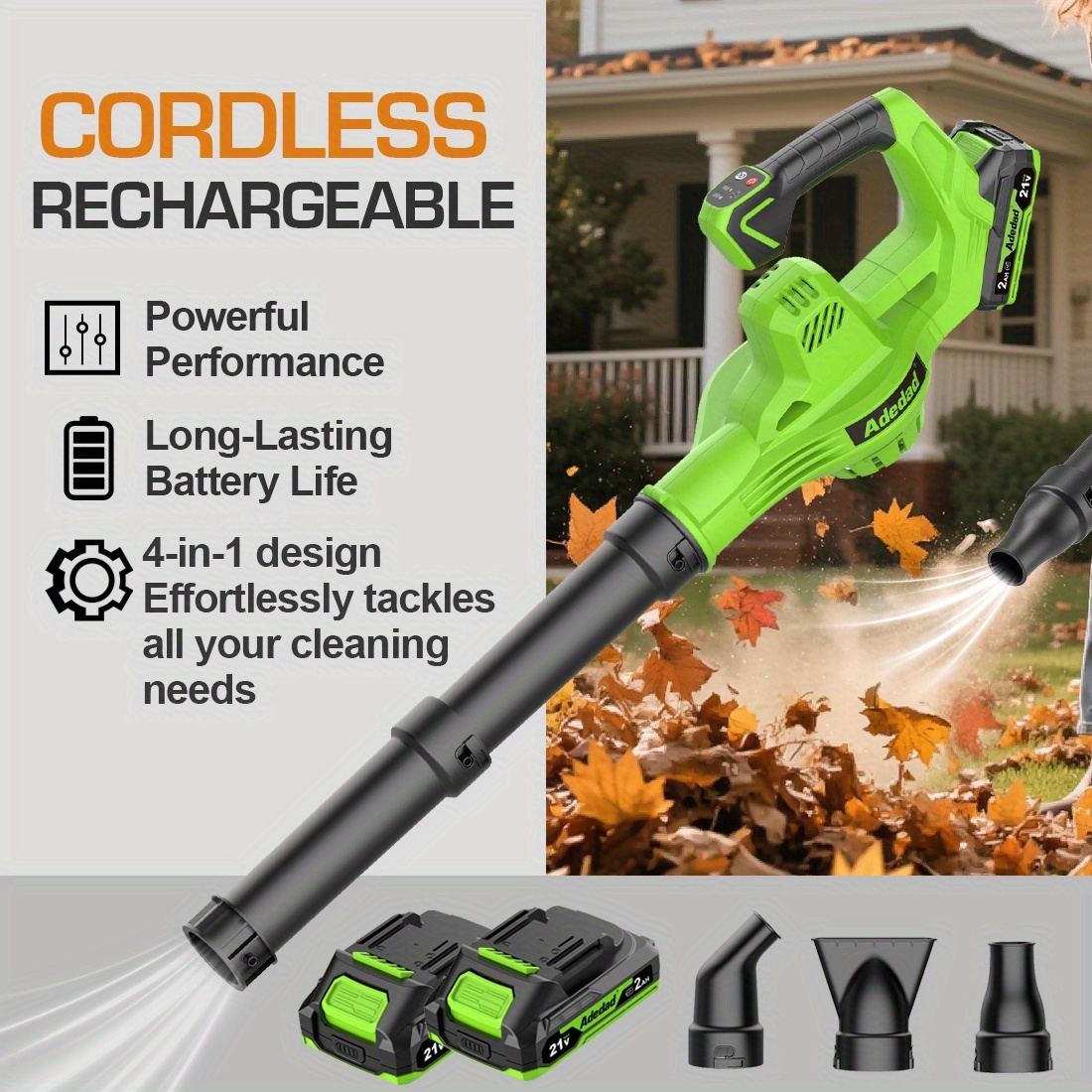
Credit: www.temu.com
Maintenance Tips
Keeping your battery leaf vacuum in good shape helps it work longer. Regular care prevents problems and improves performance.
Follow simple steps to clean, store, and fix common issues. This guide covers easy maintenance tips for your tool.
Cleaning The Filter And Bag
Check the filter and bag after every use. Dirt and leaves can block air flow and reduce suction power.
- Remove the bag and empty it outside.
- Wash the bag with water if it is dirty. Let it dry completely before use.
- Take out the filter and tap it gently to remove dust.
- Replace the filter if it looks worn or torn.
Battery Care And Storage
Proper battery care extends its life and keeps your vacuum running well.
| Care Tip | Details |
| Charge Time | Charge fully before first use and avoid overcharging. |
| Storage | Store battery in a cool, dry place away from sunlight. |
| Use | Use battery regularly to keep it active. |
| Cleaning | Keep battery contacts clean and dry. |
Troubleshooting Common Issues
If your leaf vacuum does not start or loses power, check these points before calling for service.
- Make sure the battery is fully charged and properly connected.
- Clean or replace clogged filters and empty bags.
- Inspect the vacuum for blockages in the air pathway.
- Check for loose or damaged parts and tighten or replace them.
Maximizing Efficiency
Using a battery leaf vacuum can save time and effort in yard work. To get the most out of your tool, use it smartly and maintain it well.
This guide covers the best times to vacuum, how to use other yard tools with it, and tips to keep the battery strong.
Optimal Vacuuming Times
Choose the right time of day to vacuum leaves for better results. Early morning or late afternoon is best because leaves are usually dry. Wet leaves can clog the vacuum and reduce its power.
- Vacuum after dew dries off
- Avoid vacuuming right after rain
- Work in small sections to avoid overheating
- Check weather forecast for dry days
Combining With Other Yard Tools
Using other yard tools with your leaf vacuum can clear your yard faster. For example, rake larger piles before vacuuming. Use a blower to move scattered leaves into easier spots to vacuum.
| Tool | Best Use with Leaf Vacuum |
| Rake | Gather large leaf piles |
| Leaf Blower | Move loose leaves into piles |
| Lawn Mower | Chop leaves before vacuuming |
Extending Battery Life
Keeping the battery charged and cared for helps your vacuum run longer. Avoid letting the battery fully drain before charging. Store the battery in a cool, dry place when not in use.
Follow these tips to protect your battery:
- Charge after each use
- Do not overcharge; unplug when full
- Store batteries away from heat and moisture
- Clean battery contacts regularly
Frequently Asked Questions
How Do I Operate A Battery Leaf Vacuum Safely?
Always wear protective gear and read the manual first. Keep the vacuum away from water and children. Use both hands to hold the device firmly. Avoid loose clothing that can get caught. Turn off the vacuum before clearing clogs or making adjustments.
How Long Does A Battery Leaf Vacuum Last Per Charge?
Most battery leaf vacuums run between 20 to 60 minutes per charge. The exact time depends on battery capacity and power usage. Higher speeds drain the battery faster. Always fully charge before use for optimal performance.
Can A Battery Leaf Vacuum Mulch Leaves Effectively?
Yes, many battery leaf vacuums have mulching features. They shred leaves into smaller pieces, reducing volume. This makes disposal easier and helps create compost. Check the product specs for mulching ratio and capacity.
How Do I Maintain My Battery Leaf Vacuum?
Regularly clean the vacuum bag and filters to maintain airflow. Charge the battery fully before storage. Store the vacuum in a dry, cool place. Inspect for any damage or worn parts before use.
Conclusion
Using a battery leaf vacuum is simple and efficient. Start by charging the battery fully. Then, attach the collection bag securely. Next, ensure the vacuum is on a flat surface. Begin by clearing small areas first. Move steadily to gather leaves effectively.
Remember to empty the bag when full. Regular maintenance keeps the vacuum working well. Clean the device after every use. Check for any debris or blockages. Store it in a dry place. With these steps, you can maintain a tidy yard.
Enjoy a clean, leaf-free environment effortlessly. Happy gardening!

