
Are you wondering how often you should overseed with a seeder to keep your lawn looking fresh and healthy? You might think it’s a one-time task, but the truth is, timing and frequency play a big role in achieving that lush, green yard you want.
If you’re tired of patchy grass and want to know the secret to a thicker lawn, this guide will help you understand exactly when and why overseeding matters. Keep reading to discover how to make your lawn the envy of the neighborhood.
Benefits Of Overseeding
Overseeding means spreading new grass seed over your lawn. It helps keep your lawn thick and green.
Regular overseeding improves your lawn’s look and health. It fills bare spots and strengthens grass.
Improving Lawn Density
Overseeding adds more grass plants to your lawn. This makes the grass thicker and fuller.
A dense lawn looks better and feels softer underfoot. It also helps protect soil from erosion.
- Fills in bare or thin areas
- Creates a lush, green surface
- Improves lawn appearance
Enhancing Turf Health
New grass from overseeding boosts the lawn’s overall health. It adds strong roots and fresh growth.
Healthy turf resists damage from drought, heat, and foot traffic. Overseeding helps your lawn stay tough.
- Strengthens grass roots
- Encourages new growth
- Helps lawn recover from stress
Preventing Weed Growth
Thick grass from overseeding blocks sunlight from reaching weed seeds. This stops weeds from growing.
A healthy, dense lawn crowds out weeds and reduces the need for chemicals to control them.
- Blocks weed seed germination
- Reduces bare spots where weeds grow
- Supports a strong, healthy lawn
:max_bytes(150000):strip_icc()/GettyImages-178590140-1e26fb55549643ebb5517c57e3859066.jpg)
Credit: www.thespruce.com
Signs You Need To Overseed
Overseeding helps keep your lawn thick and healthy. Knowing when to overseed saves time and effort.
Look for clear signs in your grass that show it needs new seeds. These signs help you decide the best time to overseed.
Thinning Grass Areas
Thinning grass means fewer blades grow in some spots. This can happen from heavy foot traffic or poor soil.
Overseeding fills these thin areas with new grass. It helps your lawn look fuller and healthier.
Bald Patches
Bald patches are areas with no grass at all. These spots can appear after pets dig or weeds take over.
Seeding these bare spots helps grass regrow. Overseeding is the best way to fix bald patches quickly.
Reduced Lawn Color
When your lawn loses its green color, it looks unhealthy. This may happen due to disease or lack of nutrients.
Overseeding can bring back the rich green color. New grass seeds grow fresh, vibrant blades to improve your lawn’s look.
Ideal Timing For Overseeding
Overseeding helps keep your lawn thick and healthy. Knowing the right time to overseed improves grass growth. Timing depends on the type of grass and the season.
Choosing the best time to overseed allows new seeds to grow strong before harsh weather arrives. This guide explains timing for cool-season and warm-season grasses.
Cool-season Grass
Cool-season grasses grow best in cooler weather. They include types like fescue, ryegrass, and bluegrass. Overseeding these grasses works best in early fall.
- Seed in early fall when soil is still warm
- Allow seeds to germinate before first frost
- Spring overseeding is possible but less ideal
- Avoid summer overseeding due to heat stress
Warm-season Grass
Warm-season grasses grow in hot weather. Common types are Bermuda, zoysia, and buffalo grass. Overseeding works best in late spring or early summer.
Seeding during warm months helps grass establish before cooler weather. Avoid overseeding in fall or winter because seeds may not sprout well.
Seasonal Considerations
| Season | Cool-Season Grass Overseeding | Warm-Season Grass Overseeding |
|---|---|---|
| Spring | Possible but less effective | Ideal time to seed |
| Summer | Not recommended | Good for growth but watch heat stress |
| Fall | Best time to seed | Not recommended |
| Winter | Not recommended | Not recommended |
Choosing The Right Seeder
Overseeding is important to keep your lawn thick and green. Using the right seeder helps spread seeds evenly. This guide covers how to pick the best seeder for your lawn.
Different seeders work better for different lawn sizes and types. Knowing the options will help you choose one that fits your needs.
Types Of Seeders
There are several types of seeders you can use for overseeding. Each type has its own advantages.
- Drop Seeder:Drops seeds straight down for precise placement.
- Broadcast Seeder:Throws seeds in a wide arc for faster coverage.
- Hand Seeder:Manual and best for small areas or touch-ups.
- Push Seeder:Uses wheels to spread seeds evenly across medium lawns.
Key Features To Look For
| Feature | Why It Matters |
|---|---|
| Adjustable Seed Flow | Controls how many seeds are spread at once |
| Seed Hopper Size | Bigger hoppers reduce refilling frequency |
| Ease of Use | Comfortable handles and smooth operation save effort |
| Durability | Strong materials last longer and resist rust |
| Even Seed Distribution | Prevents patchy lawns by spreading seeds uniformly |
Maintenance Tips
Keeping your seeder in good shape helps it work well every time you overseed.
- Clean seeders after use to remove dirt and seed residue.
- Check moving parts regularly and oil them if needed.
- Store seeders in a dry place to avoid rust.
- Tighten any loose bolts or screws before use.
- Inspect seed hoppers for cracks or damage.
Step-by-step Overseeding Process
Overseeding helps keep your lawn thick and healthy. It fills bare spots and improves grass growth.
Using a seeder makes overseeding easier and more even. Follow these steps for best results.
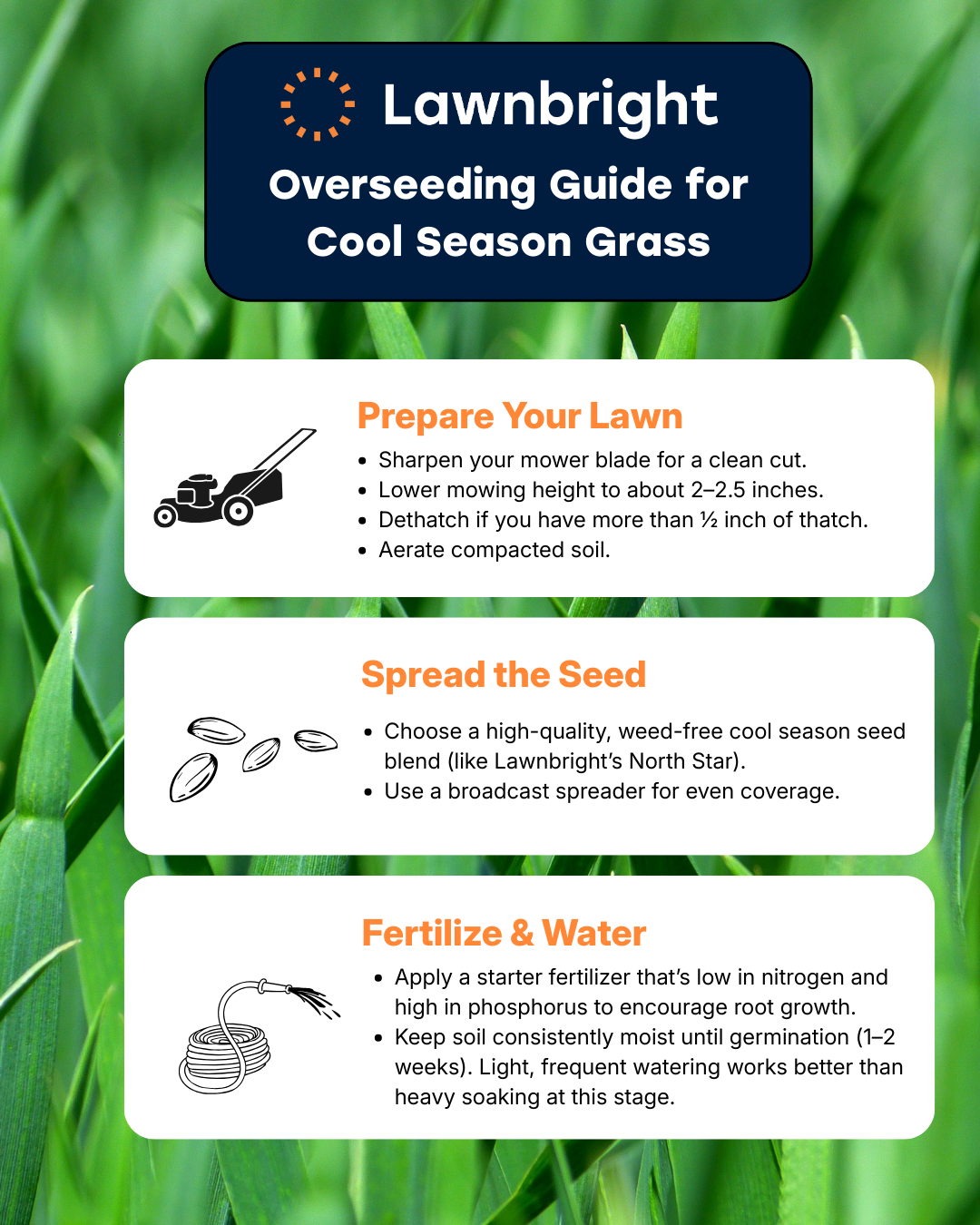
Preparing The Lawn
Start by mowing your lawn very short. This lets seeds reach the soil better.
Next, remove debris like leaves, sticks, and old grass. Clean soil helps seeds grow faster.
- Mow grass to about 1 to 1.5 inches tall
- Rake the lawn to clear dead grass and debris
- Water the lawn a day before overseeding if dry
Seeding Techniques
Use a spreader seeder for even seed distribution. Choose the right seed type for your lawn.
Walk at a steady pace to cover all areas. Apply seed in two directions for full coverage.
- Fill the seeder with quality grass seed
- Set the seeder to the recommended seed rate
- Walk slowly across the lawn, overlapping passes
- Seed in one direction, then seed again at 90 degrees
Post-seeding Care
Water the lawn gently after overseeding. Keep the soil moist but not soggy for two weeks.
Avoid heavy foot traffic and mowing until the new grass grows strong. This helps seedlings survive.
- Water lightly once or twice daily
- Stop watering if the soil is wet for too long
- Wait to mow until grass is 3 inches tall
- Use a sharp mower blade to avoid pulling new grass
Common Mistakes To Avoid
Overseeding helps keep your lawn thick and healthy. Doing it the right way is important.
Some mistakes can harm your grass or waste your time. Learn what to avoid for best results.
Overseeding Too Often
Seeding your lawn too often can stress the grass. It may also cause weak growth.
Grass needs time to grow and fill in before adding more seed.
- Wait at least a year between overseeding sessions
- Too much seed can cause crowding and disease
- Give grass time to establish before overseeding again
Poor Seed Selection
Choosing the wrong seed hurts your lawn’s health and look. Pick seeds that fit your climate.
Some seeds grow better in shade, others in sun. Check what works for your yard.
- Use grass seed suited for your region and soil
- Avoid cheap seeds with low germination rates
- Consider seed blends for durability and color
Ignoring Soil Health
Good soil is key for seed to grow well. Poor soil stops grass from getting nutrients.
Test your soil and fix issues before overseeding. Healthy soil makes overseeding more effective.
- Check soil pH and nutrient levels
- Add compost or fertilizer if needed
- Loosen soil to help seeds reach the ground
Expert Tips For Best Results
Overseeding is a key step to keep your lawn healthy and green. Knowing how often to overseed helps you get the best results. It depends on many factors like grass type, climate, and lawn use.
This guide covers watering strategies, fertilization timing, and managing foot traffic. These tips help your new grass grow strong and fill in bare spots fast.
Watering Strategies
Watering is very important after overseeding. New seeds need moisture to sprout and grow roots. Keep the soil moist but not soaked. Water lightly several times a day for the first two weeks.
- Water early in the morning to reduce evaporation.
- Use a fine spray to avoid washing seeds away.
- Gradually reduce watering frequency as grass grows.
- Deep water once roots reach deeper soil layers.
Fertilization Timing
Fertilizing helps grass grow thick and healthy. Timing matters to avoid burning new seedlings. Use a starter fertilizer high in phosphorus to encourage root growth.
| Time After Overseeding | Fertilizer Type | Notes |
| At seeding | Starter fertilizer | Promotes root growth |
| 4-6 weeks | Balanced fertilizer | Supports shoot growth |
| 8-10 weeks | Slow-release fertilizer | Feeds grass long term |
Managing Foot Traffic
New grass is delicate and can be damaged by heavy foot traffic. Protect seeded areas to help grass establish strong roots. Use barriers or signs to keep people off the lawn.
- Limit walking on seeded areas for at least 3 weeks.
- Use mulch or straw to protect seeds and retain moisture.
- Keep pets off the lawn during seed germination.
- Repair damaged spots quickly by reseeding.
Credit: blog.nutrilawn.com

Credit: landzie.com
Frequently Asked Questions
How Often Should You Overseed With A Seeder?
Overseeding is best done once a year, typically in early fall. This timing ensures seed germination and lawn recovery before winter. Avoid frequent overseeding to prevent overcrowding and disease. Regular annual overseeding keeps your lawn thick, healthy, and green.
Can You Overseed With A Seeder In Spring?
Yes, you can overseed in spring, but fall is ideal. Spring overseeding helps repair winter damage but may compete with weeds. Fall overseeding allows better soil moisture and temperature for seed germination. Choose timing based on your lawn’s condition and climate.
What Factors Affect Overseeding Frequency With A Seeder?
Lawn type, climate, and soil health impact overseeding frequency. High-traffic lawns need more frequent overseeding to repair wear. Cool-season grasses respond well to fall overseeding. Assess your lawn’s density and damage before deciding how often to overseed.
Does Overseeding Improve Lawn Health With A Seeder?
Yes, overseeding improves lawn health by filling bare spots. It promotes thicker grass, reduces weeds, and enhances color. Overseeding also strengthens turf against pests and drought. Using a seeder ensures even seed distribution for optimal growth.
Conclusion
Overseeding with a seeder keeps your lawn lush and healthy. Doing it annually can fill bare patches and boost grass density. Choose the right season for your region. Spring and fall work best for most areas. Ensure proper seed selection based on your grass type.
Water regularly after overseeding to encourage growth. Regular maintenance ensures a vibrant lawn year-round. Watch for signs of thinning grass and act promptly. A little care goes a long way. Your lawn will thank you with greener, fuller grass.

