
If you’ve just finished aerating your lawn, you’re already one step closer to a healthier, greener yard. But did you know that what you do next can make all the difference?
Fertilizing right after aeration helps your grass soak up nutrients better, making your lawn thrive like never before. You’ll discover the simple, effective steps to fertilize after aeration, so your lawn gets the boost it needs. Keep reading, and you’ll learn how to turn your yard into the lush, vibrant space you’ve always wanted.
Benefits Of Fertilizing After Aeration
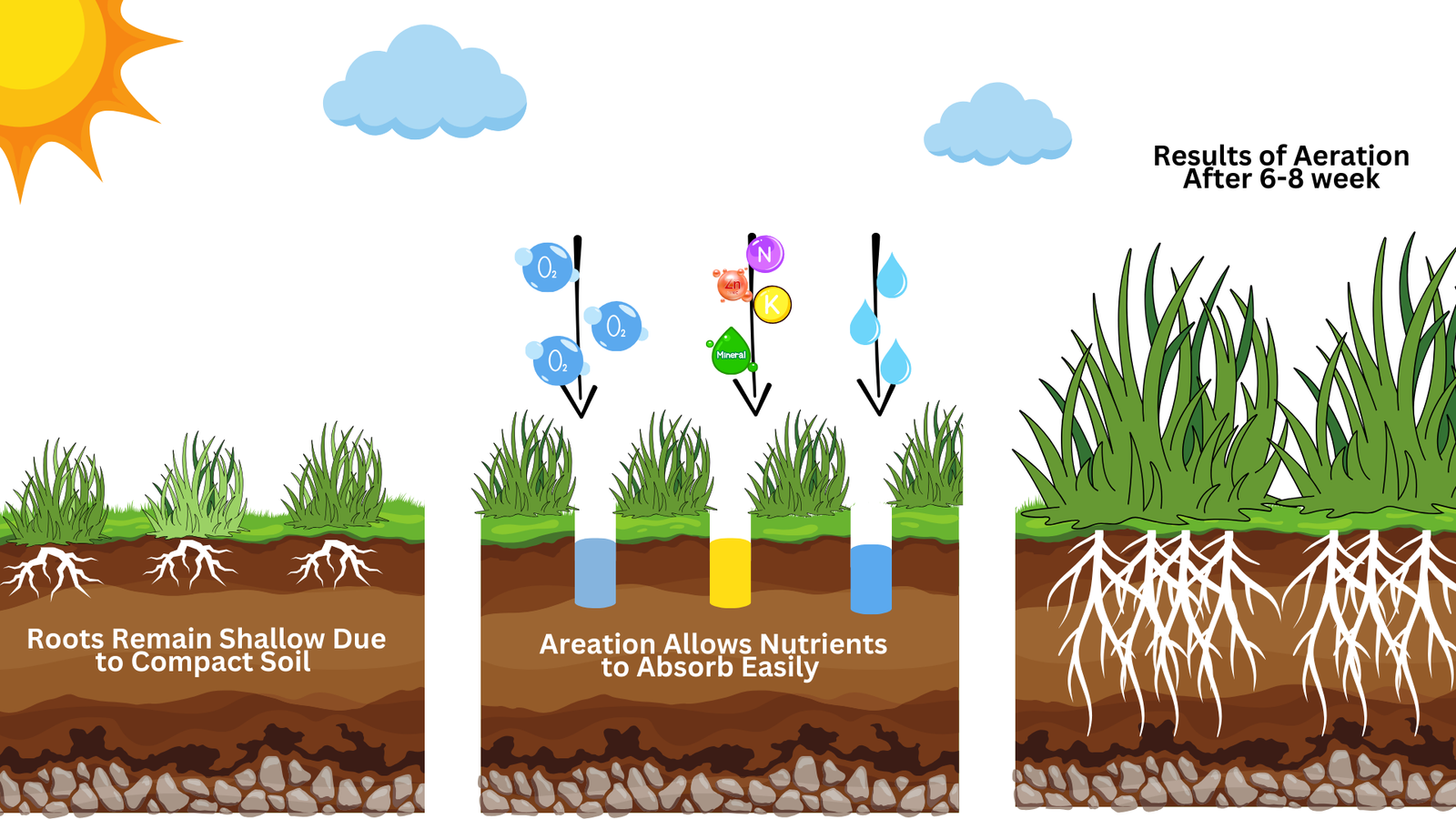
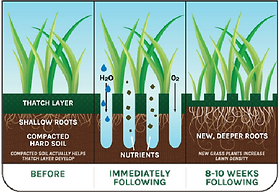
Aeration creates small holes in the soil to help air, water, and nutrients reach grass roots. Fertilizing right after aeration makes the most of these holes.
This process helps your lawn grow stronger and healthier. Fertilizer can enter the soil more easily and feed the grass deeply.
Improved Nutrient Absorption
Aeration opens the soil, which lets fertilizer nutrients soak in faster. The holes reduce soil compaction and help nutrients reach roots directly.
This means grass gets more food from fertilizer. It uses nutrients better, so less fertilizer is wasted on the surface.
Enhanced Root Growth
Fertilizing after aeration helps roots grow deep and wide. Nutrients reach roots easily, encouraging strong root systems.
Strong roots make grass more drought-resistant and stable. They also help the lawn recover from damage faster.
Boosted Lawn Health
Combining aeration and fertilizing improves lawn color, thickness, and overall health. Grass becomes greener and grows thicker.
Healthy lawns resist pests and diseases better. They also stay green longer through dry or hot weather.

Credit: www.rasnetwork.org
Choosing The Right Fertilizer
Fertilizing after aeration helps your lawn absorb nutrients better. Picking the right fertilizer is important for healthy grass growth. This guide explains how to choose the best fertilizer for your lawn.
Understanding fertilizer types, nutrient ratios, and organic versus synthetic options will help you make the best choice. Use this information to feed your lawn properly after aeration.
Types Of Fertilizers
There are three main types of fertilizers: granular, liquid, and slow-release. Each type works differently and suits different lawn needs.
- Granular:Easy to apply and lasts longer. It slowly releases nutrients into the soil.
- Liquid:Fast-acting and absorbed quickly by grass. Good for quick green-up.
- Slow-release:Provides nutrients over time. Reduces the risk of burning your lawn.
Nutrient Ratios To Consider
Fertilizers list three numbers like 10-10-10. These numbers show the ratio of nitrogen, phosphorus, and potassium in the mix.
| Nutrient | Role | Recommended Ratio |
|---|---|---|
| Nitrogen (N) | Promotes green leaf growth | High (40-60%) |
| Phosphorus (P) | Supports root development | Moderate (10-20%) |
| Potassium (K) | Improves disease resistance | Moderate (20-30%) |
Organic Vs. Synthetic Options
Organic fertilizers come from natural sources like compost or manure. Synthetic fertilizers are made from chemicals.
- Organic:Improve soil health and release nutrients slowly.
- Synthetic:Provide quick nutrients but may harm soil over time.
Timing Your Fertilizer Application
Fertilizing after aeration helps your lawn absorb nutrients better. Knowing the right time to apply fertilizer is important. This guide explains when to fertilize after aeration.
Proper timing can improve grass growth and health. It ensures nutrients reach roots quickly and reduce waste.
Ideal Time After Aeration
Apply fertilizer soon after aeration, while holes are open. This allows nutrients to reach the soil easily. Wait no more than 48 hours after aeration to fertilize.
Early fertilizing helps grass recover and grow stronger. Avoid waiting too long, or the benefits of aeration may lessen.
Seasonal Considerations
Season changes affect fertilizer timing. Different grasses need different care in spring, summer, or fall.
- Spring:Fertilize after aeration to boost growth.
- Summer:Use slow-release fertilizer to avoid burning.
- Fall:Apply fertilizer to prepare grass for winter.
Adjust fertilizer type and amount depending on the season to protect your lawn.
Weather Conditions Impact
| Weather | Effect on Fertilizer | Recommended Action |
| Rainy | Can wash away fertilizer | Fertilize before light rain or wait after heavy rain |
| Dry | Fertilizer may not dissolve well | Water lawn after applying fertilizer |
| Hot | Risk of burning grass | Use slow-release fertilizer and avoid midday |
| Cool | Fertilizer absorbs slowly | Apply in early morning or late afternoon |
Step-by-step Fertilizing Process
Fertilizing after lawn aeration helps your grass grow stronger. Aeration opens holes in the soil. This lets fertilizer reach the roots better.
Follow these steps to apply fertilizer correctly. This will give your lawn the nutrients it needs.
Preparing The Lawn
Start by clearing debris like leaves and sticks. Mow your lawn a little shorter than usual. This helps fertilizer reach the soil easily.
- Remove any grass clippings or dead plants
- Check your aerator holes to make sure they are open
- Avoid fertilizing when the grass is wet or wet weather is expected
Applying Fertilizer Correctly
Choose a fertilizer that fits your grass type. Spread it evenly over the lawn. Avoid putting too much fertilizer in one spot.
| Fertilizer Type | Application Rate | Best Time |
| Nitrogen-rich | 1 lb per 1000 sq ft | Early spring or fall |
| Balanced mix (N-P-K) | 0.5 to 1 lb per 1000 sq ft | After aeration |
| Slow-release | 1 to 2 lbs per 1000 sq ft | During growing season |
Watering Tips Post-fertilization
Water the lawn right after spreading fertilizer. This helps the nutrients soak into the soil. Keep the lawn moist for a few days but do not flood.
- Water lightly for 15-30 minutes
- Water once or twice daily for the next 3 days
- Avoid deep watering immediately to prevent runoff
Common Mistakes To Avoid
Fertilizing after aeration helps your lawn grow strong and healthy. Many people make mistakes that can harm their grass instead.
Knowing what to avoid saves your lawn and your time. Here are common errors to watch out for after aerating.
Overfertilizing Risks
Putting too much fertilizer on your lawn can burn the grass roots. This makes the lawn weak and patchy.
Excess fertilizer can also pollute nearby water sources. It may lead to algae growth in ponds and lakes.
- Use the recommended amount on the fertilizer package
- Avoid applying fertilizer more than twice a year
- Do not fertilize if heavy rain is expected soon
Ignoring Soil Tests
Many skip soil tests before fertilizing. This causes wrong fertilizer choices and poor lawn health.
Soil tests show nutrient levels and pH. They help pick the right fertilizer type and amount.
- Test soil every 2-3 years
- Use test results to guide fertilizer use
- Adjust fertilizer based on soil needs
Skipping Follow-up Care
After fertilizing, many forget to water and maintain their lawn. This lowers fertilizer effectiveness.
Watering helps fertilizer soak into the soil. Mowing and controlling weeds keep grass strong.
- Water lawn after fertilizing, about 1 inch
- Keep mowing regularly at the right height
- Remove weeds that compete for nutrients
Credit: www.turfprideaugusta.com
Maintaining A Lush Lawn Year-round
A healthy lawn needs good care all year long. Aeration and fertilizing help grass grow thick and green.
Learn how to fertilize after aeration to keep your lawn strong and full. Follow simple tips for the best results.
Regular Aeration Schedule
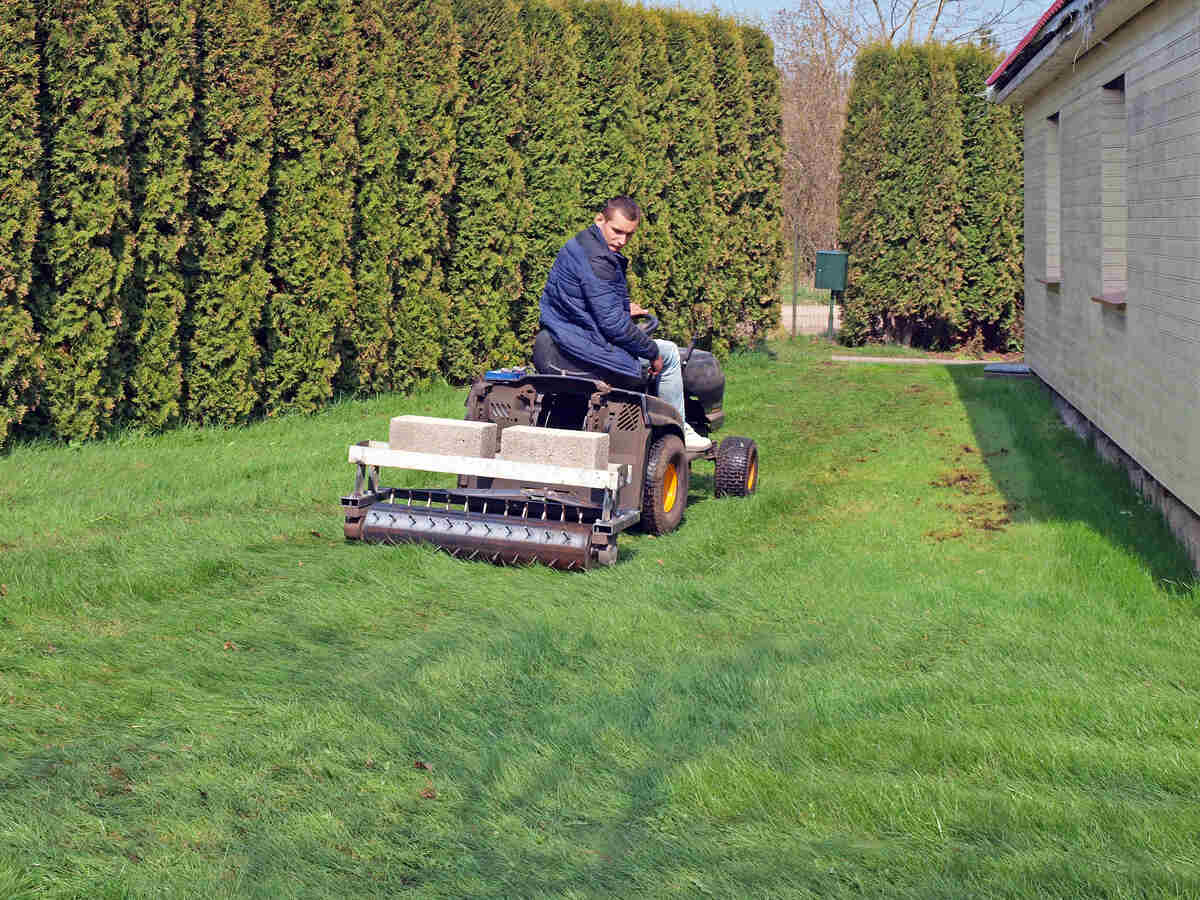
Aerate your lawn once or twice a year. This opens the soil and helps roots get air and nutrients.
- Best times are early spring and fall
- Use a core aerator for best results
- Avoid aerating during dry or frozen soil
Consistent Fertilizing Routine
Fertilize right after aeration to help nutrients reach the roots. Keep a regular schedule for feeding your lawn.
| Season | Fertilizer Type | Application Tips |
| Spring | High nitrogen | Apply after last frost |
| Summer | Slow-release nitrogen | Water well after applying |
| Fall | Balanced fertilizer | Feed before first frost |
Additional Lawn Care Practices
Other care steps keep your lawn healthy and green. Water, mow, and remove weeds often.
- Water deeply once or twice a week
- Mow grass at the right height for its type
- Pull weeds before they spread
- Use mulch to keep soil moist
Credit: www.lawnstarter.com
Frequently Asked Questions
When Is The Best Time To Fertilize After Aeration?
Fertilize immediately after aeration to ensure nutrients reach the soil. This timing promotes better absorption and healthier grass growth.
What Type Of Fertilizer Works Best Post-aeration?
Use a slow-release, nitrogen-rich fertilizer after aeration. It provides steady nutrients, supporting strong root development and lush turf.
How Much Fertilizer Should I Apply After Aeration?
Apply fertilizer according to package instructions, usually about 1 pound of nitrogen per 1,000 sq. Ft. Avoid over-fertilizing to prevent damage.
Can I Water My Lawn Right After Fertilizing Post-aeration?
Yes, water your lawn lightly after fertilizing. This helps dissolve fertilizer and moves nutrients into the soil efficiently.
Conclusion
Aerating your lawn creates space for nutrients. Fertilizing after aeration is crucial. It ensures roots get the food they need. Healthy roots mean a lush, green lawn. Use the right fertilizer for your soil type. Follow instructions on the package.
Timing is key; don’t rush. Water your lawn after fertilizing to help absorption. Regular maintenance keeps your lawn looking great. Remember, a little care goes a long way. Happy gardening!

