
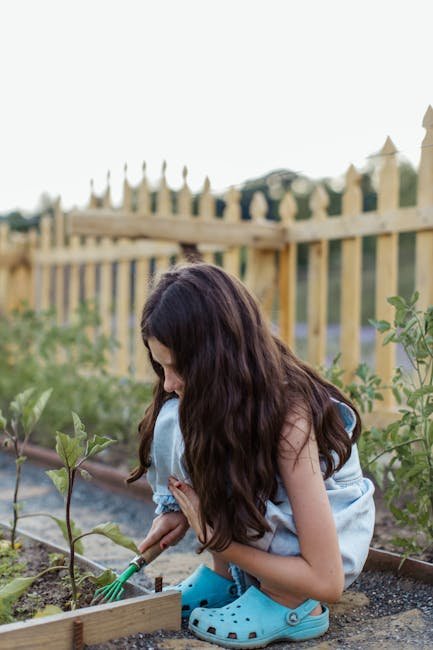
Are you wondering when the best time of year to use a garden tiller is? Knowing the right moment can save you time, effort, and frustration.
Using your tiller at the perfect time helps prepare your soil for healthy plants and bigger harvests. If you want to get the most out of your garden and make your work easier, this guide is for you. Keep reading to discover the ideal seasons and tips to make your garden thrive like never before.
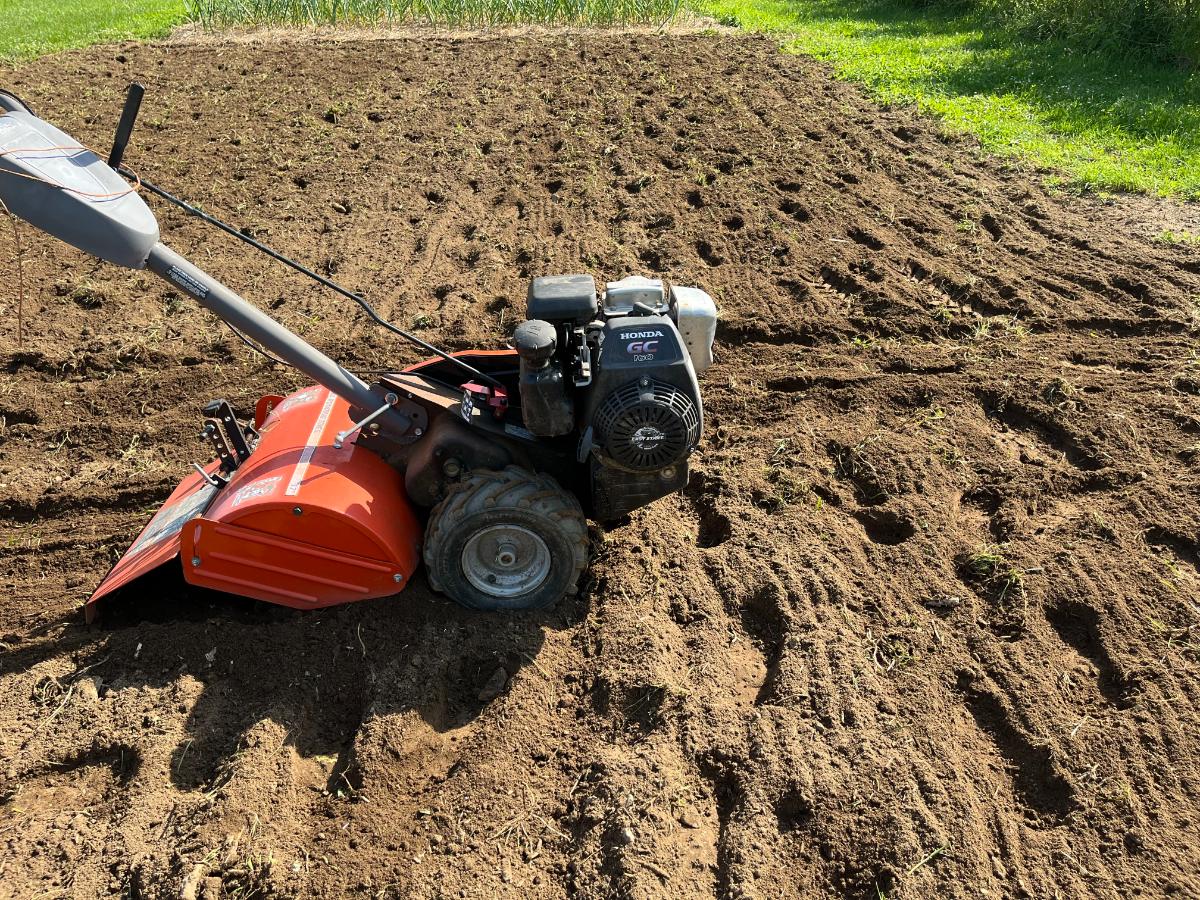
Credit: gardening.org
Choosing The Right Season
Using a garden tiller at the best time helps prepare soil well. The right season makes your garden healthier and easier to grow plants.
Soil conditions change through the year. Picking the right season keeps your tiller working efficiently and protects your soil.
Spring Tilling Benefits
Spring is a popular time to use a garden tiller. The soil warms up and becomes soft enough to work easily.
Tilling in spring helps break up winter compaction. It mixes air into the soil and gets it ready for planting.
- Soil warms quickly for seed germination
- Removes weeds before they grow strong
- Improves soil drainage and texture
- Makes planting easier and more effective
Fall Tilling Advantages
Fall tilling helps break down plant leftovers from summer. It adds organic matter to the soil as it decays.
Tilling in fall prepares your garden for winter and next spring. It helps prevent soil from becoming hard and compacted.
- Incorporates compost and plant debris
- Reduces soil compaction before freeze
- Improves soil structure over winter
- Prepares garden beds for early spring work
Avoiding Summer And Winter Pitfalls
Summer soil often becomes dry and hard. Using a tiller then can damage soil structure and wear out your tool.
Winter soil is usually frozen or very wet. Tilling during this time can harm soil and delay plant growth.
- Do not till dry, hard summer soil
- Avoid tilling frozen or waterlogged winter soil
- Wait for moist, workable soil instead
- Protect soil life by choosing good times
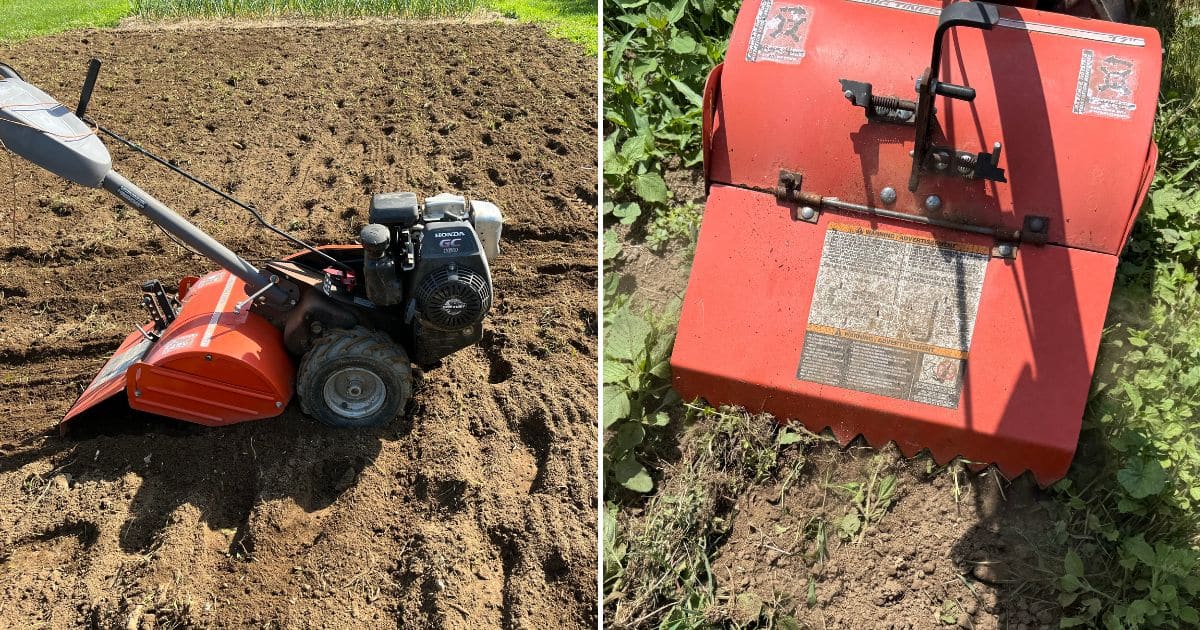
Credit: gardening.org
Soil Conditions For Tilling
Using a garden tiller at the right time helps prepare your soil for planting. Good soil conditions make tilling easier and better for your plants.
Check the moisture, temperature, and look for signs that the soil is ready. These factors affect how well your garden tiller works.
Ideal Moisture Levels
Soil should be damp but not wet for tilling. Too much water makes soil clump and hard to work. Dry soil is tough and breaks your tiller.
- Test soil by squeezing a handful. It should hold shape but crumble easily.
- If soil sticks to your hand like mud, wait for it to dry.
- Soil that feels dry and dusty needs watering before tilling.
Soil Temperature Impact
Soil temperature affects seed growth and tilling ease. Cold soil is hard and clumpy. Warm soil is soft and ready for planting.
| Soil Temperature (°F) | Effect on Tilling |
| Below 50 | Soil is too cold and hard |
| 50 – 60 | Soil starts to warm and softens |
| Above 60 | Best for tilling and planting |
Signs Soil Is Ready
Look for these signs to know when to use your garden tiller:
- Soil crumbles easily when you dig with a shovel.
- There is no standing water or mud on the surface.
- The soil surface is dry enough to walk on without sinking.
- Earthworms and insects are active, showing healthy soil.
Tilling Techniques By Season
Using a garden tiller at the right time helps your soil stay healthy. Different seasons need different tilling methods to keep plants growing strong.
Understanding how to till in each season makes gardening easier and more productive. Learn how to prepare your soil and adjust your tilling based on the weather.
Preparing Soil In Early Spring
Early spring is the best time to prepare your soil for planting. The soil should be dry enough to till without clumping.
Tilling helps break up hard soil and mixes in leftover plant material. This makes it easier for roots to grow and water to reach plants.
- Check soil moisture before tilling
- Till to a depth of 6 to 8 inches
- Remove large rocks and debris after tilling
- Mix in compost or fertilizer to add nutrients
Enhancing Soil Health In Fall
Fall tilling helps improve soil health for the next growing season. It allows organic matter to break down over winter.
Tilling in fall also helps control weeds and aerates the soil. This creates a better environment for earthworms and microbes.
- Wait until the soil is dry but not frozen
- Incorporate cover crops or green manure
- Avoid deep tilling to protect soil structure
- Leave some plant residue to prevent erosion
Adjusting Methods For Weather
Weather changes affect how and when you should till. Wet soil can become compacted if tilled too soon.
Dry soil may need deeper tilling, while frozen soil should not be tilled. Adjust your tilling depth and timing based on conditions.
- Avoid tilling after heavy rain
- Till shallowly if the soil is moist
- Use slower tilling speed in tough soil
- Stop tilling if soil is frozen or very hard
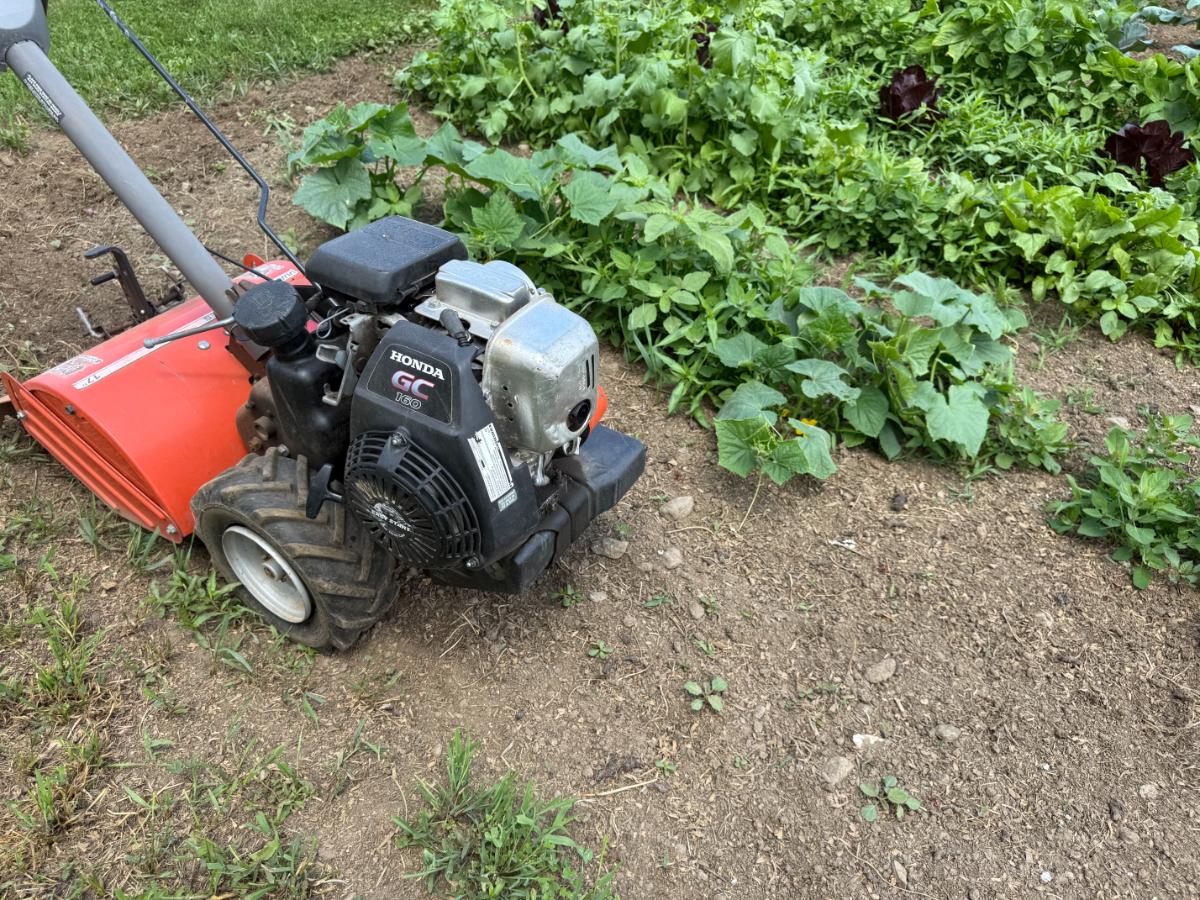
Credit: gardening.org
Impact On Soil Health
Using a garden tiller at the right time helps keep soil healthy. It improves the soil’s structure and supports plant growth.
Choosing the best season to till affects soil aeration, microorganisms, and compaction. These factors are key to a strong garden.
Improving Aeration And Drainage
Tilling loosens the soil, allowing air and water to reach plant roots. This process is best done in dry seasons to avoid damage.
- Spring tilling helps prepare soil for planting.
- Fall tilling can break up hard soil before winter.
- Avoid tilling when soil is wet to prevent clumping.
Preserving Soil Microorganisms
Soil microbes are important for nutrient cycling. Tilling at the right time protects these organisms from harm.
| Season | Effect on Microorganisms |
| Spring | Supports growth, mild disturbance |
| Summer | Can dry out microbes if soil is tilled |
| Fall | Allows microbes to recover before winter |
Preventing Soil Compaction
Compacted soil blocks roots and water flow. Using a tiller carefully helps keep soil loose.
Tips to prevent soil compaction:
- Till only when soil is dry enough.
- Limit heavy equipment use on wet soil.
- Use shallow tilling to protect soil layers.
- Rotate tilling areas to avoid overworking one spot.
Tools And Equipment Tips
Using a garden tiller at the right time helps prepare soil efficiently. Knowing when and how to use your tiller keeps your garden healthy.
This guide covers choosing the right tiller, maintaining it for seasonal use, and safety tips.
Choosing The Right Garden Tiller
Select a tiller based on your garden size and soil type. Smaller gardens need lightweight models. Heavy clay soil needs a strong tiller.
- Electric tillers are good for small, light soils.
- Gas tillers work better on large, tough areas.
- Front-tine tillers are easy to control for shallow digging.
- Rear-tine tillers dig deeper and handle heavy soil.
Maintenance For Seasonal Use
| Maintenance Task | When to Perform | Why It Matters |
| Clean tines | After each use | Prevents rust and soil buildup |
| Check oil level | Before each season | Keeps engine running smoothly |
| Inspect spark plug | Annually | Ensures easy starting |
| Sharpen blades | Every 6 months | Improves tilling efficiency |
| Store indoors | Off-season | Protects from weather damage |
Safety Precautions
Always wear sturdy shoes and gloves when using a tiller. Keep children and pets away from the work area.
- Read the tiller’s manual before use.
- Check for hidden objects like rocks or roots.
- Do not wear loose clothing that can get caught.
- Turn off the tiller before adjusting or cleaning.
- Work slowly and avoid steep slopes.
Frequently Asked Questions
When Is The Best Season To Use A Garden Tiller?
The best time to use a garden tiller is early spring. This prepares the soil for planting. Till when the soil is moist but not wet for best results.
Can I Use A Garden Tiller In Late Fall?
Yes, you can till in late fall. Tilling breaks up compacted soil. It helps aerate soil and mix organic matter before winter.
How Often Should I Till My Garden Soil?
Tilling once or twice a year is ideal. Over-tilling damages soil structure. Till before planting and after harvest for healthy soil.
Is Tilling Better In Dry Or Moist Soil?
Tilling is better in moist soil. Dry soil is hard and tough to till. Wet soil can compact and damage structure.
Conclusion
Choosing the right time to till enhances your garden’s health. Spring and fall are ideal seasons for tilling. In spring, soil becomes more workable. Fall tilling helps prepare for next year. Both seasons offer optimal moisture levels. Avoid tilling in wet conditions.
It harms soil structure. Plan carefully and watch weather forecasts. Your plants will thank you. Happy gardening!

