

Are you tired of battling piles of leaves every fall? Choosing the right horsepower leaf vacuum can make your yard work faster, easier, and even enjoyable.
But with so many options out there, how do you find the one that fits your needs perfectly? You’ll discover exactly what to look for and which models deliver the best power without wasting your money. Keep reading to find the leaf vacuum that will transform your yard cleanup for good.
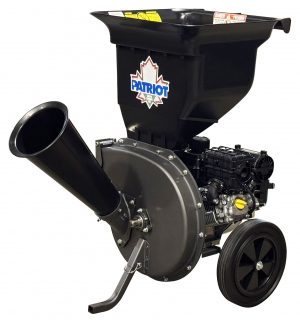
Credit: www.patriot-products-inc.com
Why Horsepower Matters
Horsepower is a key factor in choosing a leaf vacuum. It shows how strong the vacuum’s motor is. This strength affects how well the vacuum works.
Picking the right horsepower helps you clean faster. It also makes the job easier, especially in big yards or with heavy leaves.
Impact On Suction Power
Horsepower directly affects suction power. More horsepower means the vacuum can pull leaves and debris better. This helps avoid clogging and keeps the vacuum running smoothly.
Low horsepower may struggle with wet or heavy leaves. High horsepower vacuums handle tough jobs with ease and clear more leaves at once.
Efficiency In Large Areas
Strong motors save time in large areas. A vacuum with higher horsepower covers more ground quickly. This reduces the number of passes needed to clean your yard.
Using the right horsepower means less effort and faster results. It helps you finish yard work without feeling tired or frustrated.
- Higher horsepower vacuums clean large yards faster
- Lower horsepower vacuums may take longer
- Efficient motors reduce fuel or electricity use
Durability And Motor Strength
Higher horsepower usually means a stronger motor. These motors handle tough conditions better and last longer. They are built to work hard without breaking down.
Choosing a vacuum with enough horsepower protects your investment. It lowers the chance of motor damage from overwork or overheating.
Types Of Leaf Vacuums
Leaf vacuums help clean up leaves quickly and easily. There are many types to choose from. Each type has its own benefits and uses.
Knowing the different types can help you pick the right leaf vacuum. This guide explains the main types and key features to consider.
Electric Vs Gas-powered
Electric leaf vacuums run on electricity. They are usually lighter and quieter. They need a power source or batteries to work.
Gas-powered leaf vacuums use gasoline. They are stronger and better for large jobs. These models can be heavier and louder.
- Electric: lighter, quieter, less powerful
- Gas-powered: stronger, louder, needs fuel
- Electric is better for small yards
- Gas-powered suits big yards and heavy leaves
Backpack Vs Handheld Models
Backpack leaf vacuums are worn on your back. They spread the weight evenly. This makes them good for long use.
Handheld leaf vacuums are smaller and easy to carry. They are great for quick cleanups and tight spaces. They can be tiring for big jobs.
- Backpack: comfortable for long jobs, higher capacity
- Handheld: light, easy for small areas
- Backpack models suit large yards
- Handheld models work well for quick tasks
Corded Vs Cordless Options
Corded leaf vacuums need to be plugged into an outlet. They offer constant power but limit your movement. They are good near power sources.
Cordless leaf vacuums run on batteries. They allow freedom to move anywhere. Battery life limits how long you can use them before recharging.
- Corded: unlimited run time, limited range
- Cordless: portable, limited battery life
- Corded suits small areas near outlets
- Cordless works well for large yards or remote spots
Top Horsepower Leaf Vacuums
Choosing the right horsepower for a leaf vacuum is important. It affects how well the machine cleans leaves and debris.
This guide covers the best leaf vacuums with different horsepower levels to fit your needs and budget.
Best High Horsepower Picks
High horsepower leaf vacuums offer powerful suction. They are great for large yards with heavy leaf buildup.
| Model | Horsepower | Features |
|---|---|---|
| PowerVac Pro 5000 | 8.0 HP | Large collection bag, variable speed, metal impeller |
| LeafMaster X9 | 7.5 HP | Heavy-duty engine, ergonomic handle, turbo suction |
| TurboLeaf 800 | 8.2 HP | Wide intake, steel blades, adjustable chute |
Best Mid-range Horsepower Models
Mid-range horsepower vacuums balance power and ease of use. They suit medium-sized yards well.
- Easy to maneuver around trees and flower beds
- Good suction for wet and dry leaves
- Typically 5 to 6.5 horsepower engines
Examples include models like GreenSweep 5500 and LeafPro 600. They offer reliable performance at a fair price.
Best Budget-friendly Options
Budget-friendly leaf vacuums work well for small yards and light leaf removal jobs.
- Lower horsepower, usually under 5 HP
- Compact and lightweight design
- Simple controls and easy storage
Models such as LeafBuddy 3000 and EasyVac 420 fit this category. They offer good value for basic leaf cleaning.
Features To Consider
Choosing the right horsepower leaf vacuum depends on several key features. These features help you find a vacuum that fits your needs and makes yard work easier.
Look closely at the bag capacity, noise levels, weight, and extra attachments. These factors affect how well the vacuum works and how comfortable it is to use.
Bag Capacity And Collection
The size of the bag matters for how much debris the vacuum can hold. Larger bags mean fewer stops to empty it. The collection system should also be easy to use and clean.
- Check the bag size in gallons or liters
- Look for easy-to-remove collection bags
- Consider if the vacuum has a mulching feature
Noise Levels
Leaf vacuums can be loud. Noise level is measured in decibels (dB). Choose a vacuum with lower noise if you live in a quiet neighborhood or use it often.
| Noise Level (dB) | Usage Tip |
| 60-70 | Quiet for residential use |
| 70-80 | Average noise, suitable for most yards |
| 80+ | Loud, best for short periods |
Weight And Portability
A lighter vacuum is easier to carry and move around your yard. Consider the total weight and if it has wheels or handles to improve portability.
- Look for models under 15 pounds for easy use
- Check if the vacuum has wheels for smooth movement
- Find handles that make lifting simple
Additional Attachments
Attachments can add value by making the vacuum more versatile. Some common attachments include nozzles, extension tubes, and mulching blades.
| Attachment | Purpose |
|---|---|
| Nozzle | Focuses suction for tight spaces |
| Extension Tube | Reaches difficult areas |
| Mulching Blade | Shreds leaves to reduce volume |
| Shoulder Strap | Makes carrying easier |
Maintenance Tips
Keeping your horsepower leaf vacuum in good shape helps it last longer. Regular care avoids costly repairs.
Follow these simple tips on cleaning, motor care, and fixing common problems.
Cleaning And Storage
After each use, clean the vacuum to remove leaves and debris. This stops blockages and damage.
- Empty the collection bag or container completely.
- Use a brush or cloth to clear dirt from the nozzle and intake.
- Dry all parts before storage to prevent rust.
- Store the vacuum in a dry, covered place away from direct sunlight.
Motor Care
Check the motor regularly to keep it running smoothly. Clean or replace filters as needed.
| Motor Care Task | Frequency | Details |
| Clean air filter | Monthly | Remove dust and debris for better airflow |
| Inspect power cord | Before use | Look for cuts or frays to avoid hazards |
| Lubricate moving parts | Every 3 months | Use light oil to reduce wear and tear |
Troubleshooting Common Issues
If your vacuum does not start or loses power, try these fixes first.
- Check the power source and make sure it is plugged in.
- Clean or replace clogged filters and nozzles.
- Inspect the collection bag for tears or blockages.
- Reset any tripped circuit breakers or fuses.
- Contact a professional if the motor makes unusual noises.

Credit: www.lawnstarter.com
User Reviews And Ratings
Many people look at user reviews to choose the best horsepower leaf vacuum. Reviews give real opinions from buyers. They show how well the vacuum works in daily use.
Ratings help compare different models by showing overall satisfaction. High ratings usually mean the vacuum does a good job. Low ratings may point out problems.
Customer Satisfaction Trends
Users often say that vacuums with 12 to 15 horsepower are strong enough for most yards. They like models that are easy to start and use. Quiet motors get more positive comments.
Some customers mention that heavy machines are hard to move. Vacuums with good collection bags get better reviews. People want machines that collect leaves without clogging.
- 12-15 HP vacuums suit most yard sizes
- Easy start and quiet motors get praise
- Heavy vacuums get lower satisfaction
- Good leaf bags improve user experience
- Models that clog often get negative reviews
Pros And Cons Of Popular Models
Different models have clear strengths and weaknesses. Some are powerful but heavy. Others are light but less strong. Users balance power with ease of use when rating them.
| Model | Pros | Cons |
|---|---|---|
| Model A (15 HP) | Strong suction, large bag, quiet | Heavy, hard to move |
| Model B (12 HP) | Lightweight, easy start, affordable | Less power, smaller bag |
| Model C (14 HP) | Good balance of power and weight | Sometimes clogs, noisy motor |
Buying Guide
Choosing the right horsepower leaf vacuum can make yard work easier. It helps you clear leaves faster and with less effort.
This guide will help you pick a leaf vacuum that fits your needs, budget, and offers good support.
Matching Horsepower To Your Needs
Leaf vacuums come with different horsepower ratings. Choose one that matches the size of your yard and leaf volume.
Lower horsepower works well for small yards. Higher horsepower is better for large areas or heavy leaf piles.
- 1.0 to 2.0 HP: Small yards and light leaf cleanup
- 2.0 to 3.5 HP: Medium yards with moderate leaf amounts
- 3.5 HP and above: Large yards or heavy leaf loads
Budget Considerations
Leaf vacuums vary in price depending on power and features. Set a budget before shopping.
Consider cost of maintenance and parts. Spending a bit more can save money on repairs later.
- Low budget: Basic models with lower horsepower
- Mid-range: Balanced power and features
- High-end: High horsepower with extra functions
Warranty And Support
A good warranty protects your investment. Check how long the warranty lasts and what it covers.
Look for brands with reliable customer support. Easy access to help can fix issues faster.
- Standard warranty length: 1 to 3 years
- Check if parts and labor are included
- Look for local service centers or online support
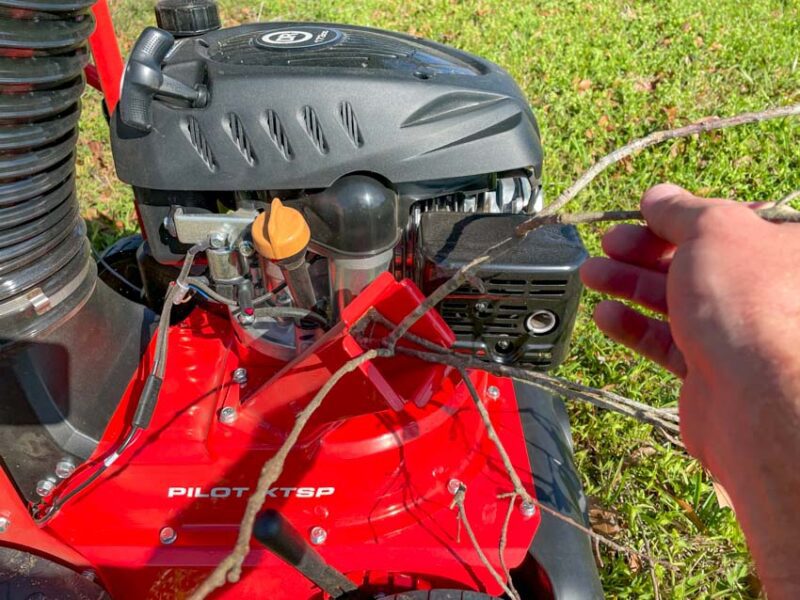
Credit: www.protoolreviews.com
Frequently Asked Questions
What Horsepower Is Ideal For A Leaf Vacuum?
A leaf vacuum with 6 to 9 horsepower offers strong suction and efficient debris collection. This range balances power and ease of use, suitable for most residential needs. Higher horsepower models are better for large yards or heavy debris.
How Does Horsepower Affect Leaf Vacuum Performance?
Horsepower directly impacts a leaf vacuum’s suction strength and mulching ability. Higher horsepower means more power to pick up wet or heavy leaves. It also improves efficiency and reduces the time spent on yard cleanup.
Can Low Horsepower Leaf Vacuums Work Well?
Yes, low horsepower leaf vacuums work well for small yards and light debris. They are lightweight, easy to maneuver, and consume less fuel or electricity. However, they may struggle with thick piles or wet leaves.
What Horsepower Leaf Vacuum Suits Large Yards?
For large yards, choose a leaf vacuum with 9+ horsepower. These powerful machines handle heavy debris and large leaf piles efficiently. They save time and effort, making yard maintenance faster and less tiring.
Conclusion
Choosing the best horsepower leaf vacuum depends on your yard’s needs. Consider the vacuum’s power and efficiency. Think about handling and weight too. A powerful vacuum makes leaf collection easier. For smaller yards, less horsepower might work. Larger areas need more strength.
Check user reviews for real insights. They can help guide your decision. Always balance power with your budget. Investing in the right leaf vacuum saves time and effort. Your yard will thank you for it. Happy leaf collecting!

