
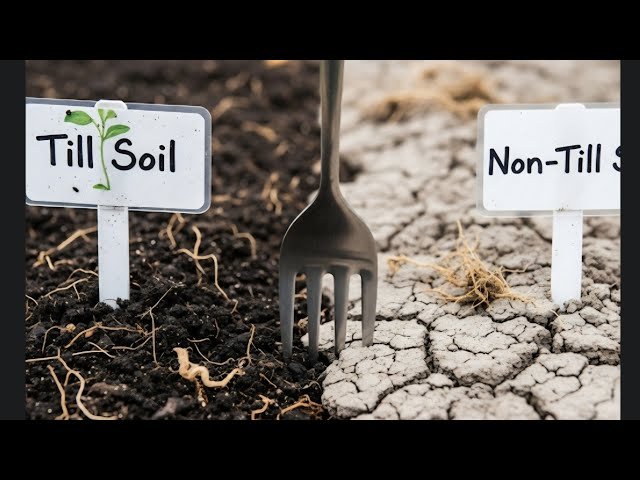
Are you wondering whether to dig up your backyard soil or leave it untouched for your garden? Choosing between tilling and no-till gardening can change everything about how your plants grow.
You might think turning the soil is the only way to get a healthy garden, but what if skipping that step could save you time and improve your soil’s health? You’ll discover the real benefits and downsides of both methods.
By the end, you’ll know exactly which approach fits your backyard and gardening goals. Ready to unlock the secret to a thriving garden with less guesswork? Keep reading.
Benefits Of Tilling
Tilling is a common gardening method that involves turning the soil. It helps improve the condition of backyard gardens. Many gardeners use tilling to prepare their soil for planting.
This method has several benefits that support healthy plant growth and garden maintenance.
Soil Aeration And Nutrient Mixing
Tilling loosens compacted soil and allows air to reach plant roots. It also helps mix nutrients evenly throughout the soil. This creates a better environment for plants to grow strong and healthy.
Weed Control Advantages
Tilling can reduce weed growth by disturbing weed roots and seeds. This makes it harder for weeds to grow and compete with your plants. It is a natural way to manage weeds without using chemicals.
- Breaks up weed roots
- Exposes weed seeds to sunlight, reducing germination
- Makes it easier to remove weeds before planting
Preparing The Soil For Planting
Tilling creates a smooth, fine soil texture that helps seeds sprout. It also helps mix in organic matter like compost or fertilizer. This prepares the soil to hold water and nutrients well.
| Benefit | Effect on Soil |
| Loosening | Improves root growth |
| Nutrient Mixing | Even nutrient distribution |
| Weed Removal | Reduces weed competition |
| Soil Texture | Creates better seedbeds |

Credit: www.reddit.com
Advantages Of No-till Gardening
No-till gardening means planting without turning the soil. This helps keep the soil healthy.
Many backyard gardeners choose no-till for its benefits to soil and plants. It saves time and effort too.
Preserving Soil Structure
Tilling breaks up the soil, which can harm its natural layers. No-till keeps these layers intact.
Good soil structure helps roots grow and keeps air and water moving well. This makes plants stronger.
Enhancing Soil Microbial Life
No-till gardening protects tiny living things in the soil. These microbes help plants get nutrients.
When soil is not disturbed, microbes can grow and work better. This improves soil health over time.
Reducing Erosion And Water Loss
No-till gardening keeps soil covered with plants or mulch. This stops soil from washing away with rain.
Soil that stays in place holds water better. This helps plants get enough moisture, even in dry times.
- Protects soil from wind and rain
- Keeps soil moisture for longer
- Prevents loss of nutrients with soil
Impact On Soil Health
Tilling and no-till gardening affect soil health in different ways. Both methods change how soil stays fertile and strong.
Understanding these effects helps you choose the best way to care for your backyard soil.
Long-term Soil Fertility
Tilling mixes soil and breaks it up. This can help plants get nutrients quickly. But it can also wear down soil over time.
No-till gardening keeps soil layers intact. It protects natural nutrients and supports tiny soil creatures that improve fertility.
- Tilling may reduce soil nutrients after many seasons
- No-till helps keep nutrients in the soil longer
- No-till supports natural soil life that improves fertility
Organic Matter Retention
Tilling breaks down organic matter faster by mixing it into the soil. This can cause organic matter to disappear quickly.
No-till gardening leaves plant remains on top. This helps organic matter build up and keeps soil moist and healthy.
- Tilling speeds up organic matter loss
- No-till helps organic matter stay in the soil
- More organic matter means better soil water and nutrient holding
Soil Compaction Concerns
Tilling loosens soil, reducing compaction in the short term. But repeated tilling can make soil hard and dense over time.
No-till gardening avoids disturbing soil layers. It can reduce compaction naturally by keeping roots and soil life active.
- Tilling can cause soil to become hard after many uses
- No-till keeps soil structure safe and loose
- Healthy soil has good air and water flow for plants
Effect On Plant Growth
Tilling and no-till gardening affect how plants grow in backyard gardens. Each method changes the soil and root environment differently.
These changes impact how roots spread, crop yields, and how plants handle pests and diseases.
Root Development Patterns
Tilling breaks up soil, making it loose and easy for roots to grow deep. This can help plants access water and nutrients faster.
No-till soil stays compact but contains more organic matter. Roots may grow differently, often spreading wide near the surface.
- Tilled soil encourages deep root growth
- No-till soil supports wide, shallow roots
- No-till improves soil structure over time
Yield Comparisons
Garden yields can vary between tilling and no-till methods. Tilled soil can give a quick boost in early yields.
No-till gardens may have slower starts but often produce steady or better yields after a few seasons.
- Tilling helps plants grow quickly at first
- No-till supports long-term soil health and yields
- Yield differences depend on soil type and care
Pest And Disease Management
Tilling disturbs soil and can reduce pest numbers by destroying their habitats. It also exposes pests to birds and predators.
No-till gardening keeps soil habitats intact, which may increase some pests but also supports beneficial insects that control pests naturally.
- Tilling disrupts pest life cycles
- No-till supports natural pest predators
- Both methods need regular monitoring for pests
Labor And Equipment Needs
Tilling and no-till gardening are two ways to prepare backyard soil. Each method needs different work and tools. Understanding these needs helps you choose the best option for your garden.
Labor and equipment costs affect your time and money. This guide explains the time, effort, and tools needed for both methods.
Time And Effort Required
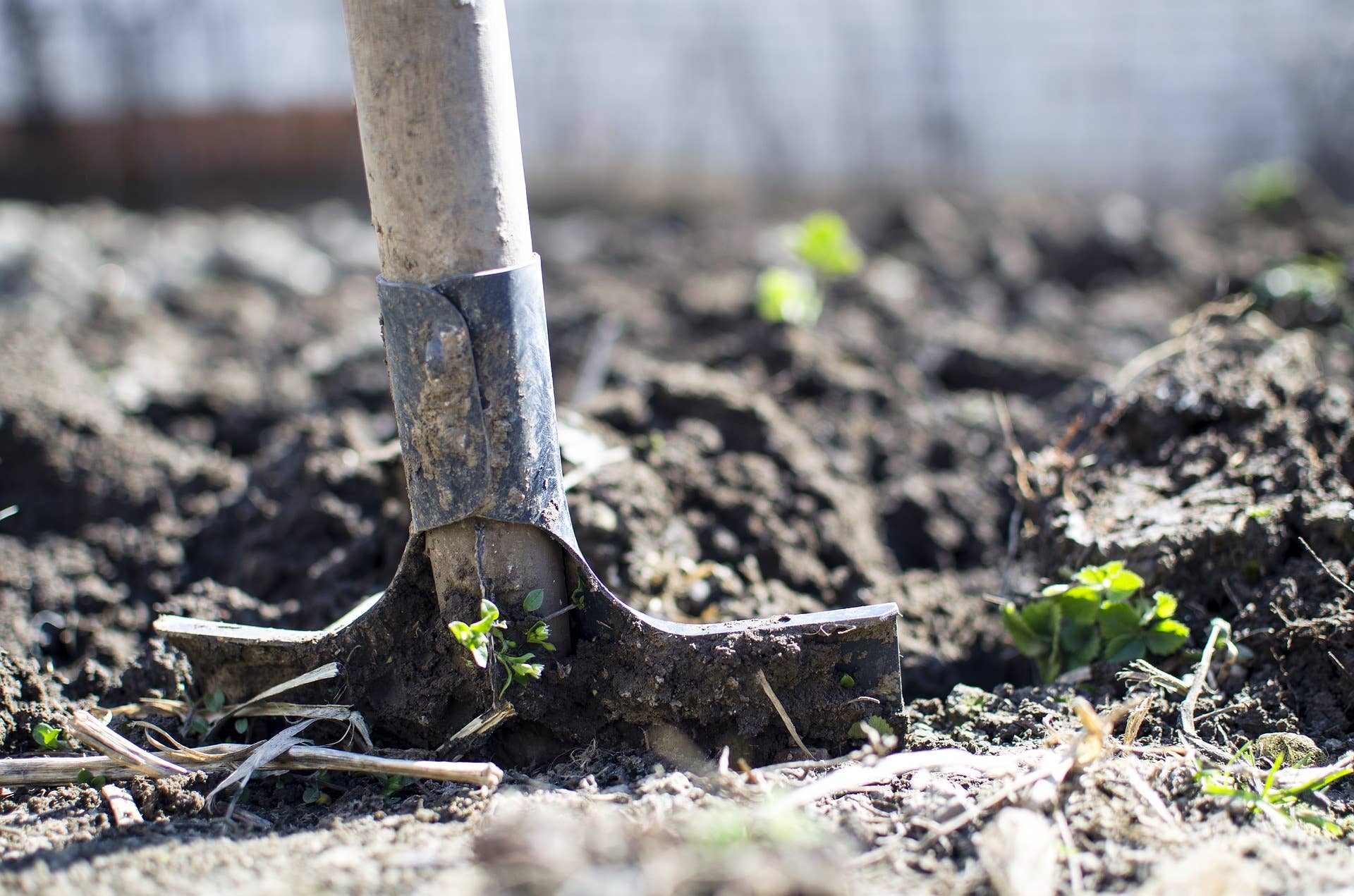
Tilling takes more time because you must break up and turn the soil. This can be hard work, especially for big areas.
No-till gardening saves time by keeping the soil undisturbed. You add mulch or compost on top, which needs less effort.
- Tilling requires physical digging or machine use.
- No-till needs regular mulching and surface care.
- Tilling may need repeat work to keep soil loose.
- No-till focuses on gentle soil feeding and cover.
Tool And Machinery Costs
Tilling usually needs heavier tools like rototillers or plows. These tools cost more to buy or rent and may use fuel.
No-till gardening uses fewer tools. You mainly need hand tools like rakes, hoes, or mulching equipment, which cost less.
- Tilling: rototiller, shovel, plow, fuel expenses.
- No-till: hand tools, mulch materials, compost.
- Heavy machinery increases upfront and ongoing costs.
- No-till reduces equipment needs and fuel use.
Maintenance Considerations
Tilled soil needs regular maintenance to avoid compaction and erosion. You may need to till again each season.
No-till gardens require less soil disturbance. Maintenance focuses on adding mulch and managing weeds naturally.
- Tilling: soil turns over, needing repeat care.
- No-till: soil stays stable, with surface care needed.
- Tilling tools need upkeep and repairs.
- No-till tools have lower maintenance demands.
Environmental Impact
Tilling and no-till gardening affect the environment in different ways. These methods change the soil, air, and living things in your backyard.
Understanding these impacts helps you choose a garden style that supports nature and your plants.
Carbon Footprint
Tilling releases carbon stored in the soil into the air. This adds to greenhouse gases and climate change.
No-till gardening keeps carbon locked in the soil. It helps reduce pollution and keeps the air cleaner.
- Tilling increases carbon emissions from soil disturbance.
- No-till stores more carbon underground.
- No-till gardens help fight global warming.
Soil Erosion And Runoff
Tilling breaks up soil and leaves it loose. This can cause soil to wash away during rain.
No-till gardening keeps soil covered with plants or mulch. This protects soil from erosion and stops runoff.
- Tilling increases soil erosion risk.
- No-till reduces soil loss and water runoff.
- Less runoff means fewer pollutants in water.
Biodiversity In Backyard Gardens
Tilling disturbs soil life like worms, insects, and microbes. This lowers biodiversity in your garden.
No-till gardening creates a stable home for many creatures. It supports healthy soil and more plant life.
- Tilling harms beneficial soil organisms.
- No-till encourages diverse soil life.
- Higher biodiversity improves garden health.
Choosing The Best Method
Tilling and no-till gardening both have benefits and challenges. Choosing the right way depends on your backyard and needs.
This guide helps you decide by looking at soil, climate, garden size, goals, and your experience.
Soil Type And Climate Factors
Soil type affects how plants grow and how you manage your garden. Tilling works well for heavy clay soils to break them up.
No-till is better for sandy or loose soils because it keeps soil structure and moisture. Climate also matters for soil health.
- Tilling helps mix nutrients in cold, wet climates
- No-till retains moisture in dry, hot climates
- No-till reduces erosion in windy areas
Garden Size And Goals
Large gardens may need tilling to prepare big areas quickly. Small gardens can benefit from no-till to save time and effort.
If you want to grow vegetables fast, tilling can speed up soil warming. For long-term soil health, no-till is a good choice.
- Tilling suits large or new gardens
- No-till fits small or established gardens
- Tilling helps fast planting
- No-till improves soil life over time
Personal Preferences And Experience
Your comfort with tools and techniques matters. Tilling needs equipment and strength, while no-till needs patience to build soil.
Some gardeners like digging and soil turning. Others prefer less work and natural soil care.
- Choose tilling if you enjoy hands-on work
- Choose no-till if you want lower effort
- Learn both to adjust by season and need

Credit: www.youtube.com
Tips For Transitioning Between Methods
Switching from tilling to no-till gardening or the other way takes care and planning. Each method changes how you work with your soil and plants.
These tips help you move smoothly between tilling and no-till in your backyard garden. They focus on soil, weeds, and watching how your garden changes.
Gradual Soil Preparation
Changing your soil work style slowly helps plants adjust. If you stop tilling, start by tilling less often or only parts of your garden.
Adding organic matter like compost will keep your soil healthy during the change. It feeds soil life and improves soil structure.
- Reduce tilling frequency step by step
- Mix compost into soil before stopping tilling
- Use mulch to protect soil surface
- Test soil texture and moisture regularly
Managing Weeds Without Tilling
Tilling helps control weeds by turning soil, but no-till needs different ways. Using mulch and hand weeding work well to stop weeds.
Covering the soil with plant remains or paper blocks weed sunlight. Also, planting ground covers can outcompete weeds naturally.
- Apply thick mulch layers over garden beds
- Pull weeds by hand before they seed
- Plant cover crops to shade soil
- Use natural weed barriers like cardboard
Monitoring Soil Health Changes
Soil changes slowly after switching methods. Watch soil color, smell, and texture to know if it stays healthy.
Check how well water drains and if earthworms live in the soil. These signs show if your soil life is active and healthy.
- Look for dark, crumbly soil with good smell
- Test soil moisture after watering or rain
- Count earthworms in small soil samples
- Note plant growth and leaf color
Credit: dengarden.com
Frequently Asked Questions
What Is The Main Difference Between Tilling And No-till Gardening?
Tilling involves turning soil before planting, while no-till avoids soil disturbance. No-till preserves soil structure and microbes. Tilling can improve aeration but may disrupt soil life. Choosing depends on soil health and gardening goals.
How Does Tilling Affect Backyard Soil Health?
Tilling aerates soil and mixes nutrients but can harm beneficial organisms. It may cause erosion and soil compaction over time. Frequent tilling disrupts natural soil layers. Proper tilling timing and depth minimize negative effects.
What Are The Benefits Of No-till Gardening?
No-till gardening preserves soil structure and moisture. It reduces erosion and promotes beneficial microbes. This method saves time and labor. It supports sustainable gardening and healthier plant growth.
Can Tilling Help Control Weeds In Backyard Gardens?
Tilling can uproot and bury weeds, reducing their presence initially. However, it may also bring dormant weed seeds to the surface. Combining tilling with other weed control methods yields better results.
Conclusion
Both tilling and no-till gardening have their benefits. Tilling aerates the soil and mixes nutrients. But, it may lead to erosion. No-till preserves soil structure and moisture. It also supports beneficial organisms. Consider your soil type and gardening goals. Choose the method that suits your needs best.
Each garden is unique. Experiment to find what works for you. Both methods can yield healthy plants. Happy gardening!

