
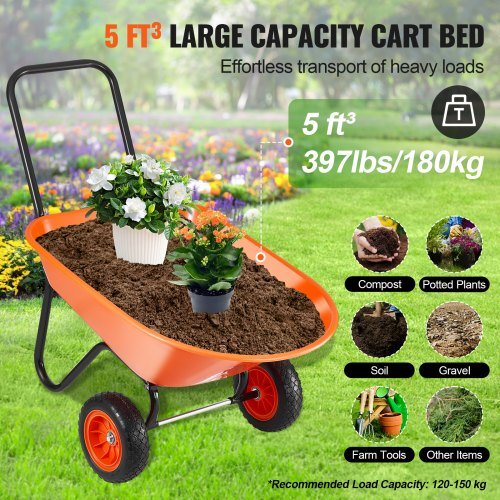
Are you planning a garden project or landscaping your yard? Moving soil can be tough work, but using a wheelbarrow makes the job easier and faster.
If you want to avoid spills, save your energy, and get the soil exactly where it needs to go, this guide is for you. Keep reading, and you’ll learn simple tips and tricks to transport soil safely and efficiently with your wheelbarrow.
Your back will thank you!

Credit: ezypeazy.co.nz
Choosing The Right Wheelbarrow
Transporting soil with a wheelbarrow can make your work easier. Picking the right wheelbarrow is important for safety and comfort.
Think about the type, size, and material before you buy. These factors help you move soil efficiently.
Types Of Wheelbarrows
Wheelbarrows come in different styles. Each type fits a certain job or terrain better.
- Standard wheelbarrow: one wheel, good for most jobs
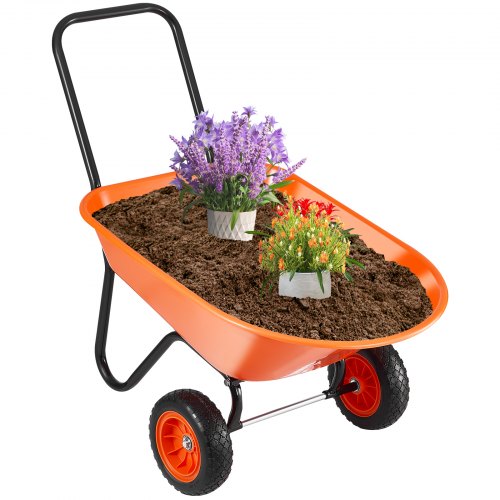
- Two-wheel wheelbarrow: more stable on flat surfaces
- Collapsible wheelbarrow: easy to store and carry
Capacity And Size Considerations
Choose a size that matches how much soil you need to move. Too big can be hard to handle; too small means more trips.
Look at the volume and weight limits. A good balance saves time and effort.
- Small wheelbarrows hold about 2 cubic feet
- Medium ones hold 4 to 6 cubic feet
- Large wheelbarrows can hold 8 cubic feet or more
Material And Durability
Wheelbarrows are made from different materials. Choose one that lasts and fits your soil type.
Metal is strong but heavy. Plastic is light but can crack. Wood looks nice but needs care.
- Steel: very durable and good for heavy soil
- Plastic: light and rust-free, best for light soil
- Wood: traditional, may wear out faster outdoors
Credit: www.vevor.ca
Preparing Soil For Transport
Transporting soil with a wheelbarrow is easier if the soil is ready. Preparing soil helps avoid heavy loads and clumps.
Good preparation saves time and effort. It also protects the wheelbarrow and your back.
Moisture Level Adjustment
Soil should be damp but not wet for easy transport. Too much water makes soil heavy and sticky. Too dry soil can be dusty and loose.
- Check soil by squeezing a handful.
- If water drips, soil is too wet.
- If it falls apart, soil is too dry.
- Add water or let soil dry to fix moisture.
Removing Large Debris
Large stones, roots, and trash make moving soil harder. Remove these items before loading the wheelbarrow.
| Type of Debris | Effect on Transport |
| Large Stones | Damage wheelbarrow and add weight |
| Roots | Cause clumps and uneven soil |
| Trash | Obstruct soil flow and damage tools |
Loosening Compact Soil
Compact soil is heavy and hard to move. Loosen it to make transport easier and faster.
Use these methods to loosen soil:
- Use a garden fork or spade to break soil clumps.
- Turn soil over to let air in.
- Remove roots and stones during loosening.
- Mix soil to get a crumbly texture.
Loading The Wheelbarrow
Loading soil into a wheelbarrow is simple but needs care. Proper loading helps you move soil safely and easily.
This guide covers how to load the wheelbarrow well to avoid spills and reduce strain on your body.
Optimal Loading Techniques
Place soil near the wheelbarrow to reduce lifting. Use a shovel to add soil in layers. Start with a small amount at the bottom.
- Load soil evenly across the wheelbarrow bed.
- Keep the soil level low to avoid spills.
- Use your legs, not your back, to lift soil into the wheelbarrow.
Balancing The Load
Balance the soil so the wheelbarrow does not tip. Place heavier soil near the wheel. Spread soil side to side evenly.
| Position | Effect on Balance |
|---|---|
| Near the wheel | Better control and easier to push |
| Too far front | Hard to lift and steer |
| Uneven sides | Wheelbarrow tips to one side |
Avoiding Overloading
Do not add too much soil at once. Overloading makes moving heavy and can cause injury.
- Check the wheelbarrow’s weight limit.
- Keep soil below the top edge of the bed.
- Make several trips if needed instead of one heavy load.

Credit: www.garant.com
Safe Wheelbarrow Handling
Transporting soil with a wheelbarrow is a common task in gardening and landscaping. Doing it safely helps prevent injuries and makes the job easier.
This guide covers proper lifting, keeping the wheelbarrow stable, and moving across different surfaces safely.
Proper Lifting Methods
Lift the wheelbarrow carefully to avoid strain on your back. Use your legs, not your back, to lift the load.
- Stand close to the wheelbarrow with feet shoulder-width apart.
- Bend your knees, keeping your back straight.
- Grab the handles firmly.
- Lift by straightening your legs slowly.
- Keep the wheelbarrow close to your body.
Maintaining Stability
Stability is key to avoid spills and accidents. Balance the load evenly to keep the wheelbarrow steady.
| Tip | Description |
| Load Weight | Do not overload; keep weight manageable. |
| Center of Gravity | Place heavy soil near the wheel for better balance. |
| Handle Grip | Hold handles firmly with both hands. |
| Wheel Check | Ensure the wheel is inflated and spins freely. |
Navigating Different Terrains
Moving a wheelbarrow on uneven ground needs care. Adjust your speed and path for safety.
- Go slow on slopes to keep control.
- Use a wide path to avoid obstacles.
- Push, don’t pull, to reduce strain.
- Keep your eyes on the path ahead.
Maximizing Transport Efficiency
Moving soil with a wheelbarrow can be hard work. Planning and smart techniques help you save time and effort. Use these tips to carry soil more efficiently.
Knowing the best ways to plan your path, use ramps, and keep your tools in good shape will make the job easier. This guide covers key points for better soil transport.
Planning The Route
Choose the shortest and smoothest path for your wheelbarrow. Avoid steep hills and rough ground to keep the load steady. Clear any obstacles before you start.
- Walk the route first to spot problems
- Pick flat or gently sloping paths
- Remove stones or sticks that block the way
- Plan rest stops if the distance is long
Using Ramps And Supports
Ramps help you move soil over raised areas or into trucks. Supports keep ramps stable and safe. Use strong boards and secure them well.
| Ramp Material | Support Type | Tip |
| Wooden boards | Bricks or blocks | Check for cracks before use |
| Metal sheets | Concrete blocks | Use non-slip surface |
| Plastic ramps | Firm ground | Clean dirt and debris regularly |
Regular Maintenance Tips
Keep your wheelbarrow in good condition to avoid delays. Check the tire pressure and tighten loose parts. Clean the wheelbarrow after use to prevent rust.
- Inflate tires to the right pressure
- Lubricate wheel bearings often
- Tighten bolts and screws regularly
- Wash off soil and dry the wheelbarrow
Troubleshooting Common Issues
Using a wheelbarrow to move soil can be easy, but some problems may happen. Knowing how to fix these issues saves time and effort.
This guide covers common problems and simple solutions to keep your work smooth.
Dealing With Spills
Soil may spill from the wheelbarrow while moving or unloading. Spills waste soil and create a mess.
To prevent spills, avoid overfilling the wheelbarrow. Use a shovel to load soil evenly, not too high.
- Keep the wheelbarrow balanced while moving
- Move slowly on uneven ground
- Use a tarp to catch loose soil when unloading
Fixing Wheel And Handle Problems
Wheel problems like flat tires or wobbling can stop work. Handle issues make pushing hard or unsafe.
Check the wheel for air pressure and damage. Tighten loose nuts or bolts on the wheel and handles.
- Inflate or replace flat tires
- Lubricate wheel axle if it squeaks
- Tighten screws on handles to avoid shaking
- Replace broken handles to keep control
Adjusting For Uneven Loads
Uneven soil loads make the wheelbarrow hard to push and may cause tipping. Balance the soil for safe use.
Spread soil evenly from front to back and side to side. Avoid putting too much weight on one side.
- Use a shovel to level soil before moving
- Distribute soil weight evenly across the tray
- Check balance by lifting handles before pushing
- Adjust load if the wheelbarrow tilts or drags
Frequently Asked Questions
How Much Soil Can A Wheelbarrow Carry Safely?
A standard wheelbarrow holds about 4 to 6 cubic feet of soil. Avoid overloading to prevent tipping and ease maneuvering. Balance the load evenly for safe transport and reduce strain on your back.
What Is The Best Way To Load Soil In A Wheelbarrow?
Load soil by shoveling it evenly into the wheelbarrow’s center. Avoid piling too high to maintain balance. Distribute weight evenly to make pushing easier and prevent spills during transport.
How Do I Prevent Soil From Spilling During Transport?
Keep the soil level below the wheelbarrow’s edges. Move slowly over uneven surfaces to avoid tipping. Use a tarp or liner if transporting loose or wet soil for extra containment.
Can I Use Any Wheelbarrow For Transporting Soil?
Choose a sturdy wheelbarrow with a strong frame and pneumatic tires. This ensures durability and smooth movement on rough terrain. Lightweight or plastic models may not handle heavy soil loads well.
Conclusion
Transporting soil with a wheelbarrow is simple and efficient. Use the right tools. Ensure your wheelbarrow is sturdy and balanced. Load soil carefully to avoid spills. Push, don’t pull, for better control. Take breaks to prevent fatigue. Maintain your wheelbarrow for longer use.
These steps make soil moving easier. Anyone can do it with practice. Now you’re ready to tackle any gardening project. Keep your garden thriving with these tips. Happy gardening and soil moving!

