
Are you tired of spending hours raking leaves and clearing debris from your lawn? A lawn sweeper might be the tool you need to make yard work easier and faster.
But before you invest, it’s important to know both the benefits and the drawbacks. Understanding the pros and cons will help you decide if a lawn sweeper is the right fit for your yard and your lifestyle. Keep reading to discover what you should consider to make the best choice for your outdoor space.
Credit: www.housedigest.com
Benefits Of Lawn Sweepers
Lawn sweepers help keep yards clean by picking up leaves and debris. They make lawn care easier and faster.
Using a lawn sweeper can improve the look and health of your grass. Here are some key benefits.
Efficient Leaf And Debris Removal
Lawn sweepers collect leaves, grass clippings, and small sticks quickly. They cover large areas without much effort.
- Collects debris in a single pass
- Works on uneven ground
- Reduces the need for raking
Time-saving Advantages
Using a lawn sweeper saves time compared to manual cleanup. It speeds up yard maintenance tasks.
| Task | Manual Method | Lawn Sweeper |
| Leaf collection | 1 hour | 20 minutes |
| Grass clippings removal | 45 minutes | 15 minutes |
| Debris pickup | 50 minutes | 18 minutes |
Improved Lawn Health
Removing leaves and debris keeps grass healthy. It lets sunlight and air reach the soil better.
Lawn sweepers reduce thatch buildup and stop mold growth. This helps grass grow stronger and greener.
User-friendly Operation
Lawn sweepers are easy to use. Most models are lightweight and have simple controls.
- Adjustable brushes for different surfaces
- Easy emptying collection bags
- Compact design for storage
- Push or tow behind options

Credit: www.aol.com
Drawbacks Of Lawn Sweepers
Lawn sweepers help clean leaves and grass clippings quickly. They are handy tools for yard care. Still, they have some drawbacks to consider before buying.
Knowing the downsides helps you decide if a lawn sweeper fits your needs. Here are some key drawbacks to think about.
Initial Cost Considerations
Lawn sweepers can be costly to buy at first. The price varies by size and features. This cost may be high for some people.
Cheaper models may not last long or work well on big yards. Expensive ones offer better quality but need a bigger budget.
Maintenance Requirements
Lawn sweepers need regular care to work properly. You must clean brushes and check wheels often. Neglect can cause damage or poor performance.
Parts like brushes and bags wear out and need replacement. Maintenance takes time and extra money.
Limitations On Different Terrains
Lawn sweepers work best on flat, smooth lawns. They struggle on steep, rocky, or uneven ground. This limits their use in some yards.
- Uneven ground can block brushes
- Rocks may damage the sweeper
- Steep slopes are hard to push or pull
These terrain limits may reduce the sweeper’s effectiveness.
Storage Space Needs
Lawn sweepers are bulky and need space for storage. Small sheds or garages may not fit them easily. This can be a problem for people with little storage.
Some models can be folded, but many stay large and take up room. Planning where to store your sweeper is important.
Types Of Lawn Sweepers
Lawn sweepers help clean up leaves, grass clippings, and debris from your yard. They come in different types to fit various needs and lawn sizes.
Choosing the right type can make yard work easier and faster. Here are the main types of lawn sweepers you can find.
Push Lawn Sweepers
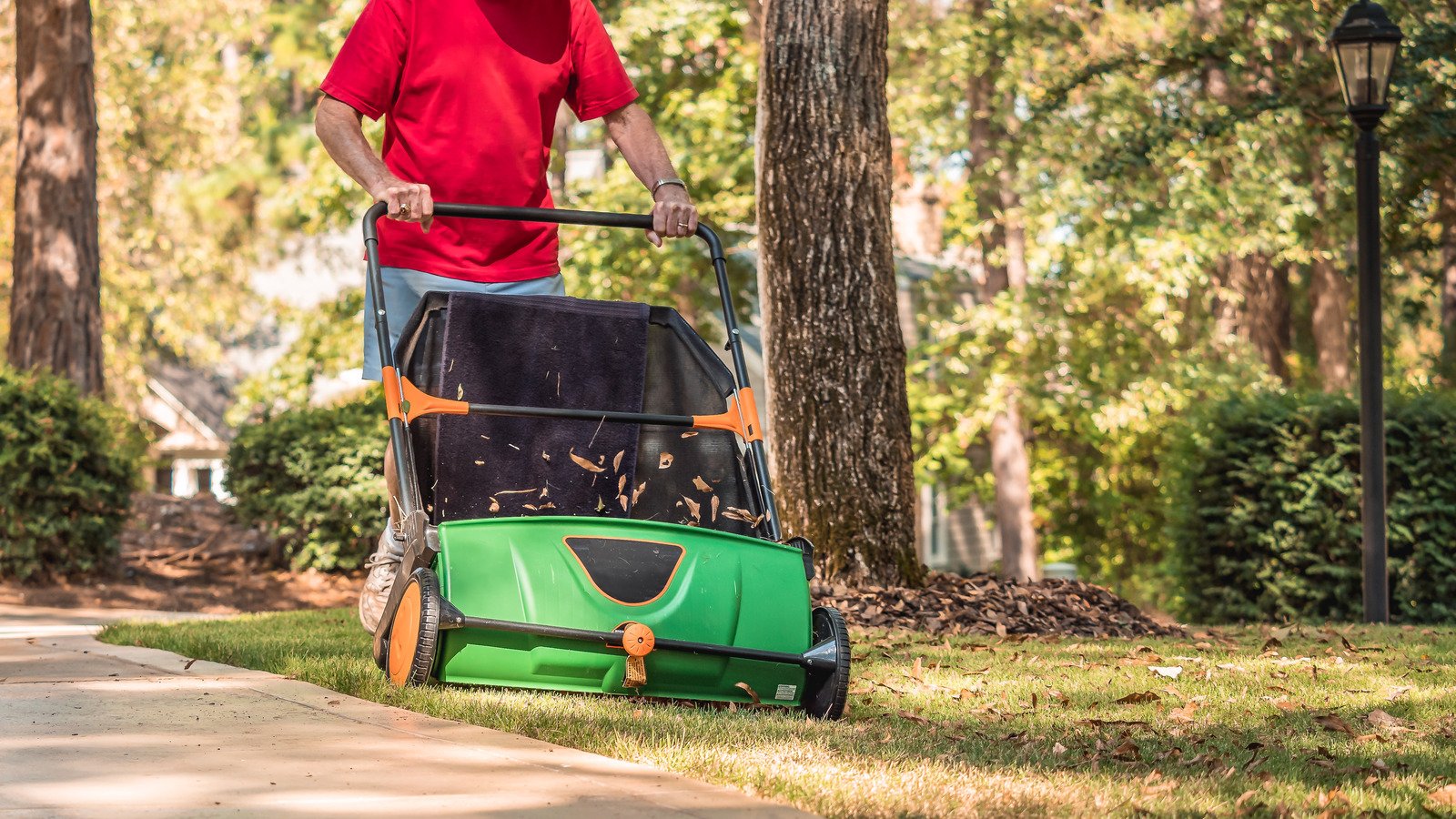
Push lawn sweepers are small and lightweight. You move them by pushing with your hands. They work well for small to medium lawns.
These sweepers have brushes that spin when you push. They pick up leaves and small debris into a collection bag.
- Easy to use and store
- No fuel or power needed
- Best for small yards
- Can be tiring for large areas
Tow-behind Lawn Sweepers
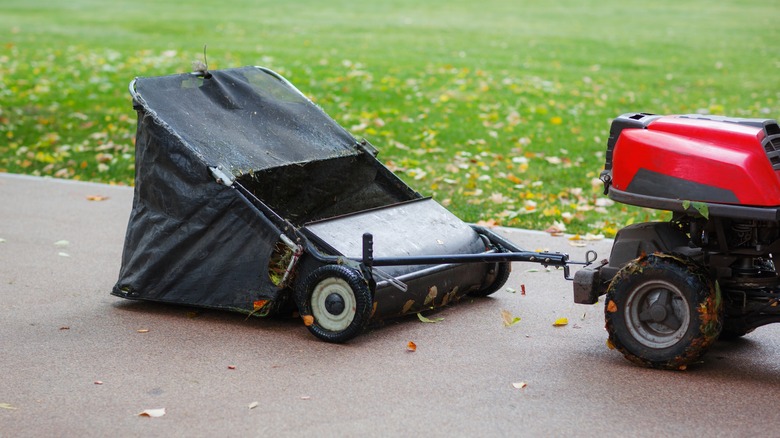
Tow-behind lawn sweepers attach to a riding mower or garden tractor. They cover larger areas faster than push sweepers.
These sweepers have bigger brushes and larger collection bags. They are great for big lawns or commercial use.
- Cover large areas quickly
- Require a mower or tractor
- Heavier and harder to store
- Good for heavy debris
Powered Lawn Sweepers
Powered lawn sweepers use a motor to spin the brushes. They can be electric or gas-powered. This reduces the effort needed.
These sweepers work well on medium to large lawns. They collect debris faster and need less pushing force.
- Less physical effort needed
- Effective on bigger lawns
- Need fuel or electricity
- More expensive and heavier
Choosing The Right Sweeper
Lawn sweepers help clean grass clippings, leaves, and debris. Picking the right one makes yard work easier and faster.
Different sweepers suit different lawns. Think about your lawn size, budget, and build quality before buying.
Assessing Lawn Size And Terrain
Large lawns need sweepers with bigger hoppers. Small lawns can use compact models. Terrain matters for wheel type and power.
Flat lawns work well with push sweepers. Hilly or rough terrain may need tow-behind or powered sweepers.
- Large lawn: choose wide sweep path and large hopper
- Small lawn: compact and lightweight sweeper is enough
- Flat terrain: manual push sweepers are fine
- Uneven or hilly terrain: consider powered or tow-behind sweepers
Budget And Features
Set a budget before shopping. Basic sweepers cost less but have fewer features. Higher-priced models offer more convenience.
Look for adjustable brush height and easy hopper emptying. These features save time and effort during use.
- Basic models: affordable, simple design
- Mid-range: adjustable brushes and larger hoppers
- High-end: powered brushes, easy emptying, and large capacity
- Choose features that match your cleaning needs
Durability And Build Quality
Strong materials last longer and handle tough jobs. Steel frames are more durable than plastic ones.
Check for quality wheels and brushes. These parts wear out quickly on poor models.
- Steel frame: tough and long-lasting
- Plastic frame: lighter but less durable
- Quality wheels: smooth rolling on different terrain
- Durable brushes: resist wear and clean well
Tips For Effective Use
Lawn sweepers help keep your yard clean by picking up leaves and debris. Using them properly saves time and effort.
Follow simple tips to get the best results from your lawn sweeper. Good care also extends its life.
Optimal Sweeping Techniques
Push the lawn sweeper evenly across your yard for full coverage. Avoid rushing to pick up all debris at once.
Adjust the brush height to match the grass length. This helps pick up leaves without damaging the lawn.
- Walk at a steady pace for even sweeping
- Overlap paths slightly to avoid missed spots
- Empty the collection bag regularly
- Use the sweeper on dry grass and leaves
Routine Maintenance Practices
Keep your lawn sweeper clean after each use. Remove stuck leaves and check for worn parts.
Lubricate moving parts regularly to ensure smooth operation. Store the sweeper in a dry place to prevent rust.
- Clean brushes and wheels after use
- Inspect for broken or loose parts weekly
- Oil axles and moving joints monthly
- Store indoors or cover when not in use
Safety Precautions
Wear gloves and closed shoes when using a lawn sweeper. Keep children and pets away during operation.
Check the area for rocks or sticks before sweeping. Remove these to avoid damaging the sweeper or causing injury.
- Use protective gear like gloves and goggles
- Clear the lawn of hard objects first
- Keep hands and feet away from brushes
- Do not sweep wet grass to avoid slipping

Credit: www.familyhandyman.com
Frequently Asked Questions
What Are The Main Benefits Of Using A Lawn Sweeper?
Lawn sweepers quickly collect leaves, grass clippings, and debris. They save time and reduce manual raking. Sweepers improve lawn health by removing thatch. They are eco-friendly, avoiding gas use like blowers. Overall, they keep lawns clean with less effort.
Are Lawn Sweepers Suitable For All Lawn Sizes?
Lawn sweepers work best on medium to large lawns. Small yards might not justify the cost. Some models have adjustable widths for flexibility. Check the sweeper’s capacity to match your lawn size. Proper use ensures efficient debris collection regardless of size.
How Often Should I Use A Lawn Sweeper?
Use a lawn sweeper weekly during heavy leaf fall. In growing seasons, sweep to remove grass clippings regularly. Frequency depends on debris accumulation and lawn conditions. Regular use prevents thatch buildup and keeps grass healthy. Adjust use based on weather and yard needs.
What Are Common Drawbacks Of Lawn Sweepers?
Lawn sweepers can struggle with wet or heavy debris. They may miss small twigs or pine needles. Initial cost and storage space can be concerns. Some models require physical effort or a tow vehicle. Understanding limitations helps optimize their use.
Conclusion
Lawn sweepers can be a valuable tool for yard maintenance. They offer convenience and efficiency, saving time and effort. Regular use keeps lawns clean and tidy. But, they might not work well on uneven surfaces. Storage space is another consideration.
Some people might find them costly. Yet, for those who prioritize a pristine lawn, they are worth it. Weighing the pros and cons can help make an informed decision. Overall, lawn sweepers can enhance your lawn care routine, if they fit your needs and budget.
