
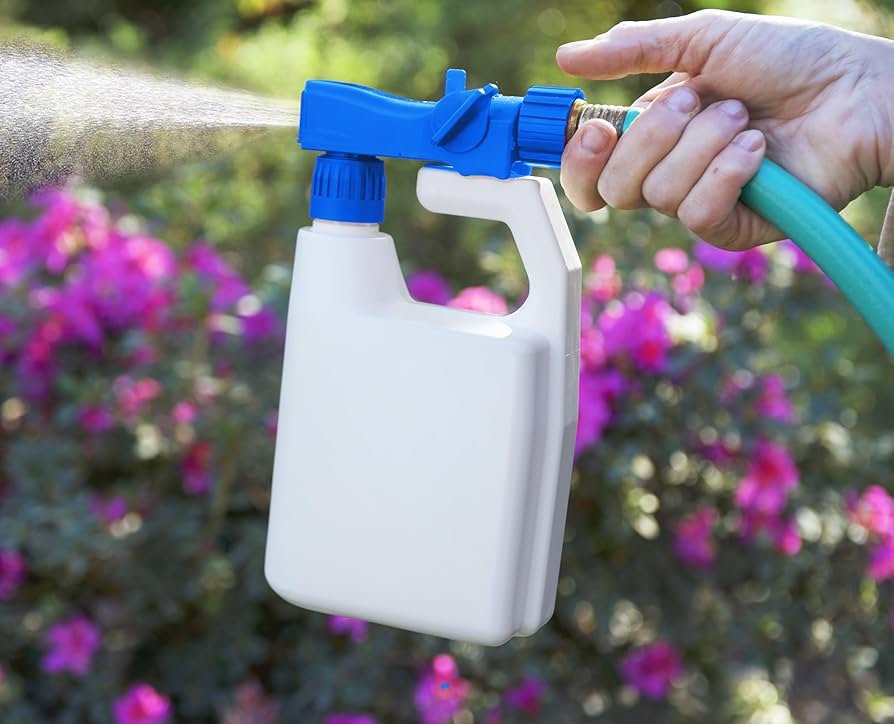
Have you ever struggled with spraying your garden or lawn evenly without wasting time or product? A hose end sprayer might be the simple tool you need to make your outdoor chores easier and more efficient.
But what exactly is a hose end sprayer used for, and how can it help you get the job done right every time? Keep reading to discover how this handy device can save you effort, money, and frustration while keeping your plants healthy and your yard looking great.

Credit: www.amazon.com
Benefits Of Hose End Sprayers
Hose end sprayers make applying liquids easier and faster. They attach to your garden hose for quick use.
These sprayers help cover large areas with less effort. They are useful for gardening, cleaning, and more.
Time-saving Features
Hose end sprayers save time by mixing and spraying at once. You do not need to prepare solutions separately.
- Quick attachment to the hose
- Automatic mixing of liquids
- Wide spray coverage
- Easy to control flow and spray pattern
Even Application
These sprayers deliver liquids evenly across surfaces. This helps plants get the right amount of water or chemicals.
| Benefit | Why It Matters |
| Consistent spray pattern | Prevents over- or under-watering |
| Adjustable spray settings | Matches different plant needs |
| Steady flow rate | Ensures uniform coverage |
Versatility In Use
Hose end sprayers work for many tasks around the home and garden. They can handle various liquids and sprays.
- Applying fertilizers and pesticides
- Washing cars and outdoor furniture
- Cleaning patios and driveways
- Watering large garden areas
Types Of Hose End Sprayers
Hose end sprayers help you apply liquids like fertilizers and pesticides easily. They attach to your garden hose and mix chemicals with water.
There are different types of hose end sprayers. Each type works in a unique way to fit your needs.
Pump Sprayers
Pump sprayers use a manual pump to create pressure. You pump air into the container to spray liquid out.
They work well for small areas and precise spraying. You control how much liquid is released by pumping more or less.
Dial Control Sprayers
Dial control sprayers let you adjust the spray mix. You turn a dial to set how strong the chemical mix is.
This type offers more control over the amount of liquid applied. It is good for different spraying tasks with one tool.
- Choose low mix for light spraying
- Choose high mix for stronger application
- Easy to switch between settings
Trigger Sprayers
Trigger sprayers spray liquid by squeezing a trigger handle. The harder you squeeze, the more liquid sprays out.
This type is easy to use and good for spot spraying. It works well for small jobs and quick touch-ups.
Choosing The Right Sprayer
A hose end sprayer helps apply liquids like fertilizers and pesticides. Picking the right sprayer makes your garden work easier.
Different sprayers suit different needs. Consider your garden and the chemicals you use before buying one.
Consider Garden Size
Large gardens need sprayers that cover wide areas quickly. Small gardens work well with compact sprayers.
Using the right size sprayer saves time and avoids waste. Think about how much space you must treat.
- Large garden: choose sprayers with wide spray patterns
- Small garden: smaller sprayers offer better control
- Medium garden: balanced sprayers suit best
Chemical Compatibility
Check if the sprayer works with the chemicals you plan to use. Some sprayers can get damaged by strong chemicals.
Using compatible sprayers ensures safe and effective spraying. Read product labels to match sprayer materials.
- Look for sprayers made with chemical-resistant materials
- Avoid sprayers that react with acids or oils
- Use sprayers designed for fertilizers, herbicides, or insecticides
Ease Of Use
Choose sprayers that are easy to connect and operate. Simple controls make spraying faster and less tiring.
Consider sprayers with clear instructions and easy refilling. Comfortable handles help if you spray for long times.
- Look for sprayers with quick hose attachment
- Choose models with adjustable spray settings
- Pick sprayers that are lightweight and ergonomic
How To Use A Hose End Sprayer
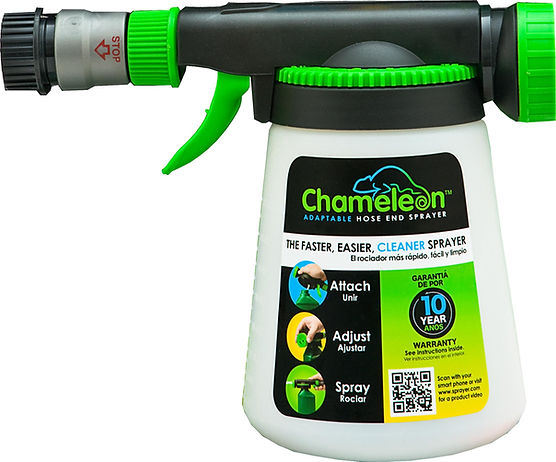
A hose end sprayer is a tool that mixes and sprays liquids like fertilizers or pesticides. It attaches to your garden hose to cover large areas quickly.
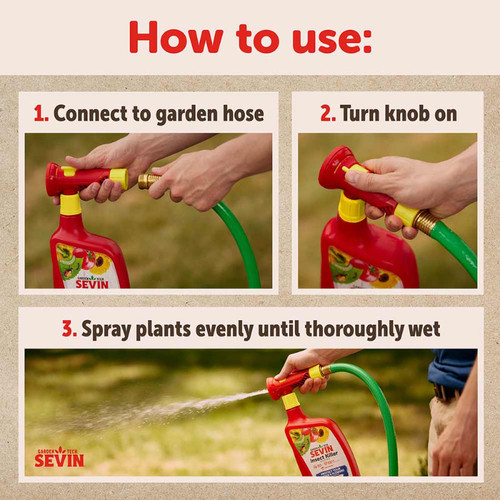
Using it correctly helps you apply the right amount of product without waste. Follow these steps for best results.
Setting Up The Sprayer
First, read the instructions on your sprayer and the product label. This keeps you safe and ensures proper use.
Attach the sprayer to your garden hose by screwing it on tightly. Make sure the sprayer’s container is filled with the right product.
- Check the hose washer is in place for a good seal
- Fill the sprayer container with the correct liquid mix
- Screw the sprayer onto the hose securely
- Keep the hose off sharp objects to avoid leaks
Adjusting The Spray Pattern
Most hose end sprayers let you change how the spray comes out. You can select a fine mist or a strong stream depending on your task.
Turn the spray dial or nozzle until you get the pattern you want. Test the spray on a small area first.
- Choose mist for delicate plants
- Use a stream for covering large areas
- Adjust slowly to avoid spills
- Stop spraying if the pattern is uneven
Safety Precautions
Always wear gloves and eye protection when using chemicals. Avoid breathing in spray mist or touching your face.
Do not spray on windy days to prevent drift. Clean the sprayer after use to avoid clogging and damage.
- Wear protective gloves and goggles
- Keep children and pets away while spraying
- Do not spray near water sources
- Wash hands after handling chemicals
- Store sprayer and chemicals in a safe place
Common Applications In Gardening
A hose end sprayer is a simple tool that helps gardeners apply liquids evenly. It attaches to a garden hose and sprays mixtures like fertilizers or pesticides.
This device saves time and effort by covering large areas quickly. Many gardeners use it for different tasks to keep plants healthy and strong.
Fertilizer Application
Hose end sprayers help spread liquid fertilizers across lawns and gardens. This allows plants to get nutrients they need to grow.
Using a sprayer ensures fertilizer goes evenly on all plants. It also reduces waste and prevents over-fertilizing in one spot.
- Feeds grass, flowers, and shrubs quickly
- Reaches hard-to-water areas
- Mixes fertilizer with water for easy spraying
Pest Control
Gardeners use hose end sprayers to apply insecticides and fungicides. This helps protect plants from harmful bugs and diseases.
The sprayer covers leaves and stems well, reaching pests hiding in tough spots. It also helps treat large areas without much effort.
- Applies pest control products evenly
- Reduces need to touch plants directly
- Sprays hard-to-reach places
Weed Management
Hose end sprayers work well for spreading weed killers over lawns and flower beds. They help control unwanted plants without harming nearby flowers.
The sprayer applies herbicides in a controlled way. This stops weeds from growing and competing with garden plants for nutrients.
- Targets weeds with liquid herbicides
- Covers large areas quickly
- Helps maintain neat garden beds
Credit: www.marshallgrain.com
Maintenance Tips For Longevity
A hose end sprayer helps you apply liquids like fertilizers or pesticides easily. Taking care of it keeps it working well for a long time.
Proper maintenance saves money and avoids damage. Follow simple tips to keep your sprayer in good shape.
Cleaning After Use
Clean your hose end sprayer every time you finish using it. This stops leftover chemicals from clogging the sprayer.
Flush it with clean water until no residue appears. Remove and rinse all removable parts like nozzles and filters.
- Detach sprayer from hose before cleaning
- Run clean water through the sprayer for a few minutes
- Soak nozzles and filters in water if clogged
- Dry all parts before storing
Storage Recommendations
Store your hose end sprayer in a dry place away from sunlight. Heat and sun can wear down plastic and rubber parts.
Keep it disconnected from the hose and empty of liquids. This stops damage from freezing or spills.
- Store sprayer indoors during cold weather
- Keep it away from direct sunlight and heat
- Hang or place sprayer to avoid bending the hose
- Check parts before storing for cracks or damage
Troubleshooting Common Issues
If your sprayer leaks or sprays unevenly, check for blockages or worn parts. Fixing small problems early helps avoid bigger repairs.
Make sure the nozzle is clean and not clogged. Tighten any loose connections. Replace damaged seals or washers.
- Clean nozzles and filters regularly
- Check hose and connections for cracks
- Replace worn or broken washers and seals
- Test spray pattern before each use
Credit: palmerfeed.com
Frequently Asked Questions
What Is A Hose End Sprayer Used For?
A hose end sprayer attaches to a garden hose to mix and spray liquids. It is commonly used for applying fertilizers, pesticides, and herbicides evenly on plants or lawns. This tool saves time and ensures accurate dilution, making garden care easier and more efficient.
Can A Hose End Sprayer Apply Different Chemicals?
Yes, a hose end sprayer can apply various chemicals like fertilizers, herbicides, and insecticides. It mixes the chemical concentrate with water automatically. This versatility makes it ideal for multiple gardening and lawn care tasks without needing separate equipment.
How Does A Hose End Sprayer Work?
A hose end sprayer works by drawing concentrate from a container and mixing it with water flowing from the hose. The mixture sprays out through the nozzle. This process provides a consistent and controlled application of garden chemicals, reducing waste and improving coverage.
Is A Hose End Sprayer Easy To Use For Beginners?
Yes, hose end sprayers are user-friendly and simple to operate. They attach quickly to any standard garden hose and require minimal setup. Clear instructions and adjustable settings help beginners achieve effective spraying results with little effort.
Conclusion
A hose end sprayer is a handy gardening tool. It helps apply liquid fertilizers and pesticides evenly. Easy to use, it attaches to garden hoses. This ensures proper mixing of water and chemicals. Perfect for small to medium lawns and gardens.
It saves time and effort. Helps maintain a healthy landscape. Choose the right sprayer for your needs. Follow instructions carefully for best results. Enjoy a lush garden with less hassle. A reliable tool for every gardener’s toolkit.
