
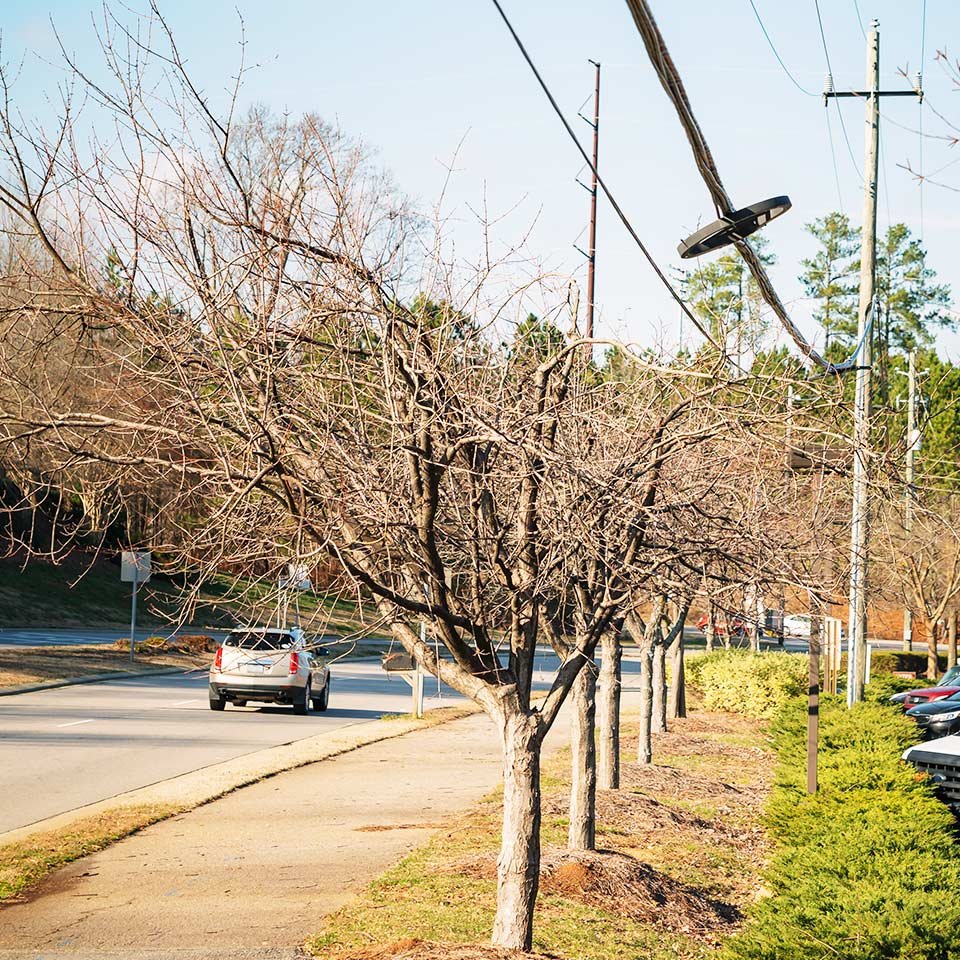
Have you ever wondered if pruning your trees could actually harm them? It’s a question many tree lovers and homeowners ask but don’t always get a clear answer to.
You want your trees to stay healthy and strong, yet one wrong cut might cause unexpected damage. You’ll discover the surprising truths about pruning and learn how to care for your trees the right way. Keep reading to protect your green friends and make your yard thrive like never before.
Credit: www.leaflimb.com
Pruning Basics
Pruning helps keep trees healthy and safe. It involves cutting parts of the tree carefully.
Good pruning can prevent damage and help trees grow better. Learning the basics is important.
Why Prune Trees
Pruning removes dead or weak branches. This stops disease and keeps the tree strong.
It also improves tree shape and safety. Removing branches helps sunlight reach all parts.
- Remove dead or damaged branches
- Improve tree shape and structure
- Increase sunlight and air flow
- Prevent safety hazards
- Encourage healthy growth
Types Of Pruning Cuts
Different cuts serve different purposes. Knowing these cuts helps avoid damage to trees.
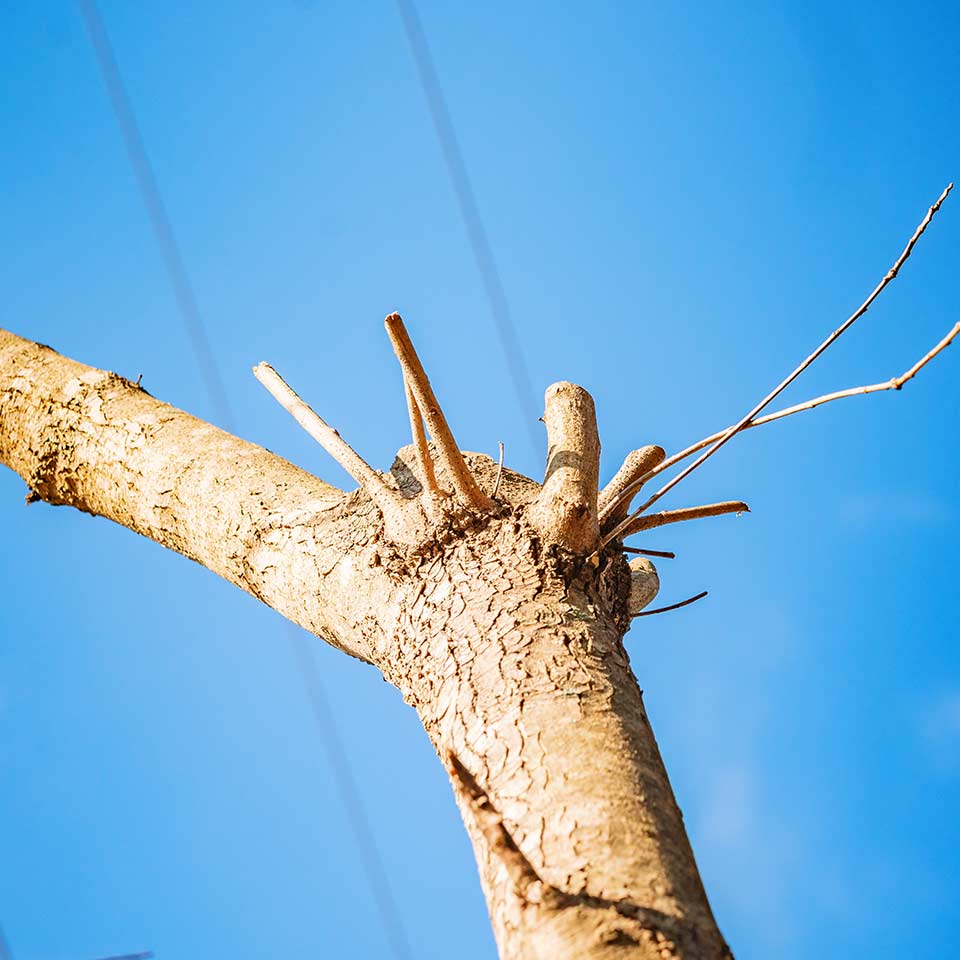
Three main types of pruning cuts include thinning, heading, and removal cuts.
- Thinning cuts:Remove whole branches at their base to open up the tree.
- Heading cuts:Cut back part of a branch to a bud or side branch.
- Removal cuts:Remove small branches or twigs completely.
Credit: www.leaflimb.com
Common Pruning Mistakes
Pruning helps keep trees healthy and strong. But wrong pruning can hurt trees instead.
Many people make simple mistakes that damage trees. Learning about these errors can protect your plants.
Over-pruning Risks
Cutting too many branches can stress a tree. It loses leaves that make food through photosynthesis.
Over-pruning can cause weak growth and make trees more likely to get sick.
- Reduces energy for growth
- Increases vulnerability to pests
- Can cause sunburn on exposed bark
- Weakens tree structure
Incorrect Cut Placement
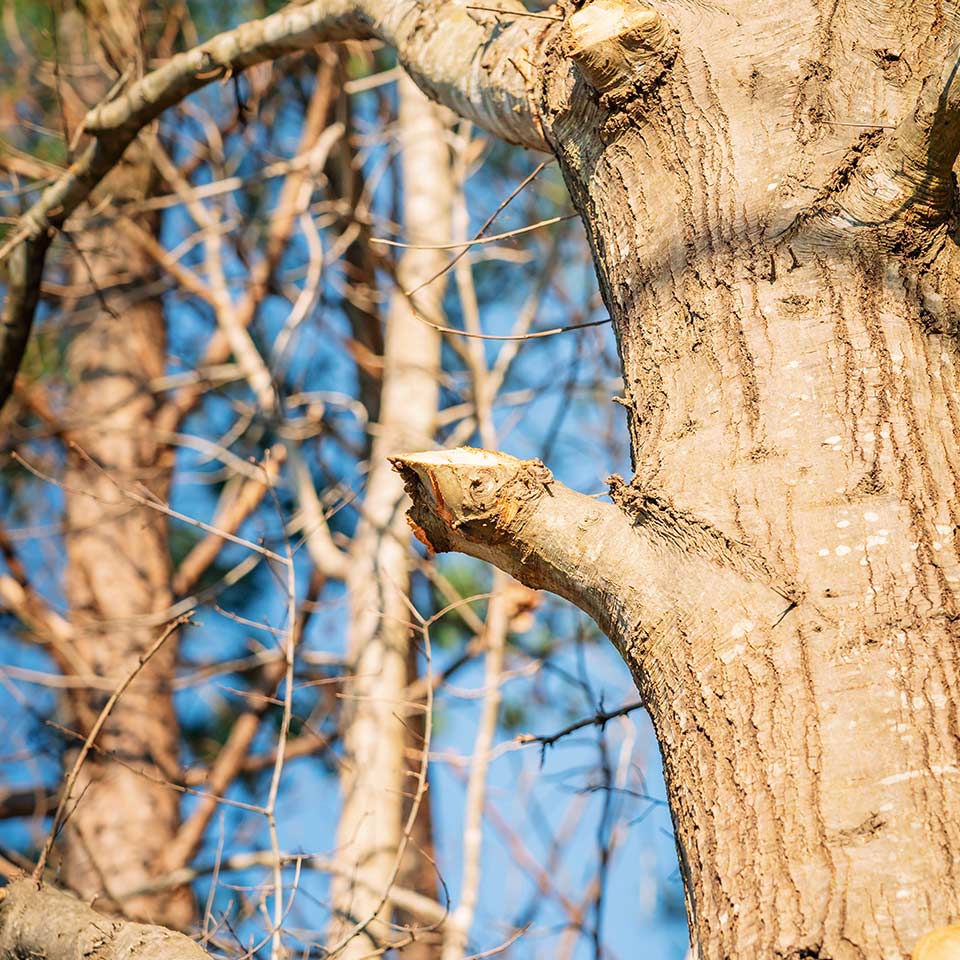
Placing cuts in the wrong spot can harm the tree’s healing process. It may lead to decay or disease.
Cutting too far from the branch collar or leaving stubs slows healing and invites pests.
- Cut just outside the branch collar
- Avoid cutting into the trunk or main stem
- Do not leave long branch stubs
Using Dull Tools
Dull pruning tools make rough cuts that damage bark and wood. This can slow healing and invite infection.
Sharp tools make clean cuts that help the tree recover faster and reduce damage.
- Sharpen tools before pruning
- Clean tools to prevent disease spread
- Use the right tool for the branch size
Signs Of Pruning Damage
Pruning helps trees grow strong if done right. Wrong pruning can hurt trees. Knowing the signs of pruning damage helps you care for trees well.
Damage can show in many ways. Look closely at the tree after pruning to spot problems early.
Visible Wounds And Decay
Cutting branches can leave wounds. If wounds do not heal, they may decay. Decay weakens the tree and invites pests.
- Large open cuts that do not close
- Dark or soft spots around pruning sites
- Fungal growth near wounds
- Cracks or splits in the bark
- Oozing sap or sticky substances
Stress Symptoms In Trees
Trees show stress after bad pruning. Stress signs warn that the tree is struggling to recover.
| Symptom | Description |
| Leaf Wilting | Leaves droop and look dry |
| Leaf Drop | Leaves fall off early |
| Slow Growth | New branches or leaves grow slowly |
| Discolored Leaves | Leaves turn yellow or brown |
| Dead Branches | Branches die back after pruning |
Safe Pruning Techniques
Pruning helps keep trees healthy and strong. It removes dead or weak branches safely.
Using the right pruning methods prevents damage and supports tree growth.
Timing For Pruning
Prune trees at the right time to avoid harm. Most trees do best when pruned in late winter or early spring.
Pruning during active growth can stress the tree and cause disease. Avoid pruning in late summer or fall.
- Prune deciduous trees before leaves appear
- Avoid pruning in freeze or drought times
- Fruit trees may need pruning after harvest
Proper Tools And Equipment
Use clean, sharp tools to make smooth cuts. Dull tools can tear bark and damage the tree.
Different tools fit different branches. Hand pruners work for small branches. Loppers cut medium branches. Saws handle large branches.
- Hand pruners for branches up to ¾ inch
- Loppers for branches up to 1½ inches
- Pruning saws for branches larger than 1½ inches
- Disinfect tools before use to prevent infection
Step-by-step Pruning Process
Start by removing dead or broken branches. Cut branches at the right spot to help healing.
Make cuts just outside the branch collar. Avoid cutting too close or leaving stubs.
- Locate the branch collar where the branch meets the trunk
- Cut outside the branch collar at a slight angle
- Remove crossing or rubbing branches
- Thin crowded areas to let light and air in
- Step back often to check the tree’s shape
Tree Species And Pruning Needs
Pruning trees helps keep them healthy and safe. Different tree types need different care. Knowing your tree species guides the right pruning method.
This guide explains pruning for deciduous and evergreen trees. It also shares species-specific tips to avoid harm.
Deciduous Vs Evergreen Trees
Deciduous trees lose leaves in fall and grow new ones in spring. Evergreen trees keep leaves all year. Pruning timing and methods differ for each.
- Deciduous trees: Prune in late winter or early spring before new growth starts.
- Evergreen trees: Prune in late winter or early summer to avoid stress.
- Deciduous pruningencourages strong branches and open structure.
- Evergreen pruningmaintains shape and controls size without heavy cuts.
Species-specific Guidelines
| Tree Species | Best Pruning Time | Pruning Tips |
|---|---|---|
| Maple | Late winter | Cut dead branches and avoid heavy pruning. |
| Pine | Late spring | Remove only new growth tips to keep shape. |
| Oak | Winter | Prune to reduce risk of disease spread. |
| Holly | Early summer | Shape lightly and remove crowded branches. |

Credit: www.russelltreeexperts.com
Aftercare For Pruned Trees
Pruning helps trees stay healthy but they need care afterward. Proper aftercare can prevent damage and support growth.
Taking simple steps like watering and checking the tree often helps it recover well from pruning.
Watering And Mulching
Watering is very important after pruning. Trees need enough water to heal cuts and grow new leaves.
Mulching keeps the soil moist and protects tree roots. It also stops weeds from growing too close to the tree.
- Water deeply once or twice a week, depending on rain
- Use mulch like wood chips or bark around the base
- Keep mulch a few inches away from the trunk to avoid rot
Monitoring Tree Health
Check your tree often after pruning. Look for signs of stress or disease like wilting leaves or discolored bark.
Early detection helps you fix problems fast. Healthy trees recover faster and grow stronger.
- Inspect branches and leaves regularly
- Watch for insect damage or fungus
- Remove any dead or broken branches immediately
When To Consult Professionals
Pruning trees helps them grow healthy and strong. But pruning the wrong way can hurt trees. Some pruning jobs need special skills.
Knowing when to ask a professional keeps your trees safe. Experts have the right tools and knowledge for tough pruning tasks.
Complex Pruning Jobs
Some trees have many branches that need careful cutting. Large or old trees need special care. Cutting too much or in the wrong place can damage the tree.
Professionals know how to prune complex trees. They avoid harming the tree’s health and shape.
- Removing large branches
- Pruning tall trees
- Shaping trees with many branches
- Dealing with diseased or damaged limbs
Safety Concerns
Pruning can be dangerous. Climbing trees and using sharp tools increase risks. Power lines near trees make pruning risky too.
Professionals follow safety rules. They have safety gear and training. Hire experts to avoid accidents and injuries.
Frequently Asked Questions
Can Pruning Harm Tree Health?
Improper pruning can damage trees by causing wounds that invite pests and diseases. Correct techniques protect tree health and encourage growth.
How Does Over-pruning Affect Trees?
Over-pruning removes too much foliage, reducing photosynthesis and weakening the tree. It also increases vulnerability to environmental stress.
When Is The Best Time To Prune Trees?
The best time to prune most trees is late winter or early spring. This timing minimizes stress and promotes healthy growth.
What Are Signs Of Pruning Damage On Trees?
Signs include discolored or dying branches, oozing sap, and increased pest activity. These indicate wounds or stress caused by poor pruning.
Conclusion
Pruning trees helps them grow healthy and strong. It removes dead branches, letting new ones thrive. But improper pruning can harm trees, causing stress or disease. Always prune with care and proper tools. Learning correct techniques ensures tree safety and vitality.
Hiring a professional arborist might be wise for large trees. This keeps your garden green and beautiful. Remember, a little knowledge goes a long way. So, take time to understand your tree’s needs. Healthy pruning equals healthy trees. Keep your trees happy and they’ll thank you with shade and beauty.
