
Is your lawn looking a little tired and patchy? You might be dealing with a thatch problem.
Thatch is a layer of dead grass, roots, and other organic material that can build up on your lawn over time. It can block air, water, and nutrients from reaching the soil, leaving your grass struggling to thrive. But don’t worry, you don’t need to be a lawn care expert to fix this.
With some simple DIY lawn dethatching tips, you can breathe new life into your grass without breaking the bank. In this guide, we’ll show you how to identify thatch, the tools you’ll need, and step-by-step instructions to restore your lawn’s lush, green appearance. Stick around to discover how you can transform your yard into the envy of the neighborhood with just a little effort. Your lawn will thank you!
Why Dethatching Matters
Dethatching is the process of removing a layer of dead grass and roots. This layer is called thatch. It sits between the soil and the green grass blades.
Too much thatch can harm your lawn. It blocks water, air, and nutrients from reaching grass roots. Dethatching helps your lawn stay healthy and grow strong.
Signs Your Lawn Needs Dethatching
Your lawn may need dethatching if the grass looks thin or patchy. You might also see spongy or soft areas when you walk on it.
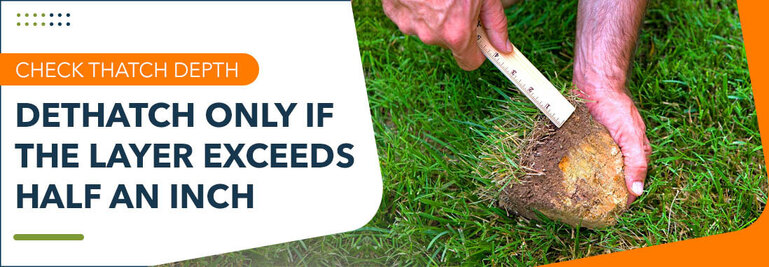
If water pools on the surface and does not soak in quickly, thatch buildup could be the cause. You can check by pulling up a small section of grass to see the layer beneath.
- Thin or patchy grass
- Spongy or soft spots when walking
- Water pooling on the lawn surface
- Layer of dead grass thicker than half an inch
Impact On Grass Health
Thatch stops water and nutrients from reaching grass roots. This weakens the grass and slows growth. Pests and diseases can also grow in thick thatch.
Removing thatch lets air, water, and nutrients reach the roots. This helps grass grow thicker and greener. It also makes your lawn stronger against drought and heat.

Credit: www.youtube.com
Choosing The Right Tools
Removing thatch from your lawn helps grass grow healthy. Using the right tools makes this job easier and more effective. This guide will help you pick the best tools for dethatching your lawn.
Different tools fit different lawn sizes and conditions. You can choose manual or power dethatchers. Also, some accessories make the task safer and neater.
Manual Vs. Power Dethatchers
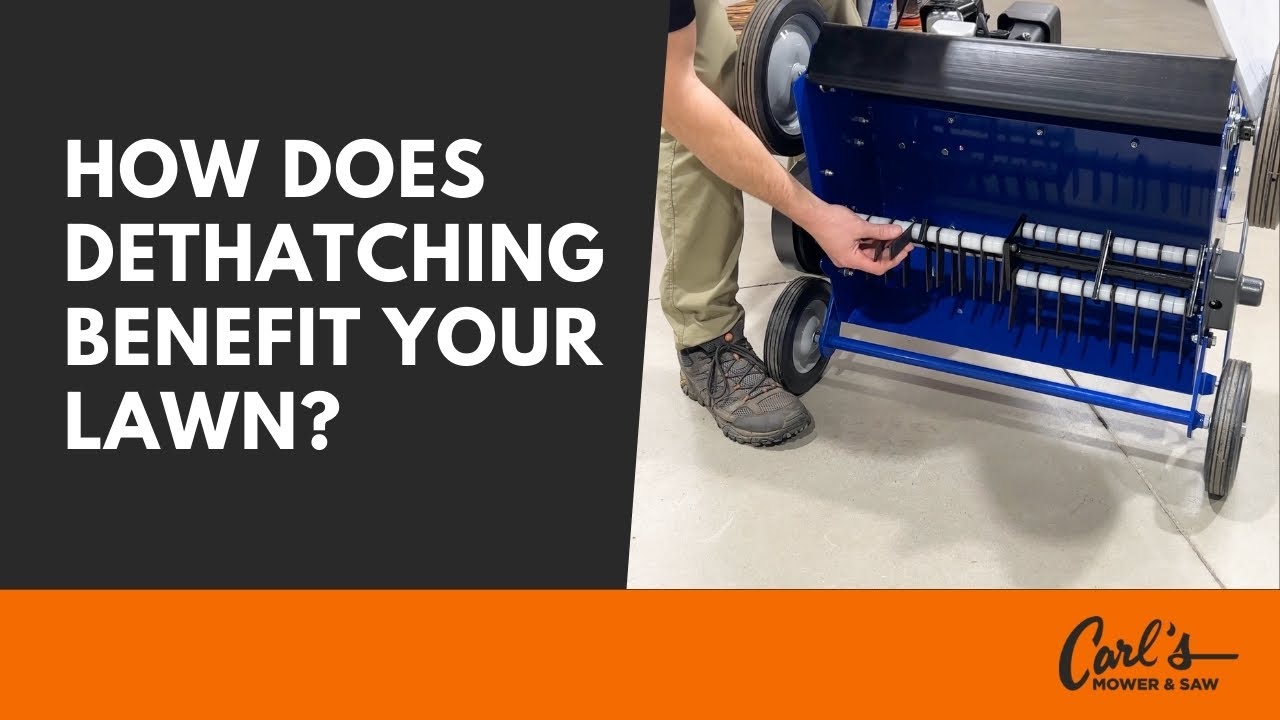
Manual dethatchers need physical effort but cost less. Power dethatchers use engines or motors to remove thatch quickly. Choose based on your lawn size and your energy level.
| Type | Best For | Pros | Cons |
| Manual Dethatcher | Small Lawns | Low cost, quiet | Labor intensive, slower |
| Electric Dethatcher | Medium Lawns | Easy to use, less effort | Needs power source, limited mobility |
| Gas-Powered Dethatcher | Large Lawns | Fast, powerful | Noisy, needs fuel and maintenance |
Essential Accessories
Using the right accessories improves safety and results. Gloves protect your hands. A rake helps collect loosened thatch. Eye protection guards against flying debris.
- Heavy-duty gloves to avoid blisters
- Protective glasses for eye safety
- Garden rake for clearing thatch
- Sturdy shoes for stable footing
- Ear protection if using loud power tools
Best Time To Dethatch
Dethatching your lawn helps remove dead grass and debris. This lets your grass breathe and grow better. Knowing the best time to dethatch improves lawn health.
This guide explains when to dethatch based on seasons and weather. Follow these tips for a healthy green lawn all year.
Seasonal Considerations
Dethatch your lawn during its active growth period. This helps grass recover quickly from dethatching damage. The best season depends on your grass type.
- For cool-season grasses, dethatch in early spring or early fall.
- For warm-season grasses, dethatch in late spring or early summer.
- Avoid dethatching in winter or late summer heat.
Optimal Weather Conditions
Choose a day with mild, dry weather for dethatching. This helps reduce stress on the grass and soil. Avoid dethatching when the ground is wet or frozen.
| Weather Condition | Why It Matters |
| Dry Soil | Prevents clogging of dethatching tools |
| Mild Temperature (60-75°F) | Supports quick lawn recovery |
| Low Wind | Reduces debris spreading |
| No Rain Forecast | Allows grass to heal before moisture |
Credit: www.youtube.com
Step-by-step Dethatching Process
Dethatching helps your lawn breathe better and grow healthy roots. It removes dead grass and debris that block water and nutrients.
Follow these clear steps to prepare, dethatch, and care for your lawn. Each step is easy to do with common tools.
Preparing Your Lawn
Start by mowing your lawn to a short height. This makes dethatching easier and more effective. Next, water your lawn lightly a day before dethatching. The soil should be moist but not soggy.
- Remove any sticks, rocks, and debris from the lawn
- Mark sprinkler heads or shallow irrigation lines to avoid damage
- Choose the right dethatching tool based on your lawn size and thatch thickness
Dethatching Techniques
You can dethatch your lawn using different tools. Rakes work well for small areas. Lawn dethatchers or power rakes suit larger lawns. Make sure to move the tool evenly over the grass.
- Start at one corner of the lawn
- Use short, firm strokes to pull out the thatch
- Work in rows to cover the entire lawn
- Rake up the loosened thatch and dispose of it
- Repeat the process if the thatch layer is very thick
Post-dethatching Care
After dethatching, your lawn needs gentle care to recover quickly. Water the lawn deeply to help the roots grow. Avoid heavy foot traffic for several days.
| Care Action | Purpose | Timing |
| Watering | Soften soil and support new growth | Immediately after dethatching and daily for one week |
| Fertilizing | Provide nutrients for recovery | About one week after dethatching |
| Mowing | Keep grass healthy and neat | Wait until grass grows back to normal height |
| Reducing foot traffic | Prevent soil compaction and stress | First 3 to 5 days after dethatching |
Common Mistakes To Avoid
Dethatching your lawn helps remove dead grass and debris. It allows your lawn to breathe and grow well. Doing it yourself can save money but needs care.
Some common mistakes can harm your lawn instead of helping. Avoid these errors to keep your grass healthy and green.
Over-dethatching Risks
Removing too much thatch can hurt your lawn’s roots. It can cause bare spots and weak grass growth. Your lawn needs some thatch to protect it.
Over-dethatching can also stress your lawn. It may lead to disease or pest problems. Be careful not to do it too often or too deeply.
- Do not dethatch more than twice a year
- Adjust dethatching depth to avoid root damage
- Stop if you see bare soil after dethatching
- Use the right tools for your lawn type
Ignoring Lawn Recovery
Your lawn needs time to recover after dethatching. Skipping recovery steps can cause stress and slow growth. Water and feed your lawn properly after the process.
Ignoring recovery can let weeds take over bare spots. It also makes your lawn weak against weather changes. Follow a recovery plan to keep grass healthy.
- Water your lawn deeply after dethatching
- Apply fertilizer to support new growth
- Avoid heavy foot traffic on the lawn for a week
- Reseed bare patches if needed
Credit: www.yourgreenpal.com
Enhancing Lawn Recovery
Dethatching your lawn removes dead grass and helps soil breathe. This speeds up recovery and growth.
Use these tips on fertilizing, watering, and aeration to help your lawn stay green and healthy.
Fertilizing Tips
Fertilizer gives your lawn the nutrients it needs to grow strong after dethatching. Use a balanced fertilizer with nitrogen, phosphorus, and potassium.
- Apply fertilizer soon after dethatching to support new growth.
- Choose slow-release fertilizer for steady feeding.
- Follow the recommended amount on the package to avoid burning grass.
- Use fertilizer suitable for your grass type.
Watering Strategies
Water helps fertilizer soak into the soil and keeps grass roots healthy. Proper watering speeds up lawn recovery after dethatching.
- Water deeply but less often to encourage strong root growth.
- Water early in the morning to reduce evaporation.
- Keep soil moist but not soggy.
- Avoid watering in the evening to prevent diseases.
Aeration Benefits
Aeration makes small holes in the soil. This improves air, water, and nutrient flow to grass roots.
| Benefit | Description |
| Improves Soil | Reduces soil compaction for better root growth. |
| Enhances Water Flow | Helps water reach deeper into the soil. |
| Boosts Nutrients | Allows fertilizer to penetrate better. |
| Reduces Thatch | Breaks up thatch layer to improve lawn health. |
Eco-friendly Dethatching Alternatives
Dethatching removes dead grass and roots from your lawn. It helps the grass grow better. You can dethatch without using harmful tools or chemicals.
Eco-friendly options protect the soil and insects. They keep your lawn healthy and green naturally.
Natural Thatch Breakdown
Thatch is dead grass and roots that build up on the soil. Natural breakdown uses simple ways to remove thatch slowly. This keeps the lawn healthy without damage.
Raking lightly helps break up thatch. Composting the raked thatch adds nutrients back to the soil. This method avoids heavy machines and chemicals.
- Rake the lawn gently in dry weather
- Collect and compost the thatch
- Spread compost on your lawn to feed grass
- Water the lawn to help microbes grow
Using Beneficial Microbes
Beneficial microbes break down thatch naturally. They live in the soil and feed on dead plant material. Adding microbes speeds up thatch decay and improves soil health.
You can buy microbial products or make your own compost tea. These microbes help grass roots grow strong. They reduce the need for dethatching machines.
- Apply microbial solutions to moist soil
- Use compost tea made from healthy compost
- Water the lawn after applying microbes
- Avoid pesticides that kill helpful microbes
Frequently Asked Questions
What Is Lawn Dethatching And Why Is It Important?
Lawn dethatching removes thick layers of dead grass and debris. It improves air, water, and nutrient flow to grass roots. This helps your lawn grow healthier and greener by preventing disease and promoting strong root development.
When Is The Best Time To Dethatch Your Lawn?
The best time to dethatch is during your lawn’s active growing season. For cool-season grasses, dethatch in early spring or fall. For warm-season grasses, late spring to early summer works best. This timing ensures quick recovery and minimal stress.
How Often Should You Dethatch Your Lawn?
Dethatch your lawn every 2 to 3 years or when thatch exceeds half an inch. Over-dethatching can damage grass roots, while under-dethatching leads to poor lawn health. Regular checks help maintain a balanced thatch layer for optimal growth.
What Tools Are Needed For Diy Lawn Dethatching?
Common tools include a dethatching rake, power dethatcher, or vertical mower. Choose based on lawn size and thatch thickness. Hand rakes suit small areas, while power dethatchers handle larger lawns efficiently, saving time and effort.
Conclusion
Dethatching your lawn helps grass grow strong and healthy. Regular care stops thick thatch from hurting your yard. Use simple tools and follow easy steps for best results. Small efforts now save bigger problems later. Watch your lawn breathe and look fresh again.
Keep dethatching part of your yearly garden routine. A healthy lawn means more fun outside and less work later. Give your grass the care it needs to thrive.
