
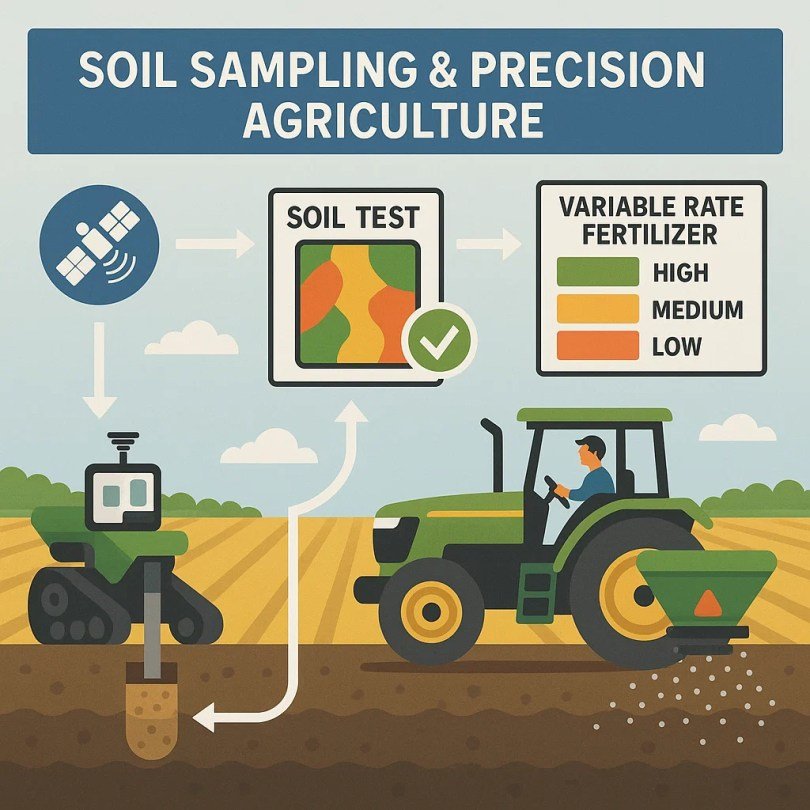
Are you planning to boost the health and productivity of your garden or farm? Before you reach for that bag of fertilizer, there’s a crucial step you might be overlooking: soil testing.
You might wonder why this extra step is necessary, especially if you’re eager to see your plants flourish. But here’s the secret: understanding your soil’s unique needs can make all the difference. Imagine saving time, money, and effort while achieving lush, thriving plants.
Intrigued? This article will reveal why testing your soil before fertilizing is the key to unlocking your garden’s full potential. Stay with us to discover how this simple act can transform your gardening experience and lead to remarkable results.
Benefits Of Soil Testing
Testing soil before adding fertilizer helps farmers and gardeners understand what their soil needs. It shows the nutrients present and what is missing.
Knowing soil health leads to better decisions for fertilizing. This saves money and protects the environment.
Improved Plant Growth
Soil testing reveals nutrient levels and pH balance. Plants grow better when they get the right nutrients in the right amounts.
Using the correct fertilizer helps roots develop strong and supports healthy leaves and flowers.
Cost Savings On Fertilizers
Soil tests prevent buying unneeded fertilizers. This reduces waste and lowers costs.
Fertilizers are expensive, so using only what is needed saves money over time.
- Apply only necessary nutrients
- Avoid over-fertilizing
- Reduce fertilizer waste
Environmental Protection
Too much fertilizer can harm water and soil quality. Soil testing helps avoid this problem.
Proper fertilizing keeps ecosystems safe and reduces pollution of rivers and lakes.

Credit: www.familyhandyman.com
Key Soil Nutrients To Check
Testing soil before fertilizing helps farmers and gardeners know what nutrients are missing. This makes plants grow strong and healthy.
Soil nutrients affect plant growth. Checking key nutrients saves money and avoids over-fertilizing.
Nitrogen Levels
Nitrogen is important for leaf growth. It helps plants make green leaves and grow fast.
Too little nitrogen makes plants yellow and weak. Too much can harm the environment.
- Look for nitrogen in nitrate or ammonium form
- Test soil in spring before planting
- Adjust fertilizer based on nitrogen levels
Phosphorus And Potassium
Phosphorus helps roots grow strong. It also helps flowers and fruits develop well.
Potassium improves overall plant health. It helps plants resist diseases and tolerate drought.
| Nutrient | Main Role | Signs of Deficiency |
|---|---|---|
| Phosphorus | Strong roots, flower and fruit growth | Poor root growth, delayed maturity |
| Potassium | Plant health, disease resistance | Weak stems, leaf edges turn brown |
Ph Balance
Soil pH shows how acidic or alkaline the soil is. It affects how plants absorb nutrients.
Most plants grow best when pH is between 6 and 7. Too low or high pH can stop nutrient uptake.
- Test pH before adding fertilizer
- Use lime to raise pH if soil is acidic
- Use sulfur to lower pH if soil is alkaline
Common Soil Problems Identified
Testing soil before fertilizing helps find issues that affect plant growth. It shows what the soil lacks or has too much of.
Knowing soil problems lets you add the right nutrients. It also protects plants and the environment.
Nutrient Deficiencies
Soil can lack key nutrients like nitrogen, phosphorus, and potassium. These nutrients are important for healthy plants.
- Nitrogen helps leaves grow green and strong.
- Phosphorus supports root and flower development.
- Potassium improves overall plant health and disease resistance.
- Calcium and magnesium are also needed for strong cell walls.
Soil Contamination
Contaminants in soil can harm plants and animals. These may come from chemicals, waste, or polluted water.
| Type | Source | Effect |
| Heavy Metals | Industrial waste | Poison plants and reduce growth |
| Pesticides | Farm chemicals | Kill beneficial soil microbes |
| Salts | Over-fertilizing | Damage roots and block water uptake |
Imbalanced Ph
Soil pH measures how acidic or alkaline the soil is. Plants grow best in certain pH ranges.
Common pH problems include:
- Acidic soil (low pH) can cause nutrient locks.
- Alkaline soil (high pH) reduces nutrient availability.
- Neutral pH is best for most plants.
How To Collect Soil Samples
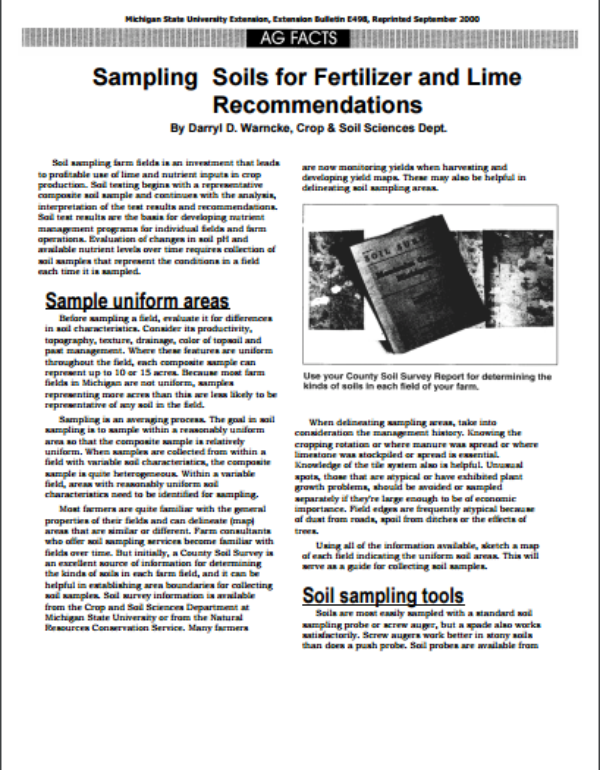
Testing soil before adding fertilizer is important. It helps you know what your soil needs. Collecting soil samples is the first step.
Good samples give accurate results. Follow these steps to collect soil samples the right way.
Tools Needed
Use the right tools to collect soil samples easily and cleanly. Basic tools work well for most gardens.
- Soil probe or garden trowel
- Clean plastic bucket or container
- Plastic bags or sample containers
- Permanent marker for labeling
- Gloves to keep hands clean
Sampling Techniques
Take samples from several spots in your area. This gives a true picture of soil health. Avoid unusual spots like compost piles.
Dig 6 to 8 inches deep. Remove a small slice of soil from each spot. Mix all soil pieces in your container.
- Choose 10 to 15 random spots
- Dig 6 to 8 inches deep
- Take a thin slice of soil
- Mix soil in a clean bucket
- Fill sample bags with mixed soil
Timing For Testing
Test soil at the right time for best results. Soil changes with seasons and weather. Testing at the wrong time can give wrong answers.
Test soil before planting or fertilizing. Early spring or fall work well. Avoid testing when soil is very wet or frozen.
- Test before planting season
- Early spring or fall is best
- Avoid very wet or frozen soil
- Test every 2-3 years for good care
Interpreting Soil Test Results
Soil testing shows the health of your soil. It tells you what nutrients are present and what is missing.
Understanding these results helps you use fertilizers wisely. It also guides you to fix soil problems for better plant growth.
Reading Nutrient Levels
Soil tests list key nutrients like nitrogen, phosphorus, and potassium. Each nutrient has a number showing how much is in the soil.
| Nutrient | Role | Low Level Effect | High Level Effect |
| Nitrogen (N) | Helps leaves grow | Yellow leaves, slow growth | Too much can burn plants |
| Phosphorus (P) | Supports roots and flowers | Poor root growth, few flowers | Can cause nutrient imbalance |
| Potassium (K) | Strengthens stems and disease resistance | Weak plants, more disease | May harm soil microbes |
Adjusting Fertilizer Use
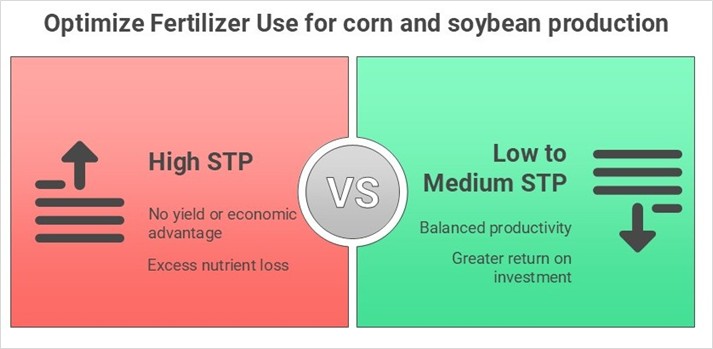
Use soil test results to decide fertilizer amounts. Add only what the soil needs. This saves money and protects the environment.
- Apply more fertilizer if nutrient levels are low
- Reduce fertilizer if nutrients are adequate or high
- Use balanced fertilizers based on test recommendations
- Retest soil every 1-3 years to adjust fertilizer plans
Correcting Soil Ph
Soil pH shows how acidic or alkaline your soil is. Plants grow best in certain pH ranges.
If pH is too low (acidic), add lime to raise it. If pH is too high (alkaline), add sulfur or peat moss to lower it.
Choosing The Right Fertilizer
Testing soil before fertilizing helps pick the best fertilizer. It shows what nutrients the soil needs.
Using the right fertilizer saves money and protects plants from harm. It also helps the environment.
Organic Vs. Synthetic Options
Organic fertilizers come from natural sources like compost and manure. They release nutrients slowly.
Synthetic fertilizers are made in factories. They provide nutrients quickly but may harm soil life.
- Organic options improve soil structure over time
- Synthetic options give fast results for nutrient deficiencies
- Choose based on soil test results and crop needs
Targeted Nutrient Application
Soil tests show exactly which nutrients are low or high. This helps avoid too much or too little fertilizer.
| Nutrient | Effect of Deficiency | Effect of Excess |
| Nitrogen (N) | Yellow leaves, slow growth | Leaf burn, water pollution |
| Phosphorus (P) | Poor root growth, weak plants | Algae growth in water |
| Potassium (K) | Weak stems, brown leaf edges | Reduced uptake of other nutrients |
Application Methods
Different fertilizers need different ways to apply. Soil tests help decide the best method.
- Broadcasting spreads fertilizer evenly over soil
- Banding places fertilizer near plant roots
- Foliar feeding sprays nutrients on leaves
- Side dressing adds fertilizer beside growing plants
Maintaining Soil Health Over Time
Testing soil before fertilizing helps keep the soil healthy for years. It shows what nutrients the soil needs and what it already has.
Good soil health supports strong plants and better crop yields. Regular care is key to avoid nutrient problems and soil damage.
Regular Testing Schedule
Soil changes over time. Testing it regularly helps track these changes and guides fertilizer use. A common schedule is to test soil every 2 to 3 years.
- Test soil before planting a new crop.
- Check soil after heavy rain or drought.
- Retest every few years to monitor changes.
Crop Rotation Benefits
Rotating crops helps maintain balanced soil nutrients. Different plants use and add different nutrients. This reduces nutrient depletion and soil fatigue.
| Crop Type | Soil Impact |
| Legumes | Add nitrogen to soil |
| Root vegetables | Break up soil for better air flow |
| Leafy greens | Use nutrients near soil surface |
Adding Organic Matter
Organic matter improves soil structure and nutrient content. It helps soil hold water and supports healthy microbes.
- Compost adds nutrients slowly and naturally.
- Cover crops protect soil and add organic material.
- Mulch keeps soil moist and cool.
Credit: www.canr.msu.edu
Credit: www.canr.msu.edu
Frequently Asked Questions
Why Is Soil Testing Important Before Fertilizing?
Soil testing reveals nutrient levels and pH balance. It helps choose the right fertilizer and avoid over-application. This saves money and protects plants from nutrient imbalances or toxicity.
How Does Soil Testing Improve Fertilizer Efficiency?
Testing soil identifies deficiencies or excesses. This allows precise fertilizer use tailored to plant needs. It ensures better nutrient uptake and healthier plant growth with minimal waste.
Can Soil Testing Prevent Environmental Damage?
Yes, soil testing prevents excess fertilizer use that can pollute water. It promotes sustainable gardening by reducing runoff and protecting soil health.
How Often Should Soil Be Tested Before Fertilizing?
Test soil every 2 to 3 years or before major planting. Frequent testing ensures accurate nutrient management and maintains soil fertility.
Conclusion
Testing soil before fertilizing saves time and money. It shows what nutrients your soil needs most. Adding the right fertilizer helps plants grow healthy and strong. Avoids wasting chemicals that harm the environment. Soil tests guide you to improve your garden naturally.
Start with a simple soil test for better results. Smart gardening begins with knowing your soil well. Why guess when you can be sure?
