
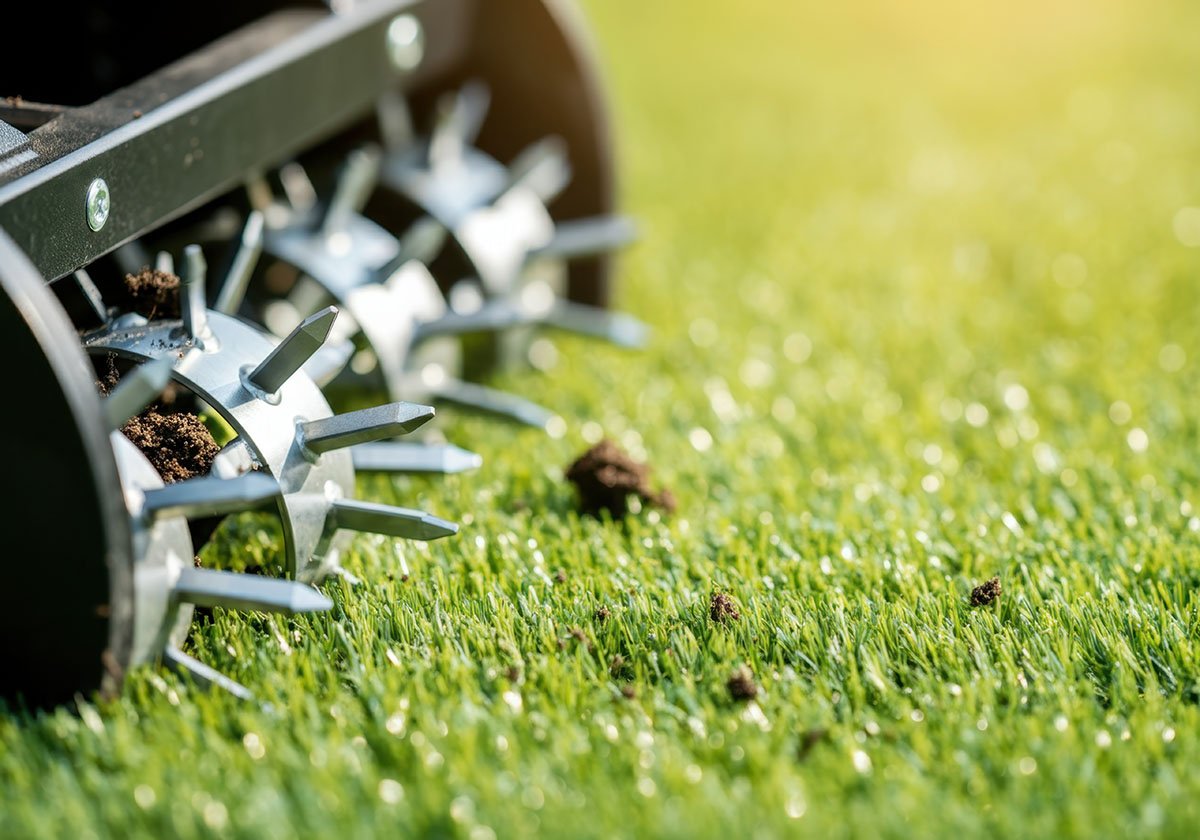
Ever wonder why your lawn doesn’t look as lush and vibrant as you’d like, despite all your hard work? The secret might lie beneath the surface.
Aerating your yard in the fall can be a game-changer, breathing new life into your grass. But timing is everything. Choosing the best moment to aerate can make all the difference between a yard that thrives and one that just survives.
You may have heard of aeration, but knowing exactly when to do it can maximize its benefits and transform your lawn into the envy of the neighborhood. Curious about when to take action for the best results? Read on to discover the optimal timing and techniques that will give your yard the healthy boost it needs.
Credit: puregreenllc.com
Benefits Of Fall Aeration
Aerating your yard in the fall helps keep your soil healthy. It makes your grass stronger and greener for the next year.
Fall aeration improves how air, water, and nutrients reach the roots. This makes your yard grow better and stay more resilient.
Improved Soil Oxygen Levels
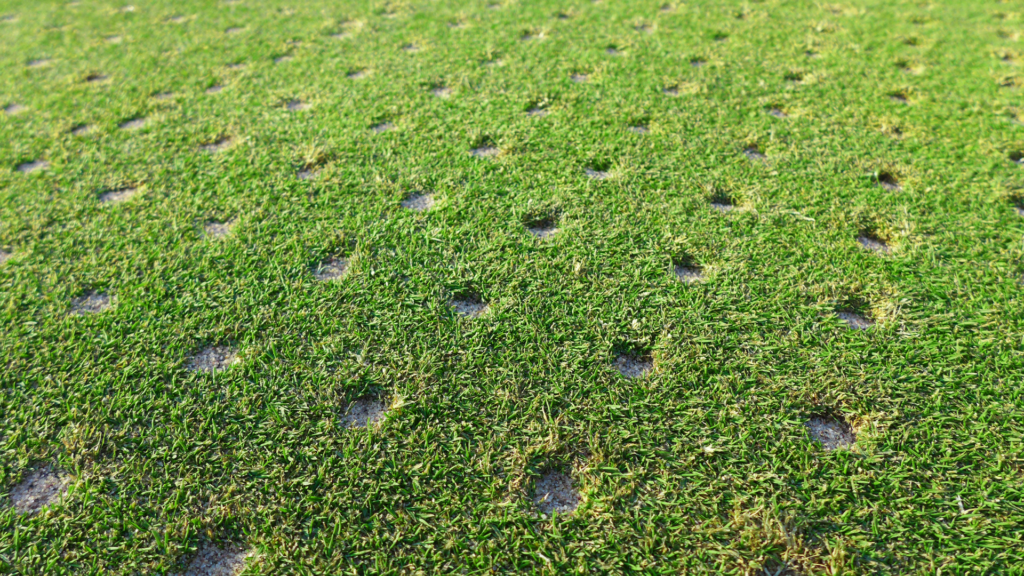
Aeration opens small holes in the soil. These holes let air flow deeper and reach grass roots easier. Oxygen helps roots grow and stay healthy.
Enhanced Nutrient Absorption
When soil is aerated, nutrients get to roots more quickly. This helps grass absorb food better and grow stronger.
- Fertilizers reach roots faster
- Water moves deeper into the soil
- Grass uses nutrients more efficiently
Reduced Soil Compaction
Soil gets hard and tight from foot traffic and weather. Aeration breaks up this hard soil to make space for roots to grow.
| Problem | Benefit of Aeration |
| Hard soil | Loosens soil for root growth |
| Poor water drainage | Improves water absorption |
| Stressed grass | Helps grass recover and thrive |
Ideal Weather Conditions
Aerating your yard in the fall helps grass grow strong before winter. The weather should be just right to get the best results. Knowing the ideal weather conditions can help you plan the best time to aerate.
Good weather makes it easier for the soil to absorb air and nutrients. This guide covers the best temperature, moisture, and frost conditions for aeration.
Temperature Range
The best temperatures for aerating your yard are cool but not freezing. Aim for daytime temperatures between 50°F and 70°F. These temperatures keep grass growing and help soil heal quickly.
Moisture Levels
Soil should be moist but not soggy when you aerate. Moist soil is easier to penetrate and breaks apart better. Dry soil makes aeration hard and less effective.
- Check soil moisture a day before aerating.
- Water your yard if the soil feels dry.
- Avoid aerating right after heavy rain.
- Ideal soil moisture feels like a damp sponge.
Avoiding Frost And Drought
Aerate before frost arrives to protect grass roots. Frost makes soil hard and damages plants. Drought also stresses grass and lowers aeration benefits.
| Condition | Effect on Aeration | Tip |
| Frost | Hard soil, root damage | Aerate early fall |
| Drought | Dry soil, poor results | Water lawn before aerating |
| Ideal | Moist soil, no frost | Best for aeration |
Optimal Timing For Aeration
Aerating your yard in the fall helps grass grow strong roots. It improves air, water, and nutrient flow in the soil.
Choosing the right time to aerate can make a big difference. Let’s look at the best times and signs for aeration in the fall.
Early Vs. Late Fall
Early fall aeration helps grass recover from summer heat. Late fall aeration prepares the lawn for winter. Both have benefits.
- Early Fall:Aerate when soil is warm and moist.
- Late Fall:Aerate before the first frost.
- Early aeration encourages root growth and nutrient uptake.
- Late aeration reduces soil compaction before winter dormancy.
Signs Your Lawn Needs Aeration
Look for these signs to know if your lawn needs aeration:
- Water pools on the surface after rain.
- Grass looks thin or patchy.
- Soil feels hard and compacted.
- Heavy foot or pet traffic areas.
- Excessive thatch buildup on the grass.
Local Climate Considerations
Local weather affects the best time to aerate. Cool, moist climates may allow later aeration than hot, dry areas.
| Climate Type | Best Aeration Time |
| Cool and Wet | Late Fall before frost |
| Warm and Dry | Early Fall when soil is moist |
| Mixed Seasons | Mid to Early Fall |
Aeration Techniques And Tools
Aerating your yard helps the soil breathe and lets water reach the roots. It is an important step to keep grass healthy, especially in the fall.
There are different ways and tools for aeration. Choosing the right method can make the process easier and more effective.
Core Aerators Vs. Spike Aerators
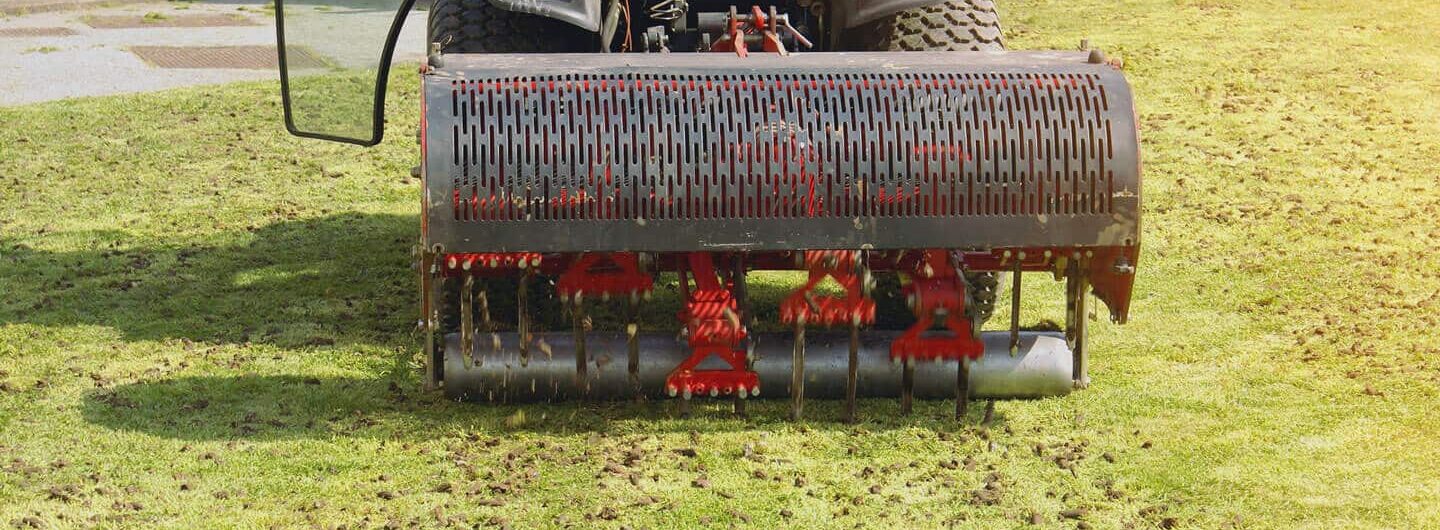
Core aerators pull out small plugs of soil from the ground. This helps reduce soil compaction and allows air, water, and nutrients to reach roots better.
Spike aerators make holes by pushing spikes into the soil. They do not remove soil but create openings for air and water.
- Core aerators improve soil health more deeply.
- Spike aerators are easier to use on softer soil.
- Core aerators work best for heavy, compacted yards.
- Spike aerators work well for light aeration needs.
Diy Vs. Professional Services
You can aerate your yard yourself or hire a professional. Doing it yourself saves money but takes more time and effort.
Professionals have machines that work fast and cover large areas. They also know the right techniques for your yard type.
| Option | Pros | Cons |
| DIY | Cost-effective, flexible schedule | Time-consuming, needs effort |
| Professional | Quick, expert knowledge | Costs more, less control |
Frequency Of Aeration
The frequency depends on your soil type and lawn use. Lawns with heavy clay soil need more frequent aeration.
- Lawns with clay soil: aerate every 1-2 years.
- Sandy or loose soil: aerate every 3 years.
- High-traffic yards: aerate once a year.
- New lawns: aerate before planting.
Post-aeration Lawn Care
After aerating your yard in fall, proper care helps your lawn recover. Good care boosts grass growth and health.
Follow simple steps to keep your lawn green and strong after aeration.
Seeding And Fertilizing Tips
Apply grass seed right after aeration. The holes help seeds reach soil easily. Use a fertilizer with balanced nutrients for best results.
- Choose a seed type that matches your grass
- Spread seed evenly over aerated areas
- Use a slow-release fertilizer for steady feeding
- Avoid over-fertilizing to prevent burning
- Lightly rake seeded areas to mix seeds with soil
Watering Guidelines
Water your lawn gently but deeply after aeration. Keep soil moist to help seeds germinate. Avoid heavy watering that causes runoff.
| Time After Aeration | Watering Frequency | Water Amount |
| First 2 weeks | Daily | Light, to keep soil moist |
| Weeks 3-4 | Every 2-3 days | Deeper watering to reach roots |
| After 4 weeks | Once a week | 1 inch of water per week |
Managing Thatch And Debris
Remove dead grass and leaves to let air reach the soil. Thatch can block water and nutrients. Use a rake or lawn vacuum to clean the lawn.
Tips for managing thatch and debris:
- Rake the lawn gently after aeration
- Clear away fallen leaves regularly
- Use a dethatching rake if thatch is thick
- Keep debris away to prevent mold growth
Credit: weedbustersonline.com
Common Mistakes To Avoid
Aerating your yard in the fall is important for healthy grass growth. Many people make mistakes that reduce the benefits of aeration.
Avoid these common errors to keep your lawn strong and green through the winter and next spring.
Aerating Dry Or Frozen Soil
Aerating dry or frozen soil can harm your lawn and damage your aerator. The spikes cannot penetrate well and may tear roots.
Wait for moist soil but avoid aerating when the ground is frozen solid. Moist soil allows better hole creation and root growth.
- Check soil moisture before aerating
- Do not aerate if soil is hard or frozen
- Aerate after light rain or watering
Over-aerating
Doing too much aeration can stress your lawn. It can damage the roots and cause more harm than good.
Stick to aerating once or twice a year, usually in early fall. Let your lawn recover before aerating again.
- Aerate only when needed, not too often
- Follow recommended aeration schedules
- Watch your lawn’s health for signs of stress
Ignoring Lawn Type Differences
Different grasses have different needs. Warm-season and cool-season grasses respond differently to aeration.
Know your grass type before aerating. This helps you choose the best time and method for your lawn.
- Cool-season grasses like aeration in early fall
- Warm-season grasses benefit more from late spring aeration
- Adjust aeration depth based on grass root length
Credit: naturesseed.com
Frequently Asked Questions
When Is The Best Time To Aerate Your Yard In Fall?
The ideal time to aerate your yard in fall is early to mid-fall. This allows grass roots to recover before winter. Aerating when soil is moist helps the process. Avoid aerating during frost or heavy rain for best results.
Why Should I Aerate My Yard In The Fall Season?
Aerating in fall improves soil oxygen, water, and nutrient absorption. It reduces soil compaction caused by summer use. Fall aeration promotes stronger root growth before winter. This leads to a healthier, greener lawn in spring.
How Often Should I Aerate My Yard Each Fall?
Most lawns benefit from aeration once every fall. Lawns with heavy foot traffic or clay soil may need twice a year. Over-aerating can stress grass, so stick to recommended frequency. Check soil condition to decide the best schedule.
Can I Aerate My Yard Too Late In The Fall?
Aerating too late risks grass damage due to cold weather. Grass needs time to heal before winter sets in. Late fall aeration can expose roots to frost. Aim for early to mid-fall for safe aeration timing.
Conclusion
Aerating your yard in fall helps grass grow strong and healthy. The cooler weather and moist soil make it easier. Your lawn gets more air, water, and nutrients. This prepares grass for winter and spring growth. Choose a dry day for best results.
Regular aeration improves soil and reduces thatch buildup. Keep your yard green and vibrant by aerating at the right time. Simple care now saves problems later. Your lawn will thank you with lush, thick grass.
