

Imagine stepping into your garden, ready to tackle the fallen leaves that have blanketed your lawn. You might be wondering, “Is a battery leaf vacuum up for the job?”
This question is more common than you think. If you’re tired of wrestling with cords or the noise of gas-powered machines, battery-operated leaf vacuums might seem like the perfect solution. But are they really powerful enough to meet your needs?
We’ll explore the capabilities of battery leaf vacuums, so you can decide if they’re the right tool for your autumn cleanup. Get ready to discover how these modern marvels could change the way you manage your outdoor space, while saving you time and effort.
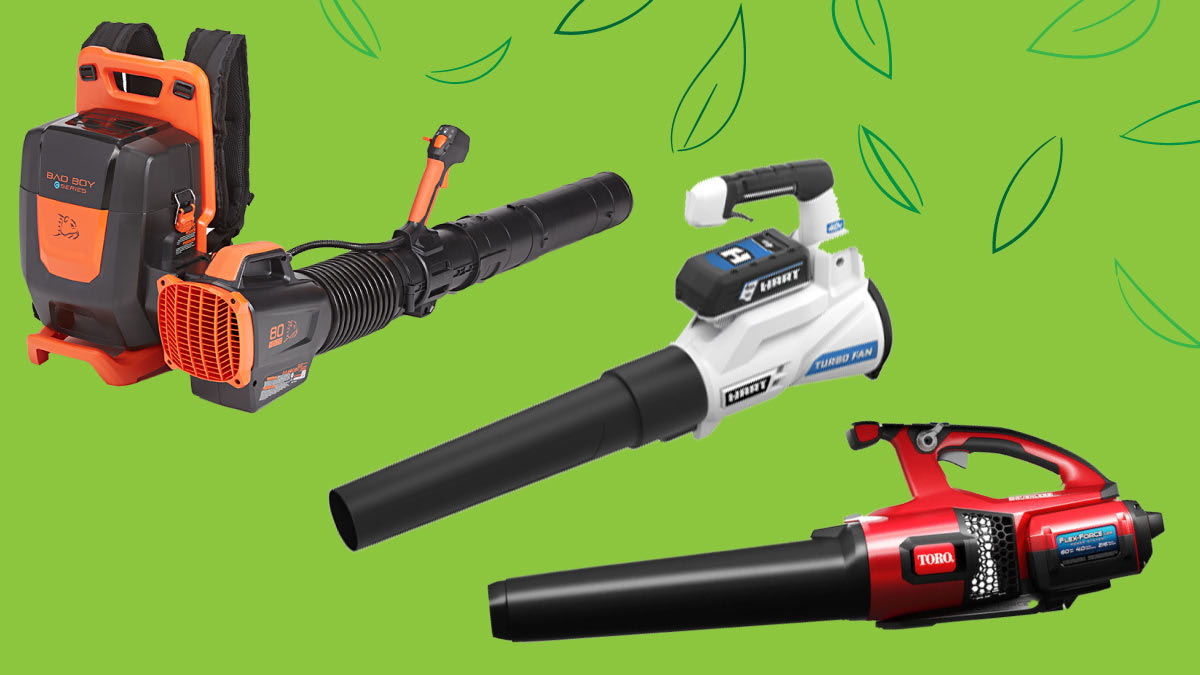
Credit: www.consumerreports.org
Battery Leaf Vacuum Basics
Battery leaf vacuums use rechargeable batteries to power their motors. They offer a cordless way to clean leaves and debris.
These tools are lighter and quieter than gas-powered models. Understanding their basics helps decide if they fit your needs.
How Battery Power Works
Battery leaf vacuums run on lithium-ion or nickel-cadmium batteries. The battery provides electric energy to the motor.
- Lithium-ion batteries last longer and charge faster.
- Nickel-cadmium batteries are less expensive but heavier.
- Battery capacity is measured in ampere-hours (Ah).
- Higher capacity means longer run time.
- Battery voltage affects the vacuum’s power.
Common Features
| Feature | Description |
| Variable Speed | Adjust power to save battery or increase suction. |
| Lightweight Design | Easy to carry and use for longer periods. |
| Bag or Collection Bin | Collects leaves and debris for easy disposal. |
| Blower and Vacuum Modes | Switch between blowing leaves or vacuuming them up. |
| Battery Indicator | Shows remaining battery life during use. |
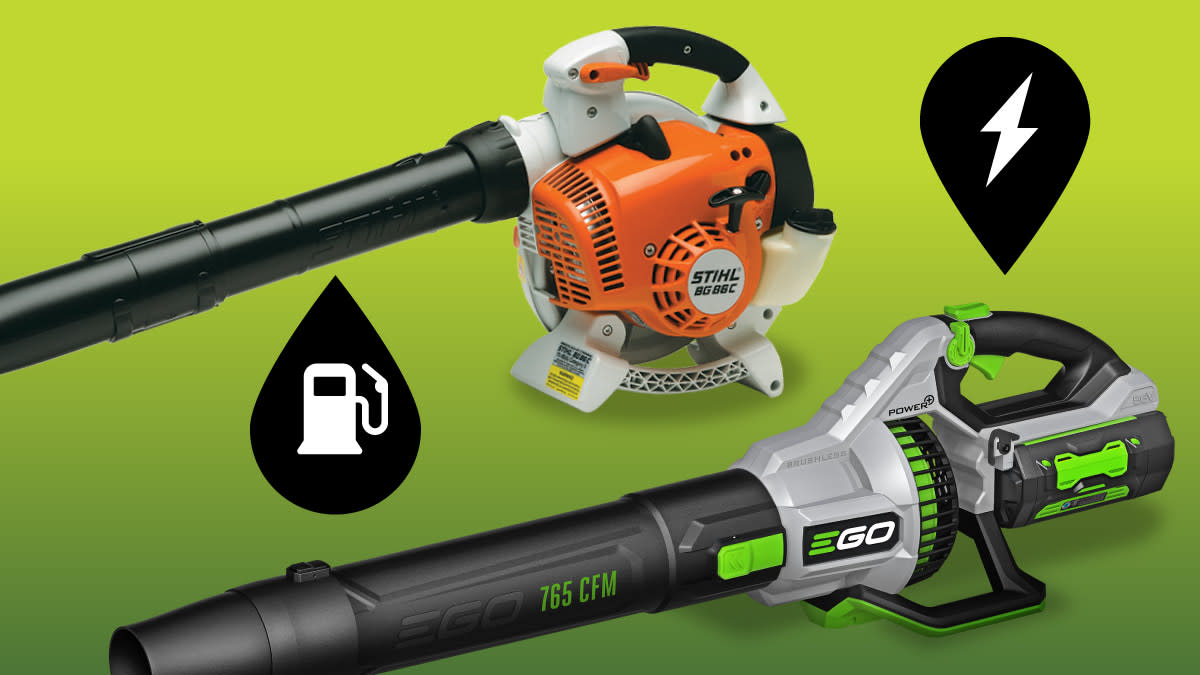
Credit: www.consumerreports.org
Performance Factors
Battery leaf vacuums offer a cordless way to clean leaves and debris. Their performance depends on several key factors. Understanding these helps you choose the right tool for your yard.
We will look at suction power, battery life, and how easy the vacuum is to handle. These elements affect how well the vacuum works and how comfortable it is to use.
Suction Power Metrics
Suction power determines how well a battery leaf vacuum picks up leaves and debris. It is often measured in cubic feet per minute (CFM) and miles per hour (MPH) of air speed. Higher numbers mean stronger suction and better leaf pickup.
- CFM shows how much air the vacuum moves.
- MPH measures the speed of the air flow.
- Both affect how easily the vacuum handles wet or heavy leaves.
Battery Life And Runtime
Battery life affects how long you can use the vacuum before recharging. Runtime varies based on battery size and the vacuum’s power settings. Longer runtime means you can clean larger areas without stopping.
| Battery Type | Average Runtime | Recharge Time |
| 18V Lithium-ion | 20-30 minutes | 30-60 minutes |
| 40V Lithium-ion | 40-60 minutes | 60-90 minutes |
| 60V Lithium-ion | 60-80 minutes | 90-120 minutes |
Weight And Maneuverability
Weight affects how easy it is to carry and move the vacuum. Lighter models reduce fatigue during long use. Maneuverability means how well you can reach tight spaces and control the vacuum.
- Lighter vacuums are easier to hold for long periods.
- Good balance helps reduce strain on wrists and arms.
- Compact designs improve access to corners and flower beds.
Comparing With Gas Models
Battery leaf vacuums have grown popular for yard cleaning. Many wonder if they match the power of gas models. Both types help clear leaves but work differently.
This comparison looks at power, noise and emissions, and maintenance needs. It helps you understand what each model offers.
Power Differences
Gas leaf vacuums usually have stronger engines. They can handle large piles and wet leaves better. Battery models are improving but still less powerful.
Battery vacuums are best for small to medium yards. They work well for dry leaves and light debris. Gas models suit heavy-duty jobs and long use.
- Gas models deliver higher suction power.
- Battery models have limited runtime and power.
- Battery vacuums are lighter and easier to handle.
Noise And Emissions
Gas leaf vacuums make more noise than battery ones. They also produce fumes that can harm the environment. Battery vacuums run quietly and have no emissions.
Quiet operation suits neighborhoods and noise rules. Battery models are better for indoor or close-to-home use. Gas vacuums need open spaces due to fumes.
- Gas models can be loud and produce exhaust.
- Battery models run quietly with zero emissions.
- Battery vacuums reduce noise pollution.
Maintenance Needs
Gas vacuums require regular upkeep like oil changes and spark plug checks. Battery vacuums have fewer parts to maintain. They mainly need battery care and cleaning.
Gas engines can break down more often due to many moving parts. Battery models have simpler designs and last longer with proper charging.
- Gas models need frequent engine maintenance.
- Battery models require battery charging and storage care.
- Battery vacuums reduce time spent on repairs.
Real-world Testing
Battery leaf vacuums are popular tools for yard cleanup. Many people wonder if they are strong enough for real use. Testing these tools in real situations helps answer this question.
We looked at how well battery leaf vacuums collect leaves, handle wet and dry leaves, and work on different terrains.
Leaf Collection Efficiency
Battery leaf vacuums collect leaves by sucking them into a bag or mulching them. Their power affects how many leaves they pick up in one pass. Most models do well with light to medium leaf piles.
Heavier piles may require several passes. Some battery vacuums struggle with large or thick leaves. The bag size also limits how much can be collected before emptying.
- Good for small to medium leaf piles
- May need multiple passes for heavy piles
- Bag size limits collection capacity
- Mulching helps reduce leaf volume
Handling Wet And Dry Leaves
Dry leaves are easier for battery vacuums to handle. They get sucked up quickly without clogging. Wet leaves stick together and can block the vacuum tube.
Some battery vacuums lose power or jam when picking wet leaves. It is best to wait for leaves to dry or break them up before vacuuming.
- Dry leaves are easier to vacuum
- Wet leaves can cause clogs
- Break up wet leaves before use
- Some models handle wet leaves better
Terrain And Obstacle Performance
Battery leaf vacuums work best on flat and smooth surfaces. Grass, gravel, and uneven ground can slow them down. Obstacles like branches and sticks may block the vacuum.
Moving slowly and clearing obstacles helps. Some models have features to improve maneuverability on rough terrain.
- Best on flat, smooth surfaces
- Grass and gravel reduce efficiency
- Branches can block vacuum tubes
- Move slowly and clear obstacles
User Experience
Battery leaf vacuums offer a modern way to clean yards. Many users wonder if these tools are strong enough. User experience covers how easy and comfortable these vacuums are to use.
This guide looks at ease of use, comfort, and charging convenience. These factors affect how well the vacuum works for daily tasks.
Ease Of Use
Battery leaf vacuums are often lighter than gas models. They start with a button instead of pulling a cord. This makes them easier for most people to operate.
- Simple on/off switch
- Lightweight design for easy carrying
- No need to mix fuel
- Less noise than gas vacuums
Comfort And Ergonomics
Comfort matters during long use. Many battery leaf vacuums have padded handles and adjustable straps. These features reduce strain on hands and arms.
| Feature | Benefit |
| Padded handles | Reduces hand fatigue |
| Adjustable straps | Distributes weight evenly |
| Lightweight body | Easier to carry for longer |
| Balanced design | Improves control |
Charging Convenience
Battery life and charging time impact user experience. Most leaf vacuums use lithium-ion batteries. These charge faster and last longer than older types.
- Charge battery fully before first use
- Use the charger that comes with the vacuum
- Store batteries in a cool, dry place
- Charge battery regularly to keep it healthy
Top Battery Leaf Vacuums
Battery leaf vacuums offer a convenient way to clean your yard. They are lighter and quieter than gas models. Choosing the right one depends on power, runtime, and budget.
This guide highlights the best battery leaf vacuums in different categories. It helps you find the best fit for your needs.
Best For Power
Power matters when you need to pick up wet or heavy leaves. Battery vacuums with strong motors work best for tough jobs. They can also mulch leaves efficiently.
- Look for models with high air speed and volume.
- Choose vacuums that offer multiple speed settings.
- Check if the vacuum can shred leaves into fine mulch.
Best For Runtime
Long runtime helps you finish big yards without stopping. Battery capacity and efficiency affect how long a vacuum runs. Some vacuums come with removable batteries for quick swaps.
| Model | Battery Life (Minutes) | Battery Type |
| LeafVac X500 | 45 | Li-ion 40V |
| GardenPro 360 | 60 | Li-ion 56V |
| EcoLeaf 200 | 35 | Li-ion 36V |
Best Budget Options
Affordable leaf vacuums can still perform well for small yards. These models offer good value without extra features. They usually have lighter motors and shorter runtimes.
- Look for simple designs with easy controls.
- Choose models with decent suction and blower options.
- Check user reviews for reliability and ease of use.
Tips To Maximize Performance
Battery leaf vacuums are handy tools for cleaning your yard. To get the best results, you need to care for the battery and use the vacuum the right way.
Simple tips can help your battery leaf vacuum work longer and stronger. This guide will help you improve its performance.
Battery Care
Taking care of the battery keeps your vacuum running well. Always charge the battery fully before use. Avoid letting the battery drain completely.
Store the battery in a cool, dry place. Heat and moisture can damage it. Clean the battery contacts to keep a good connection.
- Charge battery before first use and after each use
- Do not store battery in extreme temperatures
- Keep battery contacts clean and dry
- Avoid fully draining the battery regularly
Optimal Usage Techniques
Use your battery leaf vacuum in short bursts to save power. Work on dry leaves for better suction. Wet leaves can clog the vacuum and reduce battery life.
Move the vacuum slowly over leaves. This helps pick up more debris without stressing the motor. Turn off the vacuum when not in use to save battery.
- Use vacuum on dry leaves to avoid clogs
- Vacuum in short sessions to extend battery life
- Move vacuum slowly for better leaf pickup
- Turn off vacuum when paused or not in use
Accessory Recommendations
Using the right accessories can improve vacuum power. A nozzle attachment focuses airflow for stronger suction. Extension tubes help reach tight spots.
Empty the collection bag often. A full bag reduces suction and wastes battery power. Replace worn parts like fan blades to keep the vacuum working well.
- Use nozzle attachments for focused suction
- Use extension tubes to reach hard areas
- Empty collection bag regularly
- Replace worn parts like fan blades
:max_bytes(150000):strip_icc()/spr-echo-gas-2-stroke-handheld-leaf-blower-megan-wood-16-c2f9103c03b9412baf8103f69362799a.jpeg)
Credit: www.thespruce.com
Frequently Asked Questions
Are Battery Leaf Vacuums As Powerful As Gas Ones?
Battery leaf vacuums offer strong suction but usually less power than gas models. They work well for small to medium yards and light debris. Advances in battery technology have improved their performance, making them suitable for most residential leaf cleanup tasks.
How Long Do Battery Leaf Vacuum Batteries Last?
Most battery leaf vacuum batteries last between 20 to 60 minutes per charge. Runtime depends on battery capacity and power settings. Higher-end models may offer longer operation. Always keep spare batteries handy for extended use during large cleanups.
Can Battery Leaf Vacuums Handle Wet Leaves Effectively?
Battery leaf vacuums can handle damp leaves but perform best with dry ones. Wet leaves may clog the vacuum or reduce suction power. It’s advisable to wait for leaves to dry for optimal results and easier cleanup.
Are Battery Leaf Vacuums Quieter Than Gas Models?
Yes, battery leaf vacuums are significantly quieter than gas-powered ones. They produce less noise, making them ideal for noise-sensitive neighborhoods. This quiet operation adds to user comfort and complies better with local noise regulations.
Conclusion
Battery leaf vacuums offer good power for many yard tasks. They work well on small to medium piles of leaves. Quiet and easy to use, they save effort and time. Battery life may limit long jobs but suits quick cleanups.
Choose one with strong suction and good battery for best results. These tools can handle most home leaf clearing needs. Perfect for those who want a light, cordless option. Not always for heavy-duty work, but often enough. Simple, handy, and eco-friendly for everyday leaf care.
